The challenge
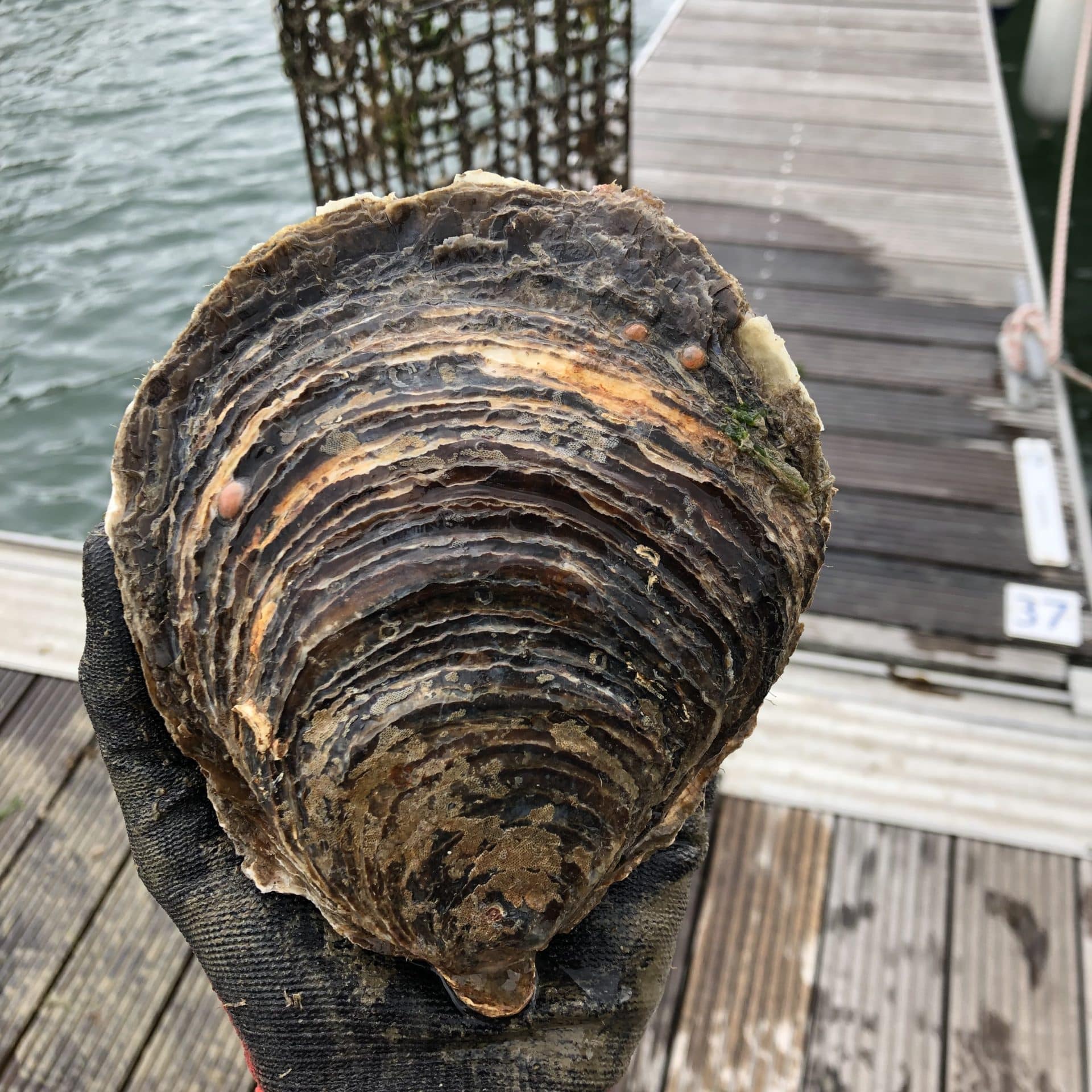
An estimated 85 per cent of the world’s oyster beds and oyster reef habitats have vanished, making them among the most threatened marine habitats.
An estimated 85 per cent of the world’s oyster beds and oyster reef habitats have vanished, making them among the most threatened marine habitats.
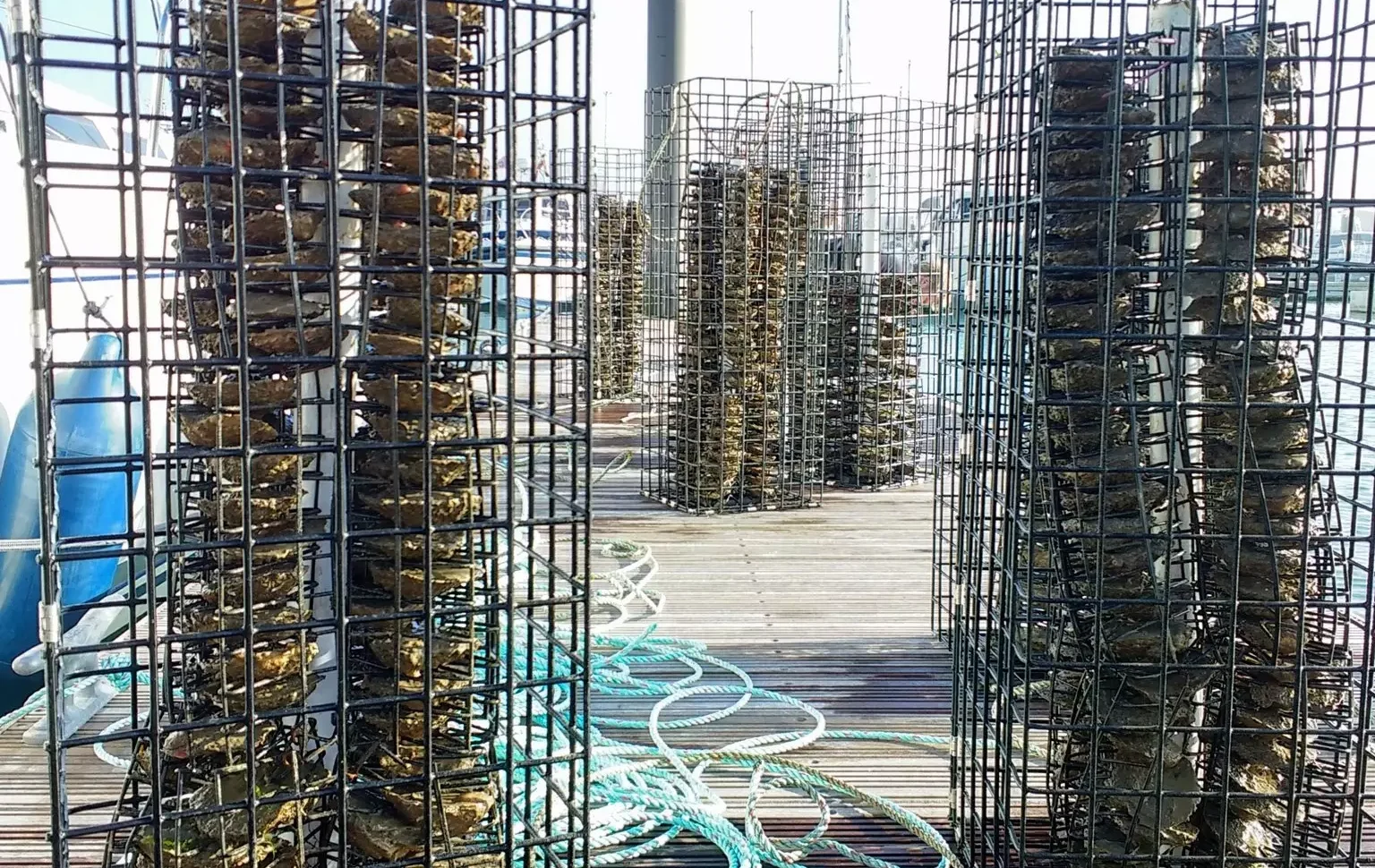
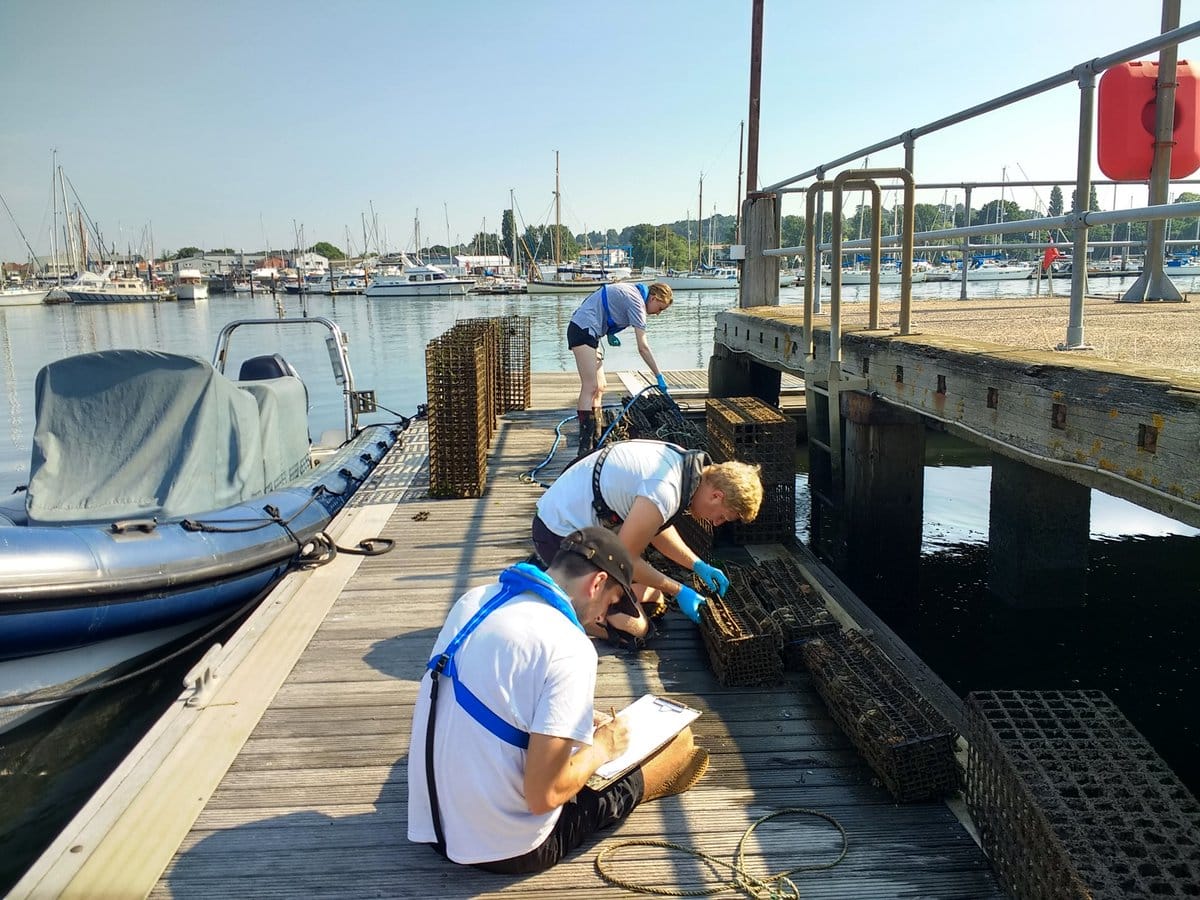
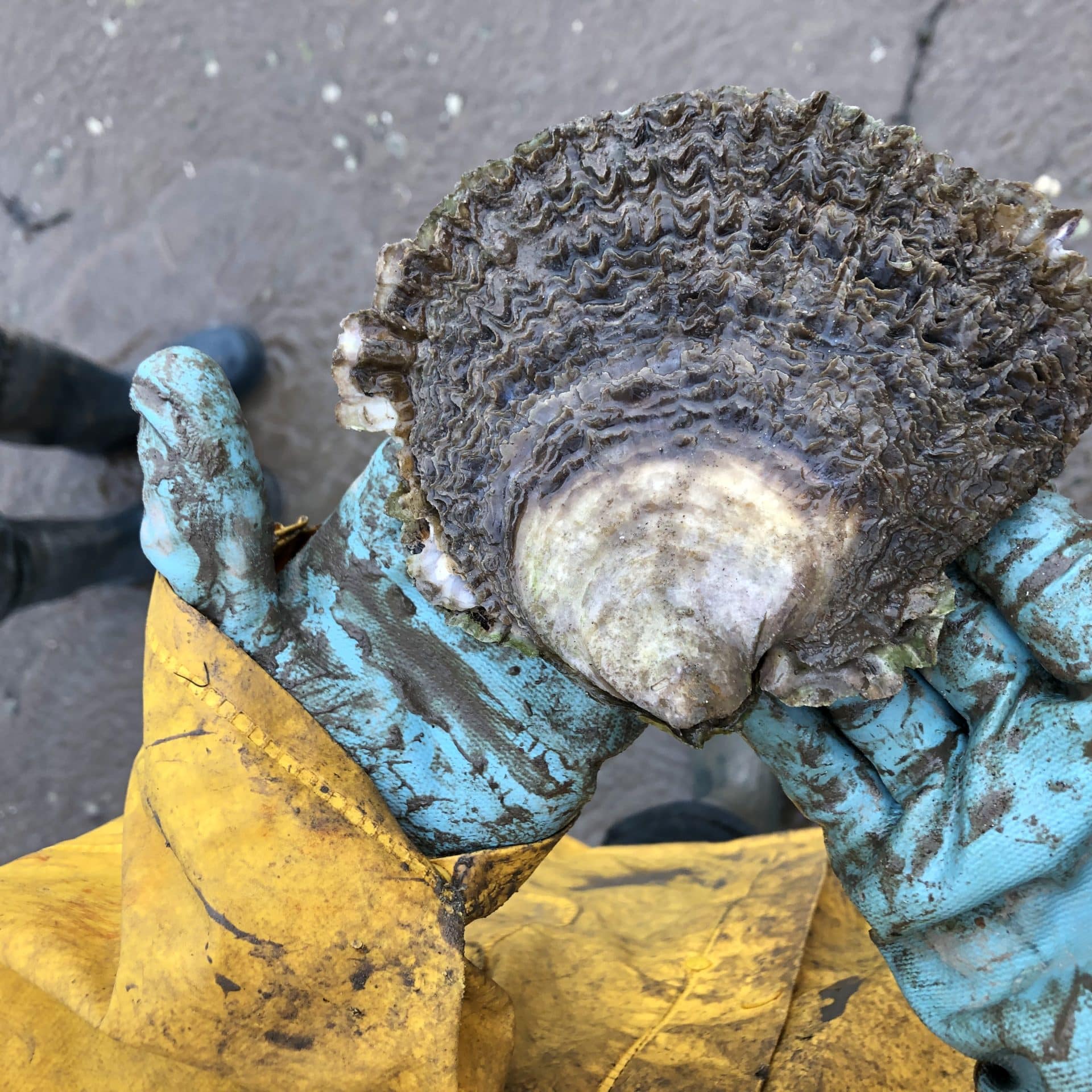
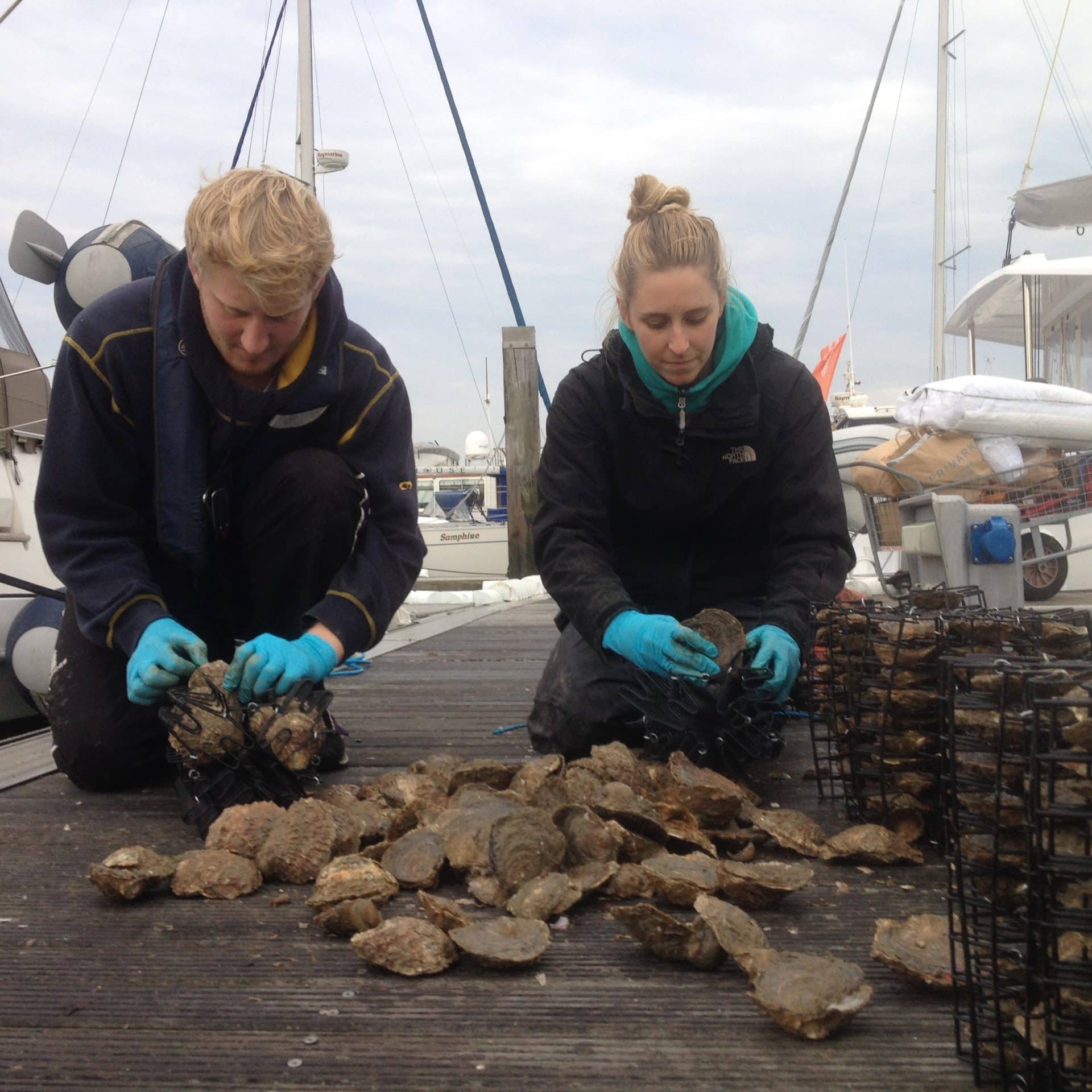
To increase the number of breeding oysters in the area, our team has placed mature ‘brood stock’ oysters at high densities in cages hung into the water beneath pontoons. This has facilitated the release of millions of larvae into the Solent.
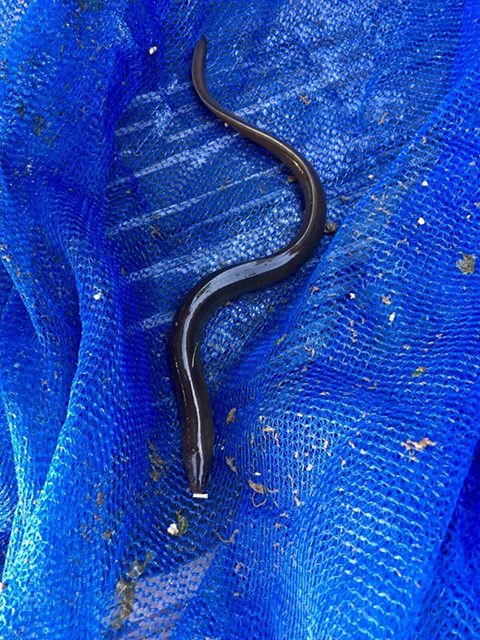
The cages have proved to be a refuge for other marine life, and we have so far found 97 different species living in them, including critically endangered European eels, juvenile spiny seahorses, and sea bass.
Blue Marine’s Solent team is also re-seeding protected seabed sites with juvenile oysters, to promote natural recruitment and re-establish wild oyster beds. We aim to create these sanctuary sites on a large scale in areas closed to commercial fishing, allowing them to flourish and develop.
We have also worked with the University of Portsmouth and Wild Oysters Project to develop a guide to nurseries for the native flat oyster (Ostrea edulis). Our aim to enable marina companies, pontoon or jetty owners, and other restoration projects to establish their own nursery system for oyster restoration.
The guide covers the method for restoration, the application of nurseries, logistical considerations, the need for biosecurity protocols, and how to monitor them. With help from MDL Marinas, we have refined the system over several years, and streamlined the paperwork required to make an application, while ensuring that applicants still understand the processes involved.
The guide and templates needed for an application – with examples, in some cases – are set out with the legislative requirements for the UK & Ireland, but they can be adapted for use in other countries.
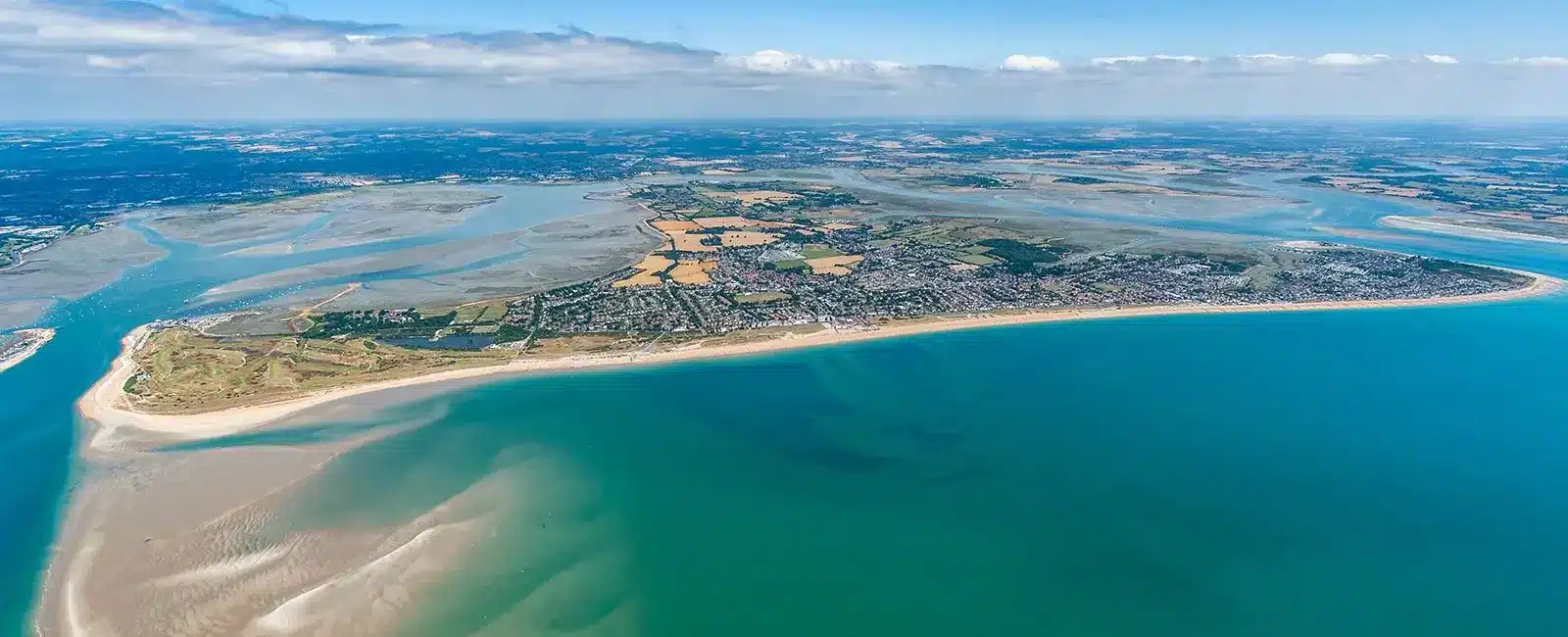
Oyster beds filter the water column, removing nitrogen, sequestering carbon and providing habitats for hundreds of species. But these critical services are being lost from the environment on a global scale. In response, Blue Marine is creating a model for their restoration, by relaying millions of oysters into the Solent, the strait that separates the Isle of Wight from the south coast of England.
Filter by:
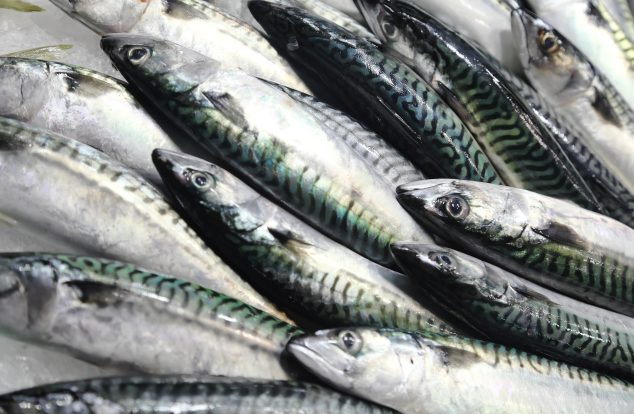
The Fisheries Act gives ministers wide discretion to allocate quotas even when they exceed scientific advice.
17 November 2025
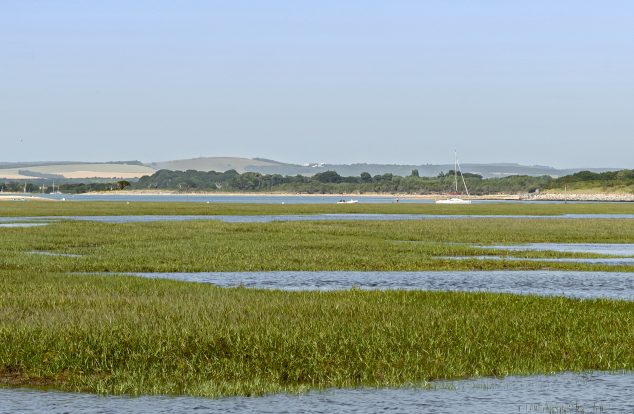
84 per cent of Cornish residents support a ban on bottom trawling in marine protected areas (MPAs)
12 November 2025
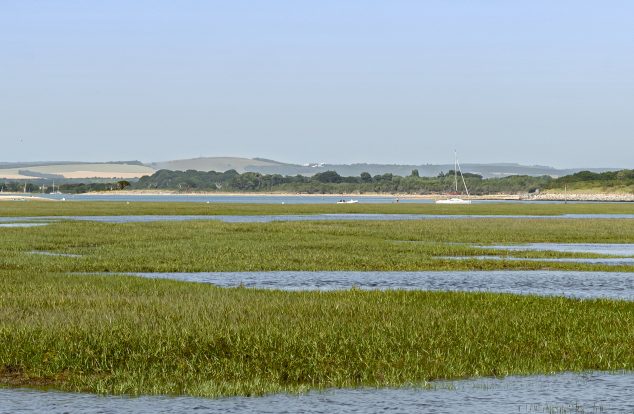
Blue Marine Foundation and partners are reintroducing the once-abundant native oyster to the Solent, a busy waterway in Southern England. It’s a big job, involving some clever science, some serious logistics and an army of volunteers. www.bluemarinefoundation.com. A Blue Marine Media production, supported by the Brook Foundation.
13 May 2025
Sorry no results.
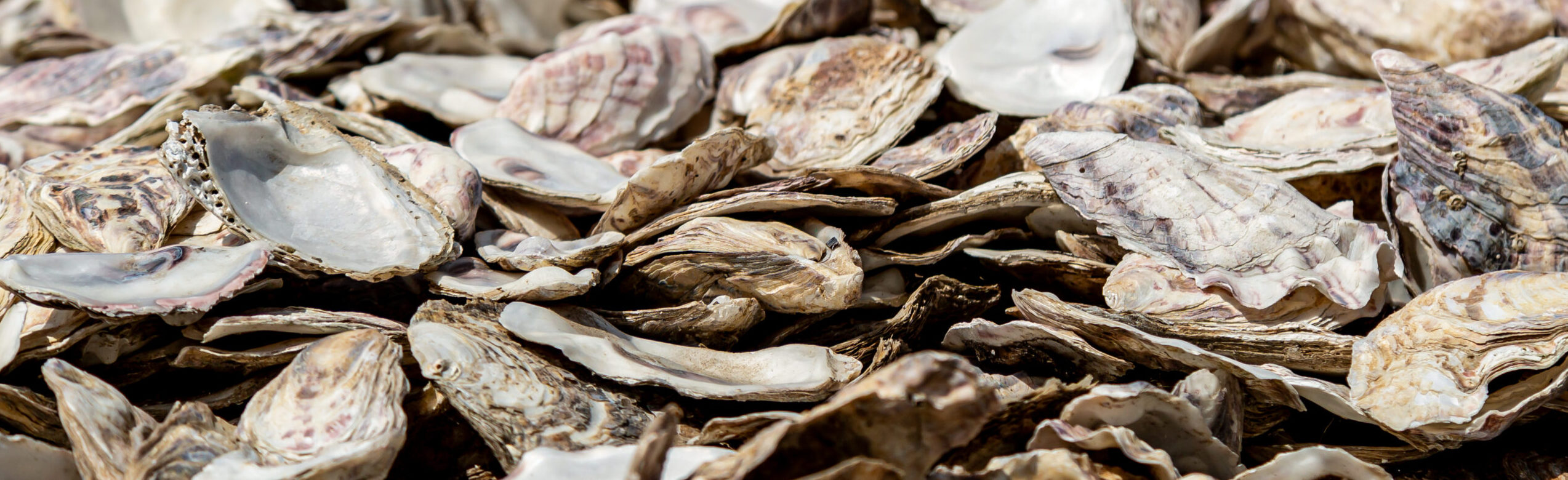
The Shell–to–Shore scheme collects waste oyster shells from London restaurants and supplies them to restoration projects, to be used on the seabed as ‘cultch’, an essential element in restoring native oysters.
We respect your privacy. By subscribing to our email list, you agree to our Terms & Conditions.
We respect your privacy. By subscribing to our email list, you agree to our Terms & Conditions.