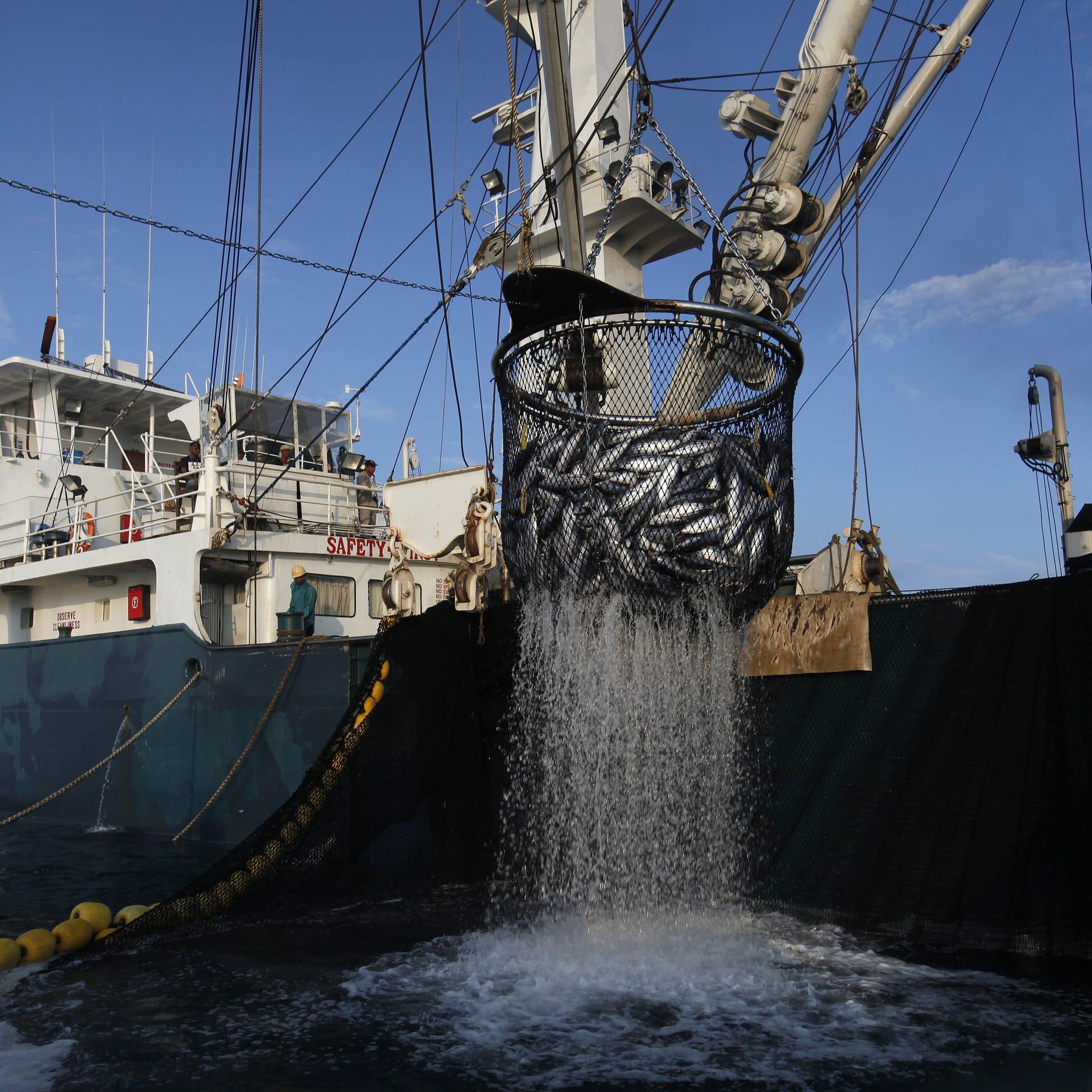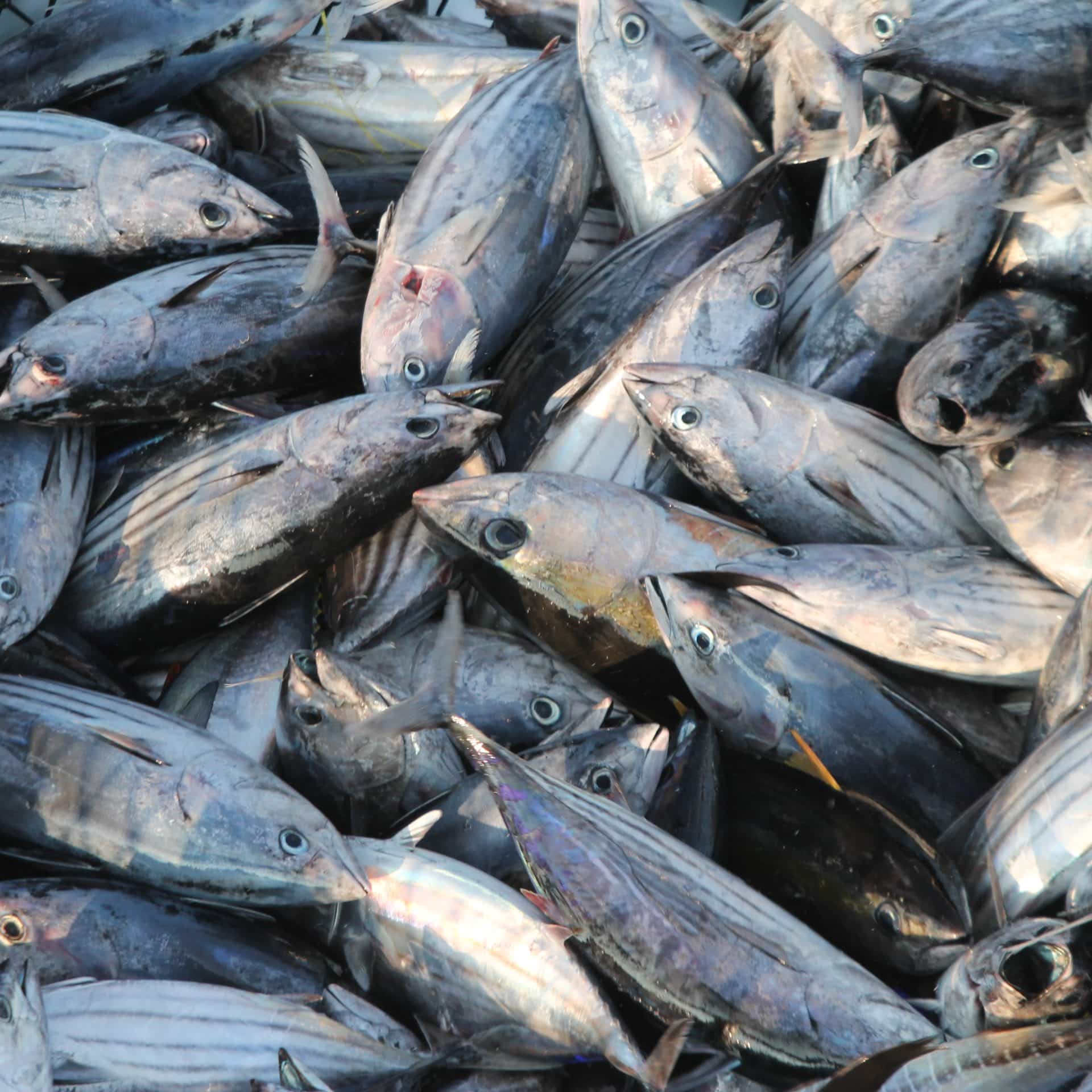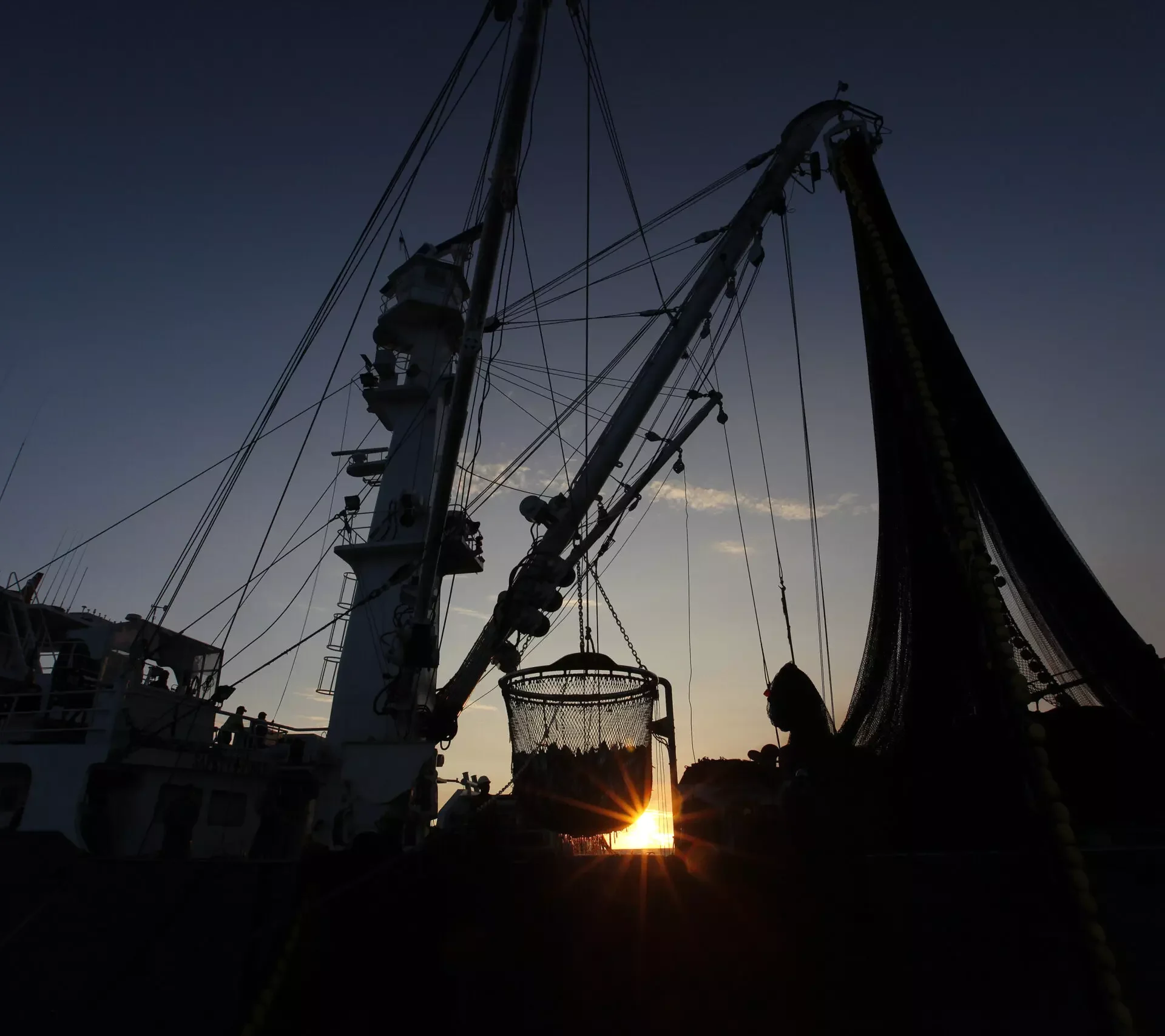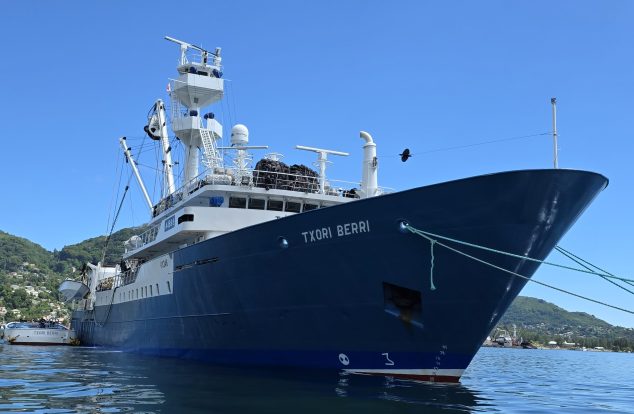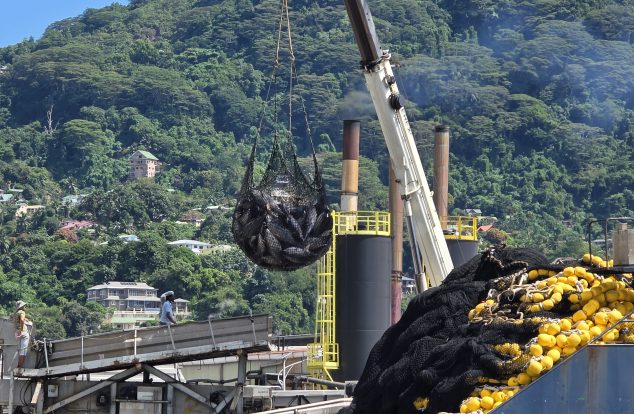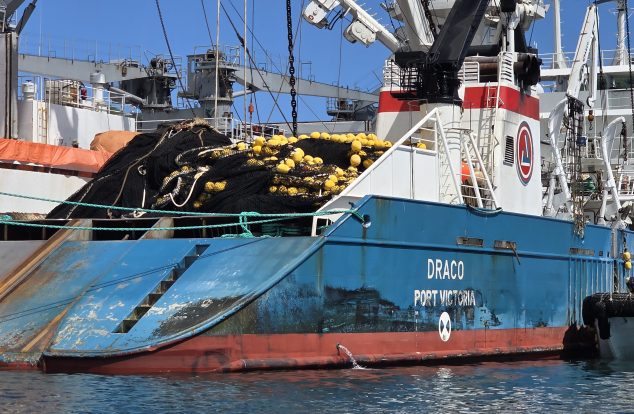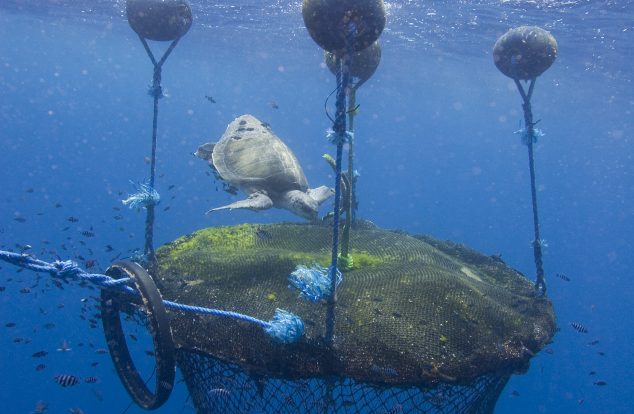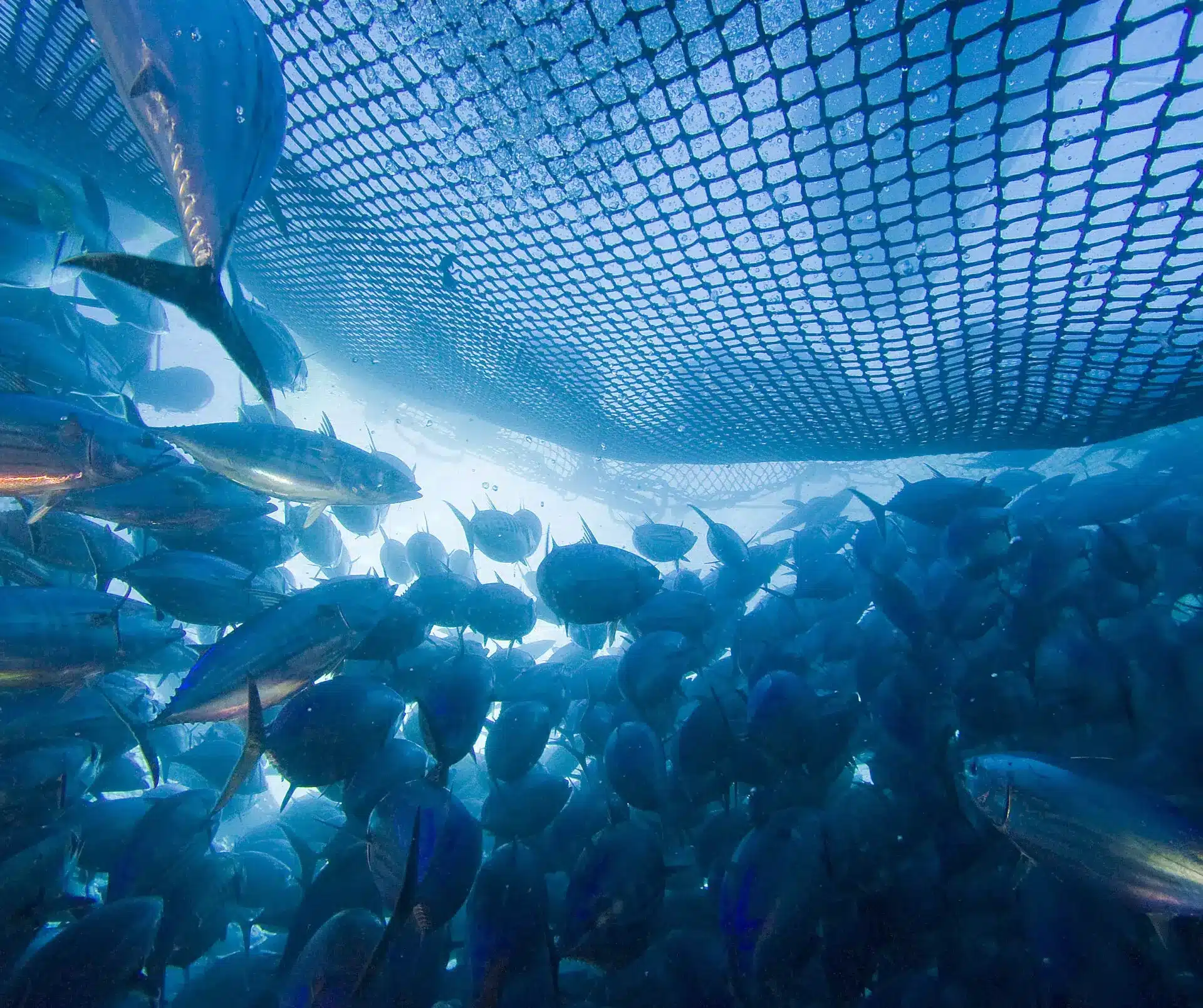
Tackling harmful practices affecting our oceans, Blue Investigations has done extensive work exposing ‘dark’ fishing fleets. In 2025 we had a significant win at the European Court of Justice, and used the favourable ruling to highlight the fact that most UK retailers sell tuna caught using destructive drifting fish aggregating devices (FADs). Our report showed that fleets using FADs also ‘go dark’ for months by disabling their mandatory tracking systems.
These vessels are largely insured in the UK, and our peer-reviewed legal paper highlighted the responsibilities of the UK insurance industry, and the pivotal role it could play in curbing this activity.
In 2025 Blue Investigations contributed to Blue Marine’s striking ‘Four Horsemen’ report, which revealed that dwindling UK fish populations and an inequitable quota system leave most fishers out in the cold while a handful of companies make eye-watering profits.
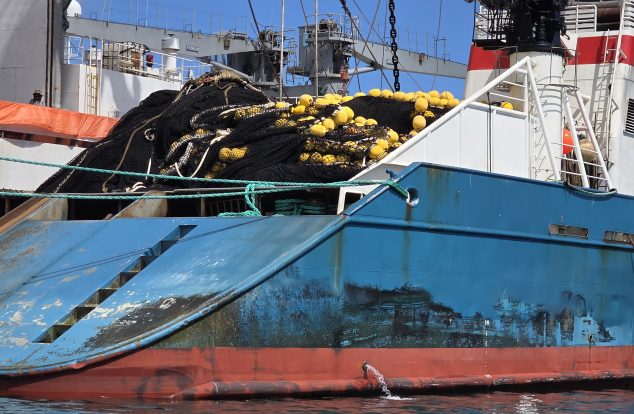
We also published an exposé of the stark contrast between the profits of the European fishing companies that supply much of the UK’s tuna, and the exploitative and discriminatory treatment of Ivorian and Senegalese crews on board their vessels. This ranged from delayed or withheld salary payments to insufficient medical care, and from unfair employment terms to excessive working hours. In the preceding five years, several companies had paid shareholder dividends of more than €60 million, while their West African crews still fight to be paid the International Labour Organisation minimum as a base salary.
Learn more about Blue Investigations through these reports: The UK’s Tuna Blindspot and Fishing Outside the Lines.