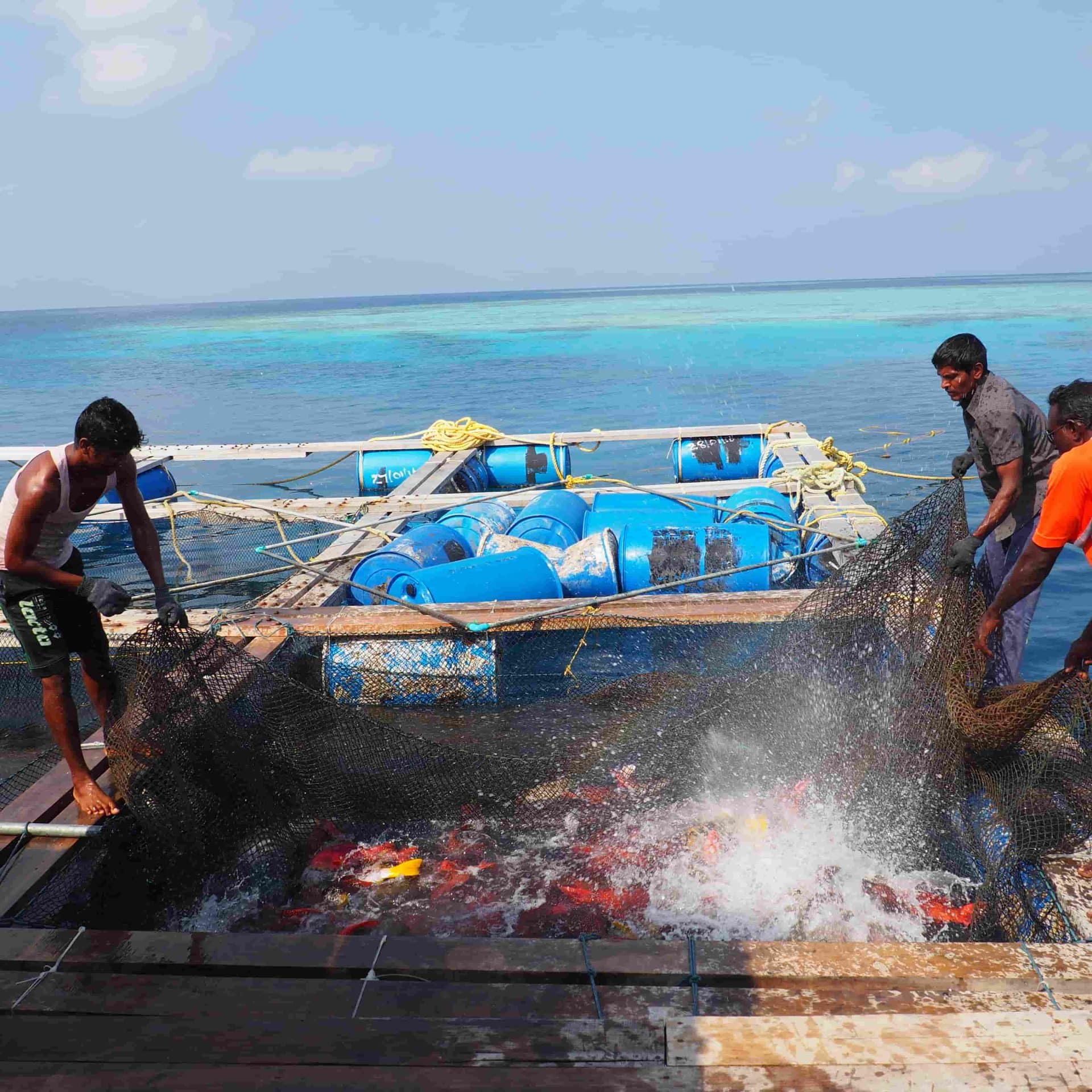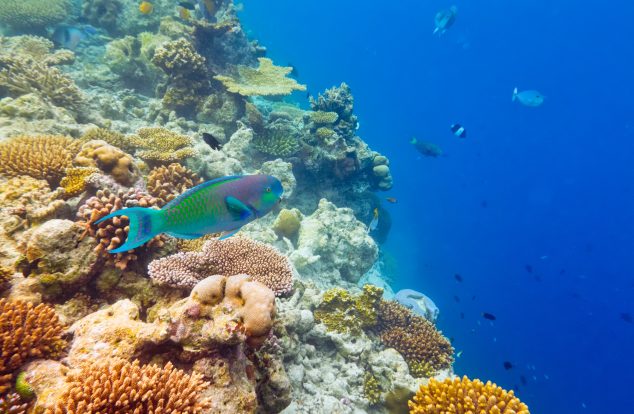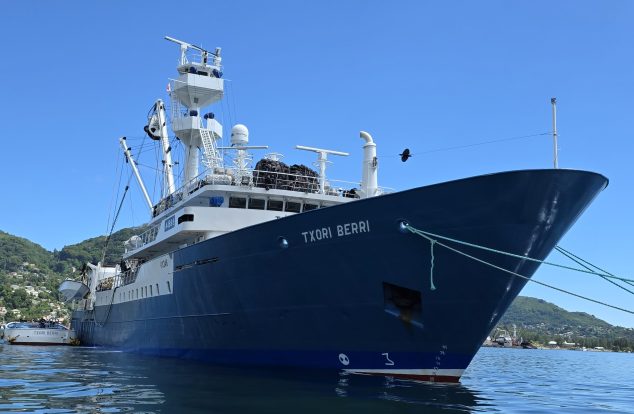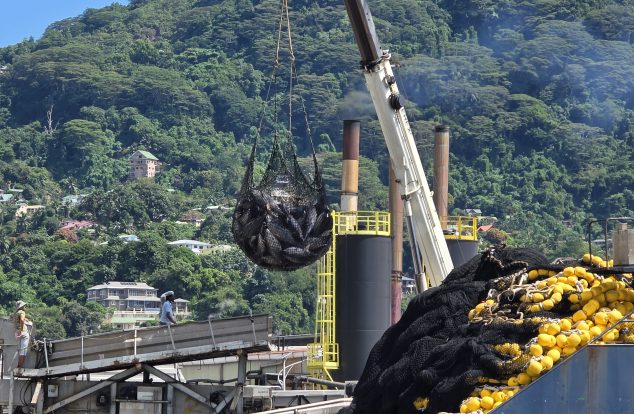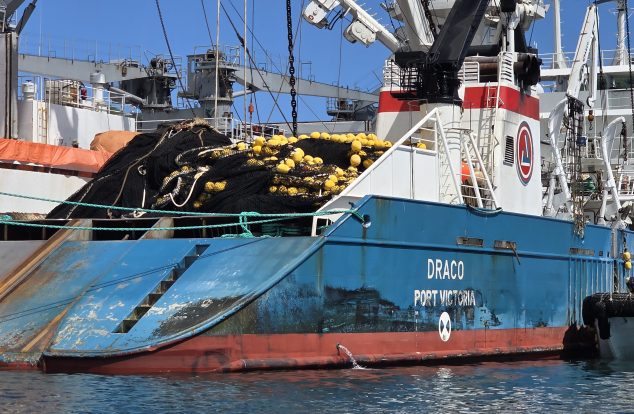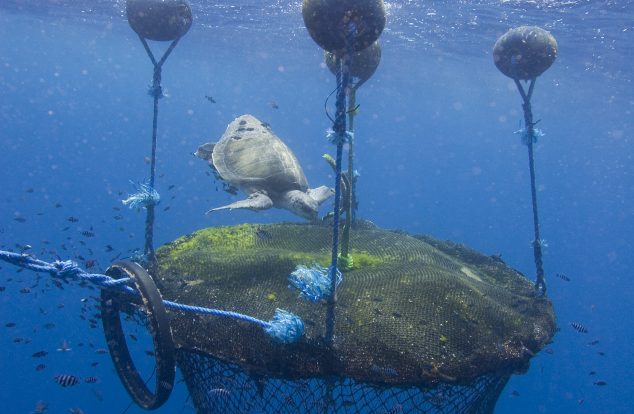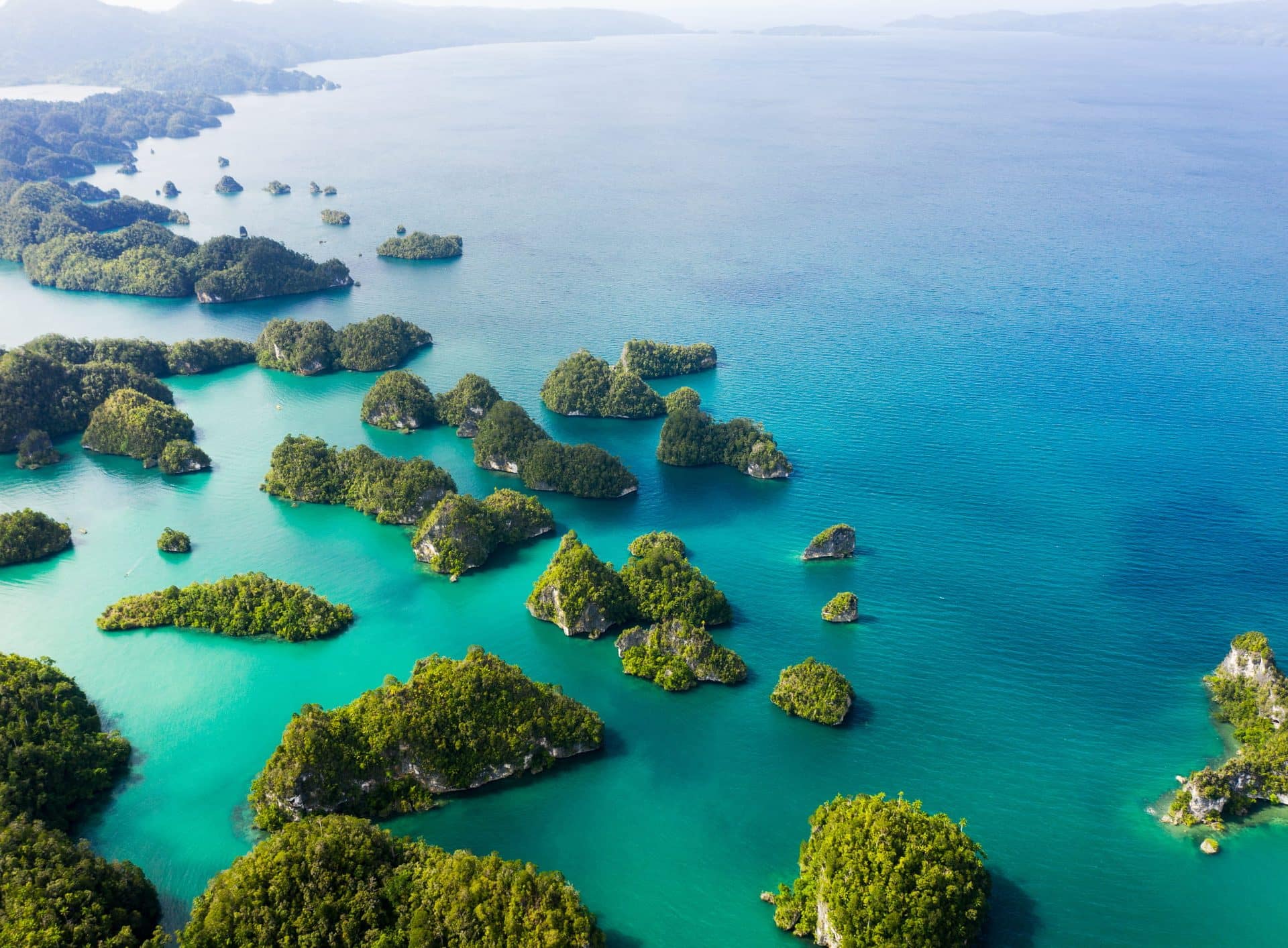
Ecologically rich, and home to coral reefs, mangroves, and extensive sea-grass forests, the warm waters of the Indian Ocean also provide a significant percentage of the world’s tuna catch. The seas are heavily fished by EU-owned vessels, many in search of valuable yellow-fin tuna, which migrate across the open sea and the jurisdictions of many nations.
Much of Blue Marine’s work here is investigative. Our research has shown that the organisations responsible for the tuna stocks are ineffective, leading to unlawful overfishing. We have also uncovered Spanish and French tuna vessels turning off satellite tracking, in apparent contravention of international, flag state and coastal state law. In the waters of Mauritius one vessel went more than three months without a single transmission.
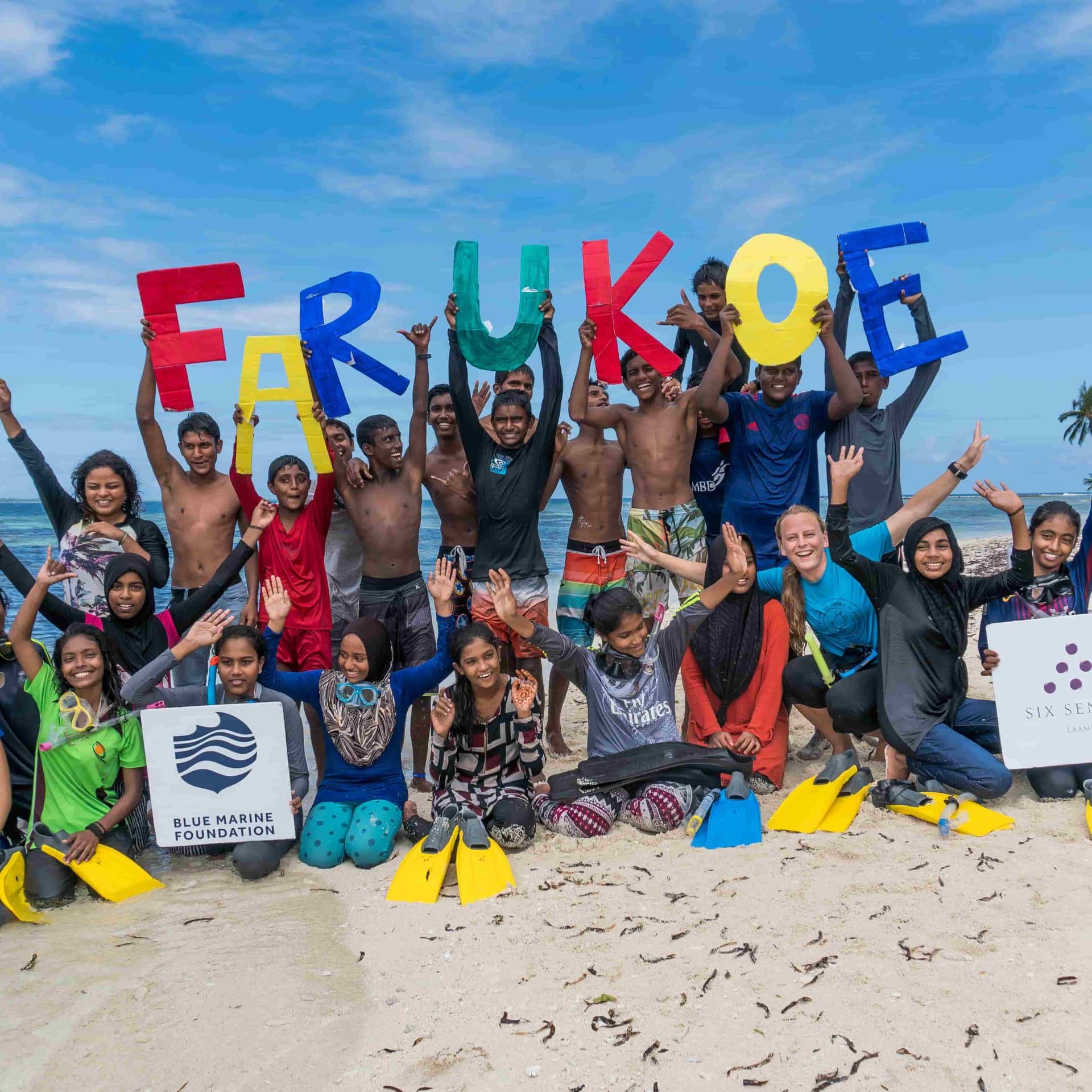
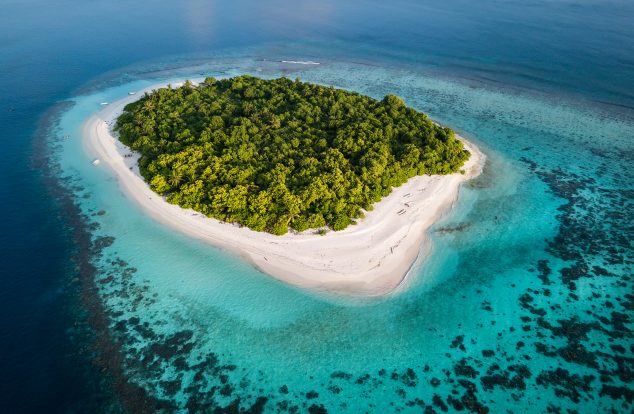
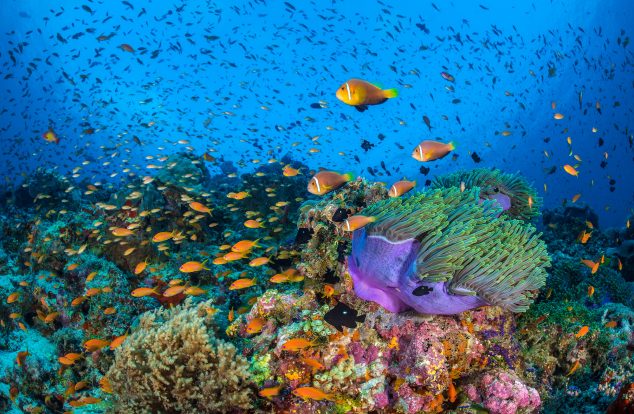
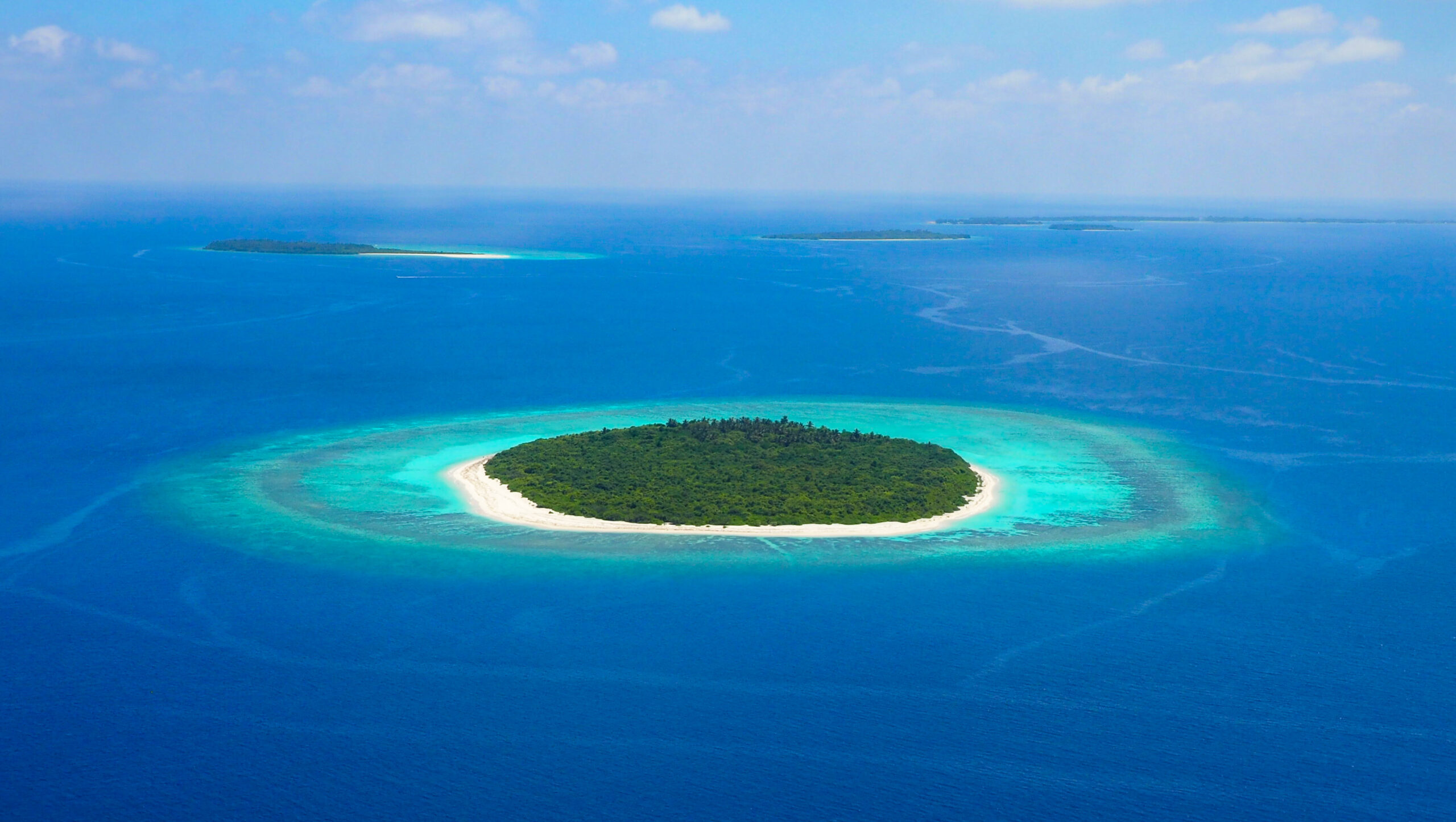
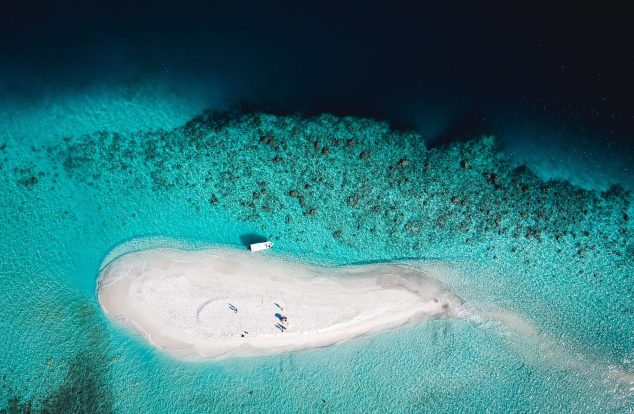
Another major Blue Marine initiative is in the Maldives, whose reef ecosystem is the most extensive in the Indian Ocean. Here we work with local stakeholders to tackle the over-exploitation – from fishing, tourism, pollution, coastal development and climate change – that is degrading the coral reefs which protect the low-lying islands from the sea.
Elsewhere in the region, our operations extend as far as Bahrain in the Persian Gulf, and the eastern coast of Africa, home to many species of sharks, rays and humpback whales, where we work in Mozambique.
To find out the full stories behind Blue Marine’s drive to protect the Indian Ocean, explore the reports from our expert teams that bring each project to life.