
Twenty five years after discussions on limiting fishing subsidies first began at the World Trade Organisation, a legally binding agreement that could remove the worst of them has entered into force.
WTO Director General Ngozi Okonjo-Iweala hailed the agreement as “a landmark for global trade governance.”
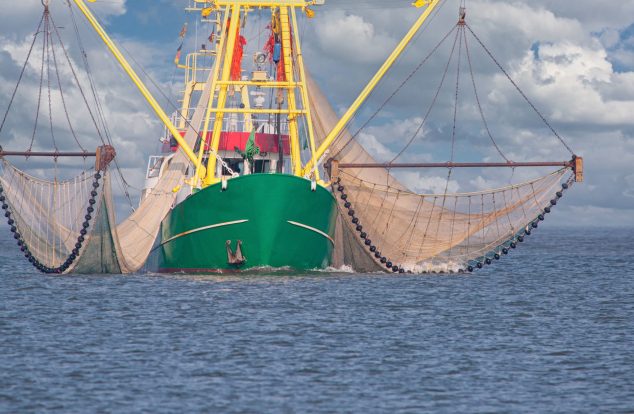
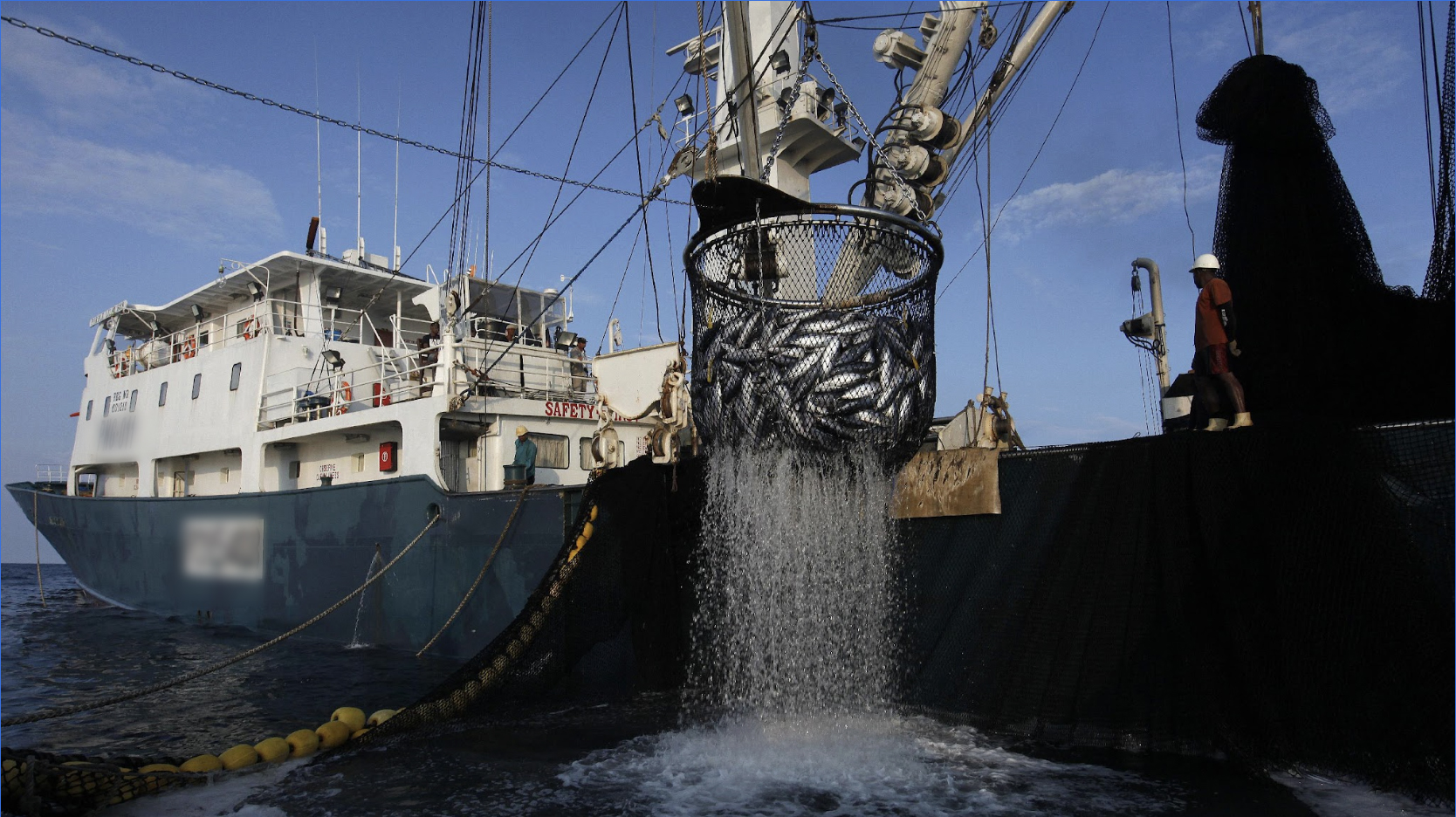
The Agreement on Fisheries Subsidies prohibits government support to illegal fishing activities, to fisheries that target overexploited stocks and to fishing vessels operating on unregulated parts of the high seas.
The agreement entered into force after Brazil, Kenya, Viet Nam and Tonga this week took the total number of acceptances over the threshold of two thirds of WTO members needed for it to become part of the trade organisation’s legal framework.
It is estimated that subsidies to marine fishing activities globally total $35 billion a year. Of this amount, around $22 billion are considered harmful, contributing to the depletion of marine fish populations.
The WTO has established a Fish Fund to provide developing economies with technical assistance needed to implement the new obligations.
Developed economies already face a requirement to report on what subsidies they give for fishing activities by the end of this year under Target 18 of the Convention on Biological Diversity.
There the arguments are expected to begin as some countries, including the UK and the EU, dispute that some forms of subsidy, such as fuel tax concessions or cheap fuel for fishing boats, are a “directed” subsidy, as they are given to some other sectors.
Kaija Barisa, senior economist at Blue Marine Foundation, said: ‘This is a long-awaited step toward better management of our shared seas. It is a legally binding agreement – and countries will be held to account for implementing its principles.
“Members of the WTO that have ratified the agreement, such as China and the EU, will need to begin taking significant steps to remove the provision of these harmful subsidies starting with those supporting illegal, unreported and unregulated fishing and fisheries working the unregulated high seas, such as in the classic regulatory gaps off Alaska, Argentina and in the Indian Ocean.”