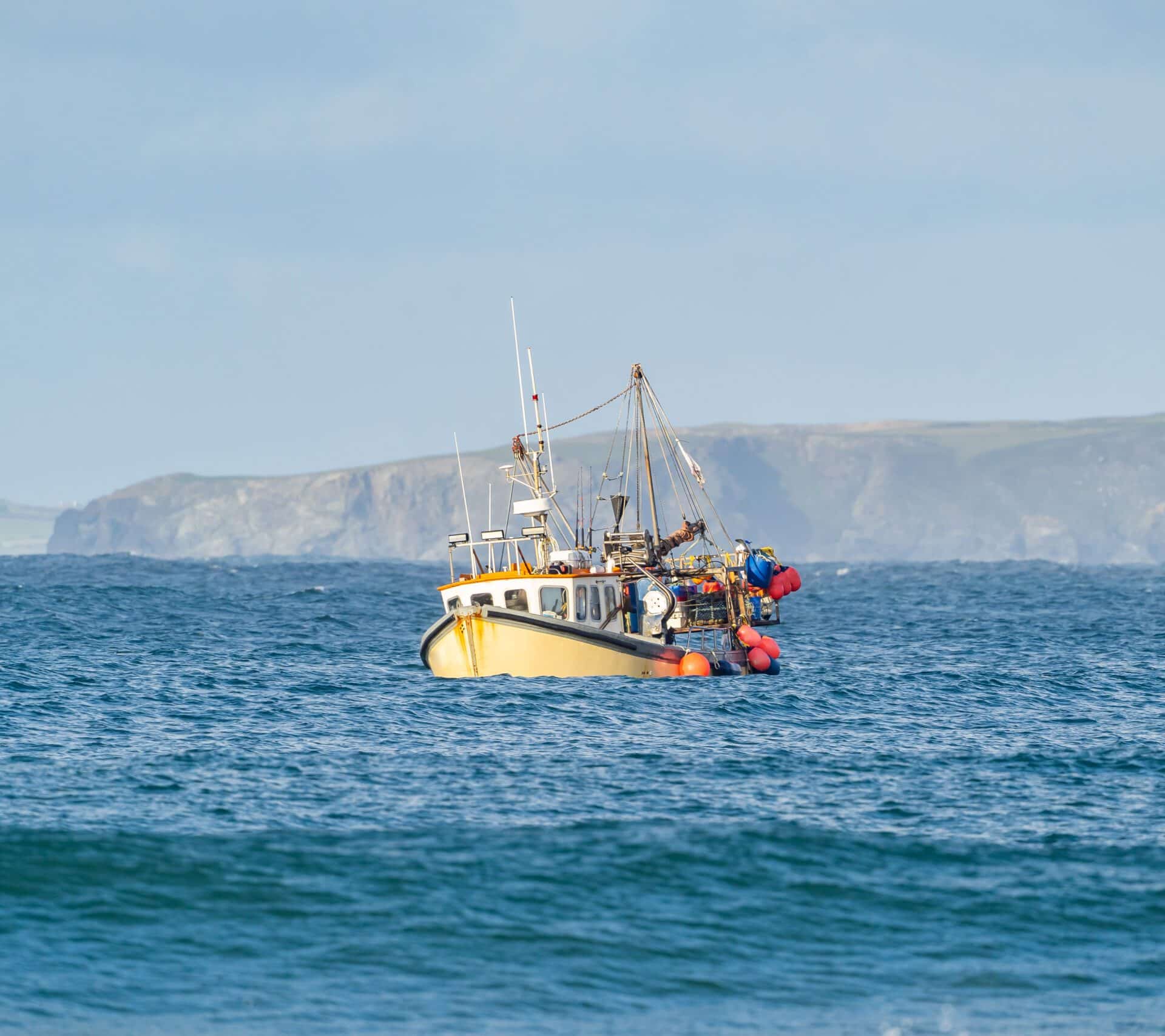

Scampi fishing in the North Sea is driving a “largely invisible” climate cost by disturbing carbon that has been buried in seabeds for thousands of years, scientists have found. Research led by the University of Exeter in collaboration with Blue Marine Foundation as part of the Convex Seascape Survey examined carbon in the Fladen Ground, a large muddy seabed east of Scotland. This is one of the North Sea’s most commercially important fishing grounds. Here, crustaceans including Norway lobster (or scampi) are caught by bottom trawling, which involves dragging nets across sea floor habitats. The study found the Fladen Ground builds up new carbon very slowly. After bottom trawling churns up the sediment, new carbon levels do not replenish quickly enough and therefore the ancient stores are likely affected, the researchers said.
You can read the full article here.