The challenge
The role of mangroves, seagrass and saltmarsh ecosystems to sequester and store carbon is increasingly recognised. But there is limited understanding of the dynamics of the carbon cycle across the global continental shelves.
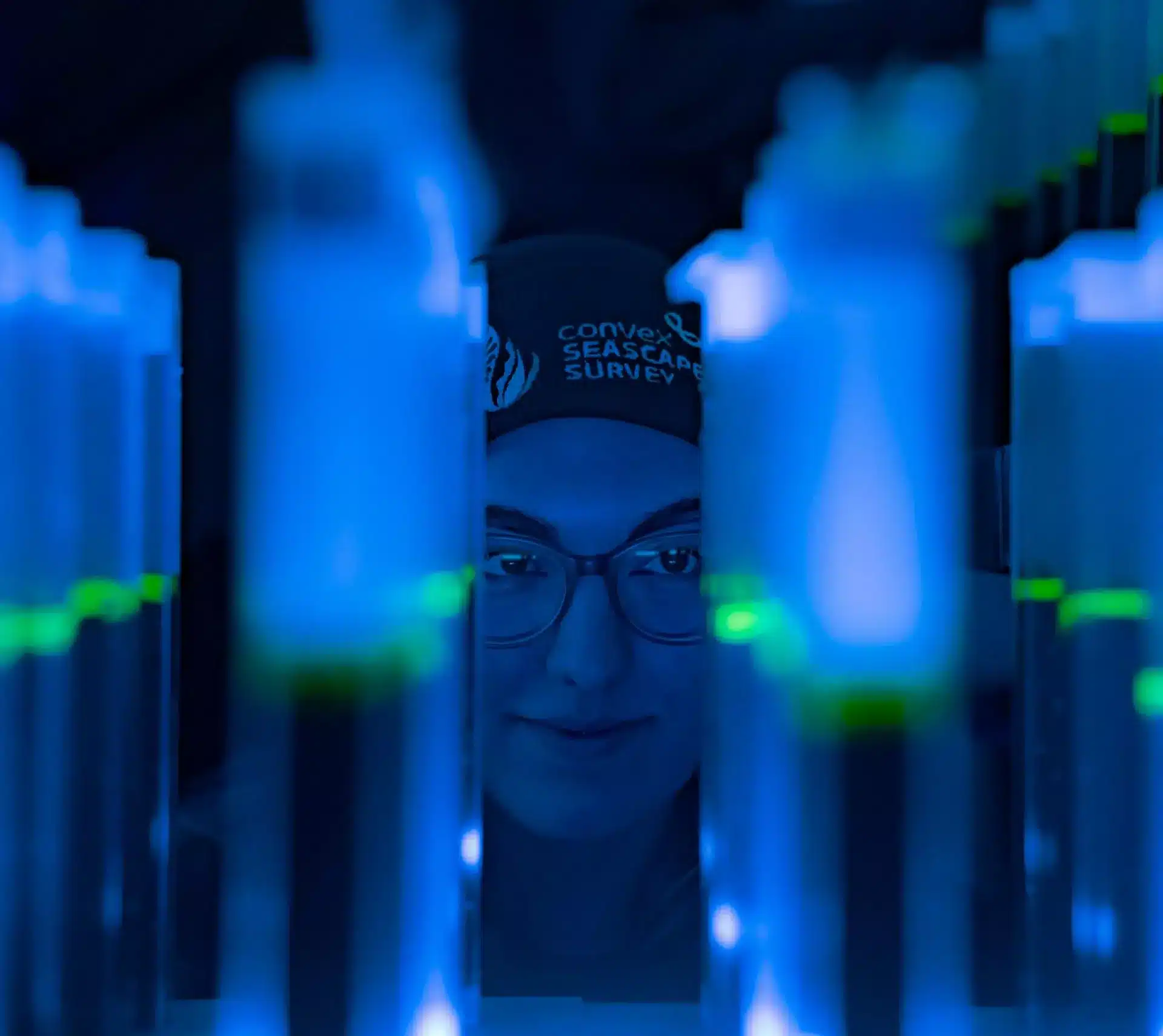
The role of mangroves, seagrass and saltmarsh ecosystems to sequester and store carbon is increasingly recognised. But there is limited understanding of the dynamics of the carbon cycle across the global continental shelves.
Developed in partnership by Blue Marine, University of Exeter, and Convex Group Ltd, the Convex Seascape Survey is delivering new, reliable, open-source data on continental-shelf carbon to educate, inspire, and enable informed decisions on ocean use. Around 100 experts from more than 20 institutions are collaborating to identify sediment carbon stores, understand how they form and how secure they are, and investigate how quickly they can recover from disturbance.
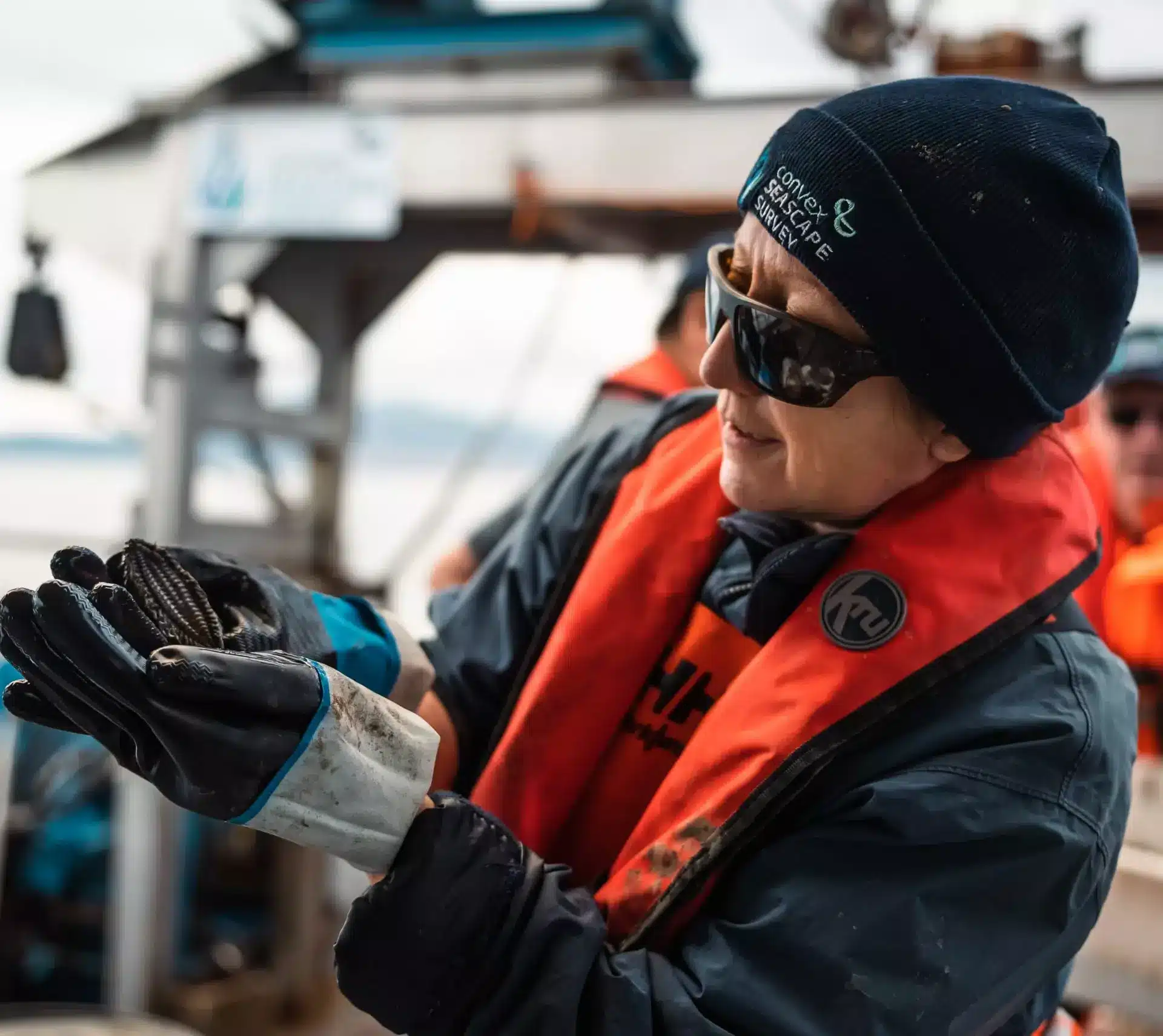
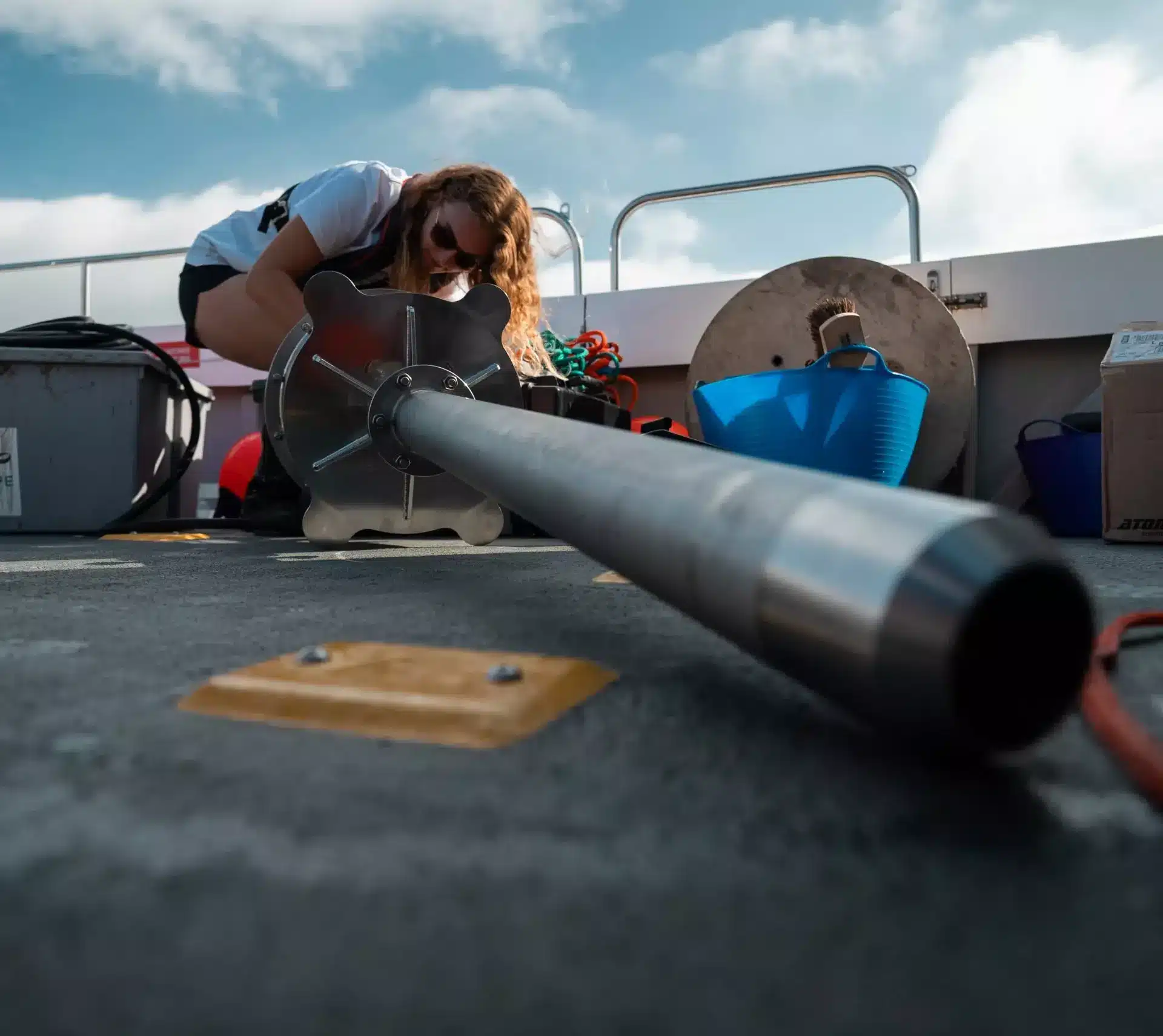
In 2025, we undertook international fieldwork expeditions to Canada, Australia and South Africa to investigate the role of marine life in carbon storage and the impact of protection. The data generated in Australia is supporting local collaborators by feeding into a consultation process and zoning approach for a new marine park.
A further team visited Antarctica to explore the complex contributions of both Great Whales and seaweed to carbon storage in the region. In the UK, colleagues used a converted fishing vessel to simulate the impact of trawling on seafloor biology and chemistry to further our understanding of the impact of human activity on carbon stores.
Five new publications added to our growing results, covering topics from seabed sediment distribution to the role of fish digging and disturbing the seafloor. We shared our progress and findings at key international conferences, including the One Ocean Science Congress and the UN Ocean Conference in Nice. In August 2025 the Convex Seascape Survey was endorsed by the UN Ocean Decade programme.
Filter by:
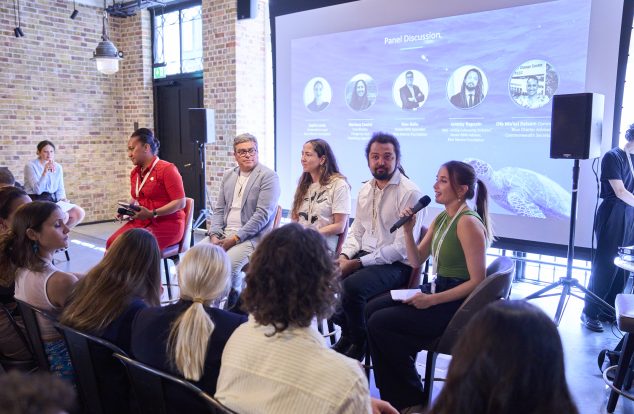
This was the first permanent home for the ocean during a London Climate Action Week. Held from 22–25 June in partnership with Kanaloa and 10% for the Ocean, the events demonstrated how ocean-climate solutions can help address some of the most pressing challenges facing people and the planet.
02 July 2026
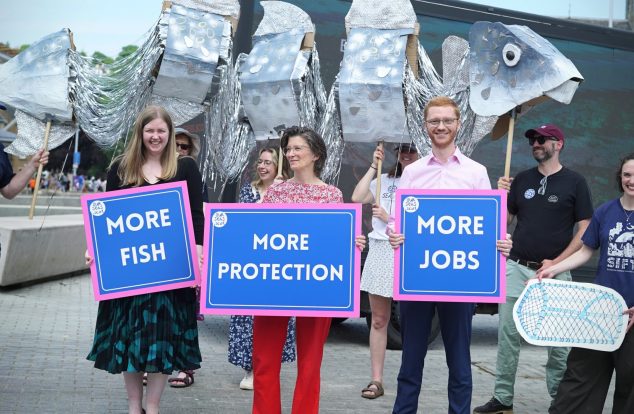
On 23 June 2026, the Our Seas Coalition gathered outside the Scottish Parliament on the hottest day of the year for a truly memorable day of action in support of Scotland’s seas.
29 June 2026
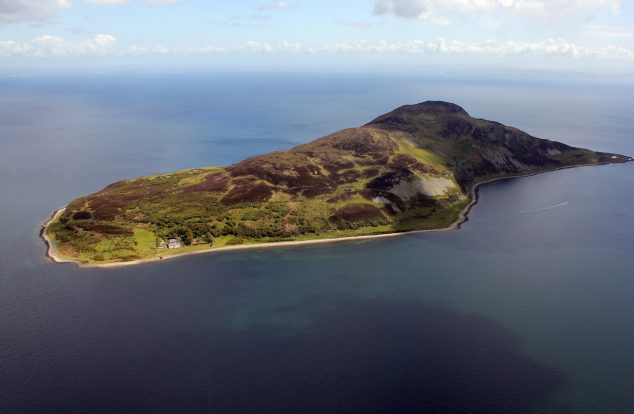
Scientists recorded more than 1,500 species critical to the marine ecosystem, which they say emphasises the urgent need for better protections across Europe.
01 May 2026
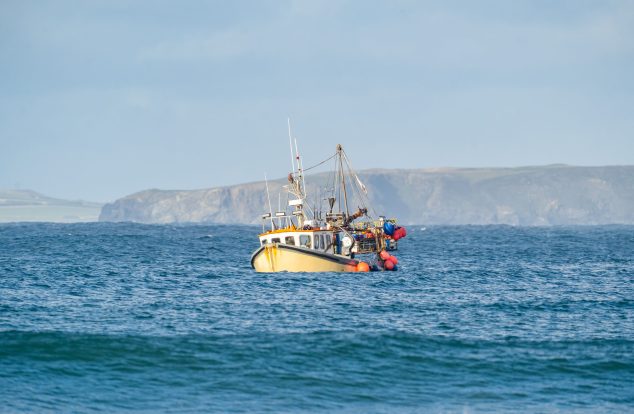
Research led by the University of Exeter examined carbon in the Fladen Ground – a large muddy seabed east of Scotland.
06 March 2026
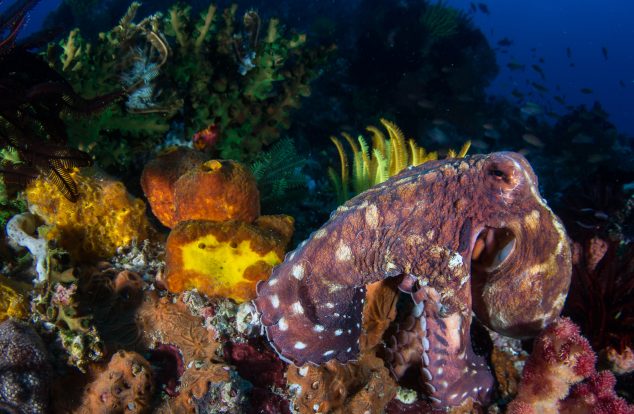
Researchers from the Convex Seascape Survey have found that the strength and direction of prevailing winds play a critical role in how the seas surrounding continental shelves absorb and store carbon.
24 October 2025

The first ever study of Arran’s seafloor carbon, explores the link between the ocean and climate change? This film follows Convex Seascape Project in its research to discover whether the protective measures in the waters around the Isle of Arran benefit marine life and whether they also help increase the amount of carbon locked away in the seabed.
24 June 2024
10 January 2025
Sorry no results.
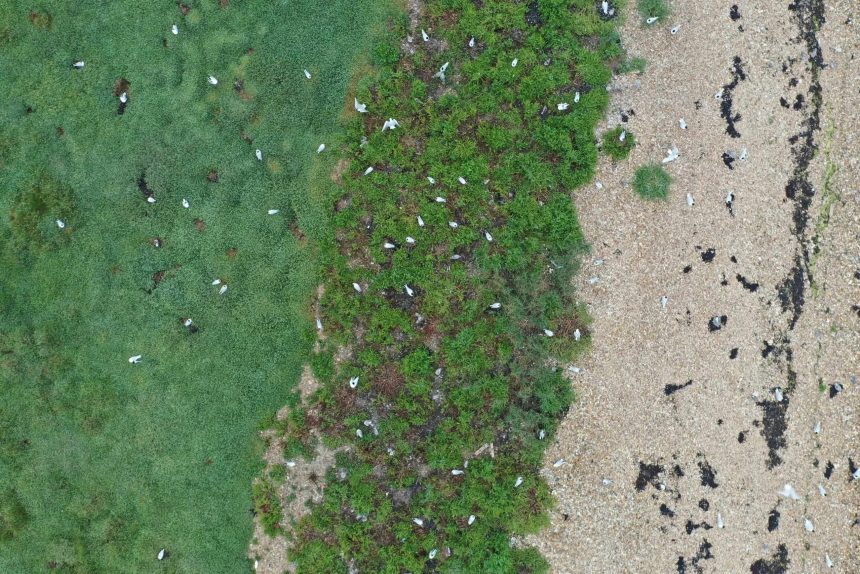
The Solent Seascape Project aims to recover a dynamic network of habitats, where ocean meets coastline, as the first project of its kind in the UK.
We respect your privacy. By subscribing to our email list, you agree to our Terms & Conditions.
We respect your privacy. By subscribing to our email list, you agree to our Terms & Conditions.