Project

Global

The High Seas: protecting beyond national jurisdictions

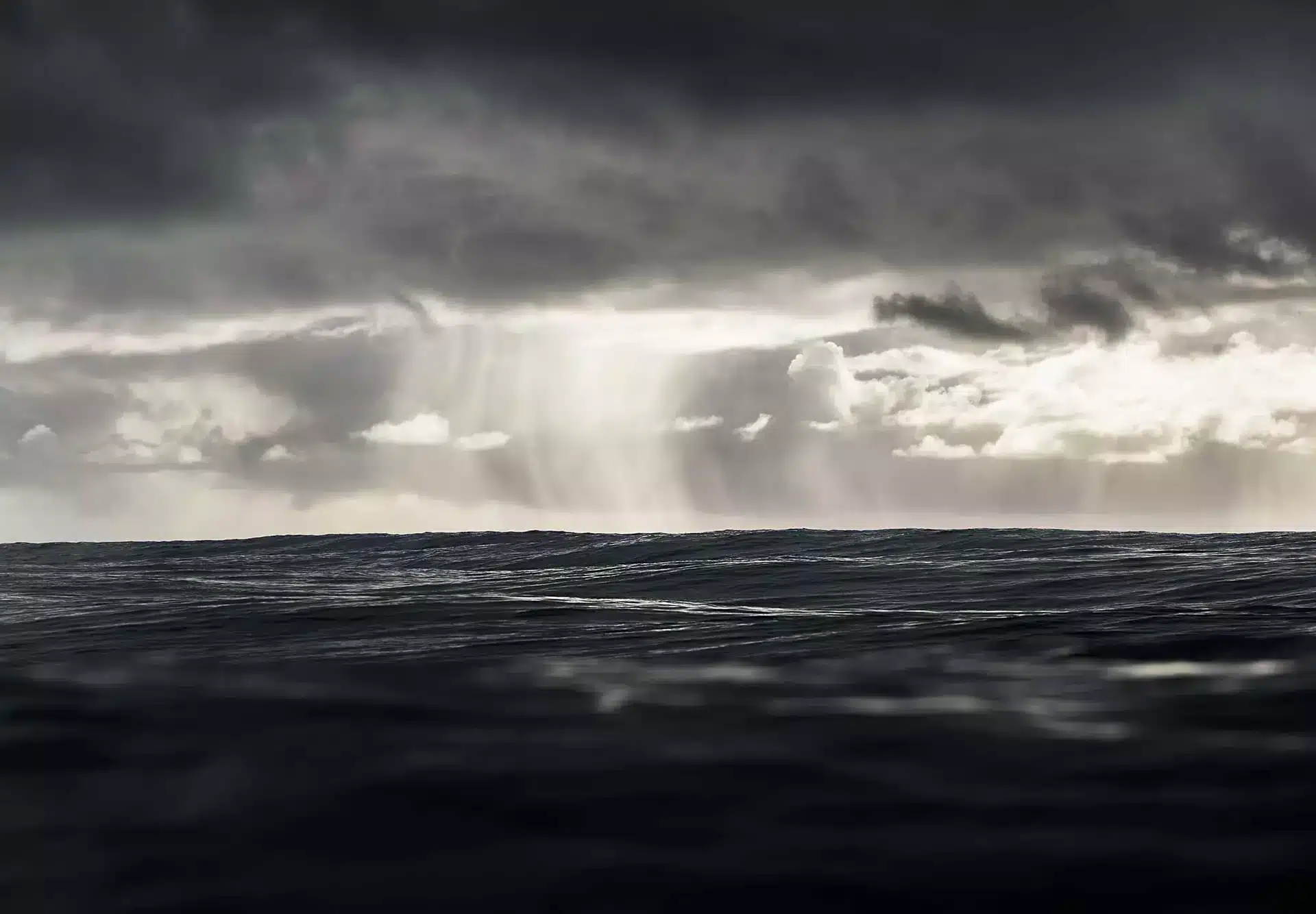
It makes up two–thirds of the ocean, and a treaty to protect it is slowly being ratified. But Blue Marine already has the High Seas in its sights, with a plan to safeguard the Walvis Ridge off Namibia.

Blue Policy

Marine protection

Sustainable fisheries

The challenge

If we are to safeguard 30 per cent of the ocean by 2030, it is essential to include the High Seas in protected area proposals.


Our strategy

In partnership with Namibia Nature Foundation, Blue Marine has been working to help protect an ecologically significant seamount range off the west coast of Africa by means of the BBNJ. Preparing a plan for the Ridge, a 3,000km submarine mountain chain in the Southern Atlantic, will be a huge collaborative effort.

So far we have led initial stakeholder engagement events at the International Marine Conservation Congress in Cape Town, and CBD COP16 in Cali, Colombia. We were also observers at the AGM of the South East Atlantic Fisheries Organisation, one of the management bodies that covers the area.  We have commissioned an assessment of the Ridge, which pulled together marine knowledge of the area, including usage.

In 2025 engagement with relevant representatives from South Africa, Namibia, and Angola will include in-country workshops to formulate a roadmap of options and opportunities, as we work to make the Walvis Ridge safe for its abundant marine life. 

Key stats

  • The High Seas makes up 70 per cent of the living space on Earth.
  • It absorbs 26 per cent of carbon dioxide.
  • And absorbs 90 per cent of human-created heat.

Work in the field

The High Seas starts beyond a country’s exclusive economic zone and encompasses almost half the planet. But only one per cent of it is properly protected, with a patchwork of 21 separate organisations currently regulating different species, spaces and activities here.  

In 2018, Blue Marine and other members of the High Seas Alliance embarked on a campaign for a global, legally binding treaty to protect high seas biodiversity. After years under discussion, the High Seas Treaty, or BBNJ, was finally adopted in 2023. To date 105 countries have committed to ratification, and 19 ratified. Once 60 have ratified, the process to designate areas for protection can begin, with coastal states such as Namibia playing a critical role.  

Stay connected

We respect your privacy. By subscribing to our email list, you agree to our Terms & Conditions.

This field is for validation purposes and should be left unchanged.

Stay connected

We respect your privacy. By subscribing to our email list, you agree to our Terms & Conditions.

This field is for validation purposes and should be left unchanged.