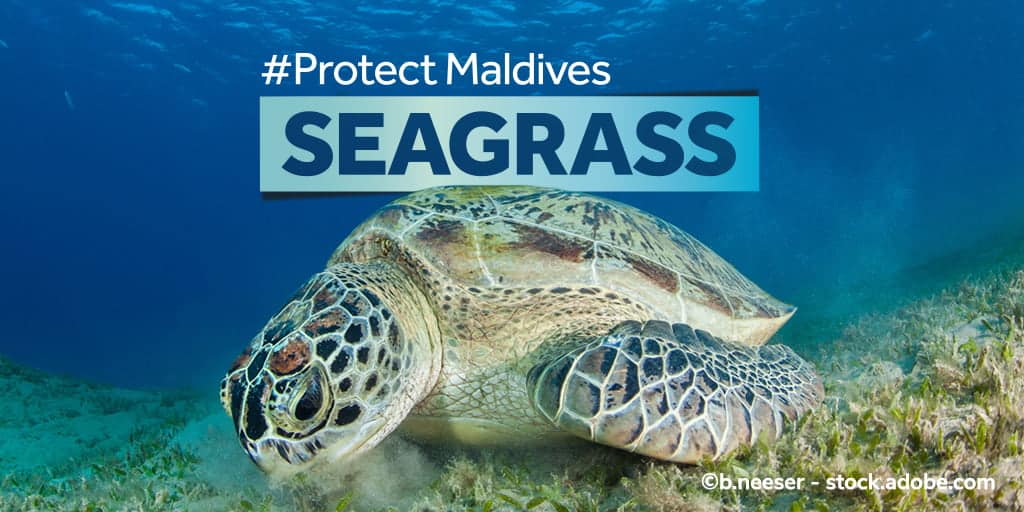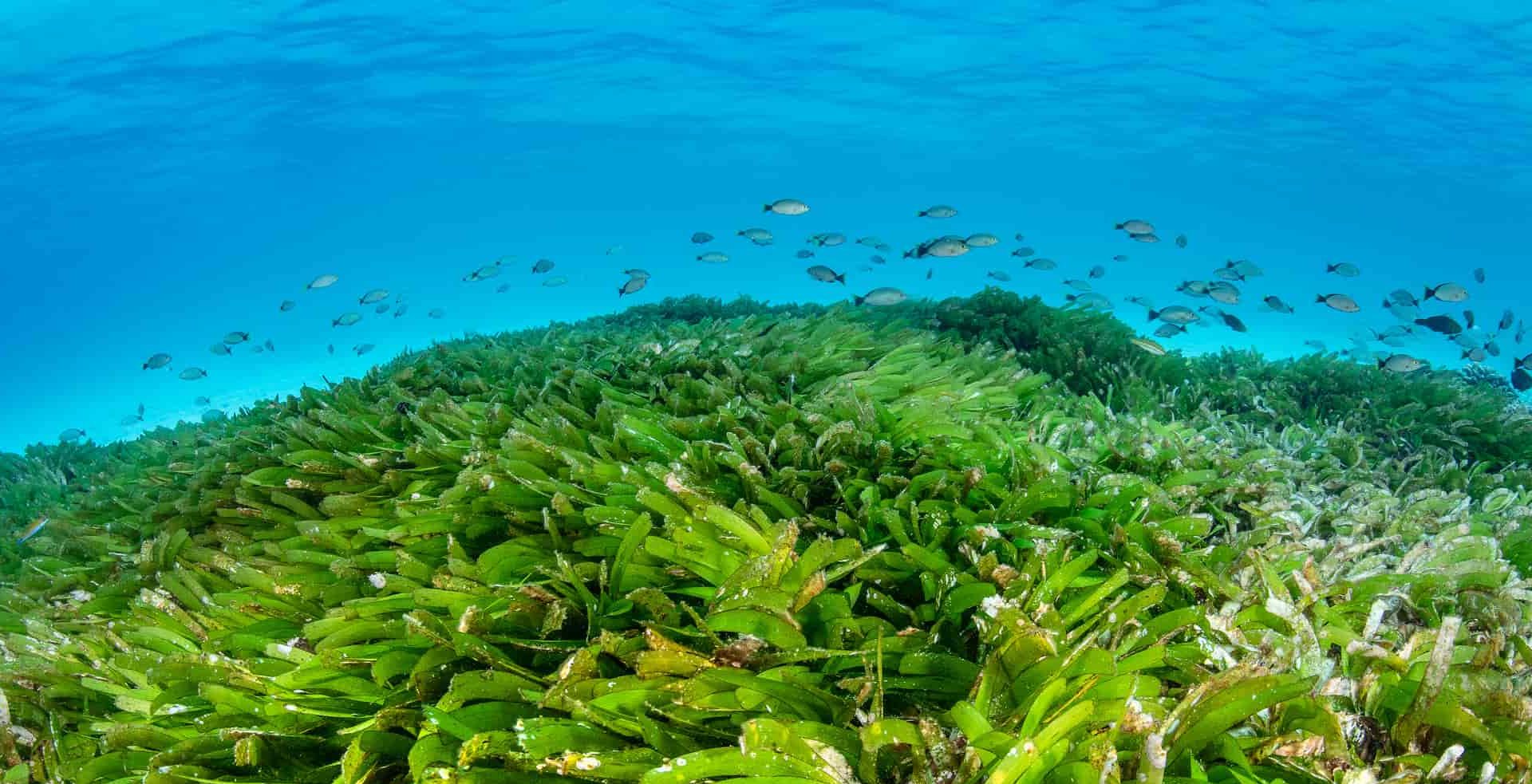
The #ProtectMaldivesSeagrass campaign of 2019, led by Blue Marine and the Maldives Underwater Initiative, convinced more than 25 per cent of the country’s high-end resorts to protect their seagrass meadows.
For the low-lying island nation of the Maldives, seagrass is vital. It prevents beach erosion, fights climate change by absorbing carbon dioxide, provides food for sea turtles, supports fisheries and houses juvenile coral-reef fish.
Despite this, it is considered a nuisance to the tourism industry. Many resorts remove the seagrass around their islands because they think it spoils the look of clear lagoon water.
#ProtectMaldivesSeagrass aimed to bring the importance of seagrass ecosystems into the spotlight within the tourism industry and the wider conservation discourse in the Maldives.
In March 2019, we launched a social media campaign that used photography and facts about the importance to megafauna of seagrass to create an alternative image of this underappreciated habitat.
The campaign asked resorts to pledge to protect a minimum of 80 per cent of their seagrass for the benefit of the environment, tourism, fisheries and the people who depend on them.
Less celebrated than coral reefs, seagrass grows in shallow, coastal areas because it needs sunlight. It is the unsung hero of the ocean, absorbing nutrients from the water and seabed, which can then be consumed by animals or recycled by bacteria.
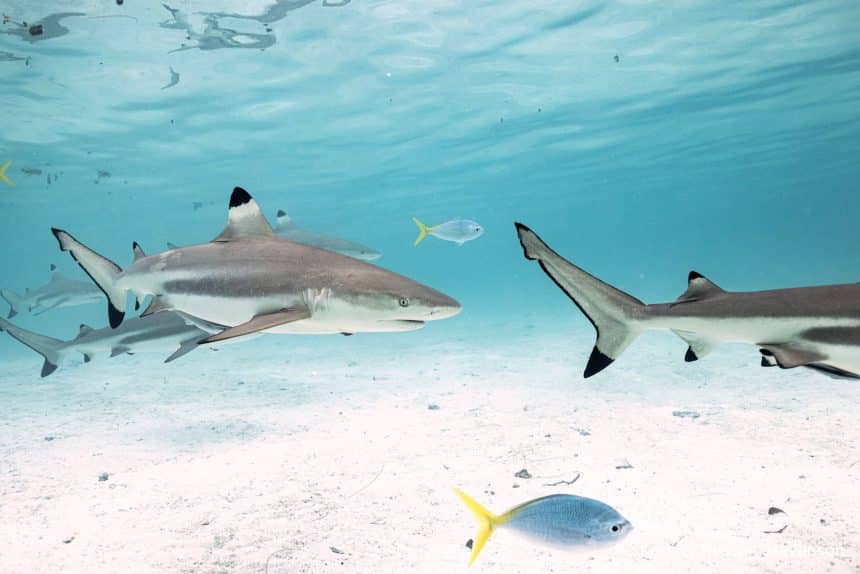
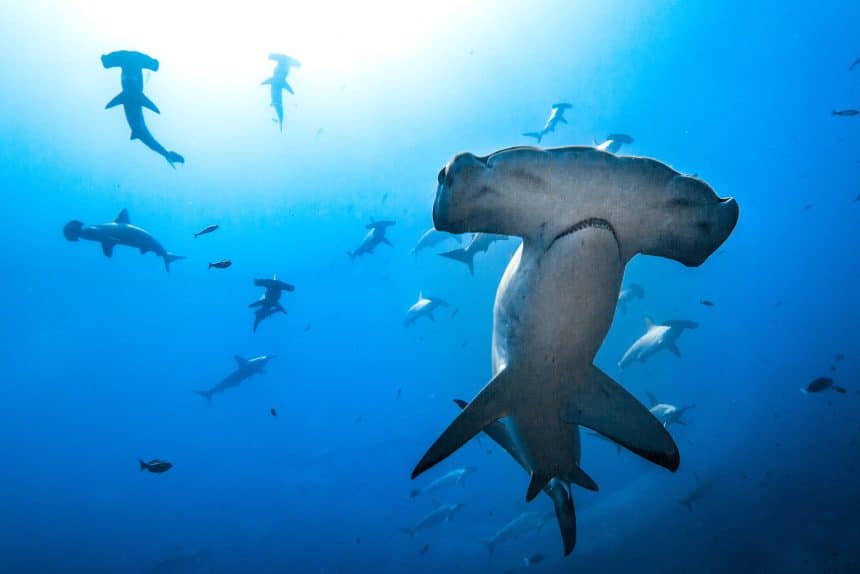
Fishers also benefit because seagrass is a nursery habitat and shelter for thousands of juvenile fish and invertebrates, including snappers, parrotfish, sharks, crabs, and seahorses. One hectare (2.5 football pitches) can produce 100,000 litres of oxygen a day through photosynthesis. At the same time it reduces wave energy, preventing beach erosion.
The Maldives campaign was inspired by the Six Senses Laamu resort, which has been protecting its meadows since 2017, following advice from Blue Marine, and has shown that seagrass and tourism can coexist. The marine team at the resort have even developed ‘seagrass snorkelling excursions’ where they show their guests green turtles feeding.
At the height of the campaign, the #ProtectMaldivesSeagrass hashtag was mentioned more than 300 times a day, and #ProtectMaldivesSeagrass – Maldives Resilient Reefs had more than 22,000 visits in a 4-month period.
More than 1,600 people from both the local and international community registered their support, and the Maldives’ Ministry of Tourism gave the campaign their backing. More than 30 resorts signed up, and collectively pledged to protect more than 830,000 sq m of seagrass across the country.
Find out more at #ProtectMaldivesSeagrass – Maldives Resilient Reefs