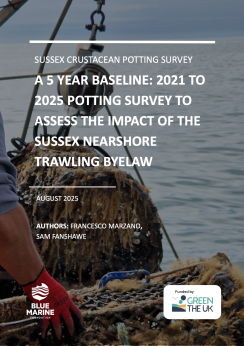
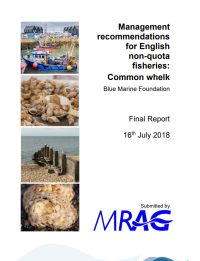
English non-quota fisheries are characterized by their diversity and flexibility, using a variety of fishing methods and gear types to target multiple species, often adjusting to seasonal changes or market demand. These fisheries, particularly inshore, are crucial for coastal communities and regional economies, yet they tend to receive less research focus compared to quota species. Many non-quota fisheries are regulated with fewer controls, relying on limited stock assessments. Fisheries management in England involves multiple levels of policy, including European regulations under the Common Fisheries Policy (CFP), national measures, and regional oversight by Inshore Fisheries and Conservation Authorities (IFCAs), which are responsible for conservation and sustainable resource management within their jurisdictions.
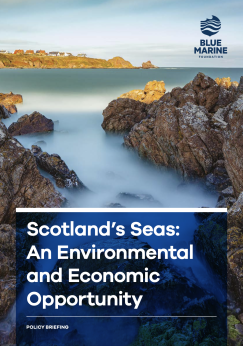

Scotland’s Seas: An Environmental and Economic Opportunity
Scotland’s seas are six times larger than our land area and among the most ecologically important in the world. They support internationally important marine wildlife, globally significant ecosystems and the coastal economies that depend upon them.
16 September 2026