This report examines the political, legal, and interpretive dimensions of the 1949 Act, focusing on its potential application to marine environments. Part I explores the growing importance of marine conservation and recreation in the decades leading up to the Act, highlighting the emergence of sea swimming and yachting clubs, which sought access to the nation’s “wilder” natural environments. It argues that the Act’s spirit was to facilitate public enjoyment and conservation across both inland and coastal areas, despite the dominance of inland-focused recreational groups in the legislative debates. Part II analyzes key provisions of the Act, particularly the definition of ‘land’ in section 114 and the objectives outlined in section 5 for conservation and recreation. The report emphasizes that ‘land’ includes waterways, supporting a broader interpretation that could extend to marine areas. It also discusses the powers to construct jetties for public access and examines overlapping designations like SSSIs, suggesting that their application to marine areas provides a precedent for National Marine Park designations.

Scotland’s Seas: An Environmental and Economic Opportunity
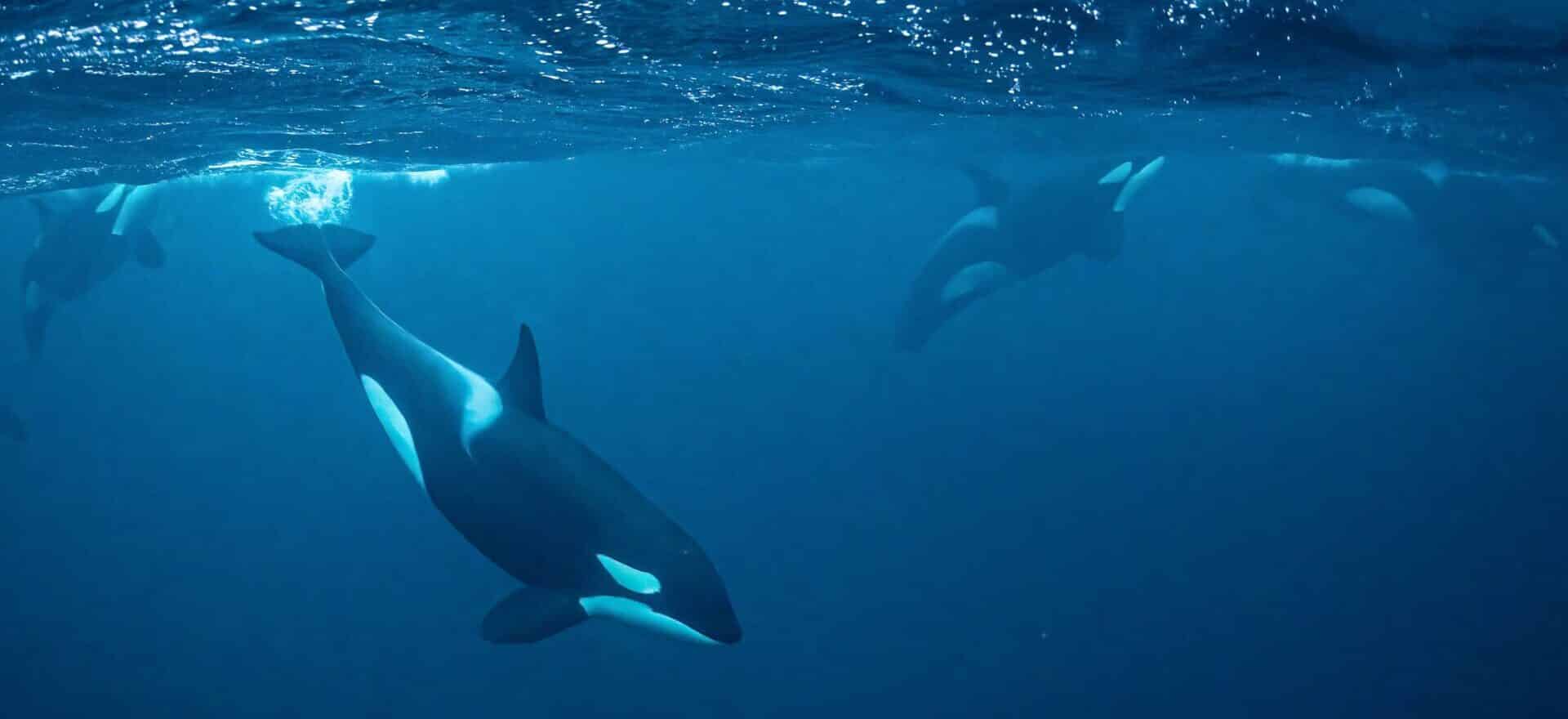
Scotland’s seas are six times larger than our land area and among the most ecologically important in the world. They support internationally important marine wildlife, globally significant ecosystems and the coastal economies that depend upon them.
16 September 2026