Science
A new fish species has been discovered in India, notable for its rare ability to live both underground and in surface waters within its cave habitat.
Dolphins’ signature whistles, previously thought to solely convey identity, may also transmit emotional information.
Harbor seals can sense which direction they’re swimming in murky water by watching how things move past their eyes and by using other senses like their sensitive whiskers.
Bird fossils in Alaska have been discovered, showing that birds nested in the Arctic 73 million years ago, far earlier than previously thought.
Scientists have developed an affordable sensor that rapidly detects algal blooms.
Fisheries
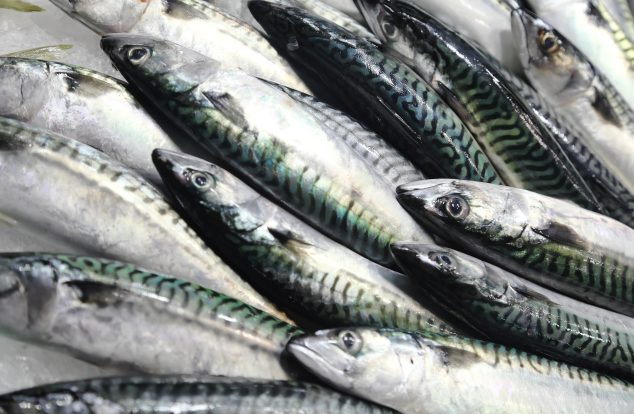
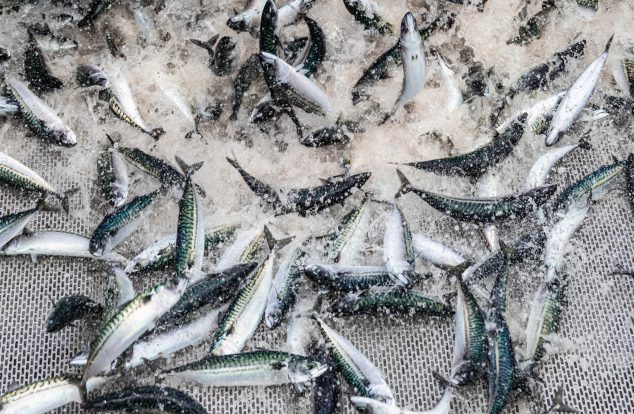
The Scottish Government today published a consultation on the recommended Total Allowable Catch (TAC) limit for herring in the Firth of Clyde for 2025, inviting responses until 20th June.
An unexpected surge in octopus numbers off England’s southwest coast, likely linked to a spring marine heatwave, has resulted in record catches. Meanwhile, a British fishing vessel was seized by French authorities for allegedly fishing without a licence in French waters, escalating political tensions.
EU sanctions on Russian whitefish exports are threatening trade stability.
ICES has recommended keeping a full ban on cod fishing in the eastern Baltic Sea for 2025 to allow the stock to recover, drawing criticism from Germany’s fishing industry.
Drifting fish aggregating devices, commonly used in tuna fishing, now cover over a third of the world’s oceans, causing harm to marine life and coastal communities.
UK Overseas Territories
China has voiced support for the UK’s decision to transfer sovereignty of the Chagos Islands to Mauritius, calling it a “massive achievement” for the island nation. However, many Chagossians have condemned the deal as a betrayal, shifting their support to Reform UK.
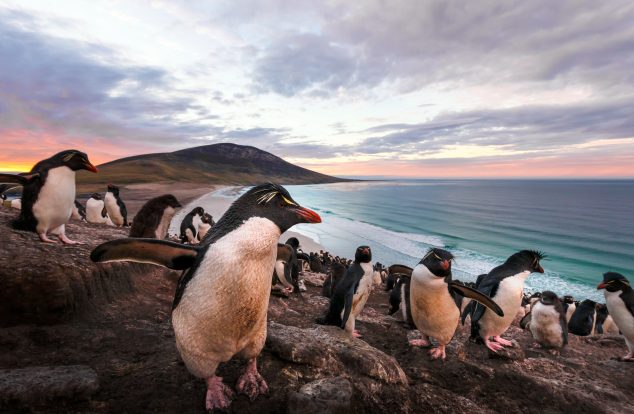
Argentina has renewed its claim over the Falkland Islands, drawing parallels to the UK’s Chagos Islands deal.
Marine Protection
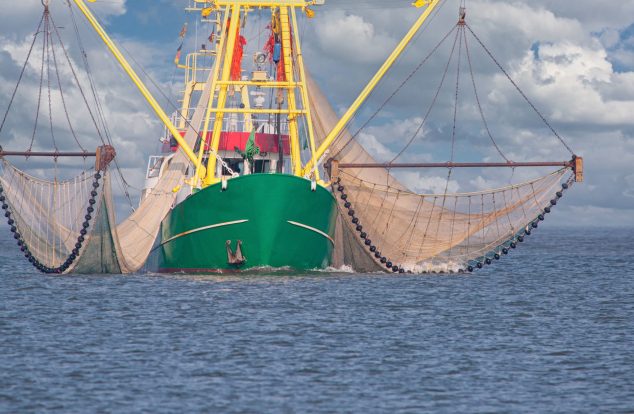
The Scottish government has been criticised for permitting destructive fishing practices in protected areas, labelling it a national scandal that ignores international obligations and undermines conservation efforts.
The petition to ban bottom trawling in UK Marine Protected Areas has reached over 13,000 signatures! If you haven’t signed it yet, add your voice here.
Authorities have seized nearly 5 million smuggled seahorses worth around CAD$29 million globally, but experts say this is only a small part of the illegal wildlife trade.
Conservation
A record 43,626 puffins have been counted on Skomer Island off the Pembrokeshire coast, marking a conservation success in the face of global population declines.
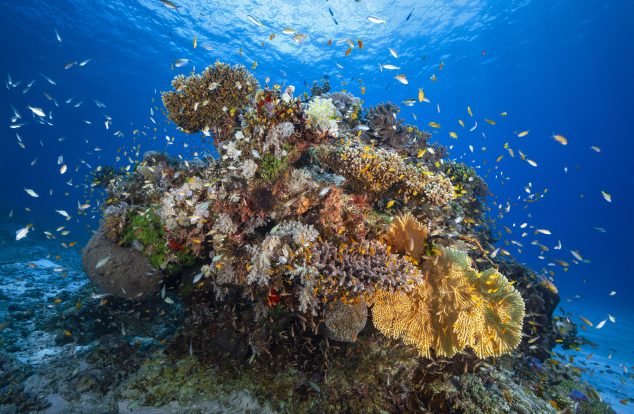
Scientists in Florida are tackling coral reef decline by planting more than 1,000 nursery-grown elkhorn corals to restore biodiversity and strengthen reef resilience. Overfishing in Hawaii has led to a surge in sea urchin numbers, threatening coral reefs that are already struggling from the impacts of climate change and pollution.
Scientists have documented a rare instance of tiger sharks and oceanic whitetip sharks feeding together peacefully on a decaying carcass off Hawaii’s Big Island.
The freshwater pearl mussel, one of the longest-living freshwater species, is critically endangered due to the loss of clean, pebbly rivers and its reliance on healthy brown trout and salmon populations for reproduction.
Concerns over the growing number of unregulated orca swimming tours in Baja California Sur, Mexico, have led to proposed regulations aimed at limiting boat numbers and ensuring the safety of both people and whales.
Climate Crisis
A report has revealed an 80 per cent chance that global temperatures will break heat records between 2025 and 2029, with a 70 per cent likelihood that the average will exceed 1.5°C, threatening climate goals. Meanwhile, the US pulls out of the Paris Agreement again, and the COP30 president warns of a new “economic denial” threat to climate action.
A glacier collapse in Switzerland buried much of a village in ice and mud, showing the increasing dangers of climate change as ice melts faster, worsened by more Arctic shipping from EU ports accelerating sea ice loss. Nearly 40 per cent of glaciers worldwide are already predicted to melt, with losses rising if temperatures climb further.
A study finds rising sea levels and extreme weather are pushing saltwater into freshwater areas in Bangladesh, threatening farming, water supplies, and livelihoods. In the past two decades, over 20 per cent of the world’s oceans have darkened, harming marine life and fisheries.
The UK’s saltmarshes, often called the “unsung heroes in nature’s fight against climate change”, have been mostly lost to agriculture; WWF is urging their formal inclusion in the UK’s carbon accounting to boost efforts to protect and restore them.
Deep-sea mining permit applications in Brazil have surged in recent years due to demand for minerals and global tensions, but legal loopholes and weak rules let companies operate without proper licensing, threatening marine life and coral reefs.
Misc
See this week’s wildlife photos.
“Today, we’re living in the greatest age of ocean discovery for many of us, the world beyond the beach is still dark, threatening, and dangerous, out of sight, and most certainly out of mind. It’s time to take the plunge to go beneath the waves. For once, you’ve truly seen the sea, you’ll never look at Earth in the same way again.”