The Presidents’ office of the Maldives today announced that they will continue to lead the world in sustainable tuna fisheries by deciding not to reopen longline fisheries. The announcement followed pressure from a coalition of local and international marine conservation NGOs and over 30,000 signatories of a petition, which called on the Maldivian government to support local one-by-one fishers and prevent the reopening of the destructive longline fishery. Today the coalition celebrates the Governments declaration to continue protecting the livelihoods of the local one by one tuna fishers and the unique marine biodiversity of the Maldives.
Bu choosing not to reopen longline fisheries, the Maldivian government is choosing to support a thriving marine environment which not only supports family and community life but ensures some of the Maldives’ most prized tourism assets, such as sharks, turtles, manta rays, and seabirds are not caught as bycatch, preventing economic loss from tourism, the Maldives’ main source of income.
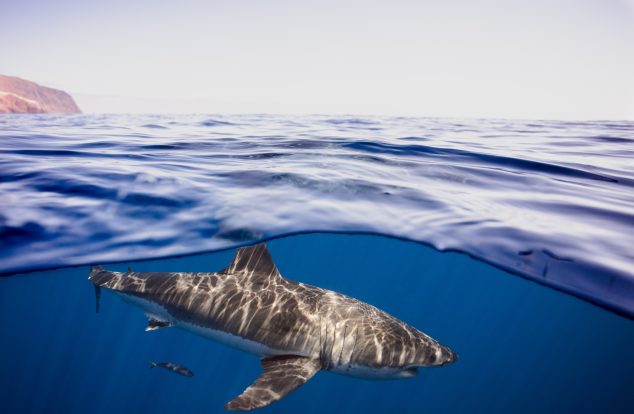
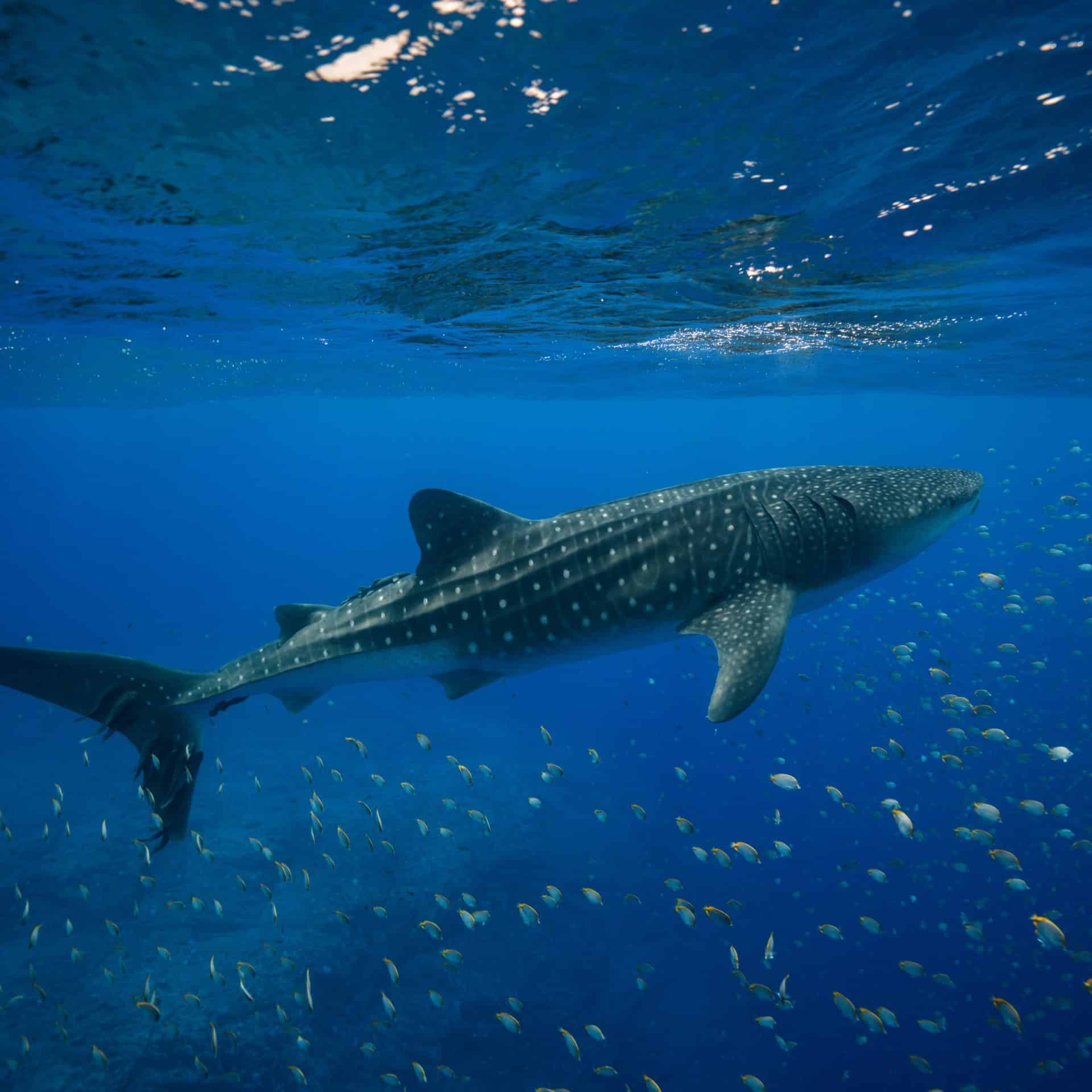
Globally, sharks have seen a decline of over 70 per cent in the past 50 years. The Maldives is one of only seventeen shark sanctuaries in the world, which is home to 29 globally threatened species of shark – crucial to fisheries, tourism and ocean health. Deciding not to reopen longline fisheries increases the survival of these vulnerable species, giving rise to hope for Maldivian shark populations.
“We commend the President’s efforts to protect the livelihoods of fishers and the tourism industry, as well as our marine biodiversity. For several decades, the Maldives has proudly led marine megafauna conservation efforts, and we are very relieved to continue providing a safe haven for these species. However, we must stay vigilant against external pressures that seek to exploit our sustainably managed marine life, particularly as populations decline in other regions. We also urge the international community to recognize our sustainable one-by-one tuna fisheries by reducing import taxes, ensuring the long-term sustainability of our fisheries.” – Shaha Hashim, from Maldives Resilient Reefs