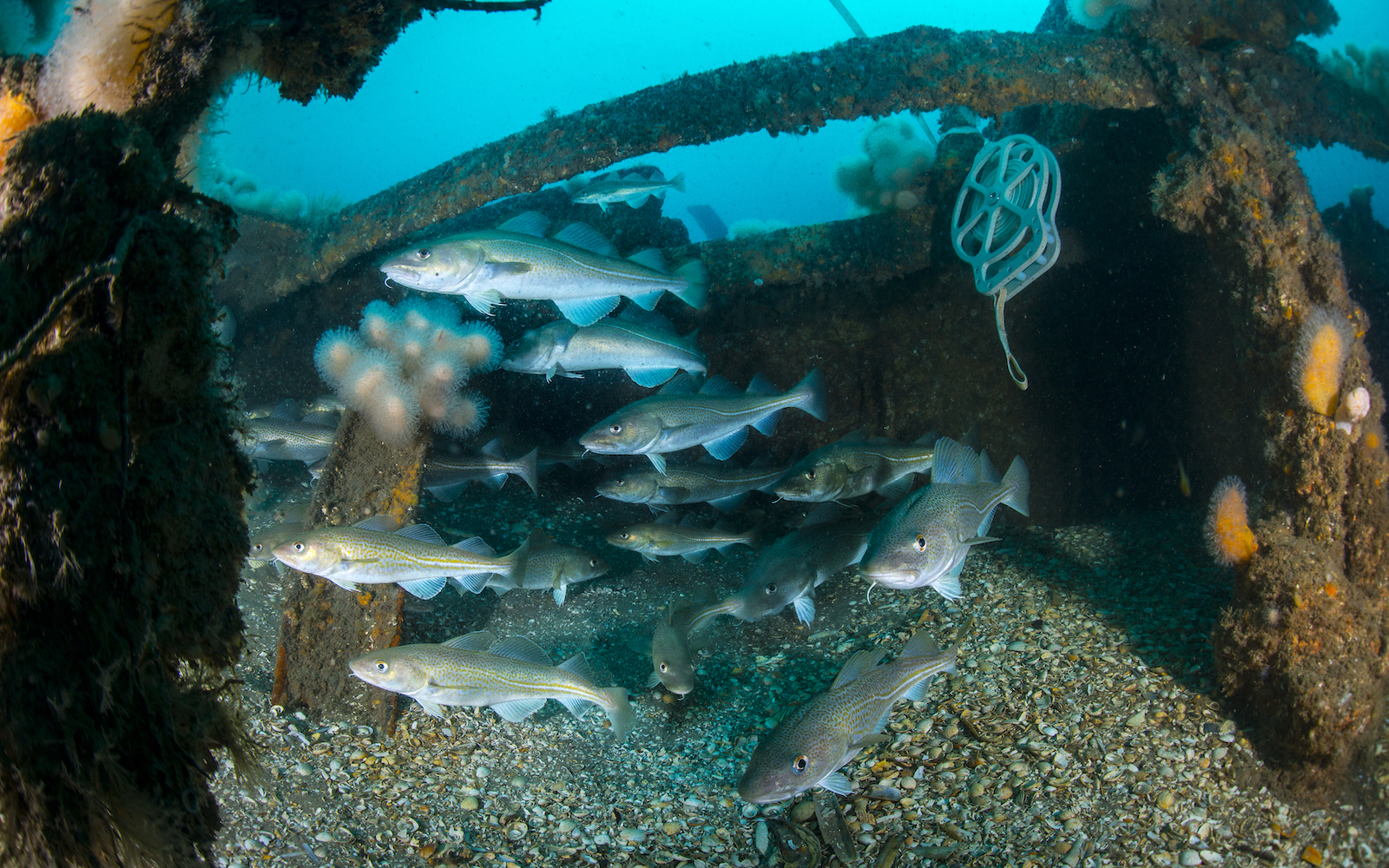

The latest advice from the International Council for the Exploration of the Sea (ICES) recommends that there should be no fishing of Northern Shelf cod in 2027, marking the second consecutive year that scientists have advised a zero catch for what was once one of the UK’s most abundant cod populations.
Northern Shelf cod, which inhabits waters across the North Sea, west of Scotland, the eastern English Channel and the Skagerrak, was once among the UK’s most valuable fisheries. Scientists have concluded that the stock remains in such a precarious state that any fishing would put its recovery at risk. The advice follows last year’s unprecedented recommendation for a complete closure after assessments showed the stock had collapsed. Yet despite these warnings, fishing continues.
The warning comes as three of the UK’s four cod stocks now receive zero-catch advice from scientists. Scientists only recommend a zero catch when a stock is in an exceptionally poor state. The fact that three UK cod stocks now fall into this category demonstrates the scale of mismanagement in UK fisheries.
The continued zero-catch advice reflects the consequences of decades of overfishing and repeated political decisions to set catch limits above scientific recommendations. In 2026, 58% of UK fishing opportunities were set above scientific advice, reversing years of gradual progress towards more sustainable fisheries management.
Northern Shelf cod is made up of three populations: Southern, Northwestern and Viking cod. Scientists remain particularly concerned about the Southern population, which has fallen below critical biological limits and is at risk of failing to produce enough young fish to sustain itself. Because these populations mix and are often caught together, ICES has concluded that continued fishing poses an unacceptable risk to recovery across the stock.
Cod in the southern region of the Northern Shelf has declined by 52% since 2016. Over the same period, Northwestern cod has declined by 53%, while Viking cod has fallen by 37%, according to ICES assessments.
ICES provides independent scientific advice on the maximum catches that would allow fish stocks to recover and be fished sustainably over the long term.
The decline of cod is already being felt far beyond the fishing industry. Fish and chip shops across the UK report rising fish prices, reduced availability of cod, greater reliance on imports and growing pressure on profit margins. The average price of takeaway fish and chips has risen sharply in recent years, increasing the cost of Britain’s most iconic meal while reducing the availability of domestically caught fish.
Despite being surrounded by productive seas, the cod served in many British fish and chip shops is increasingly sourced from overseas because there is so little cod left in UK waters.
The collapse of cod stocks highlights the wider economic consequences of failing to manage fisheries sustainably. Healthy fish populations support jobs, food security and thriving coastal communities. When stocks are depleted, everyone loses: fishers face declining catches, businesses face rising costs, and consumers face fewer affordable choices.
As Defra has recognised, nature and climate security are national security. A healthy ocean underpins both. By allowing fish populations to decline, we reduce the resilience of marine ecosystems to climate change and other pressures. A resilient ocean requires healthy fish populations.
Jonny Hughes, Fisheries Policy Lead at Blue Marine Foundation, said:
“A second consecutive year of zero-catch advice should be a wake-up call. Northern Shelf cod did not collapse overnight. It is the result of years of political decisions that repeatedly allowed catches to exceed scientific recommendations.”
“The choice facing governments is simple: continue with business as or prioritise recovering this iconic species. The future of our seas and our fishing communities depend on getting this right.”
“It is remarkable that we have access to some of the best fisheries science in the world, science that tells us exactly how to fish sustainably while securing the greatest long-term benefits for fishing communities, food security and the economy, yet we continue to disregard it.”
“At a time when the Government rightly recognises that the climate crisis is already affecting our lives, it must also recognise that resilience to these challenges depends on a healthy and resilient ocean. Healthy fish populations are a fundamental part of that.”