
In 2018, when Blue Marine began its campaign for increased protection of Jersey’s waters, more than 93 per cent of the island’s seabed was unprotected, with only 6.5 per cent designated as marine protected areas (MPAs). Yet its 2,455 sq km of ocean support more than 3,000 animal and plant species, in habitats ranging from kelp forest to seagrass and maerl beds. Jersey’s waters are also rich in sites of cultural, archaeological, and historical significance.
In 2021, we based a local team of two on the island, engaging with the fishing industry, educating local communities and children, partnering with government and local organisations, and leading local research to help inform better management.
Blue Marine’s snorkelling education programme reached 840 children in three years, more than 80 per cent of the island’s 31 primary-schools. Blue Education also launched ‘Jersey Ocean Observatory’, an online portal to the underwater world that provides resources for teachers and parents to lower barriers to marine science. To learn more about our Jersey Snorkel Trails, click here.
In March 2026, the Jersey parliament approved the Marine Spatial Plan for which Blue Marine had campaigned. Its network of MPAs will close 552 sq km of Jersey’s waters to dredging and trawling, allowing small-scale fishing to thrive with the environment.
Fishing is a core part of Jersey’s heritage, and many key commercial species rely on healthy habitats to feed, breed and thrive. The new MPAs will protect habitats, improve biodiversity and help to secure the long-term health of commercial fishery species. Low-impact fisheries such as potting, rod and line, netting and scallop diving will benefit from having safe spaces to operate. Perhaps most importantly, the protection of these habitats can also help to mitigate climate change.


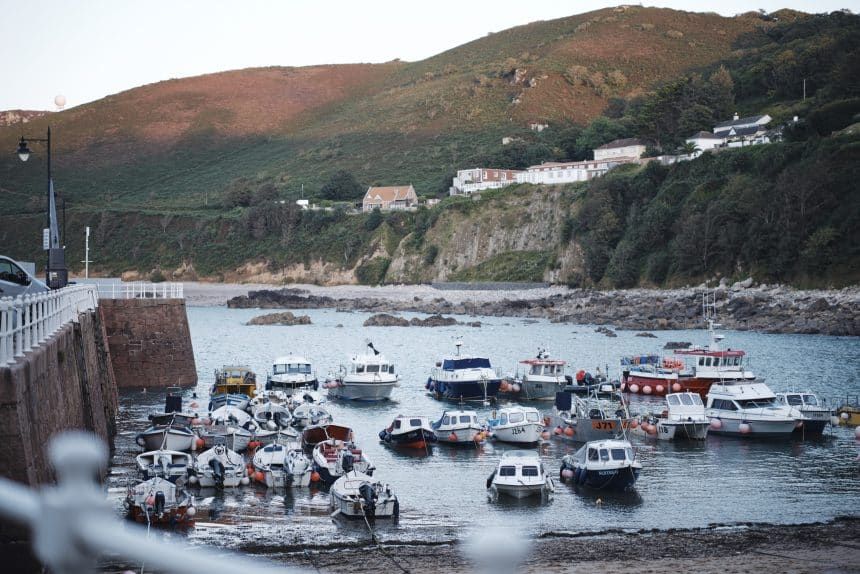
The Jersey Snorkel Trail


Filter by:
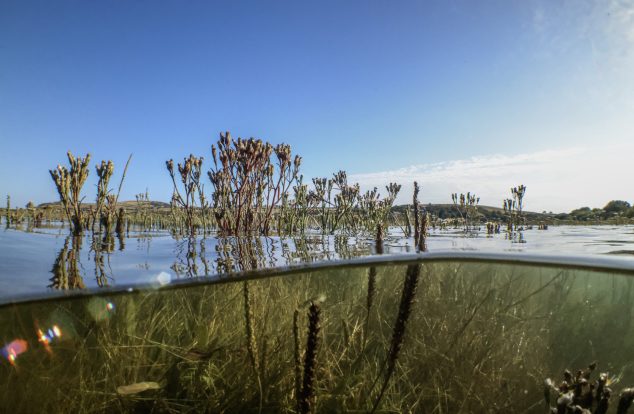
Jersey’s new marine protected area plan could be good news for divers, as the network will protect some of the island’s richest biodiversity from damaging fishing methods.
29 March 2026
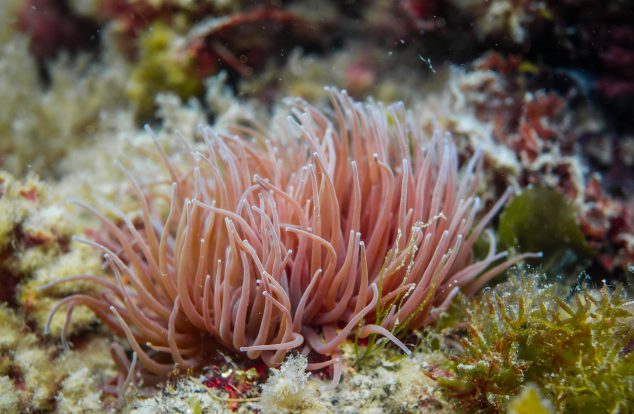
BBC Radio Jersey interviewed Blue Marine Foundation on the expansion of Jersey’s marine protected area network.
13 March 2026

Jersey has approved one of the most ambitious marine protection plans in the British Isles, nearly quadrupling the area of its seas protected from damaging fishing practices.
12 March 2026

10 June 2022

Jersey is at a crossroads in determining the future health and productivity of its seas. Real, large–scale and meaningful marine protection can be achieved through the Jersey Marine Spatial Plan, creating benefits for everyone.
19 December 2023

Les Sauvages, a biodiverse reef at the edge of Jersey’s waters, hosts rare and endangered species. Recent surveys show its biodiversity is significantly higher than in other protected areas. Despite its importance, it remains unprotected and vulnerable to fishing. The report urges immediate protection and inclusion in Jersey’s Marine Spatial Plan to preserve its critical habitats.
17 September 2023
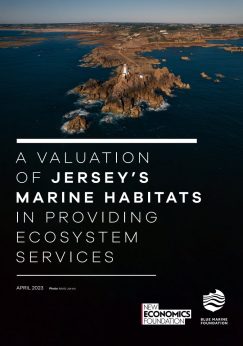
With global targets to protect 30 per cent of the ocean by 2030 (a target Jersey is a signatory to via the UK), the MSP provides a unique opportunity to secure significant protection of Jersey’s marine environment.
23 April 2023
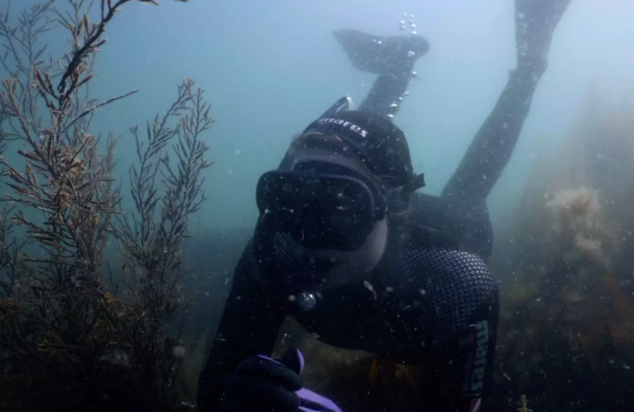
Snorkel Portelet is made up of three components, the trail itself, an education programme and a citizen science portal.
28 May 2022
Sorry no results.

The Solent Seascape Project aims to recover a dynamic network of habitats, where ocean meets coastline, as the first project of its kind in the UK.

Greece is transforming its conservation status with a commitment to protect 32 per cent of its waters by 2030. Blue Marine supports ocean protection here across ten different projects.
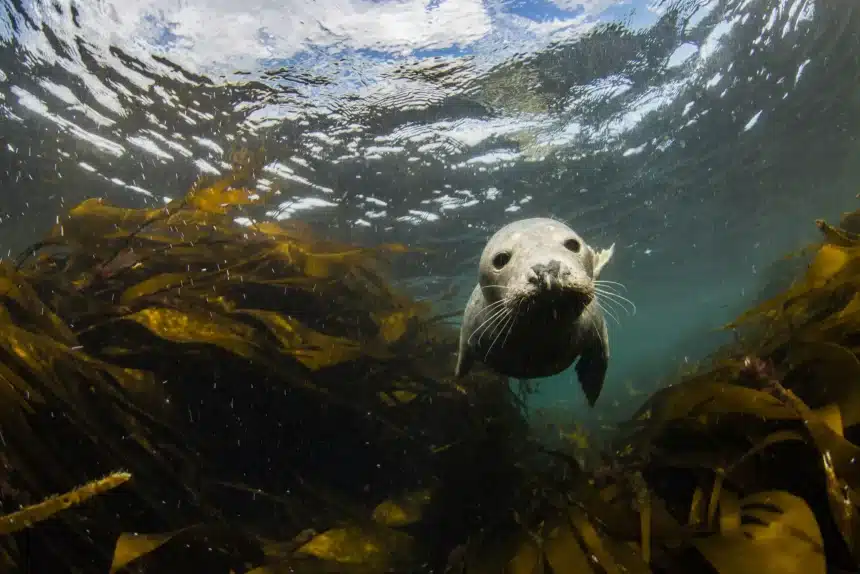
Over 96 per cent of highly productive and biodiverse kelp beds have been lost along the Sussex coast in the past 40 years. Protected by a trawling ban that Blue Marine and partners helped secure, research shows how marine life is bouncing back.
We respect your privacy. By subscribing to our email list, you agree to our Terms & Conditions.
We respect your privacy. By subscribing to our email list, you agree to our Terms & Conditions.