Project

Indian Ocean

Aquaculture and sustainable fishing in Mozambique

On the eastern coast of Africa, we are working with partners to help designate a marine protected area, eliminate net fishing, and empower local women to cultivate mussels.

Blue Science

Sustainable fisheries

Overfishing

The challenge

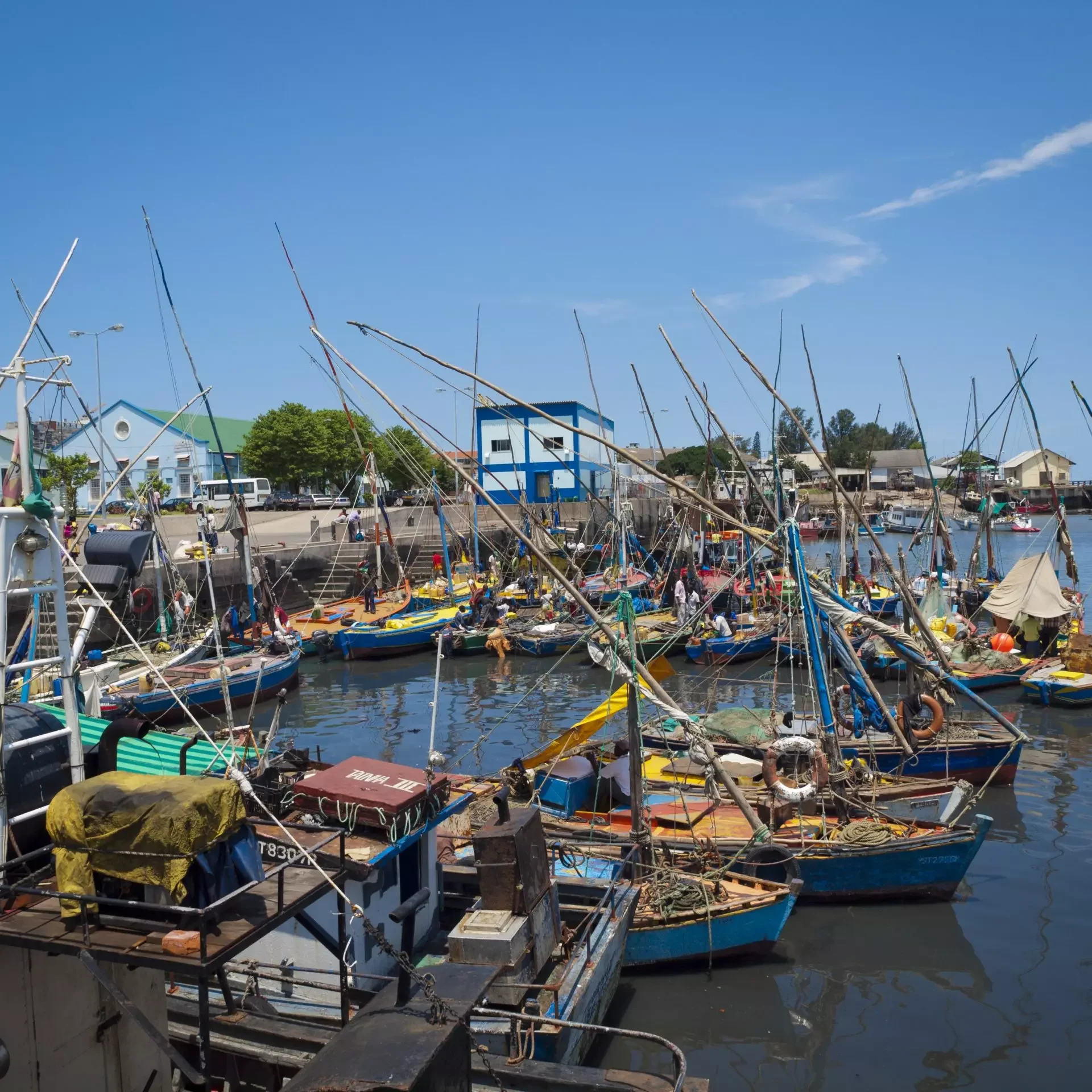
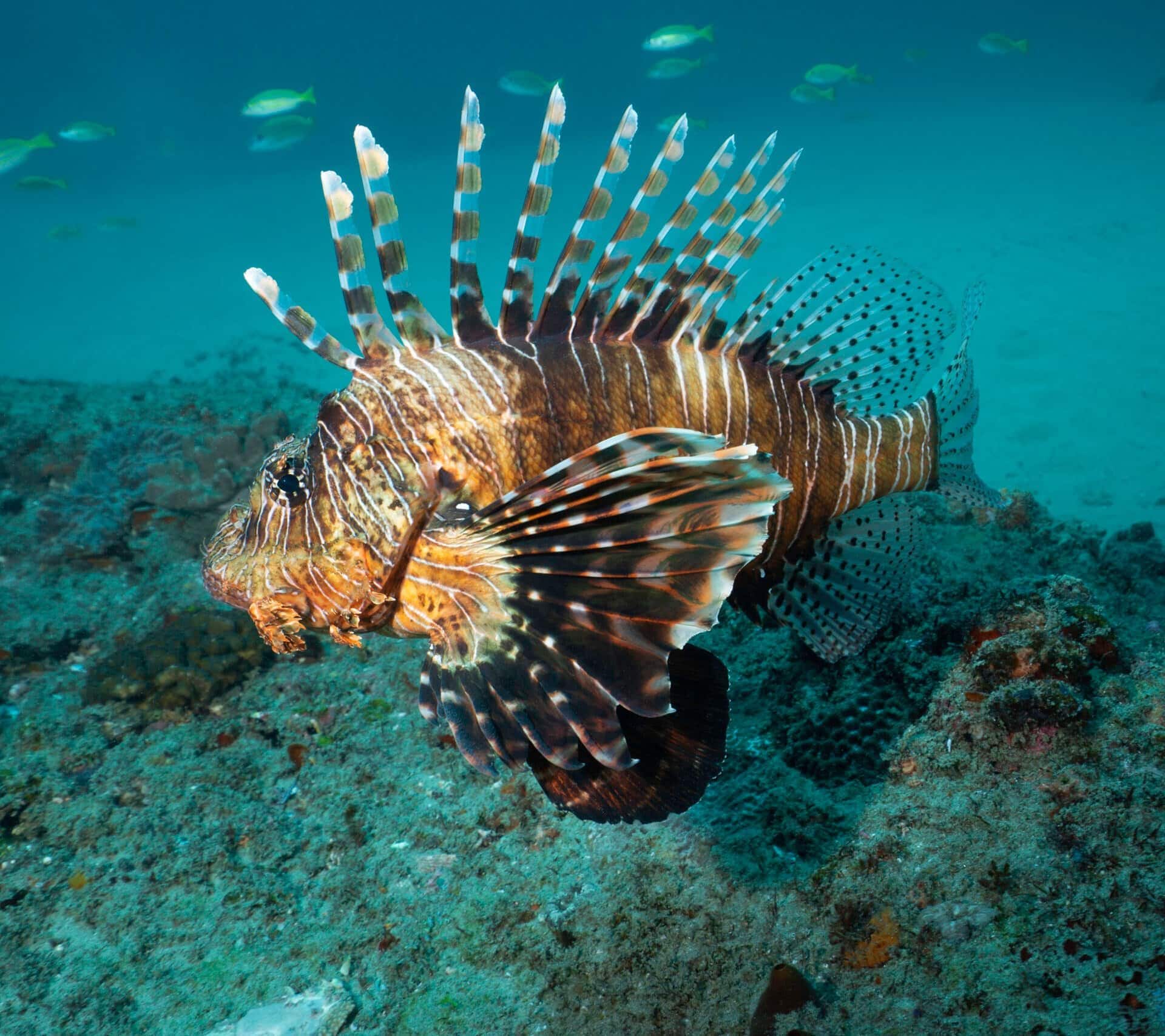
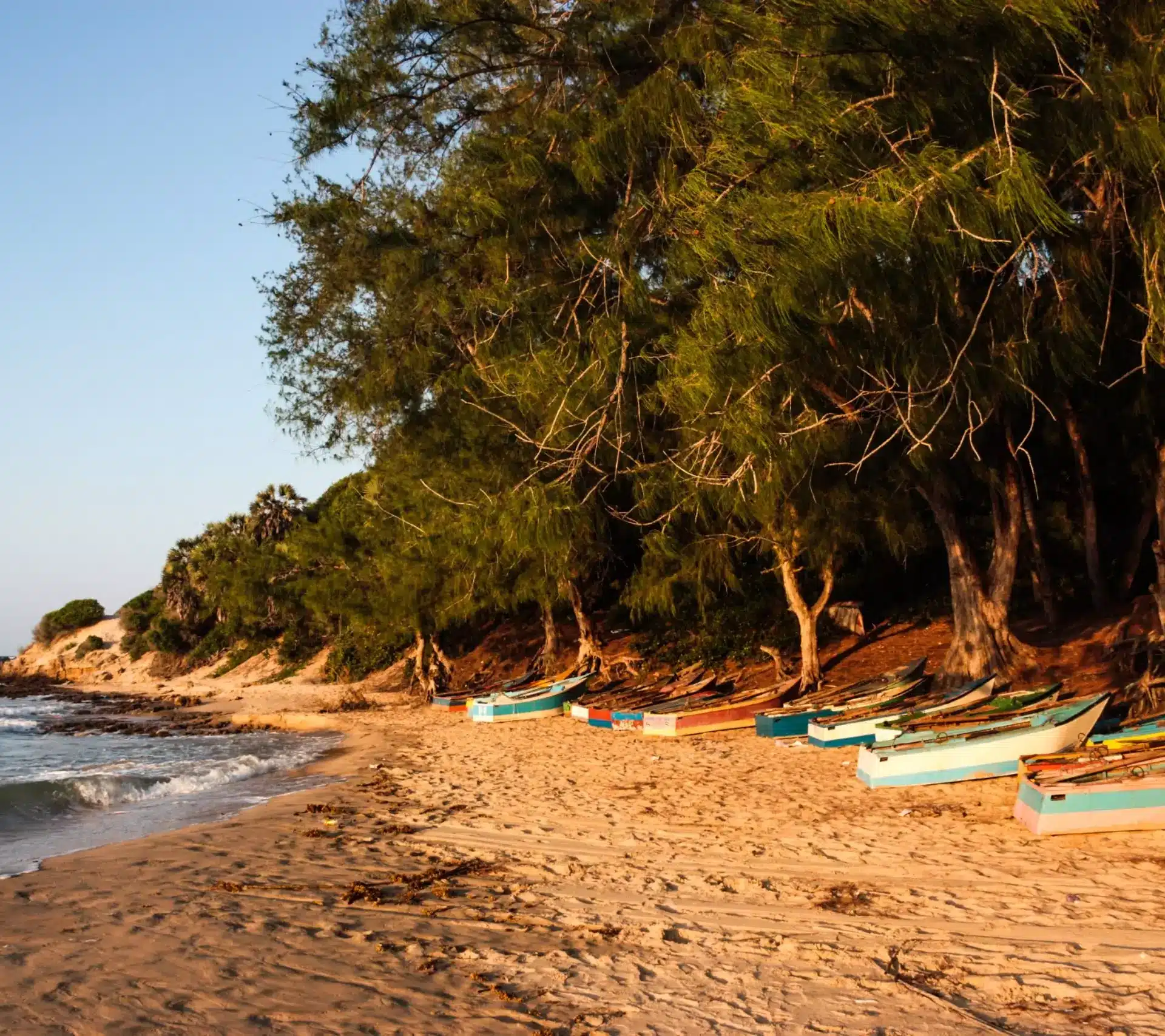
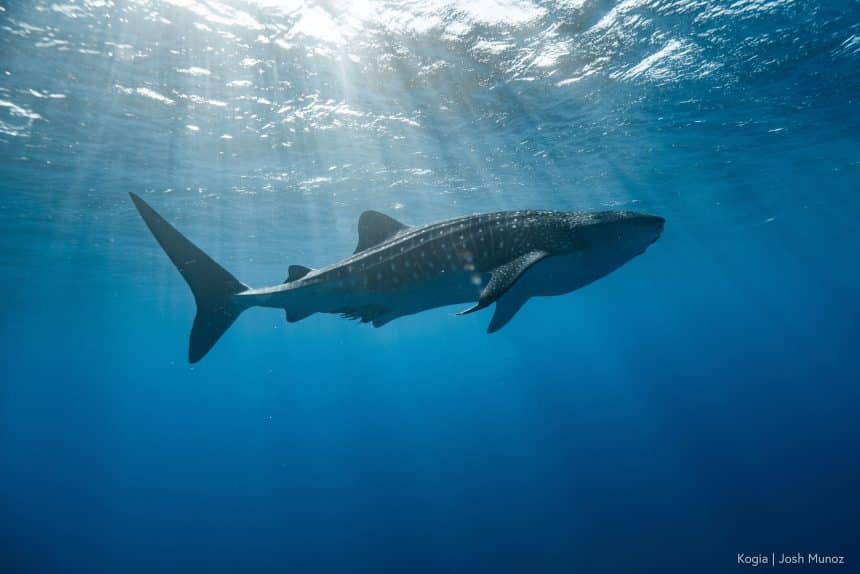
Jangamo Bay in the south of Mozambique is home to many species of sharks, rays and humpback whales – but it has never been studied in depth over a prolonged period. There is limited management of damaging practices and fishing in the area, and there are few opportunities for women.


Our strategy

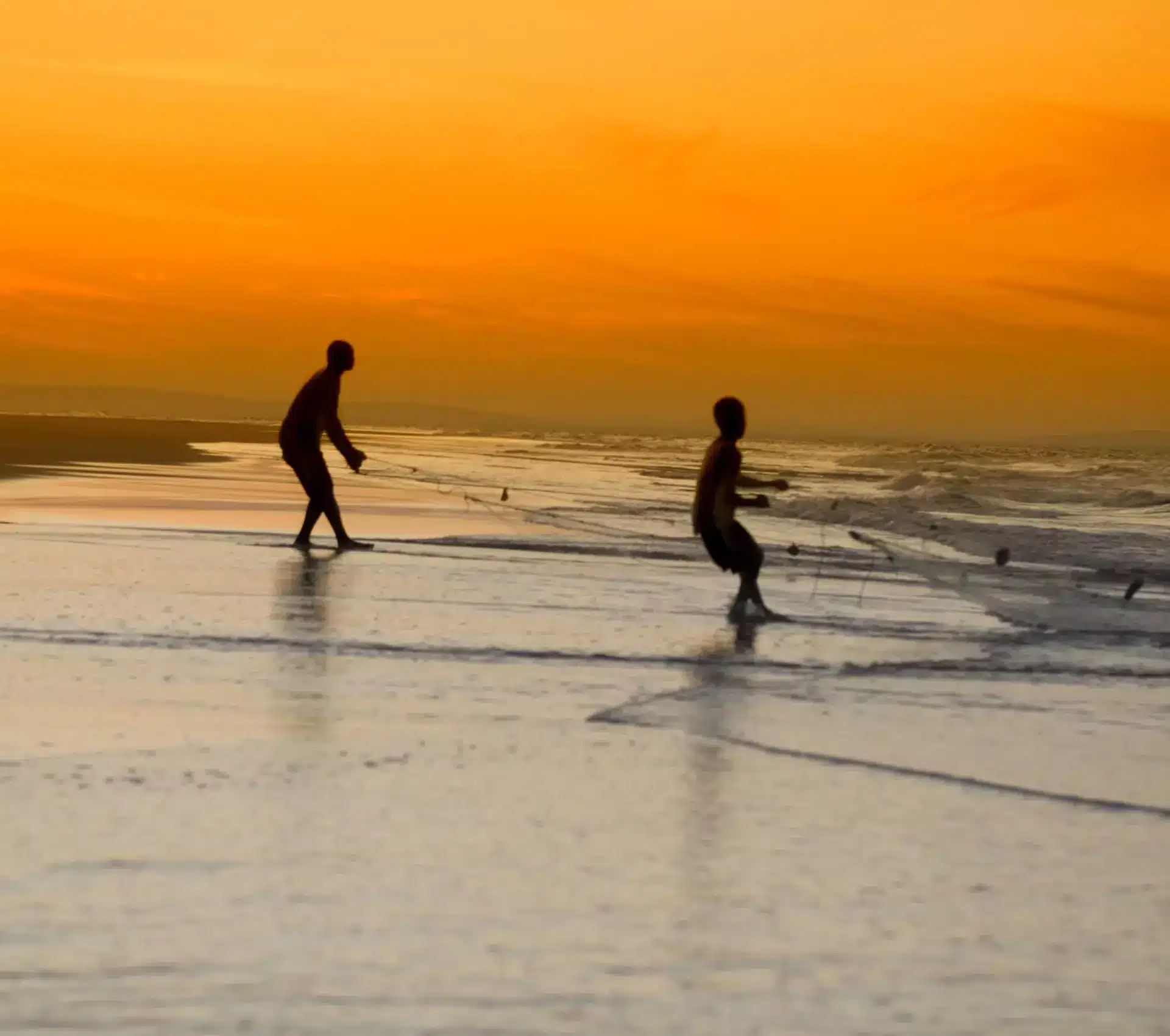
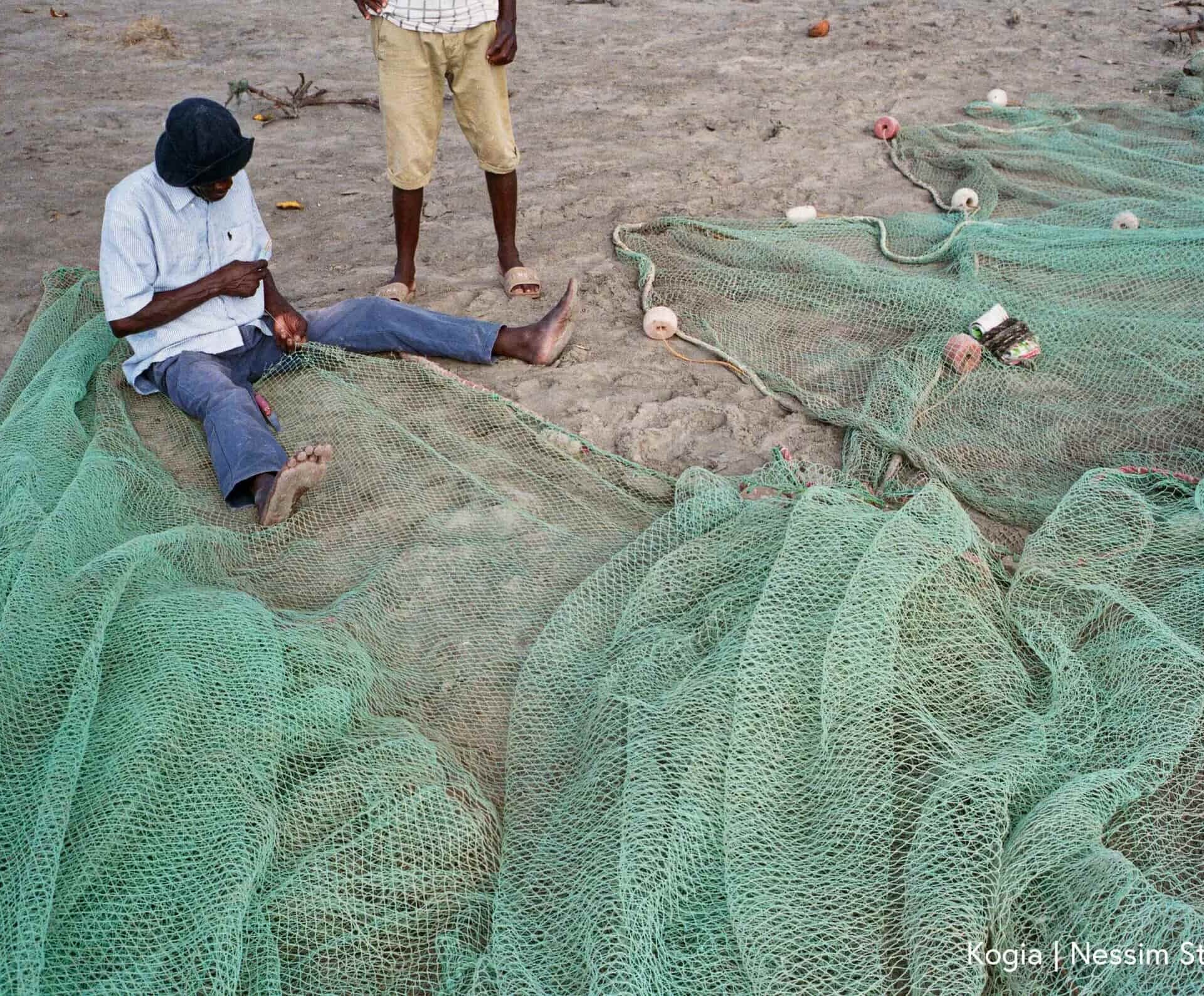
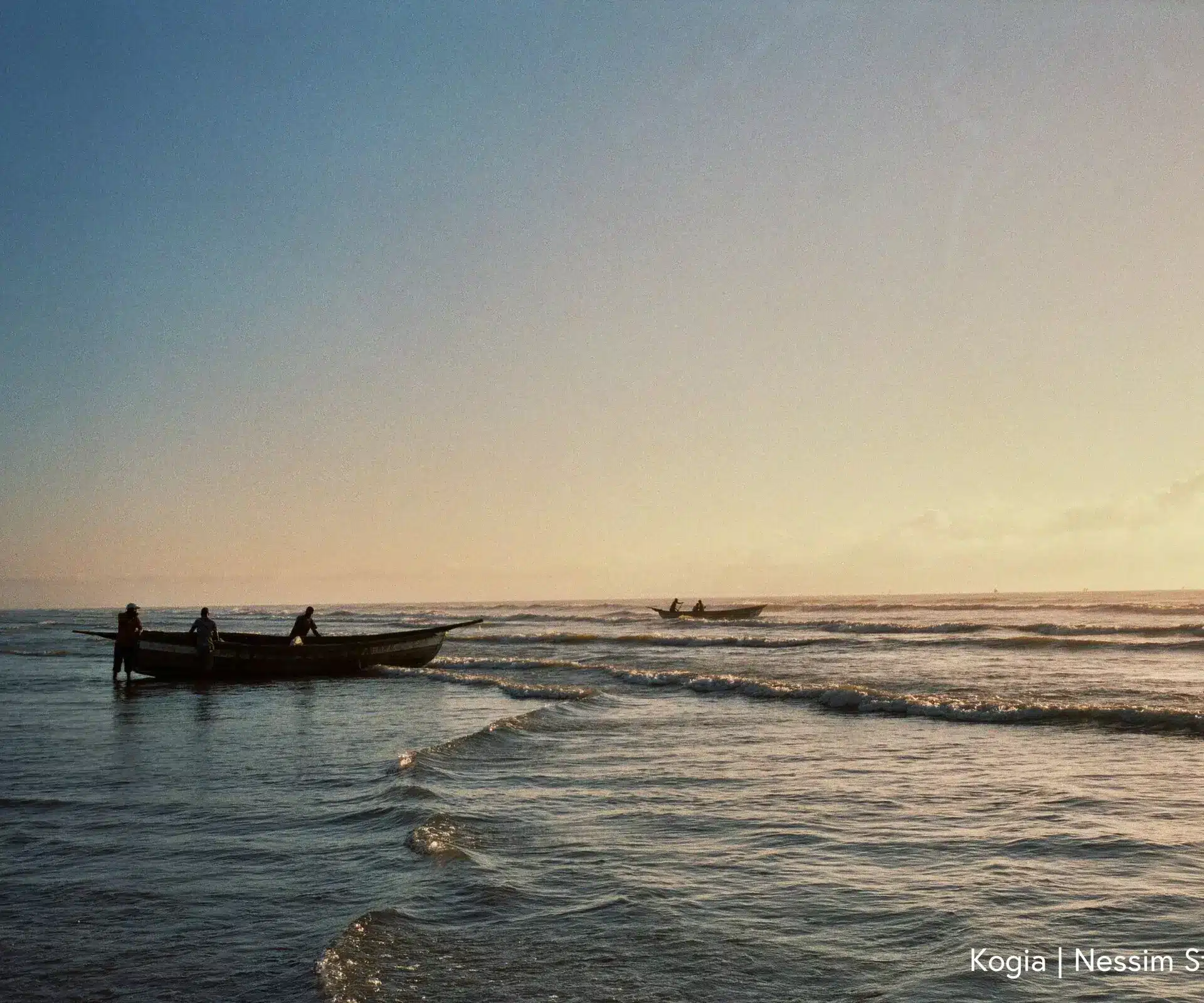
Blue Marine supports Love The Oceans (LTO) to monitor meso- and apex predators to better understand the productivity and resilience of the marine ecosystem. Data from this first long-term underwater video study of Jangamo Bay will inform legislative change and the potential designation of a marine protected area (MPA). Blue Marine provides technical expertise for LTO’s work on aquaculture. We also support LTO’s work with local communities to eliminate net fishing in the proposed MPA by providing fishers with kayaks, equipment and the knowledge they need to move away from damaging techniques.


Our impact

  • Scoping visit from a Blue Marine team completed in 2024
  • LTO secured a memorandum of understanding with the Mozambican government to allow the installation of aquaculture equipment
  • LTO completed trials on the growth and survival rates of mussels, and tested the feasibility of on-growing them
  • 12 elasmobranch species and nine mesopredators identified, providing evidence for the case for protection
  • Media assets produced in local dialect to discourage net fishing, and advocating for better prices with lodge-owners and tourists  
  • 2024 Gender Just Climate Solutions award given to LTO at COP29 for their gender equity work, including the Jangamo project

Work in the field

With no women involved in the marine space in Jangamo – be it fishing, ecotourism or swimming – we are addressing gender equity through aquaculture. LTO’s gender equity project aims to empower women economically by establishing a series of female-led micro-businesses, including a scheme to grow mussels that will increase food security and provide extra household income.

LTO continues to expand women’s swimming and literacy programmes, helping participants engage more fully with marine resource management and business opportunities. LTO also leads experimental monitoring of the aquaculture systems to establish suitable and sustainable techniques to scale up the programme. 
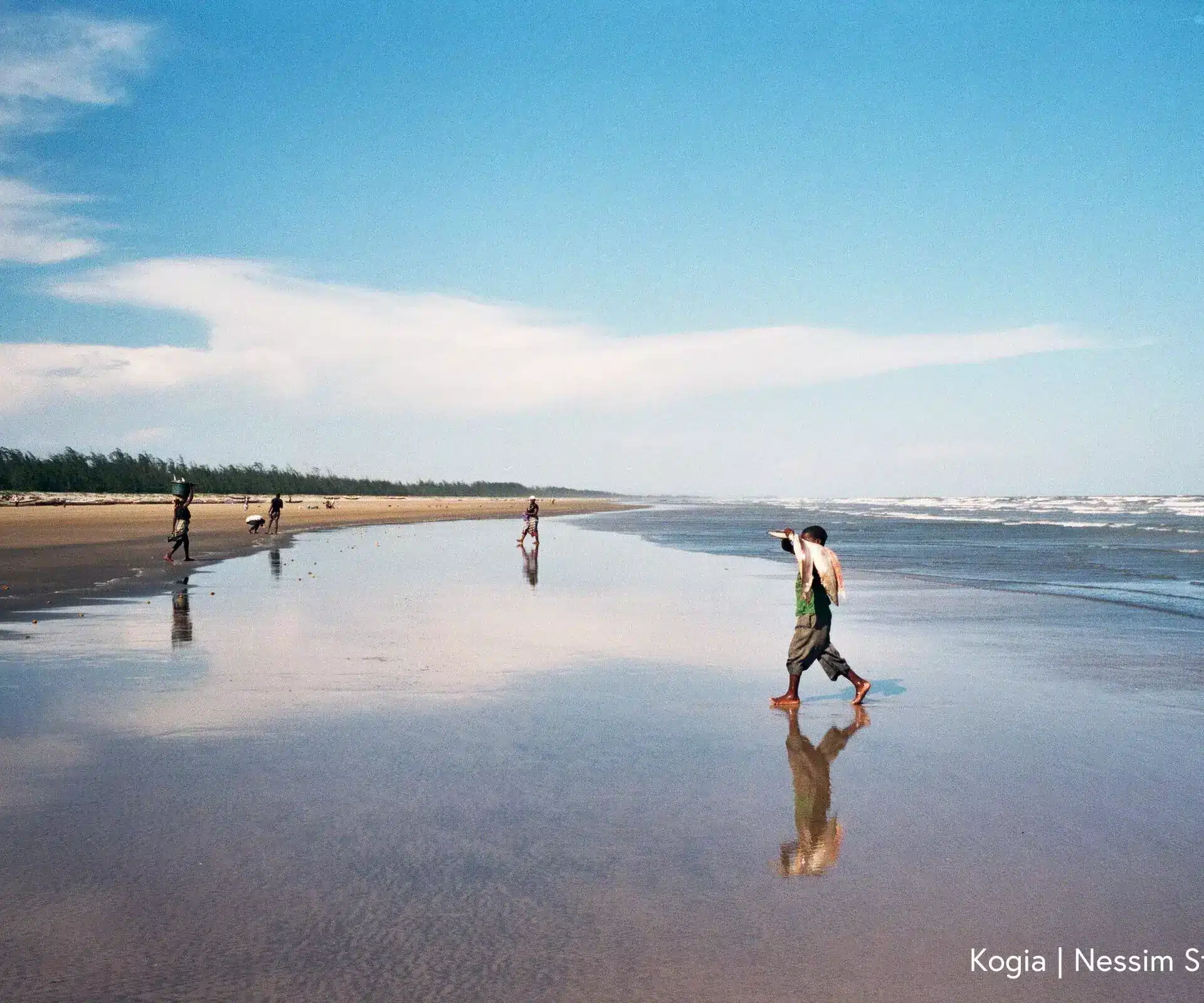
Photos by: Nessim Stevenson, Kogia and iStock

Stay connected

We respect your privacy. By subscribing to our email list, you agree to our Terms & Conditions.

This field is for validation purposes and should be left unchanged.

Stay connected

We respect your privacy. By subscribing to our email list, you agree to our Terms & Conditions.

This field is for validation purposes and should be left unchanged.