The challenge
The role of mangroves, seagrass and saltmarsh ecosystems to sequester and store carbon is increasingly recognised. But there is limited understanding of the dynamics of the carbon cycle across the global continental shelves.
The role of mangroves, seagrass and saltmarsh ecosystems to sequester and store carbon is increasingly recognised. But there is limited understanding of the dynamics of the carbon cycle across the global continental shelves.
Our scientists have used historical data, eDNA analyses and modelling techniques to discover where seabed carbon comes from. We’ve mapped changes in ocean currents over the past 20,000 years to predict carbon hotspots on continental shelves, and completed the first full carbon budget model of the Patagonian shelf to help researchers understand the carbon exchange between the atmosphere, land, and ocean on continental shelves.
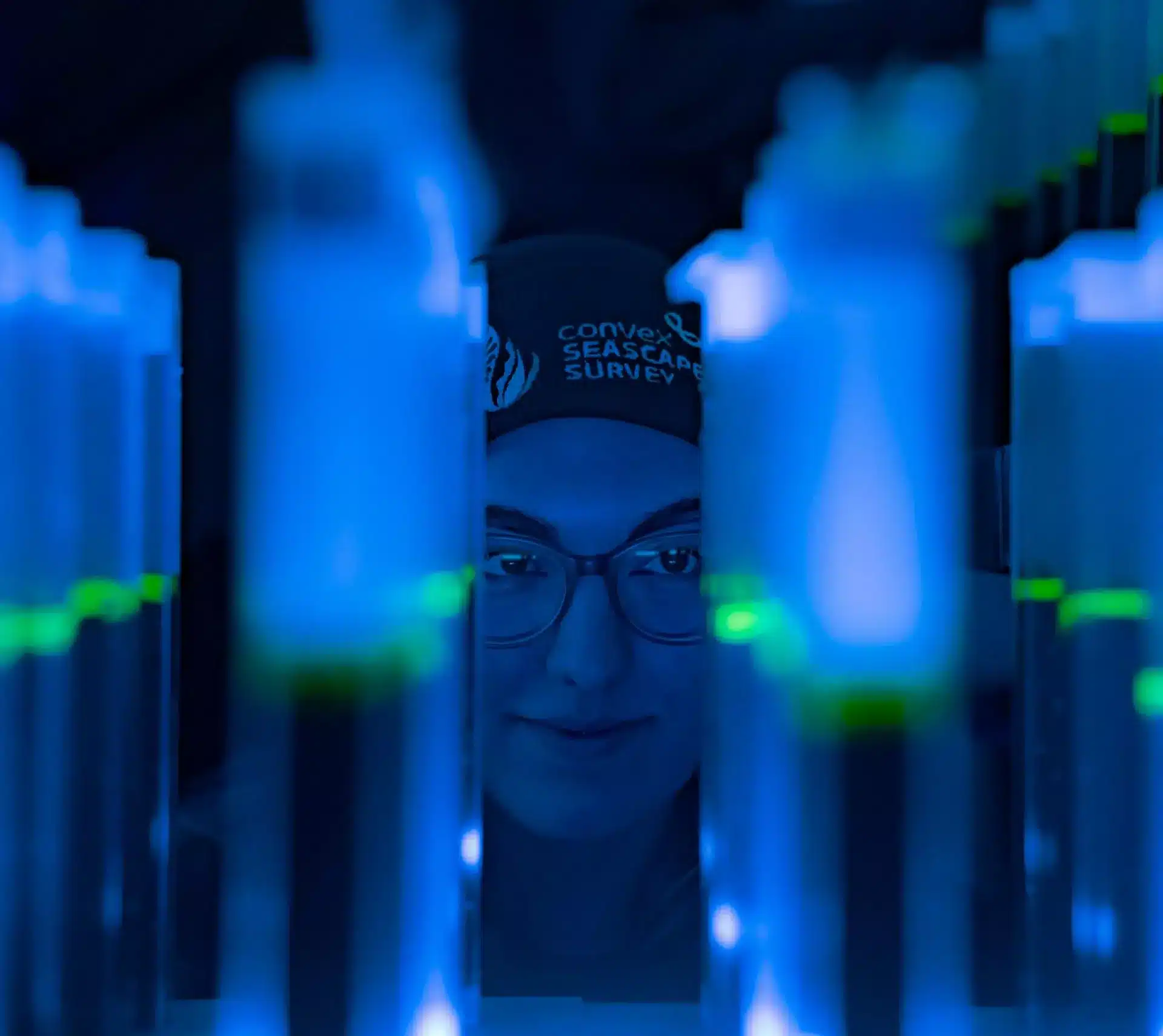
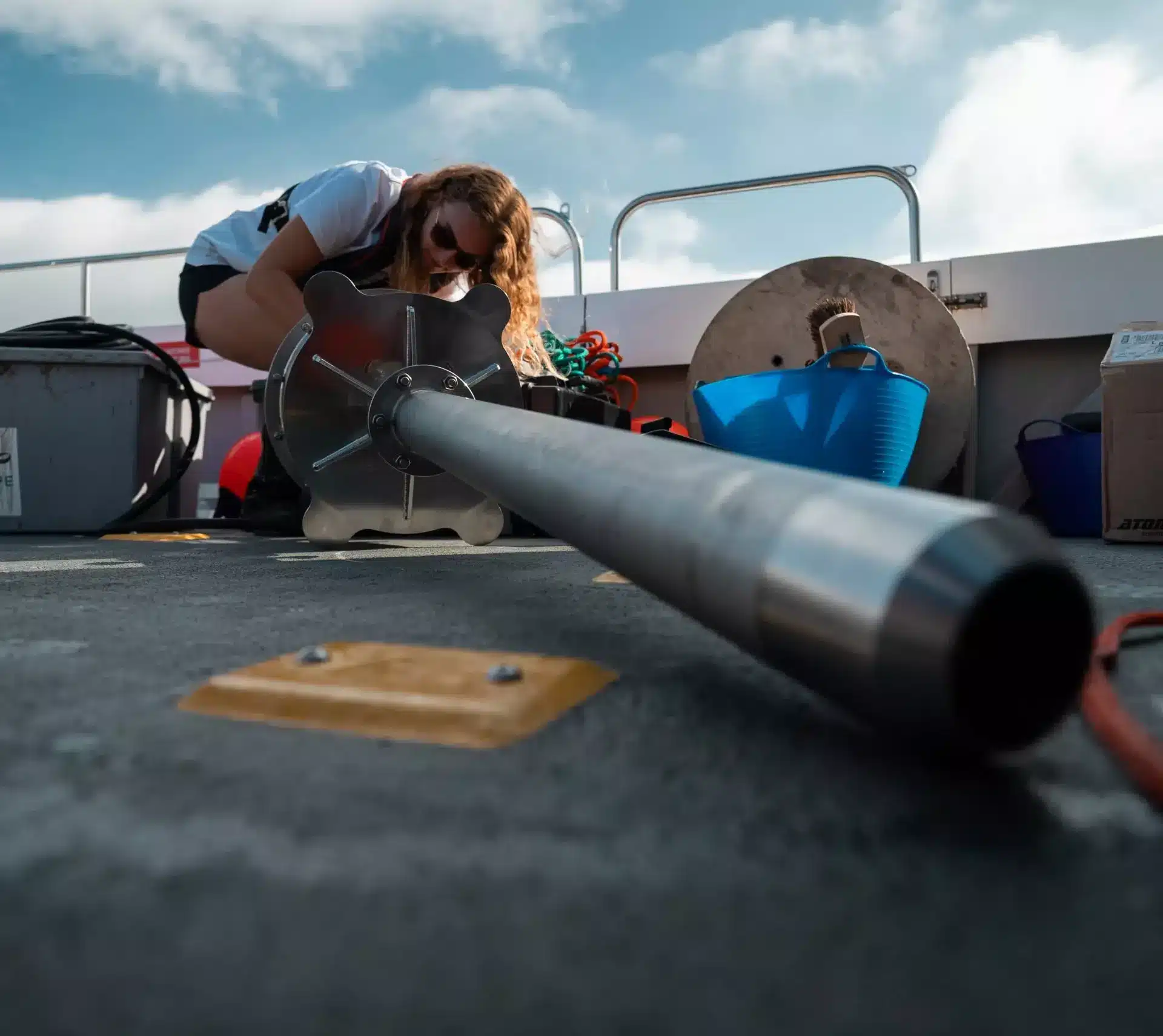
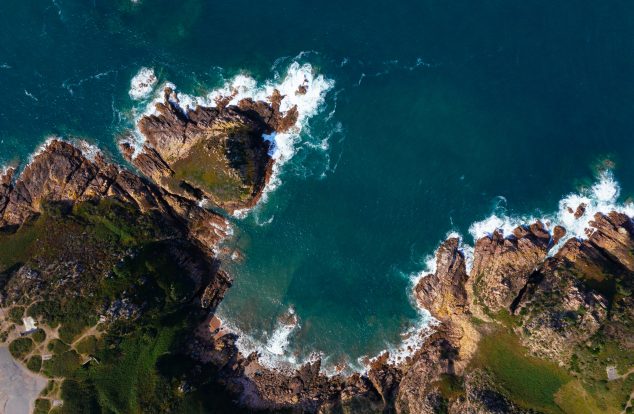
Elsewhere, a fieldwork team in Jersey processed more than sixty seafloor core samples in a pop-up quayside laboratory to discover the composition of carbon in the seabed.
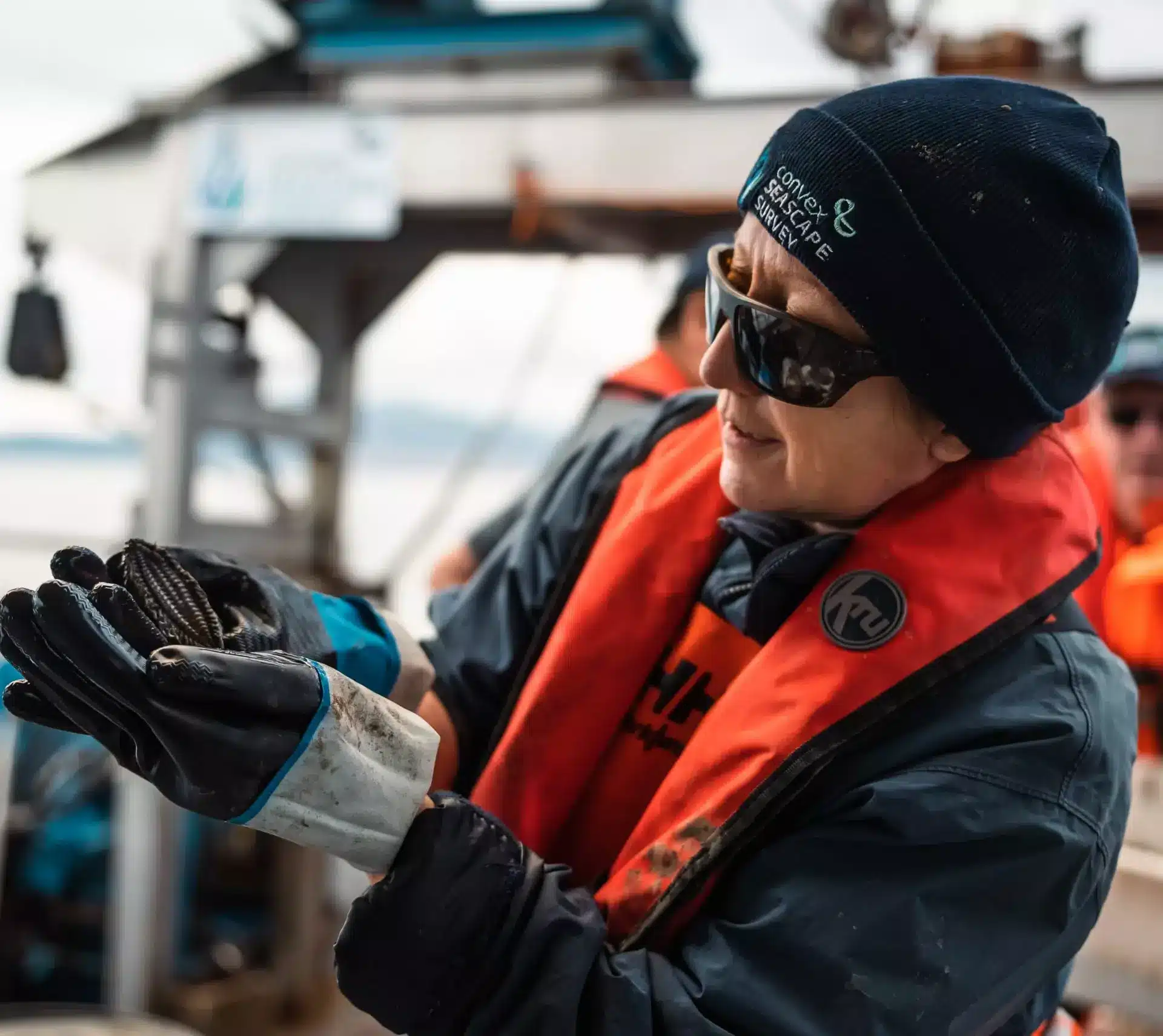
Our intrepid colleagues battled strong weather and tides to gather comparative data from protected vs unprotected seabed in Jersey and New Zealand’s Hauraki Gulf. This data helps us to understand how activities like trawling affect biodiversity and carbon stores, and how quickly these ecosystems recover from disturbance. We’ll be comparing the findings to previous data from Arran and will replicate this study at other sites in 2025.
The Survey has been developed in partnership by Blue Marine, University of Exeter, and Convex Group Ltd. It will deliver new, reliable, open-source data on continental-shelf carbon to educate, inspire, and enable informed decisions on ocean use. Around 100 experts from more than 20 institutions are collaborating to identify sediment carbon stores, understand how they form and how secure they are, and investigate how quickly they can recover from disturbance.
Filter by:
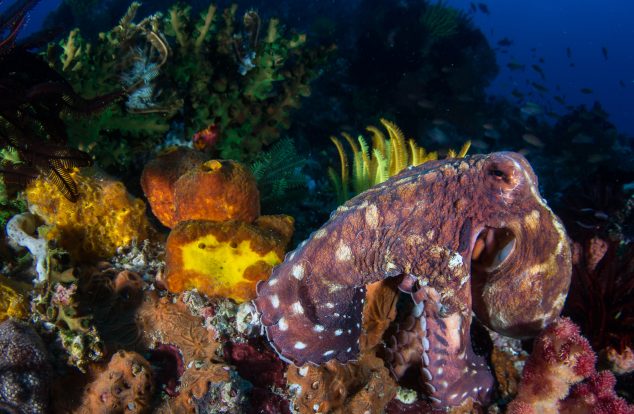
Researchers from the Convex Seascape Survey have found that the strength and direction of prevailing winds play a critical role in how the seas surrounding continental shelves absorb and store carbon.
24 October 2025

The first ever study of Arran’s seafloor carbon, explores the link between the ocean and climate change? This film follows Convex Seascape Project in its research to discover whether the protective measures in the waters around the Isle of Arran benefit marine life and whether they also help increase the amount of carbon locked away in the seabed.
24 June 2024
10 January 2025
Sorry no results.
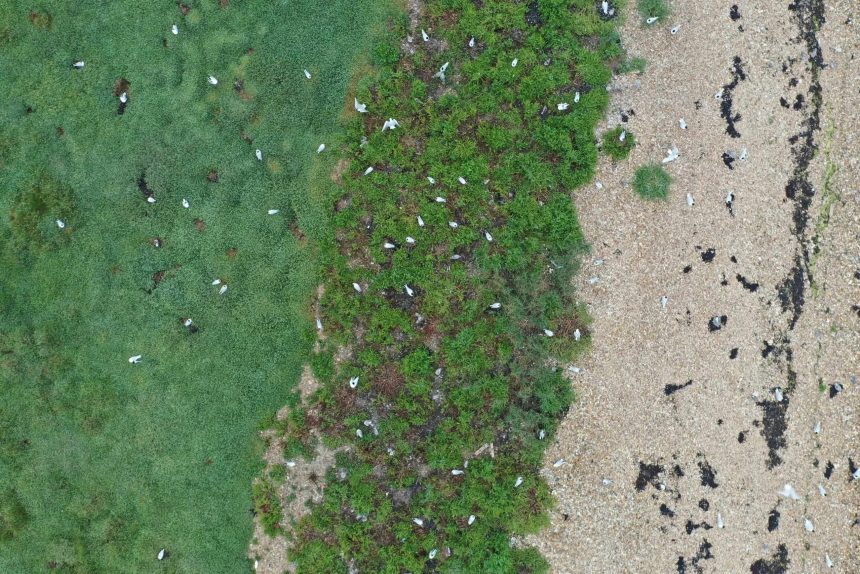
The Solent Seascape Project aims to recover a dynamic network of habitats, where ocean meets coastline, as the first project of its kind in the UK.
We respect your privacy. By subscribing to our email list, you agree to our Terms & Conditions.
We respect your privacy. By subscribing to our email list, you agree to our Terms & Conditions.