The challenge
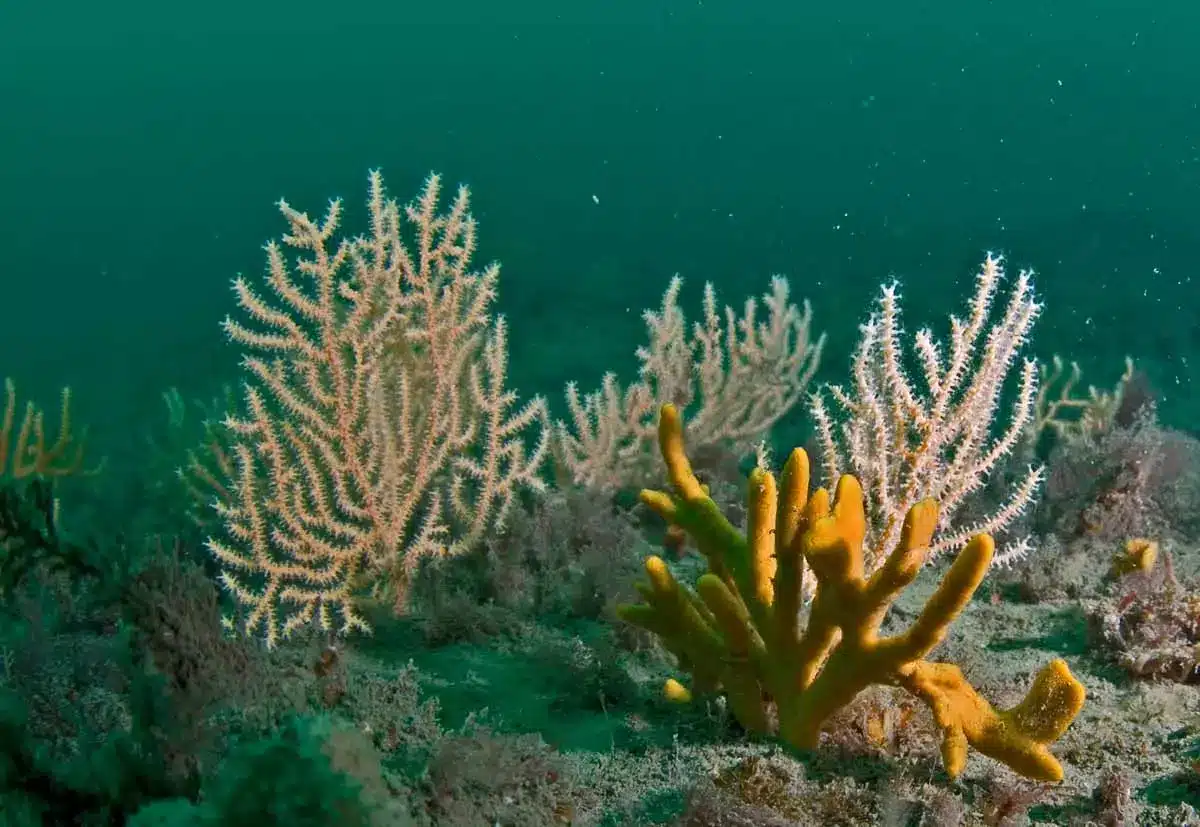
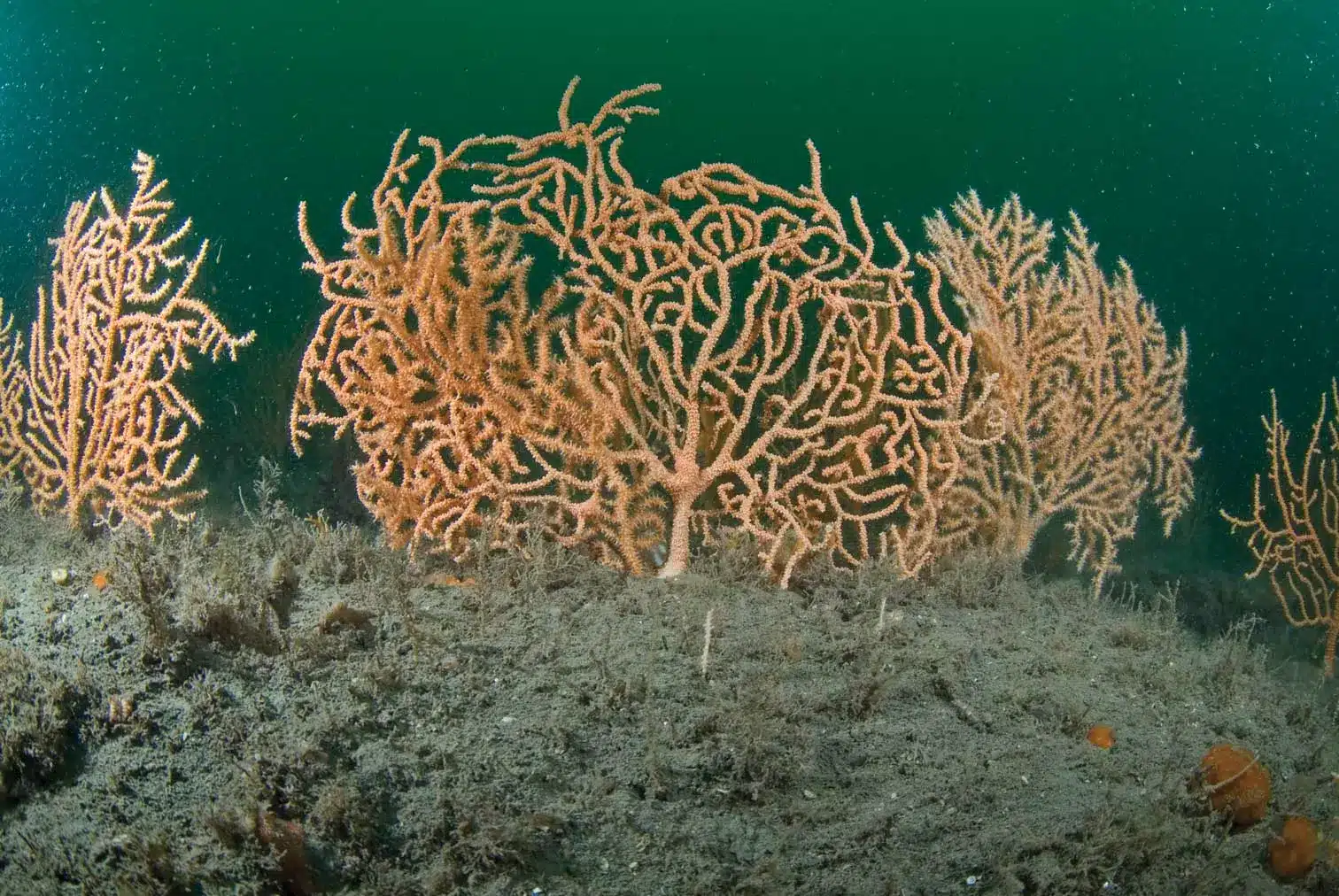
Protecting more than 200 sq km of the English Channel from dredging and trawling, preserving the area’s rocky reefs and the UK’s largest colony of pink sea fans, while supporting small-scale static gear fishing.
Protecting more than 200 sq km of the English Channel from dredging and trawling, preserving the area’s rocky reefs and the UK’s largest colony of pink sea fans, while supporting small-scale static gear fishing.
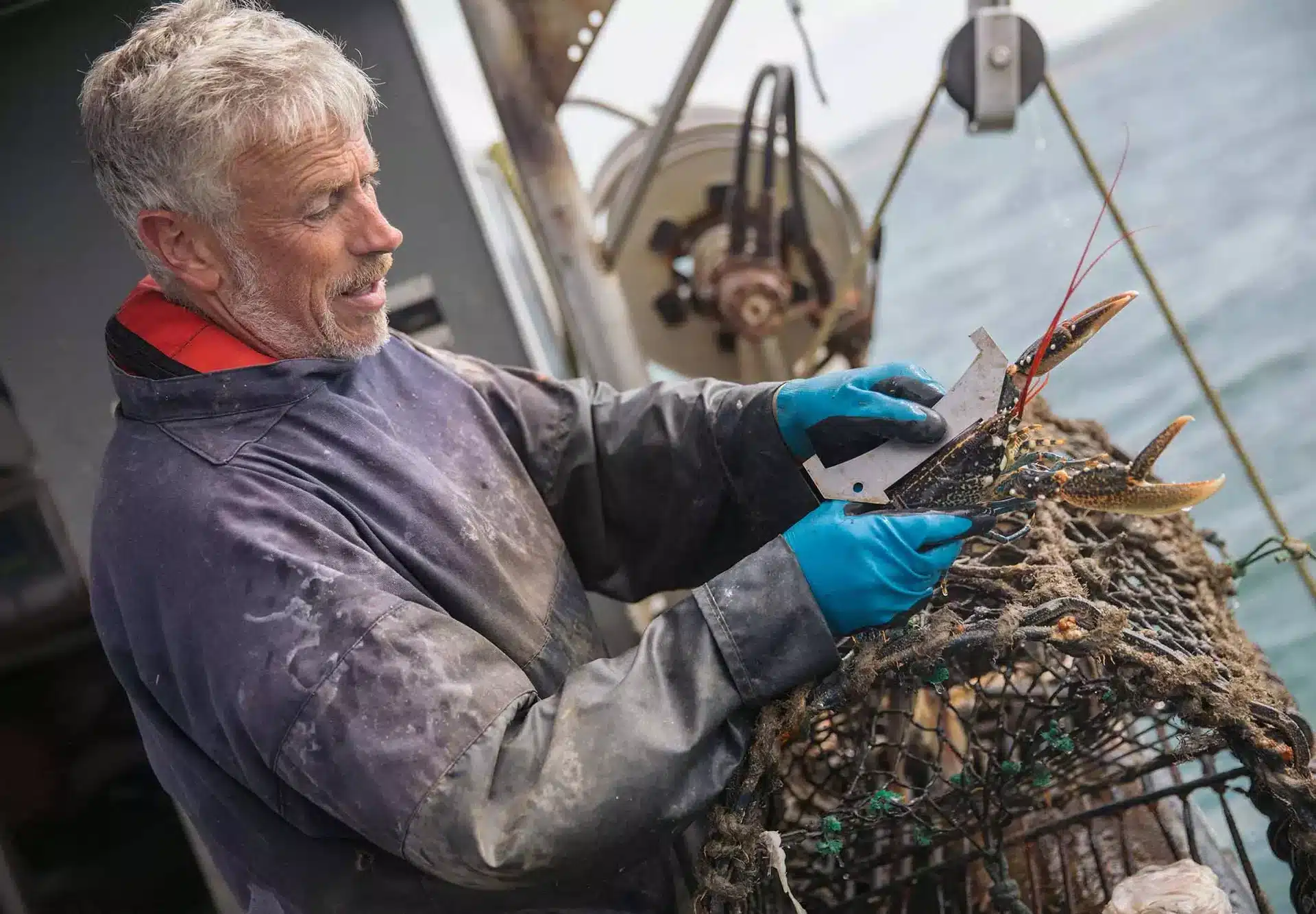
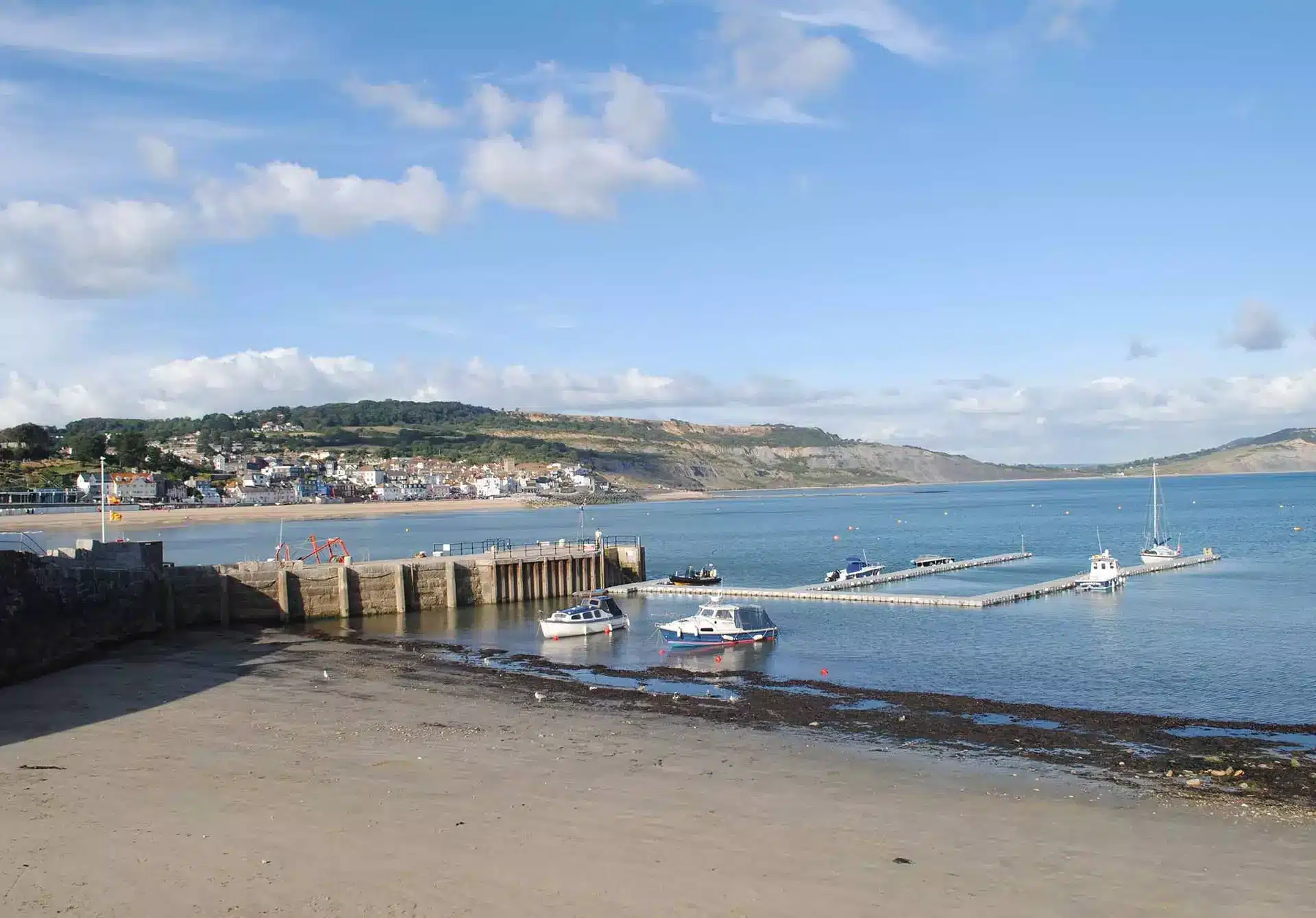
Blue Marine’s flagship project at Lyme Bay on the south coast of England is one of the largest marine protected areas (MPAs) in the UK, and proof that sustainable fishing and conservation can co-exist.
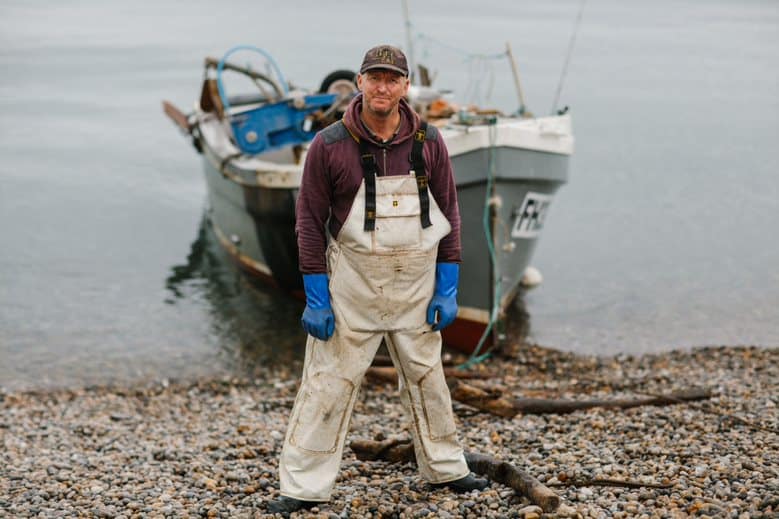
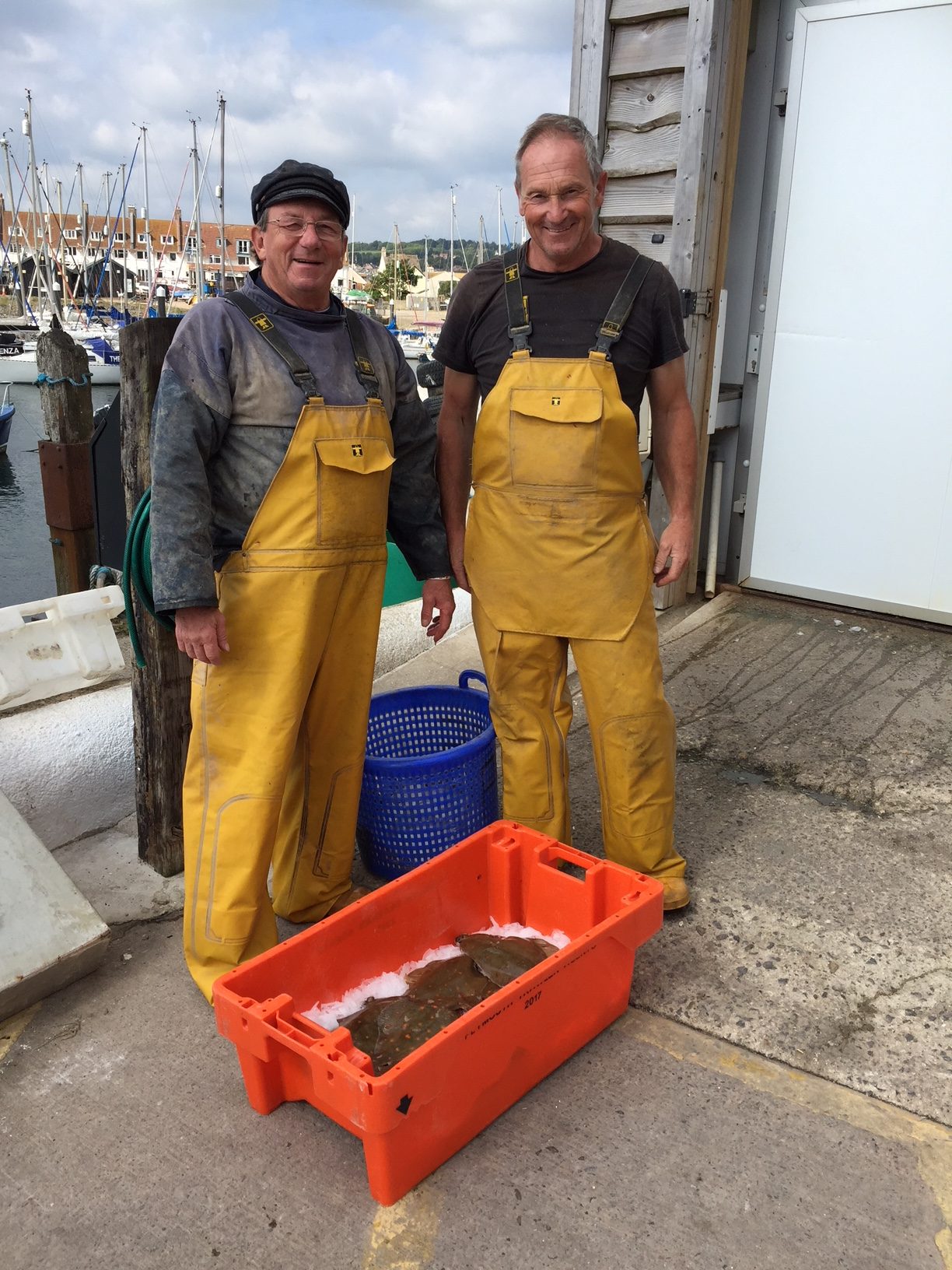
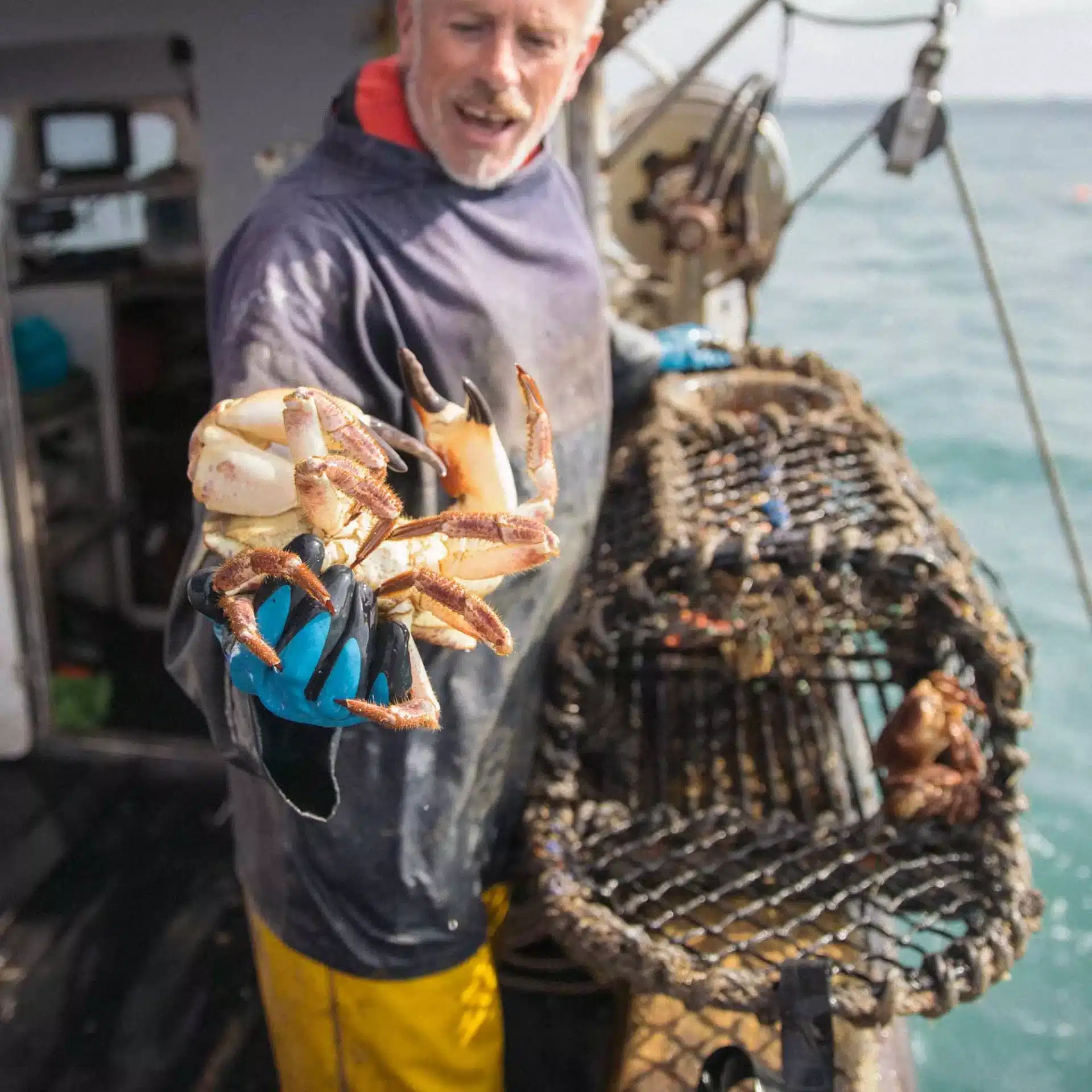
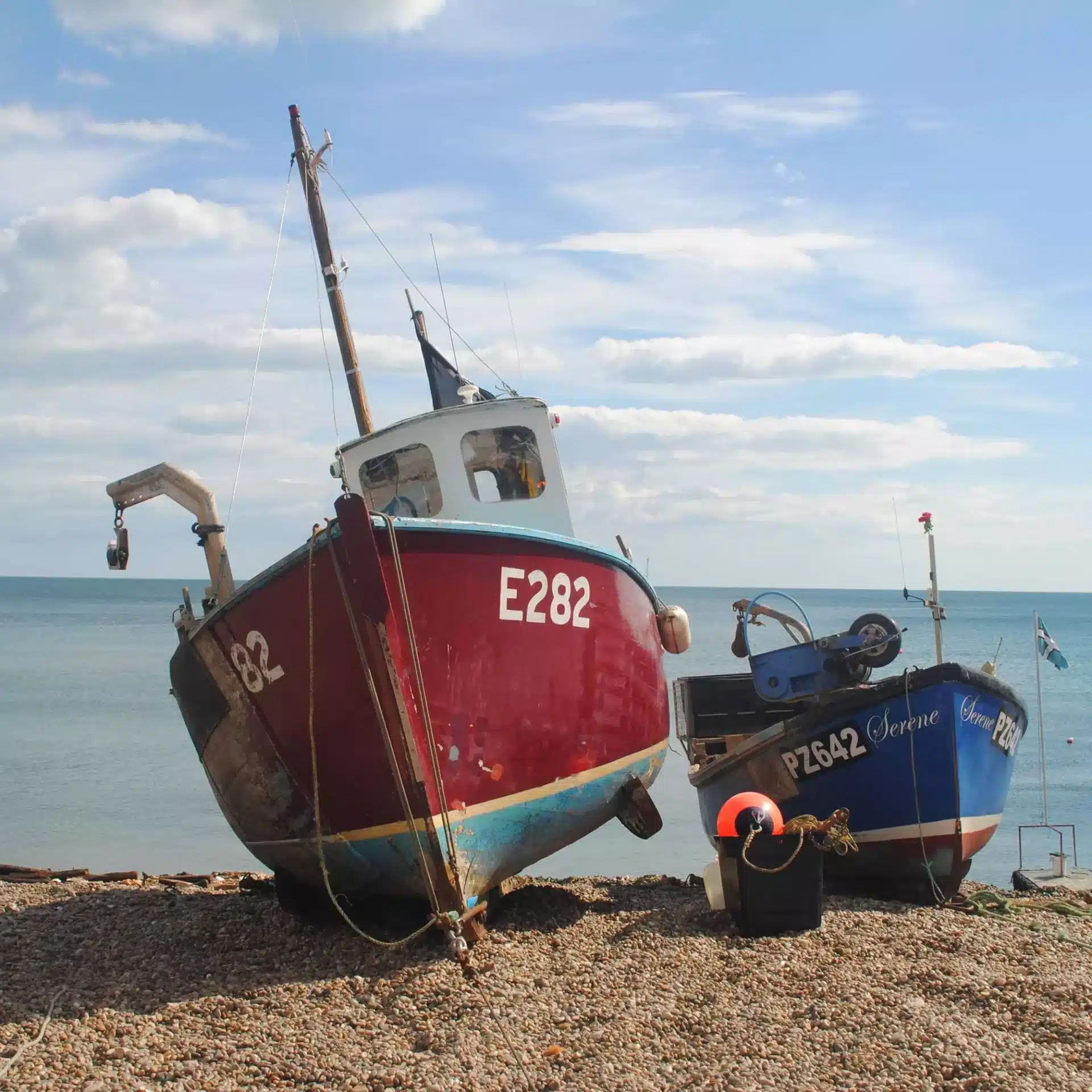
The Lyme Bay Reserve covers an area of 236 sq km where bottom towed fishing gear is banned – over 206 sq km has been protected since 2008. We began a collaborative model with local fishers in 2012, bringing them together with conservationists, researchers, and regulators to manage the Lyme Bay Fisheries and Conservation Reserve and support local small-scale, static-gear fishing within sustainable limits.
Blue Marine helped set up a Lyme Bay Committee so that scientists, fishing communities, NGOs and policy-makers could manage the MPA in collaboration. This allowed them to design conservation practices together, including voluntary Codes of Conduct, and built long-term trust between the different groups.
In 2023, Blue Marine supported the establishment of the pioneering Lyme Bay Fisherman’s Community Interest Company (CIC). The CIC is the embodiment of a community that has fully embraced – and promotes – conservation and sustainable fishing, to safeguard fish stocks and the marine environment for future generations.
The Lyme Bay Reserve case study summarises how the project has restored an ecosystem. It is one of many project case studies in our BLUEprint for MPAs , a toolkit of ideas for creating and effectively managing marine protected areas.
More than 15 years of research in the Bay has shown that removal of bottom trawling can increase reef species by 95%, and the abundance of fish by almost 400%, while also making the seabed more resilient to storms.
Research pioneered by the University of Plymouth in partnership with fishermen, Blue Marine Foundation and government bodies has demonstrated an incredible gain for the ecology, fisheries and communities of Lyme Bay.
Over 25 scientific papers and reports have been published about the research carried out in the Lyme Bay Reserve.
The research includes:
To see how finding common ground between fishing communities and conservationists can create a win-win model, watch our film: Lyme Bay, the road to recovery

The Solent Seascape Project aims to recover a dynamic network of habitats, where ocean meets coastline, as the first project of its kind in the UK.
We respect your privacy. By subscribing to our email list, you agree to our Terms & Conditions.
We respect your privacy. By subscribing to our email list, you agree to our Terms & Conditions.