Project

Atlantic Ocean

Namibia: Rebooting Africa's second-largest MPA 

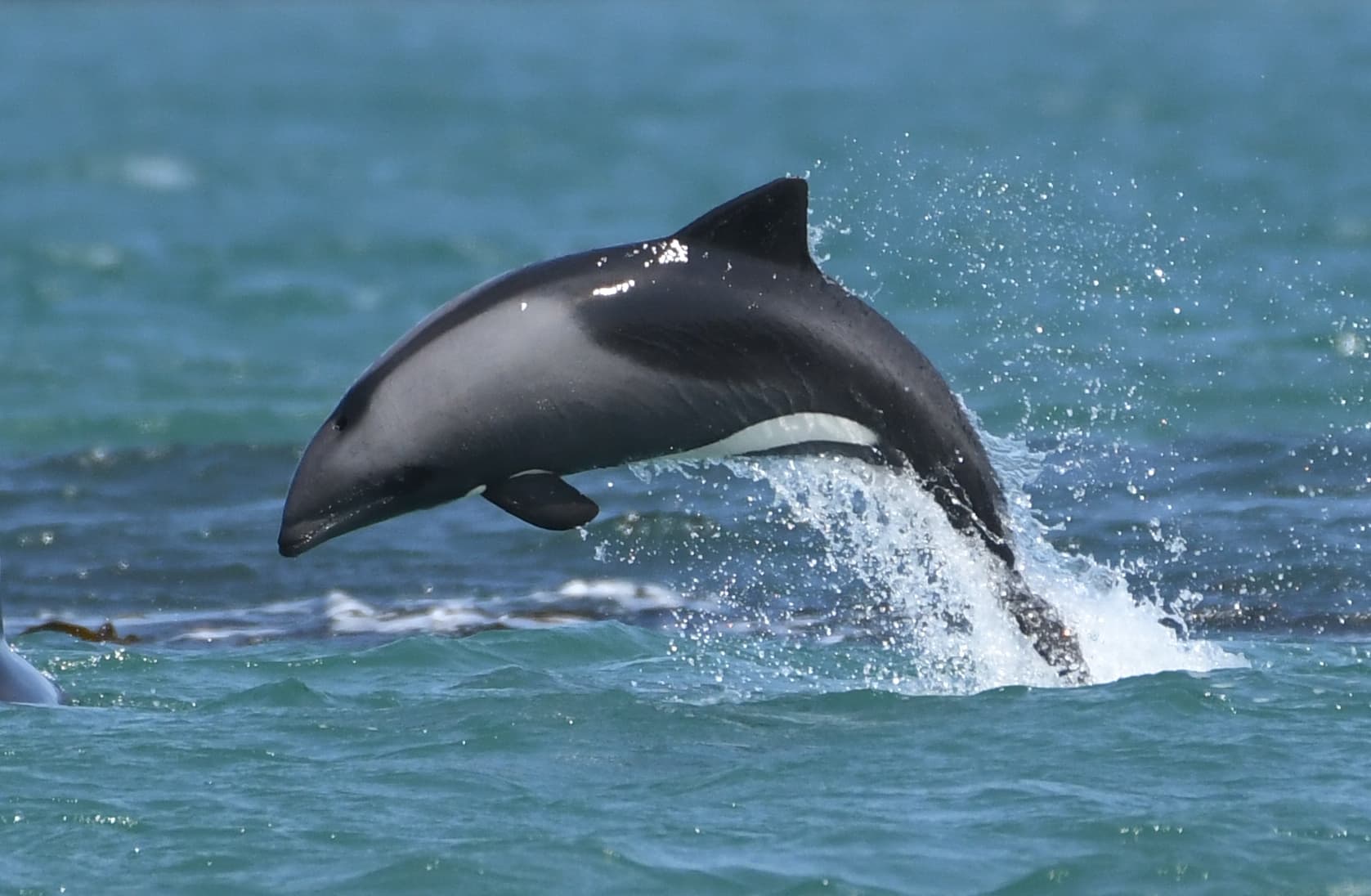
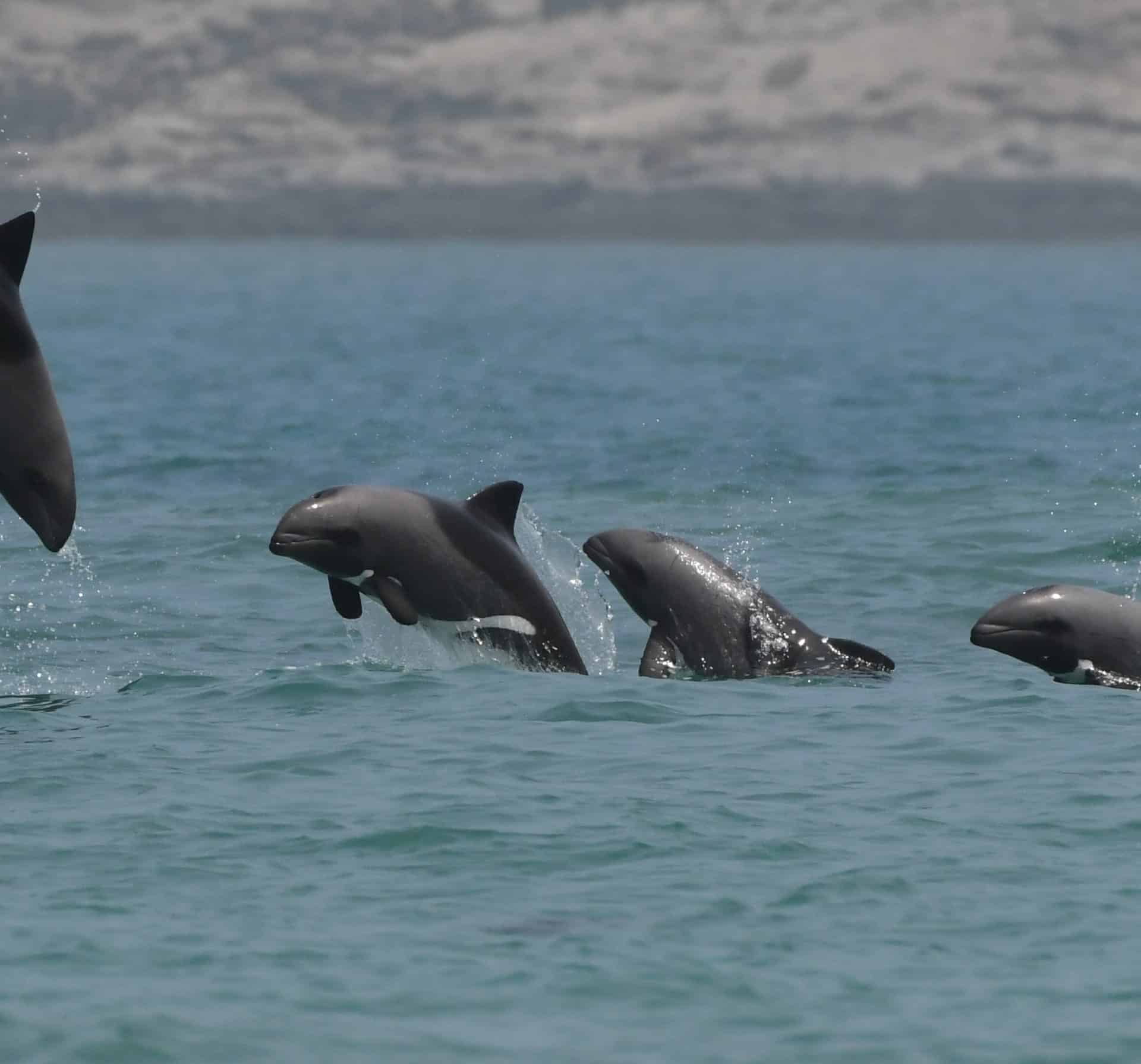
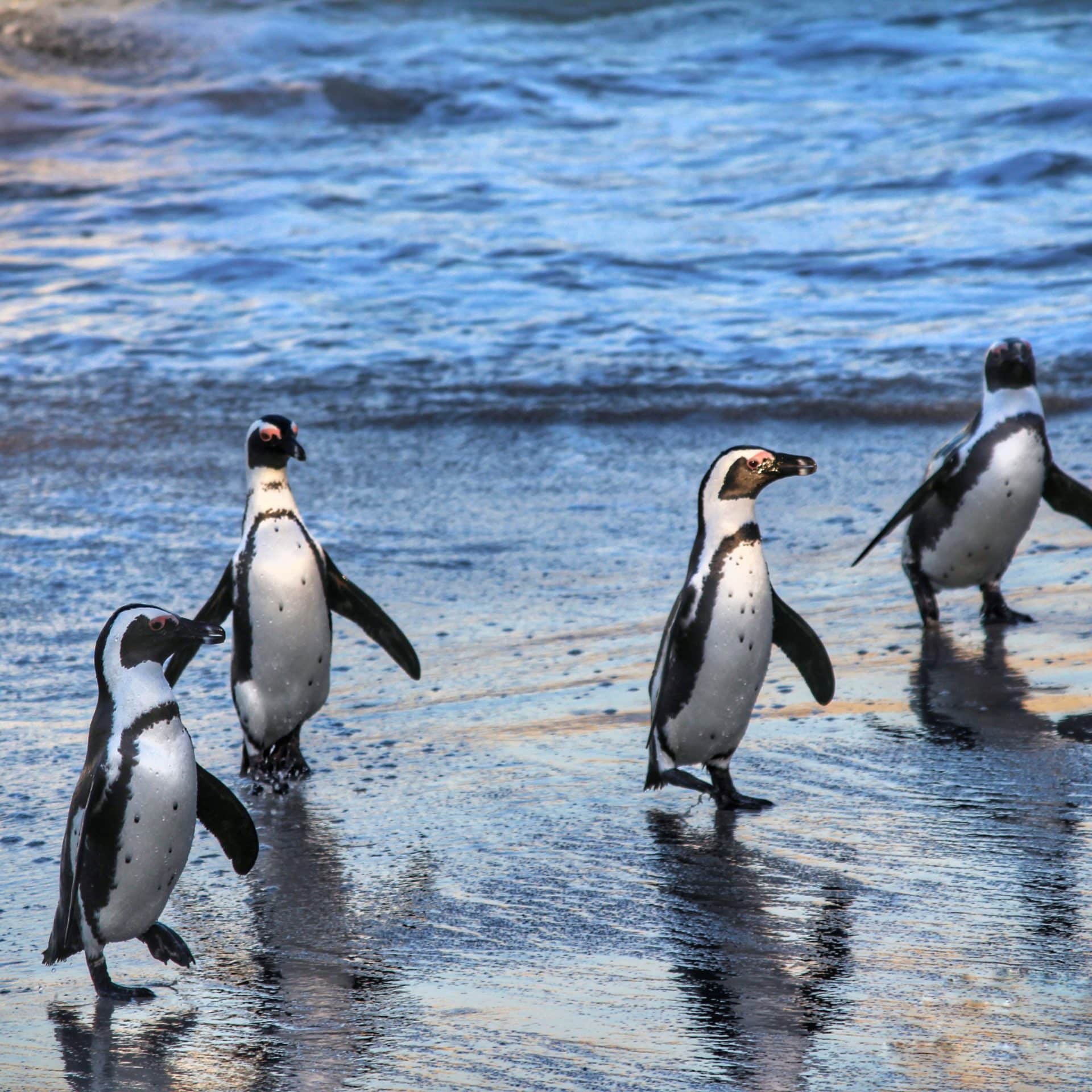
We are working with local partners to deliver lasting protection for whales, dolphins and African penguins across the 9,500 sq km of NIMPA – the Namibian Islands Marine Protected Area.

Blue Economics

Marine protection

Sustainable fisheries

The challenge

Despite being Africa’s second-largest marine reserve, NIMPA is threatened by overfishing, mining, pollution, untested phosphate extraction, and even live marine mammal harvesting. Since its gazettement in 2009, insufficient government resourcing and an inadequate management framework have meant that it has failed to protect many of its key values.
 

Our strategy

With partners NNF we are supporting the Namibian government to achieve effective management of the NIMPA, and improve the livelihood opportunities of coastal communities. The government has committed to designating 10 per cent of the country’s Exclusive Economic Zone as MPAs.  

To support this, we hope to use the lessons learned and models generated from NIMPA to help create two new MPAs by designating Ecologically and Biologically Significant Areas. Candidates for this include Cape Fria, a strong upwelling cell within a bio-geographic transition zone, and the Namibe, a region shared with neighbouring Angola. 


Our impact

  • We have facilitated training and a workshop whose focus was the revised management plan and regulations for NIMPA, and which included government staff and wider stakeholders
  • Our Blue Economics unit supported the NIMPA+ project by producing two economic reports together with the Namibia Nature Foundation (NNF)
  • One report was presented to the Namibian Ministry of Fisheries and Marine Resources to support the writing of a sustainable finance plan
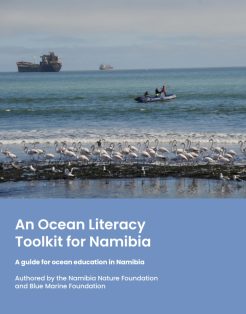
  • Our Blue Education unit created its first ever Ocean Literacy Toolkit, to reinforce the long-term conservation goals in Namibia through marine education

Work in the field

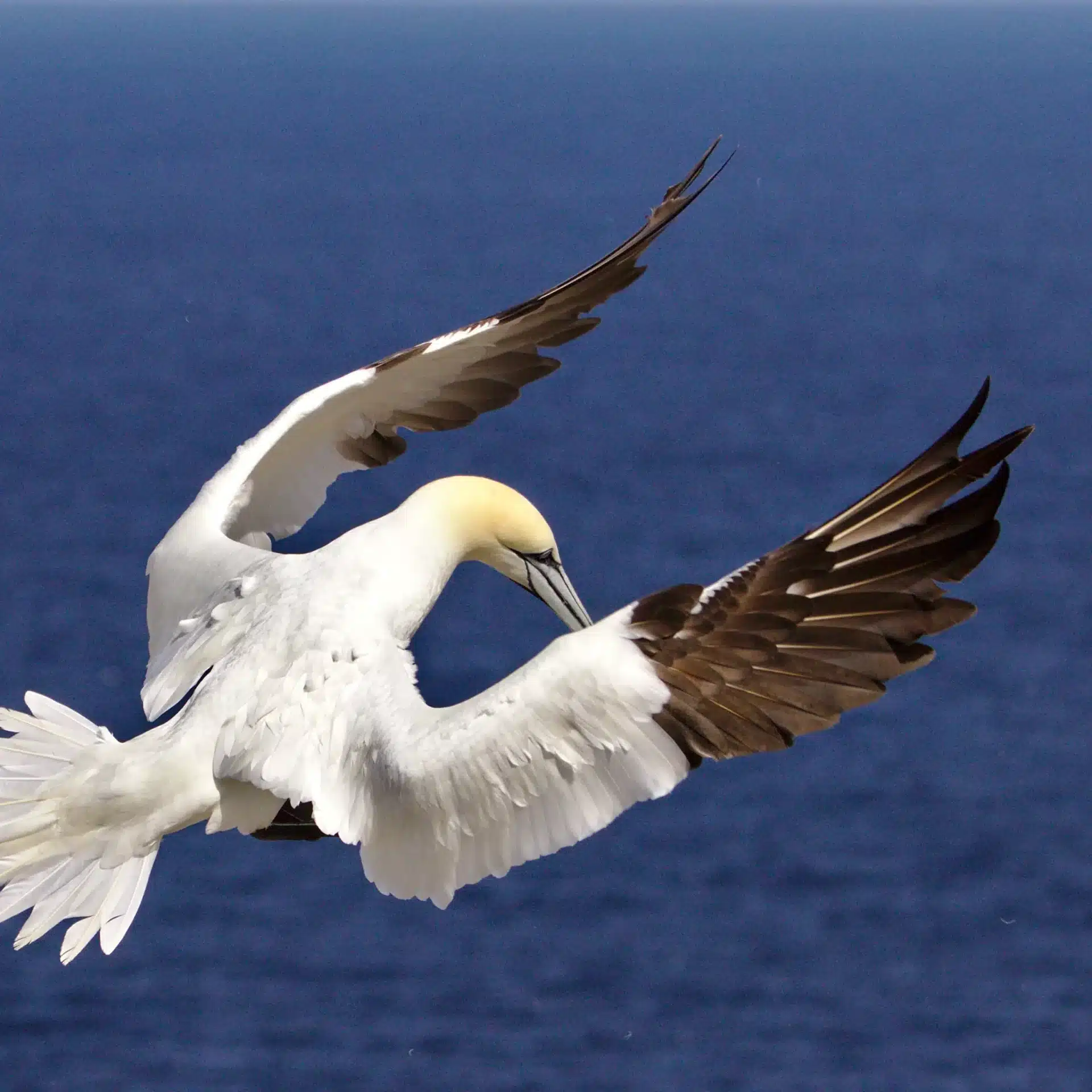
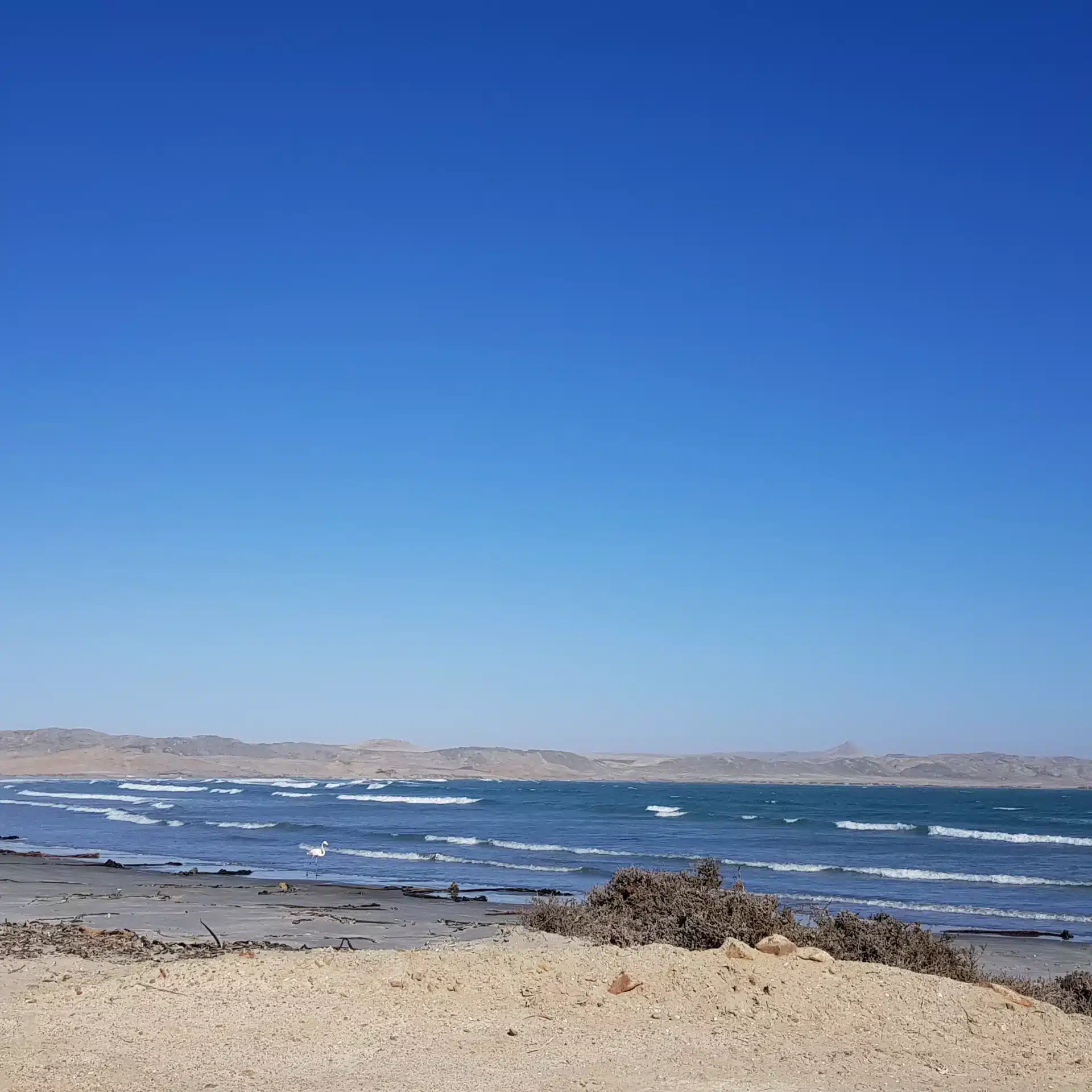
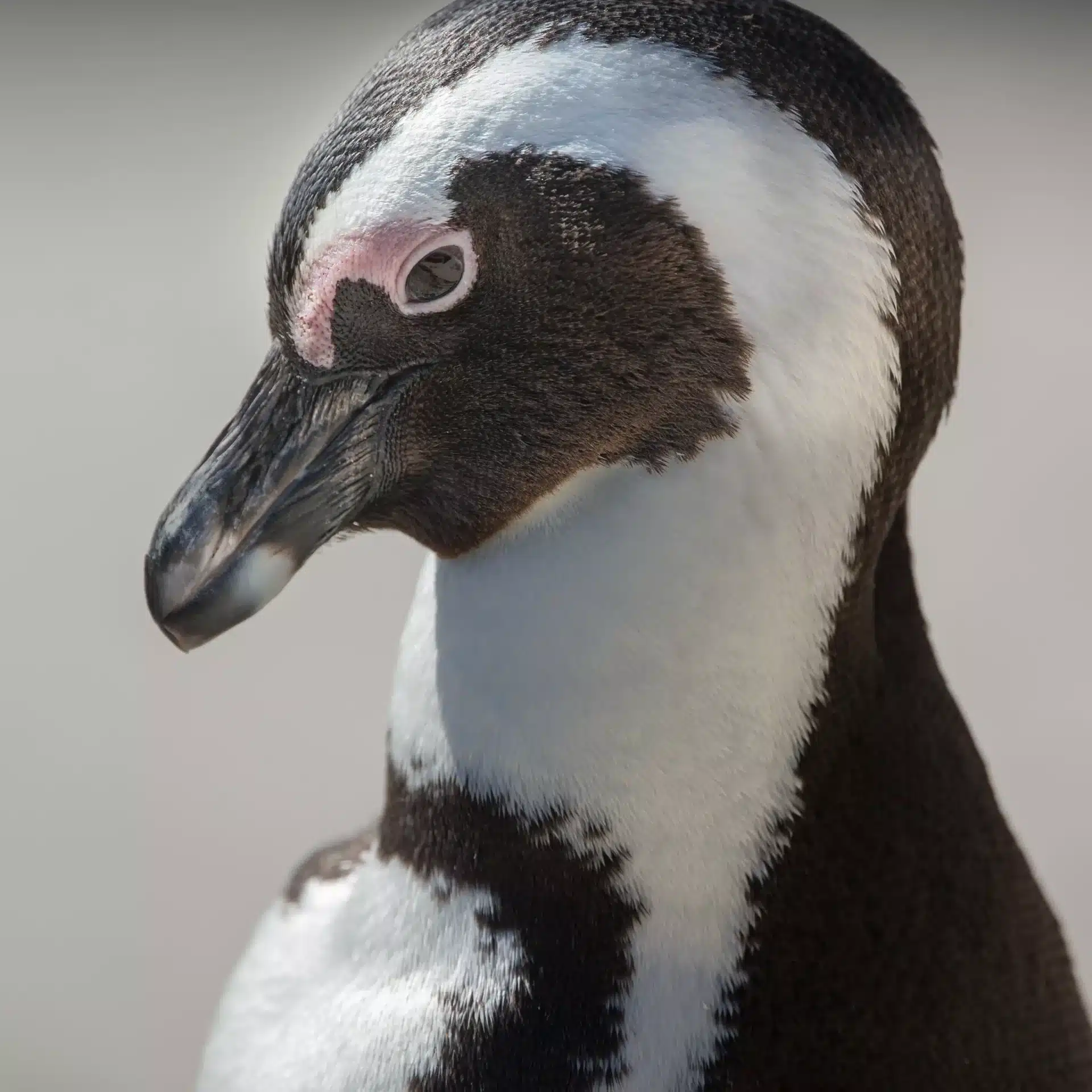
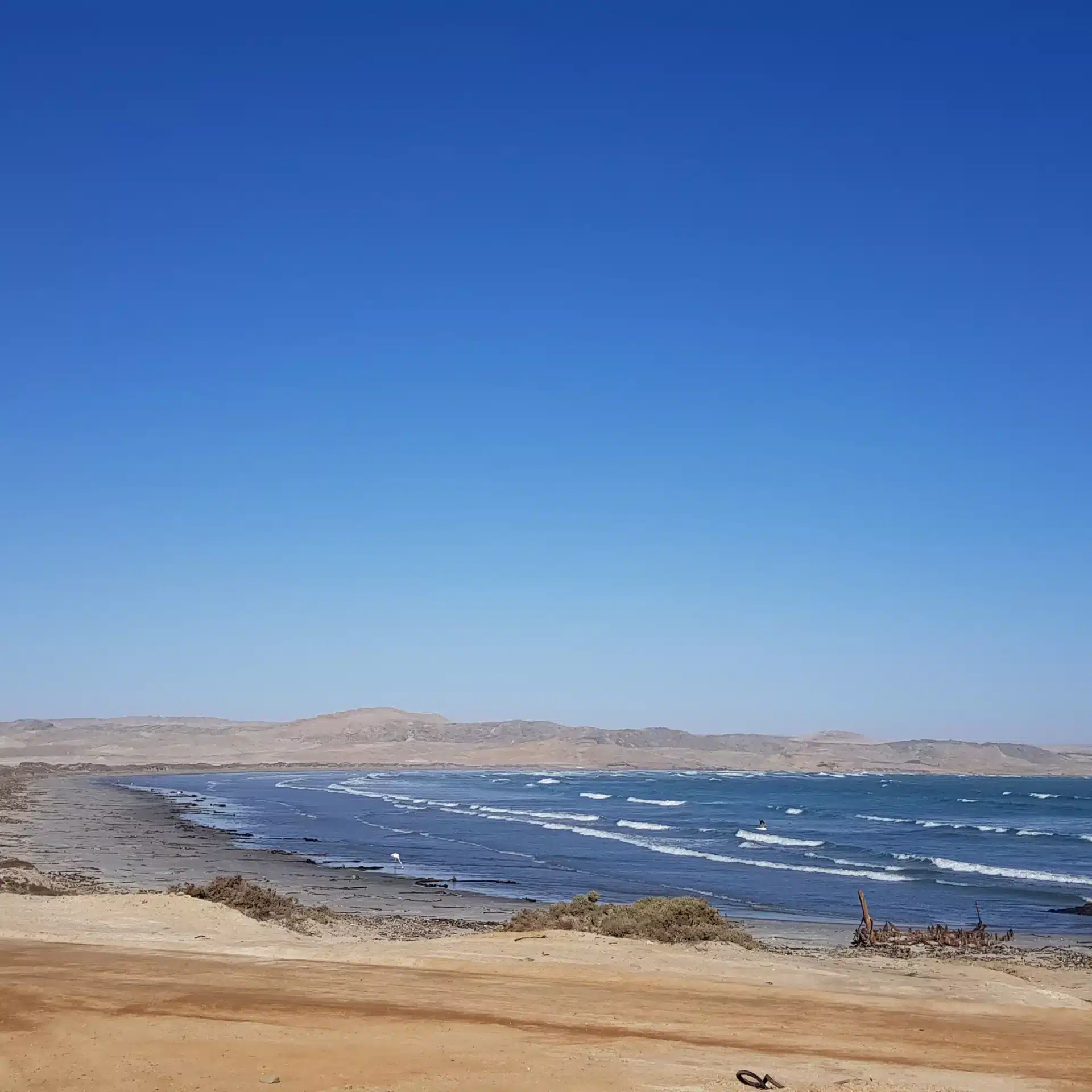
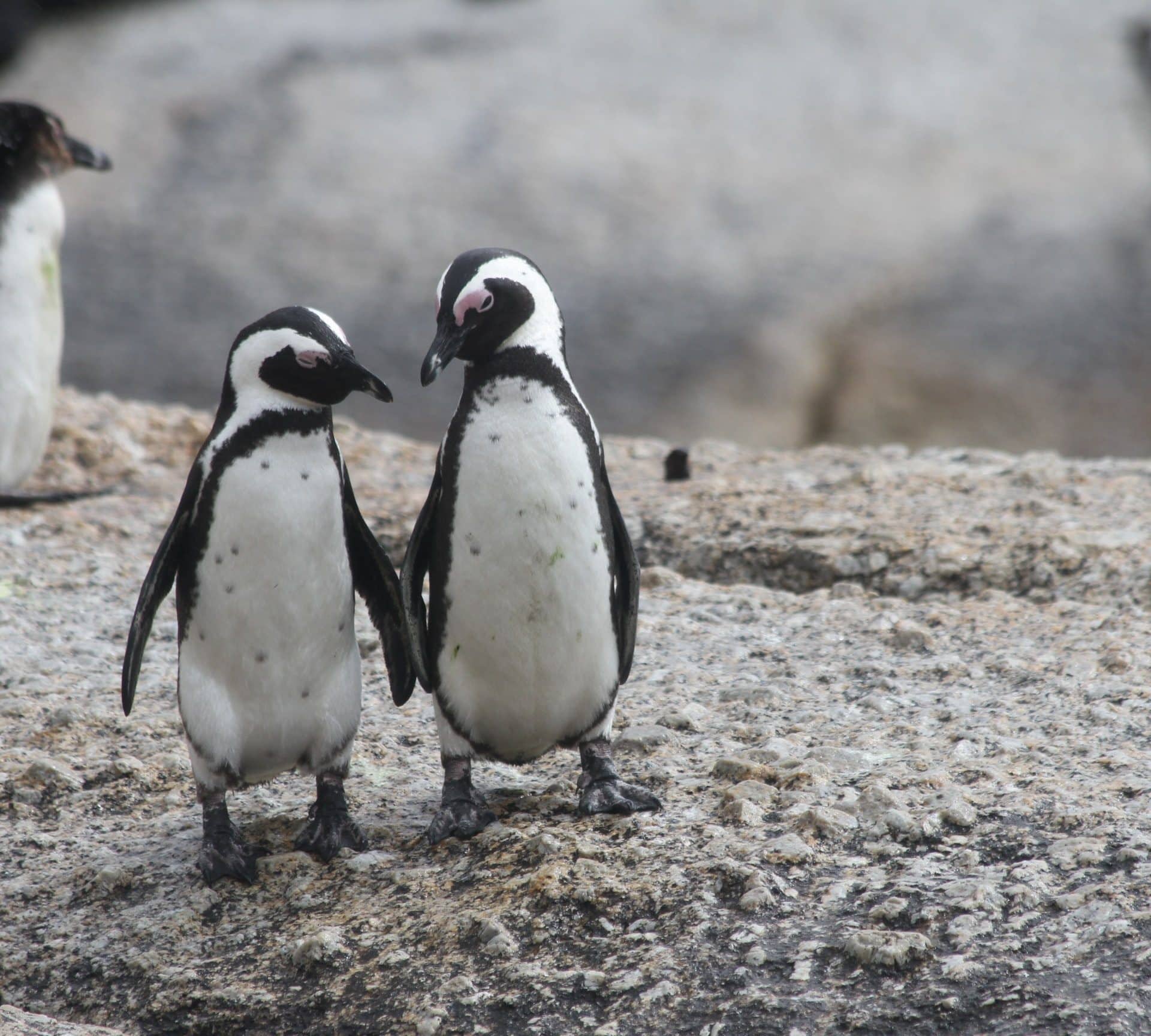
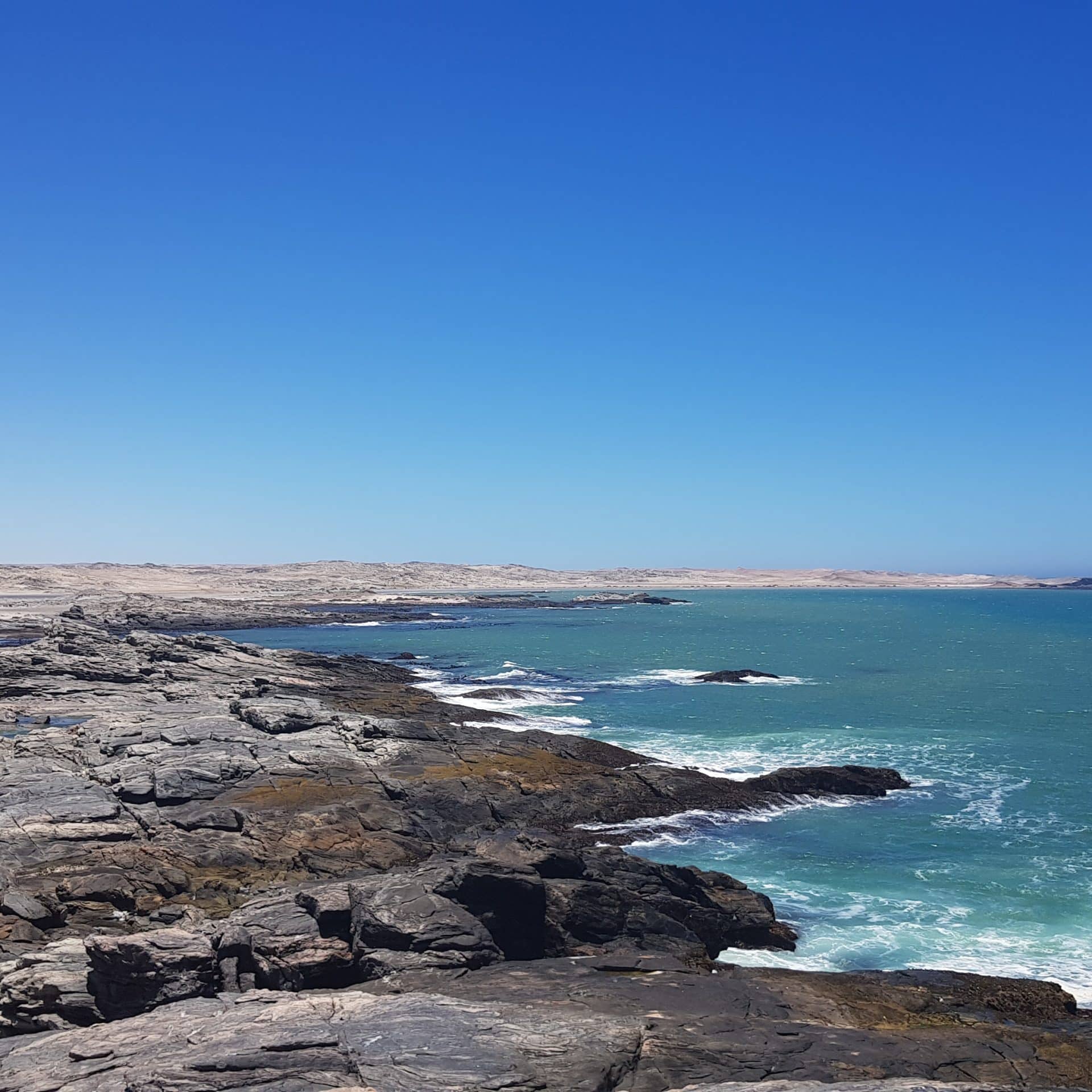
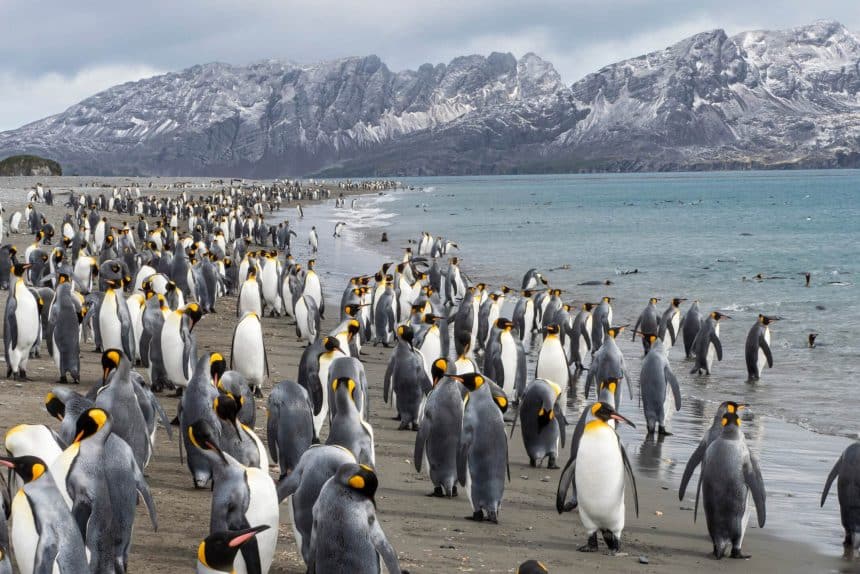
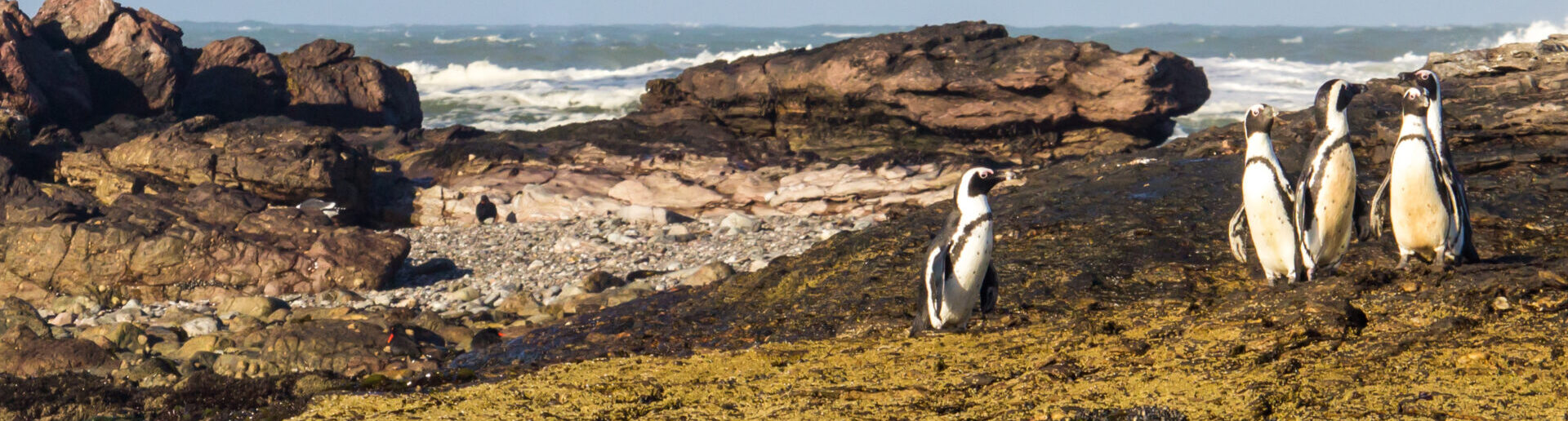
The NIMPA is an area of outstanding marine biodiversity, supporting globally significant populations of seabirds and marine mammals, and important marine industries. It boasts a wide variety of habitats, including lagoons, wetlands, salt pans, rocky shores, reefs, sandy beaches, kelp beds and several small islands. The islands are spawning grounds for the entire Namibian breeding population of Cape gannets, and almost all the country’s endangered African penguins.


Photos by: Jessica Kemper and Benoit Guazere

Stay connected

We respect your privacy. By subscribing to our email list, you agree to our Terms & Conditions.

This field is for validation purposes and should be left unchanged.

Stay connected

We respect your privacy. By subscribing to our email list, you agree to our Terms & Conditions.

This field is for validation purposes and should be left unchanged.