Project

Mediterranean

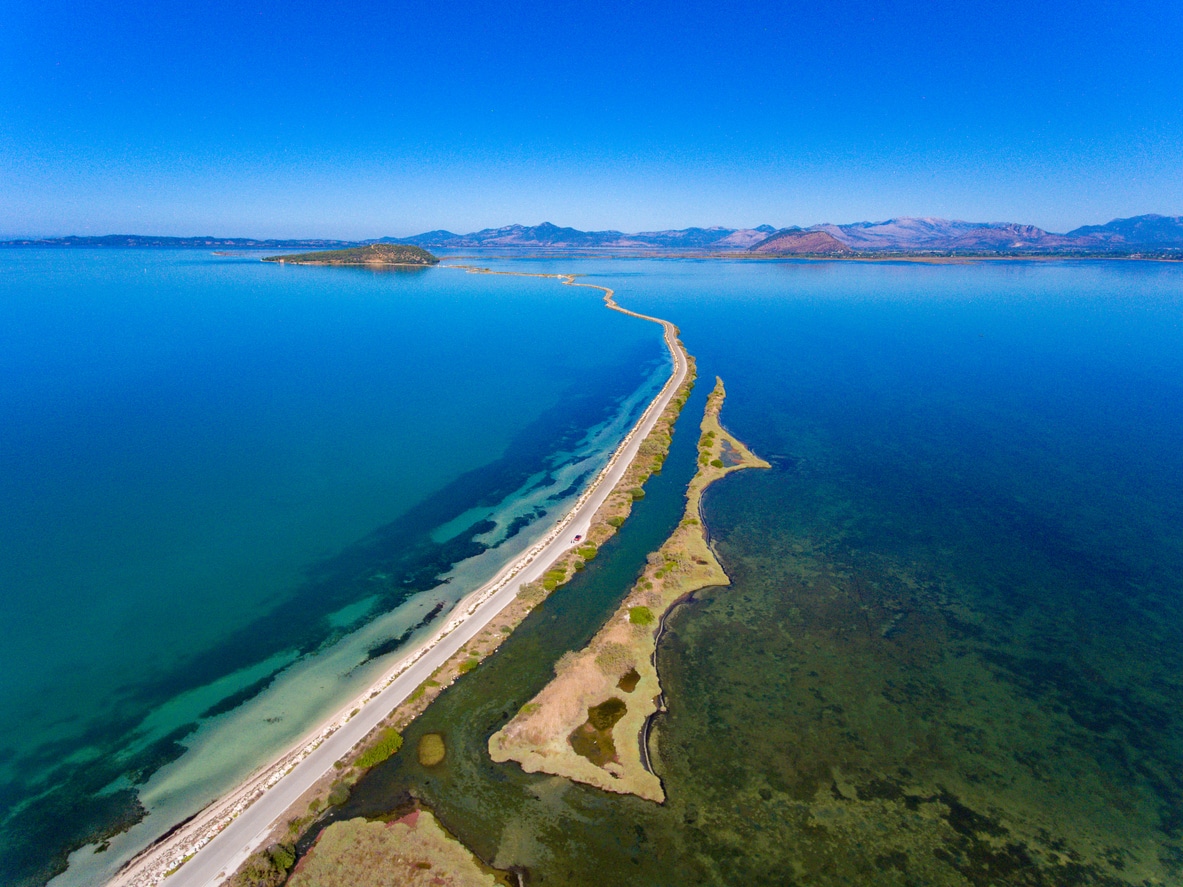
Revitalising the largest wetland in Greece

Home to endangered marine species and vital coastal habitats,the Amvrakikos Gulf is becoming a dead zone. But a bold new restoration initiative aims to  protect, restore, and re-connect this rich and unusual ecosystem.

Restoration

The challenge

Amvrakikos Gulf is becoming a dead zone, as the life in the Gulf, and the people that depend on it, are threatened by hypoxia and anoxia – a shortage, or a complete absence, of oxygen in the water. The deterioration is due to pollution, mostly from agricultural runoff, while habitat destruction and overfishing are stripping the ecosystem of its natural balance. Lack of proper management, enforcement, and community engagement only make the Gulf more vulnerable. 
 

Our strategy

A multifaceted approach that integrates ecological restoration, community engagement, and policy change. By improving key species populations, reducing pollution and illegal fishing, and fostering local stewardship through education and alternative livelihoods, we can give the Gulf’s ecosystems the chance to recover and thrive.  

This will lead to more resilient habitats, better biodiversity, and enhanced ecosystem services for the benefit of both the environment and local communities. Finally, the project aims to create a scalable model for seascape restoration, which can be applied to other areas across Greece and the Mediterranean. 


Work in the field

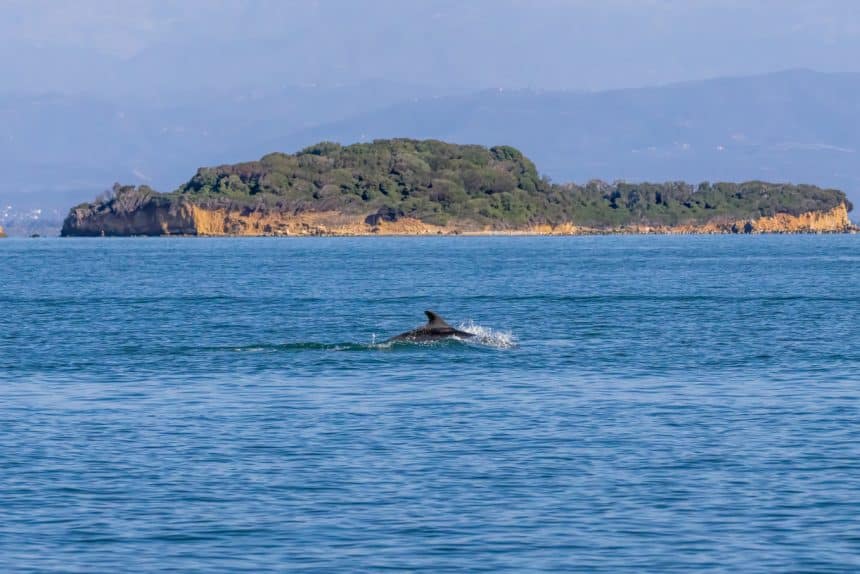
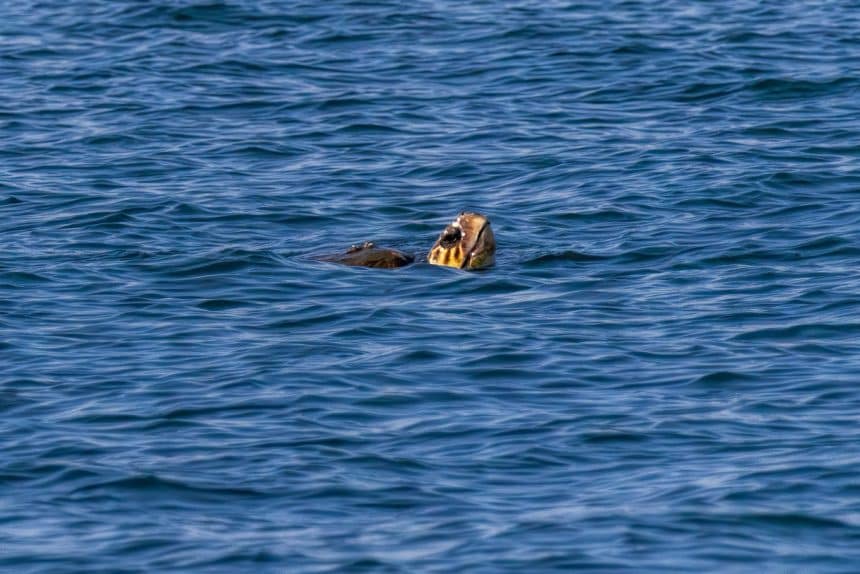
The Amvrakikos Gulf in the eastern Mediterranean spans 400 sq km that support diverse marine life, including critically endangered bottlenose dolphins, sea turtles, elasmobranchs and the near-extinct Pinna nobilis mussel.  

Funded by the Endangered Landscapes and Seascapes Programme, the project here aims to protect and restore the Gulf’s habitats, improve ecosystem resilience, and promote long-term sustainability through integrated conservation efforts.  

The focus will be on active restoration of the fan mussel and sea birds’ nesting habitats, reducing human-induced pressures – such as pollution, illegal fishing, and unregulated tourism – while engaging local communities in conservation efforts.  

Stay connected

We respect your privacy. By subscribing to our email list, you agree to our Terms & Conditions.

This field is for validation purposes and should be left unchanged.

Stay connected

We respect your privacy. By subscribing to our email list, you agree to our Terms & Conditions.

This field is for validation purposes and should be left unchanged.