Project

Mediterranean

Saving the sharks and rays of the Mediterranean Sea

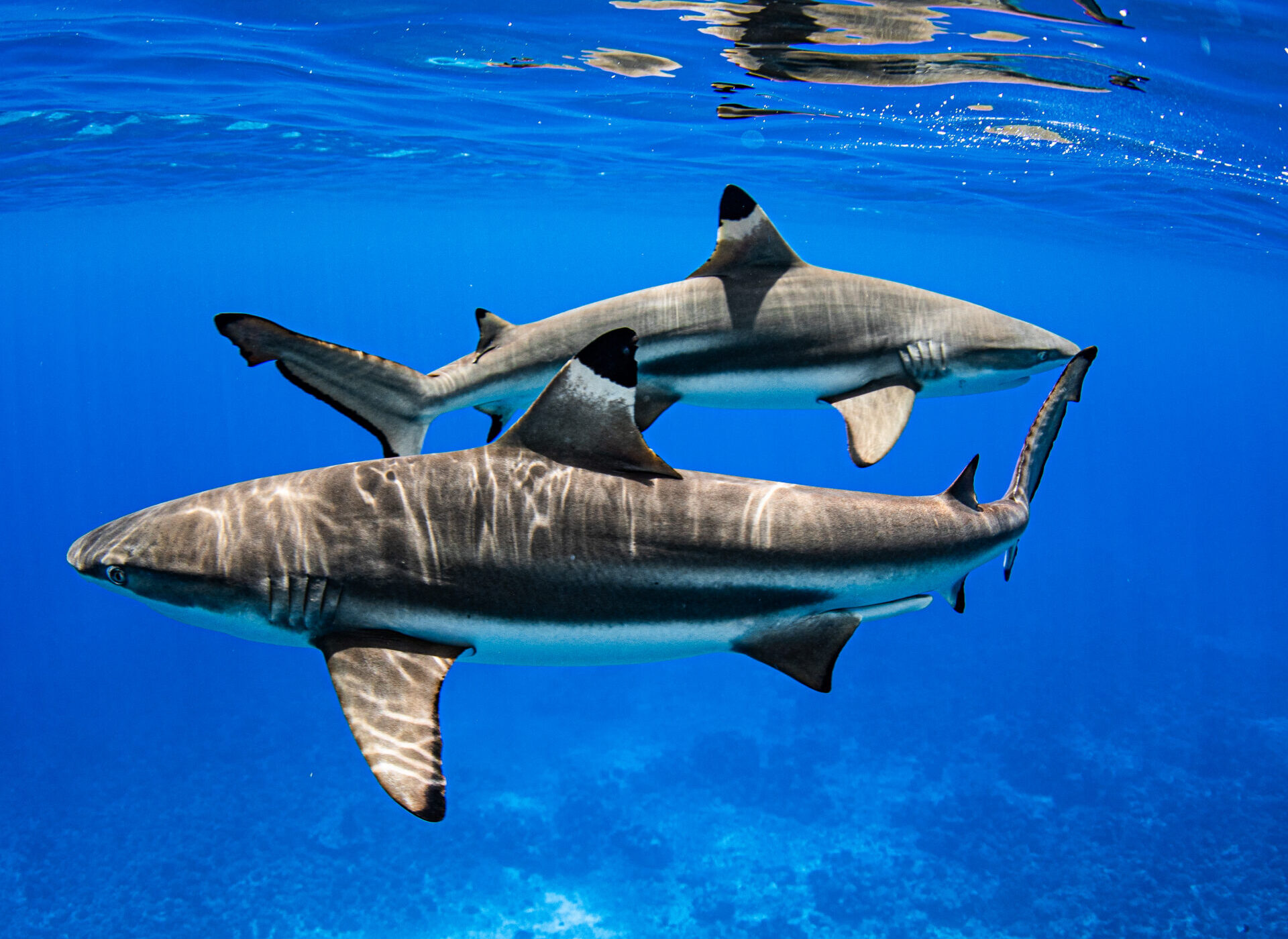
Despite a ban on fishing them, 24 species of sharks and rays in the Mediterranean Sea are listed as exceptionally vulnerable. To prevent their extinction, Blue Marine is bringing together 22 nations in a unified conservation effort.

Marine Life

Marine protection

Overfishing

Sustainable fisheries

Overview

Despite being protected, sharks and rays are being drastically overfished through-out the Mediterranean. Blue Marine are working with partners to develop area-based elasmobranch protections in the Strait of Sicily and improve compliance with existing fisheries restrictions.


The challenge

The Mediterranean Sea is one of the most exploited fisheries on earth. An existing 2012 Mediterranean-wide ban on fishing elasmobranch species – including great white sharks, shortfin makos, guitarfishes, and angel sharks – is not being effectively implemented, with widespread catches of shark and rays species – some are now critically endangered. However there is little documentation of the true extent of exploitation and significant data gaps around migration patterns, breeding grounds. A lack of data and cohesion between conservation efforts has impeded the effective protection of sharks and rays across the Mediterranean Sea.
 

Our strategy

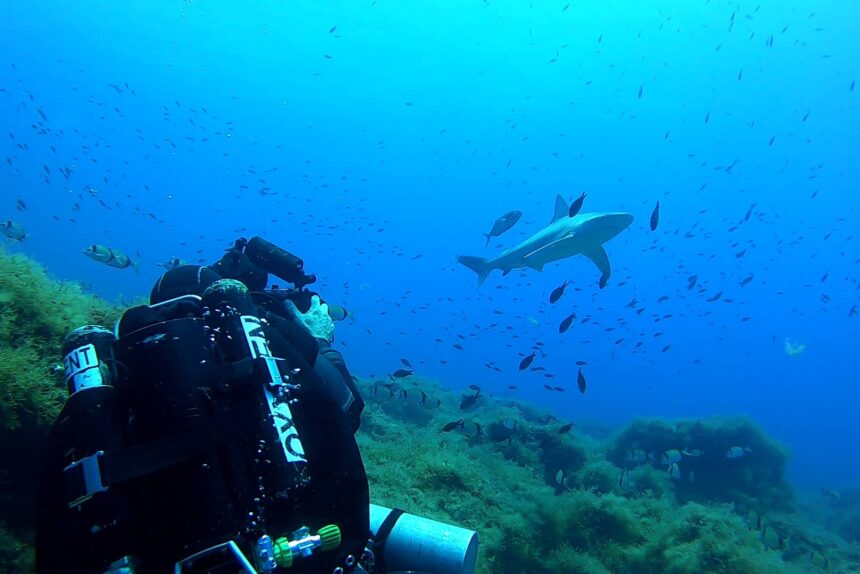
Since 2024, have been recording shark and ray landings at ports through-out Tunisia and Libya in collaboration with international scientists and local partners. We will be continuing this work through 2025 and plan to expand to further countries across North Africa. We are also going to be conducting annual research expeditions to understand critical shark life history habitat. This will be coupled with regional cohesion workshops and advocacy work through documentary film.

Our impact

  • We have partnered with Virginia Tech to establish the first scientific shark monitoring programme across North Africa, monitoring major shark and ray landing sites in Tunisia and Libya.
  • We have worked with Anton Dohrn Zoological Station, University of Palermo and Ascob Syrtis and identified elasmobranch diversity hotspots, aggregation areas and ecological corridors between the Tunisian and Italian sides of the Strait of Sicily, where no focused conservation effort is currently in place.

Work in the field

We are building collaborations with scientists, fishers, policy-makers and NGOs to facilitate the recovery of shark species across the Mediterranean.

Stay connected

We respect your privacy. By subscribing to our email list, you agree to our Terms & Conditions.

This field is for validation purposes and should be left unchanged.

Stay connected

We respect your privacy. By subscribing to our email list, you agree to our Terms & Conditions.

This field is for validation purposes and should be left unchanged.