Project

British Isles

Shell-to-Shore: restaurants help us to restore oysters

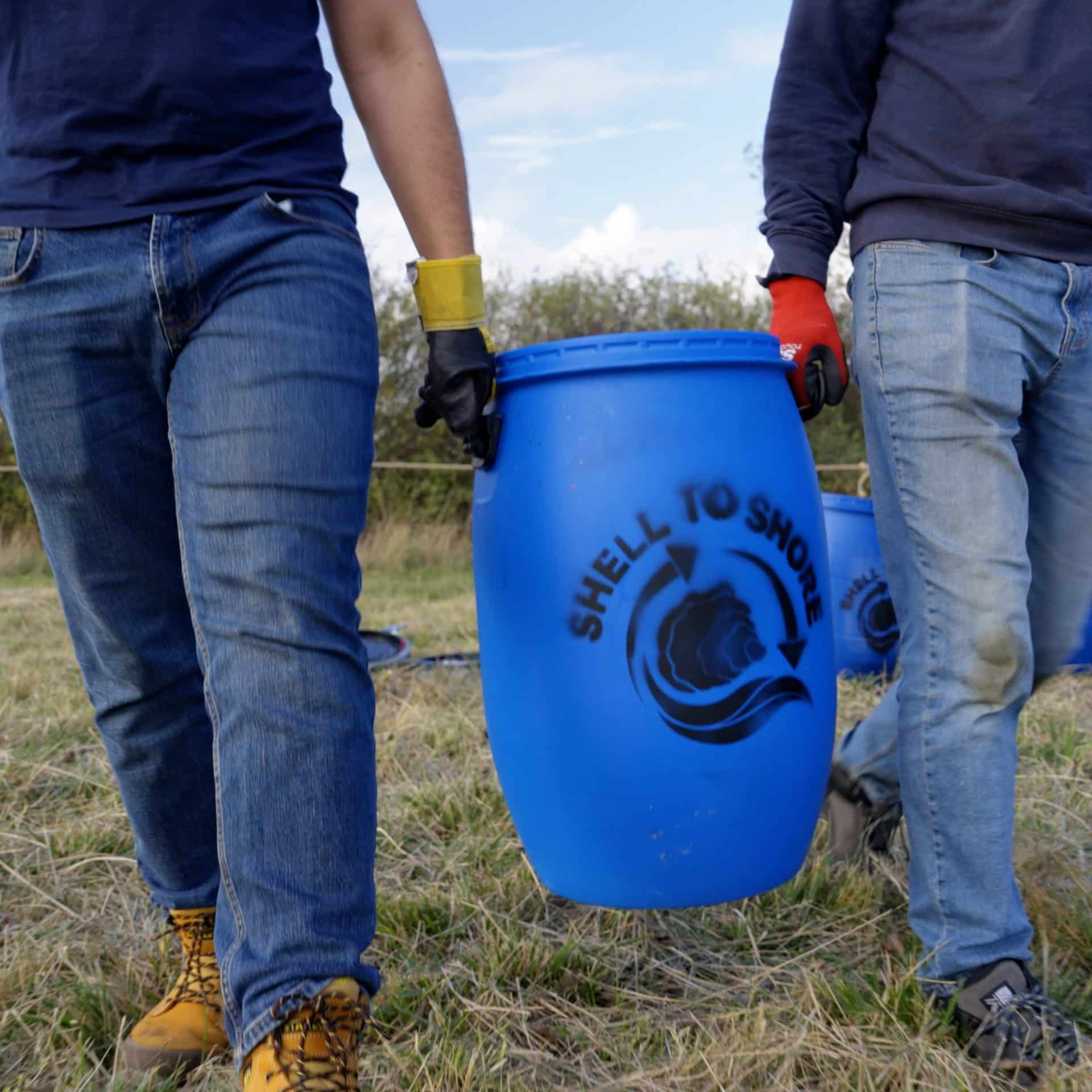
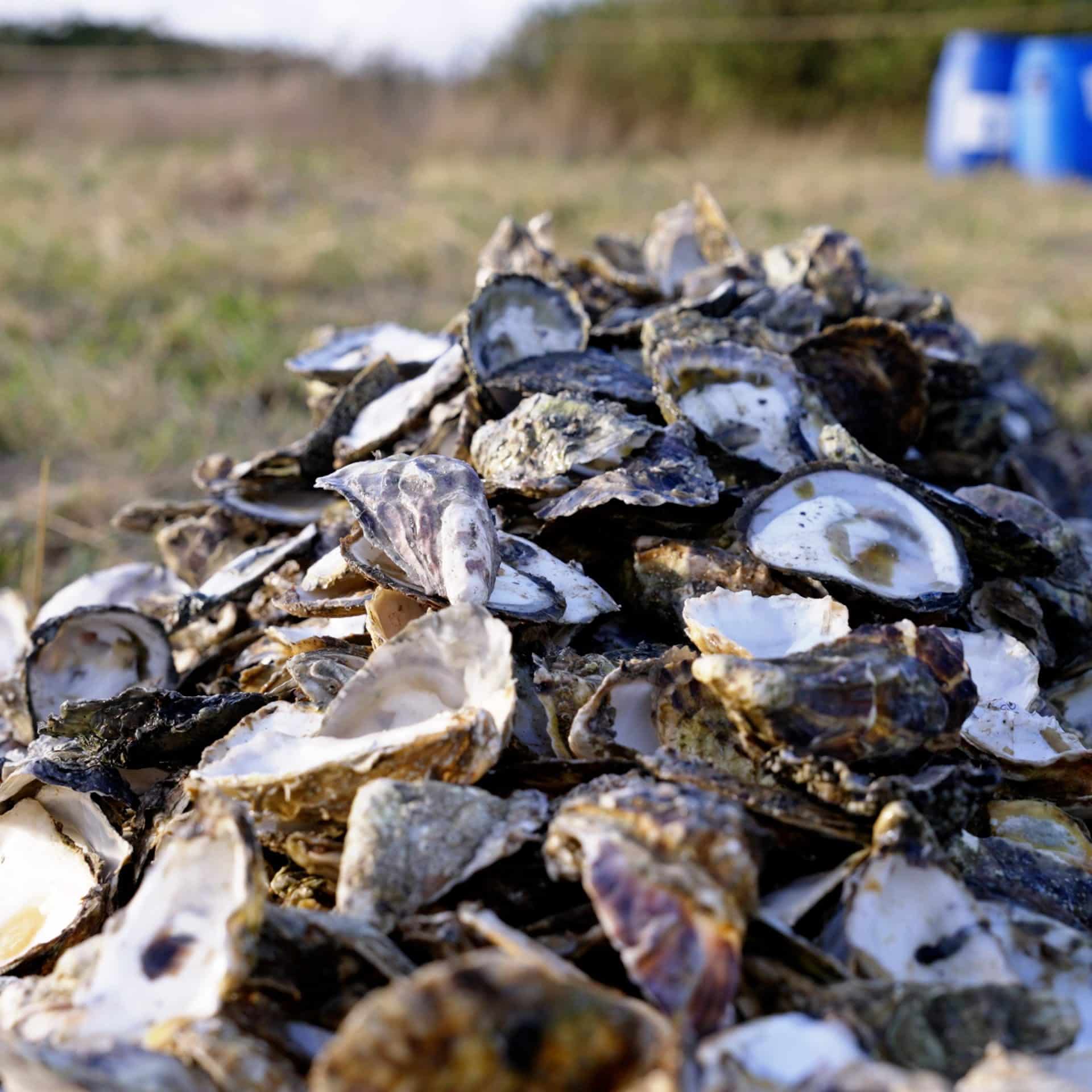
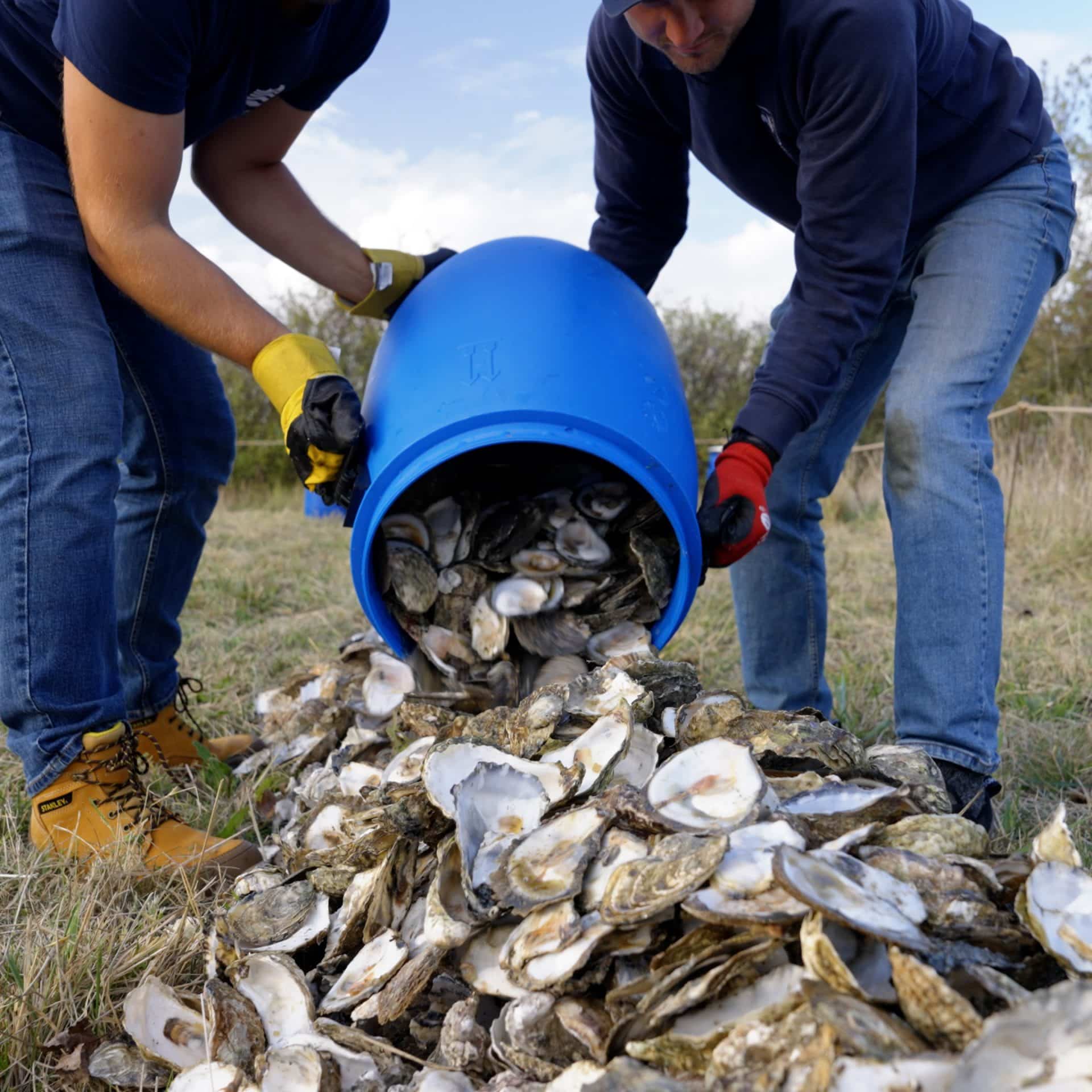
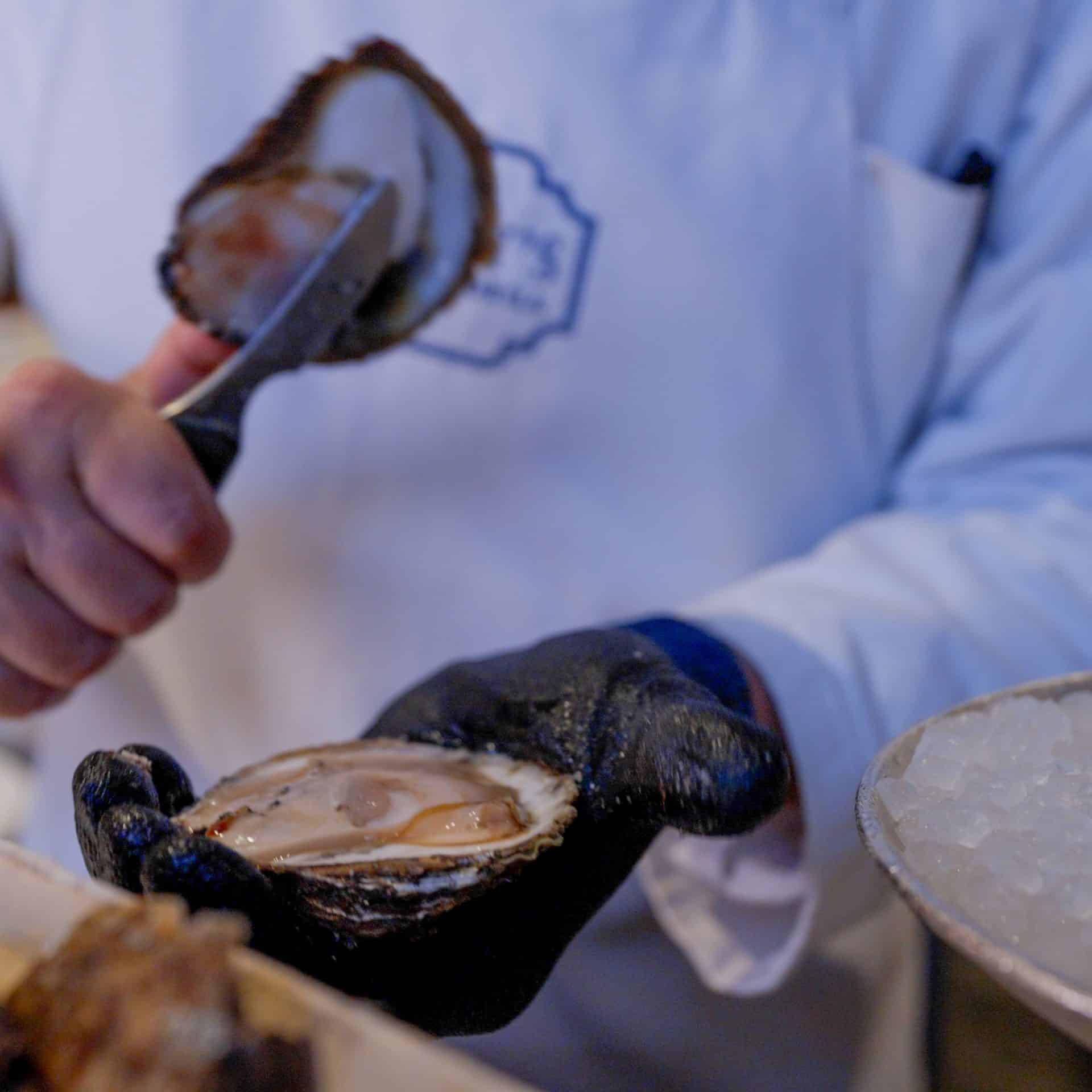
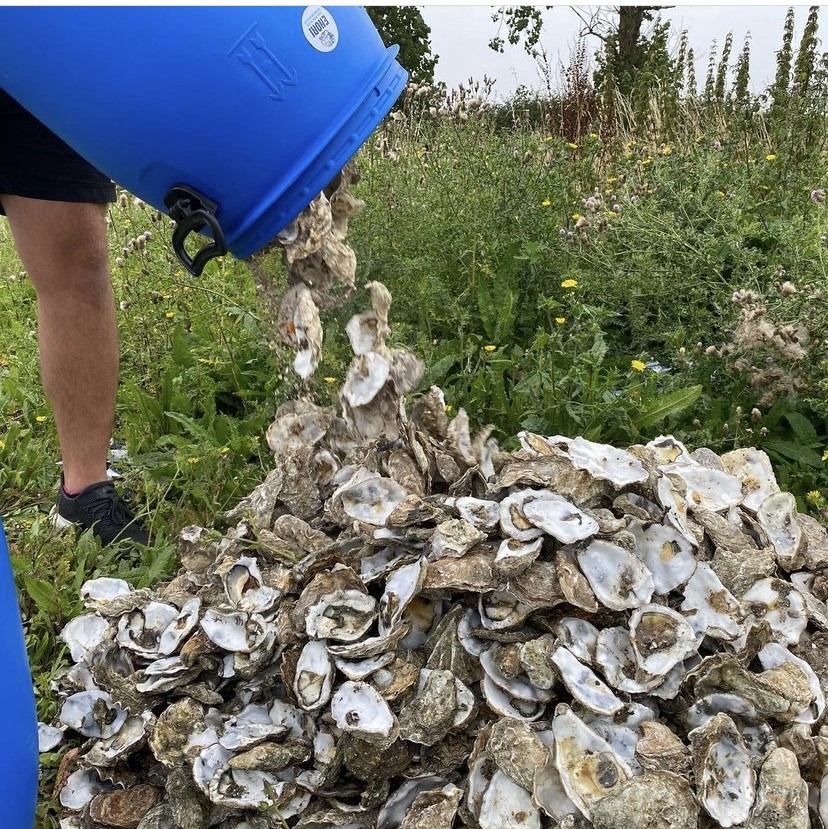
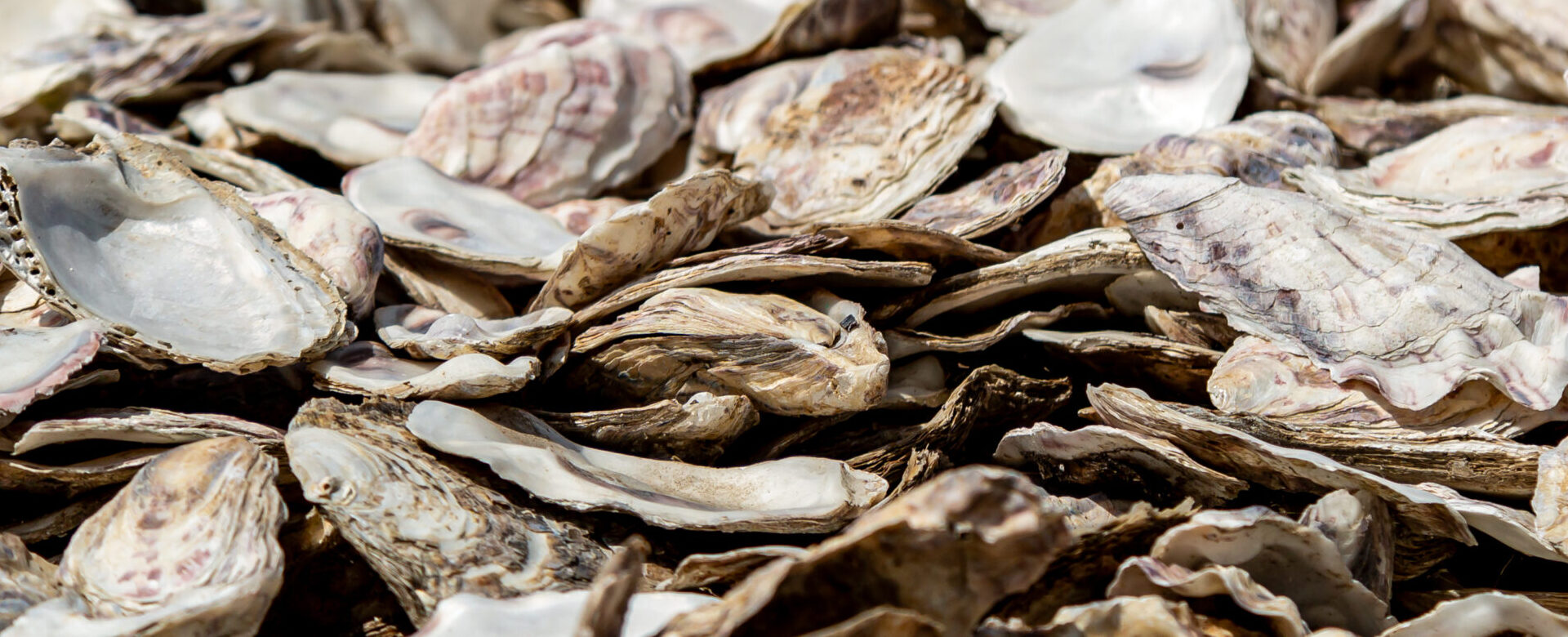
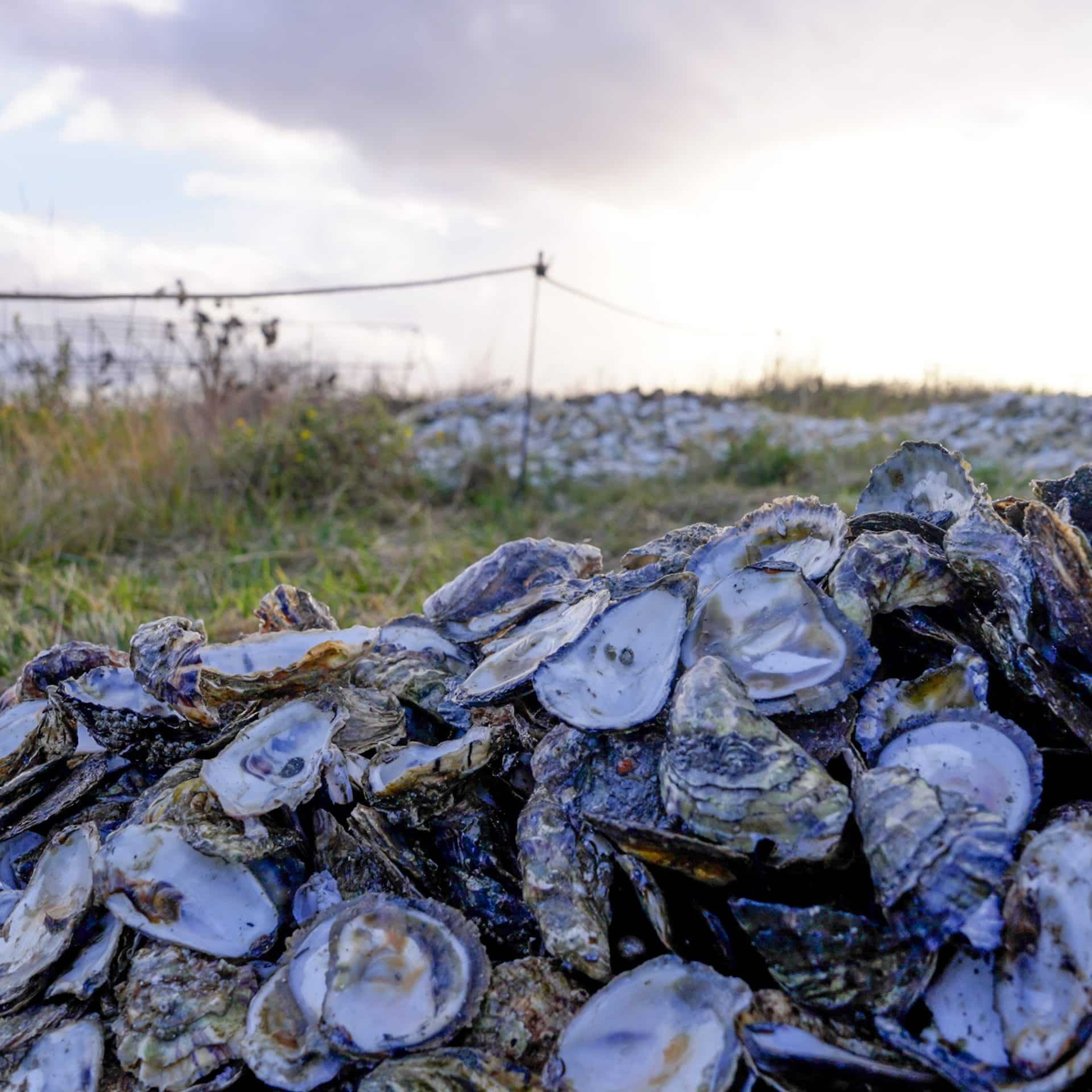
The ShelltoShore scheme collects waste oyster shells from London restaurants and supplies them to restoration projects, to be used on the seabed as ‘cultch’, an essential element in restoring native oysters.

Marine Life

Marine protection

Restoration

The challenge

Restoration is limited by a lack of substrate ‘cultch’ which makes up the hard surface that oysters require to grow and form reefs. The ideal substrate is old oyster shells, but recycling shells means collecting large quantities from busy restaurants and transporting them to the coast in a way that is biosecure, cost effective, and does not interfere with the businesses.
 

Our strategy

The project pilot revealed logistical challenges, and Blue Marine is developing a method of shell collection and delivery that is traceable and efficient, as well as a comprehensive monitoring plan for the shell storage process. 

The cost of collecting and transporting waste shells makes them more expensive than shells bought from large-scale food processors. To make Shell-to-Shore viable in the long-term, a financing model must be developed that cuts the cost of delivering the shells to restoration sites.  

Our impact

  • Three-month trial completed in 2024 to establish the viability of collection from five London restaurants and transportation to our restoration sites
  • Trial established a proof-of-concept protocol for shell storage and management, working through new hurdles of waste management
  • Shell-to-Shore has shown the transformative potential of circular economy principles
  • More than 1,500 kg of shell diverted from landfill in 10 weeks, showing significant potential for waste reduction and environmental enhancement, if scaled up

Work in the field

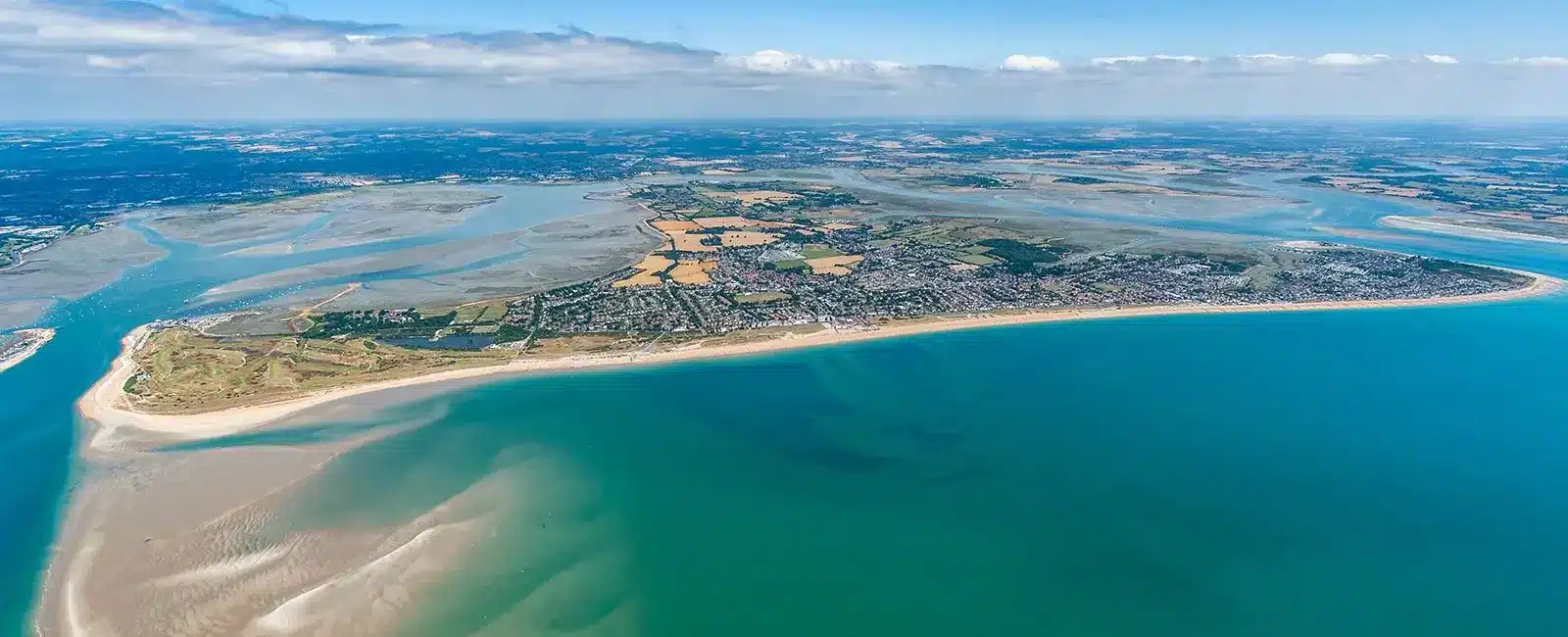
Blue Marine has partnered with Essex Wildlife Trust and Wright Brothers Ltd on the Shell-to-Shore project, which aims to reduce the amount of waste going to landfill and boost oyster restoration efforts across the country. 

Overfishing, disease, habitat disturbance and other pressures have led to an estimated 95 per cent decline in European flat oyster (Ostrea edulis) populations. But now oyster restoration is growing in momentum across the globe. Oysters and the beds they form provide a host of environmental benefits, such as habitats for commercial fish species, water filtration, nitrogen sequestration, and protection from coastal erosion.

Stay connected

We respect your privacy. By subscribing to our email list, you agree to our Terms & Conditions.

This field is for validation purposes and should be left unchanged.

Stay connected

We respect your privacy. By subscribing to our email list, you agree to our Terms & Conditions.

This field is for validation purposes and should be left unchanged.