Project

Caribbean

Fishers take action in a country defined by the ocean

Supported by Blue Marine, St Vincent and the Grenadines has begun to protect the marine life on which its communities depend

Marine protection

The challenge

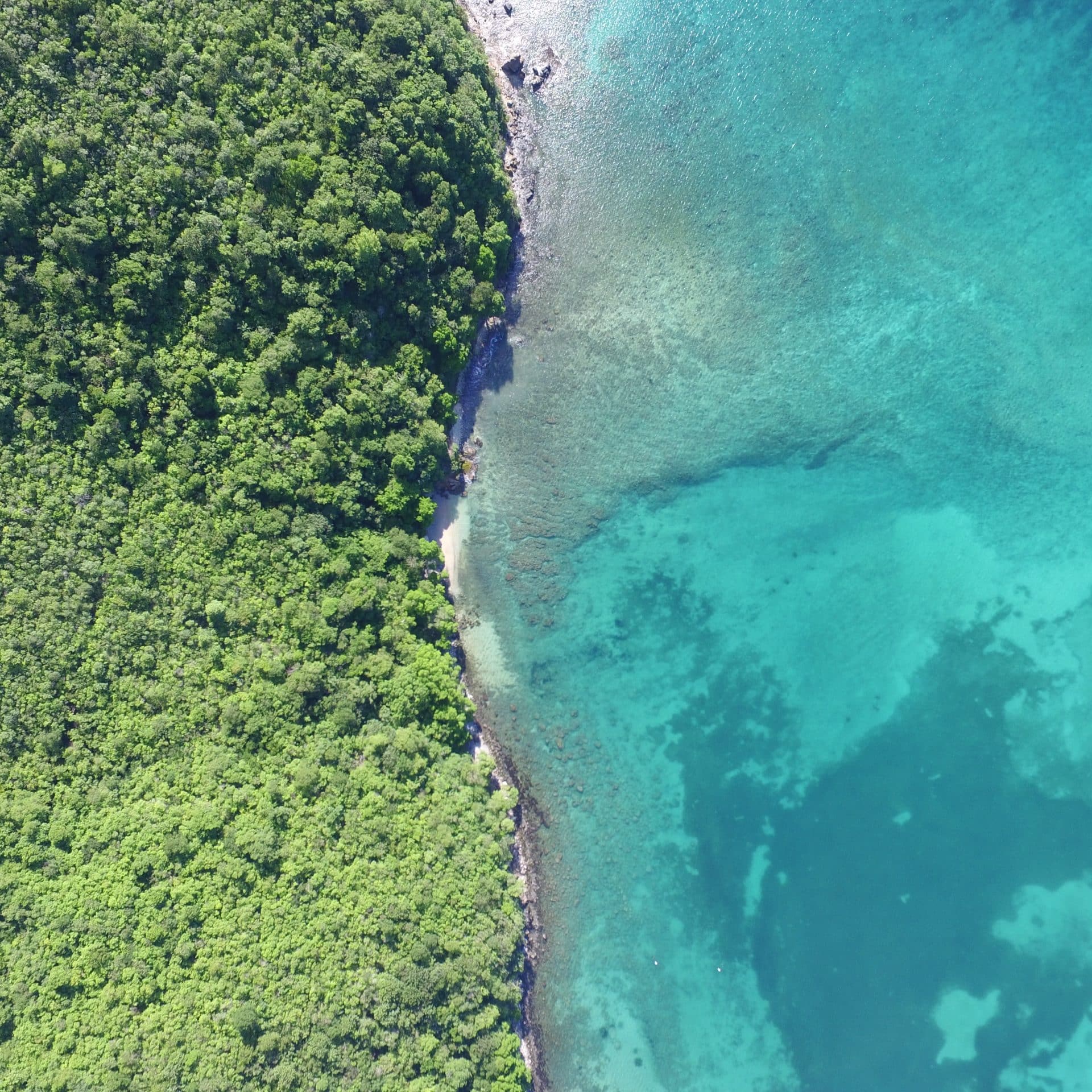
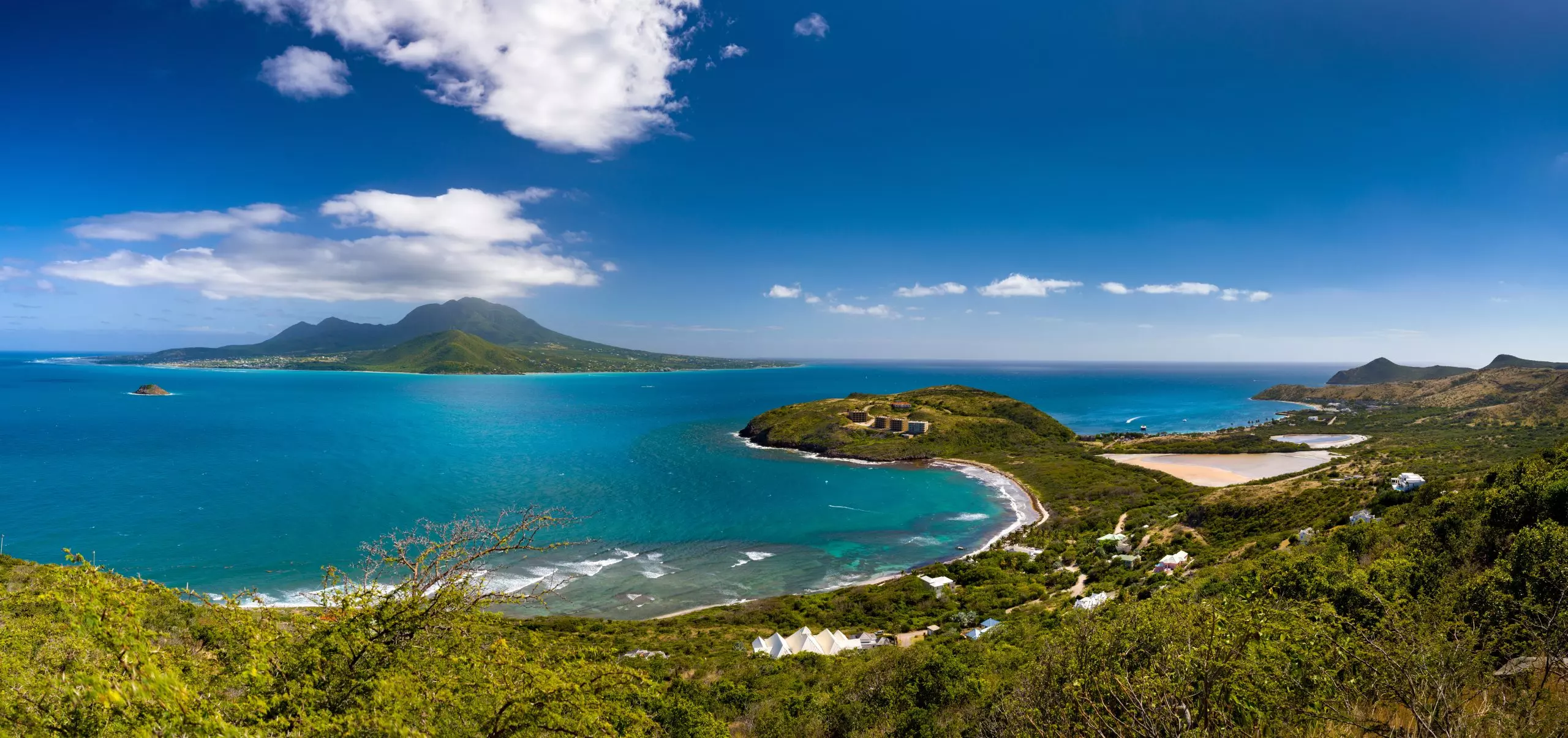
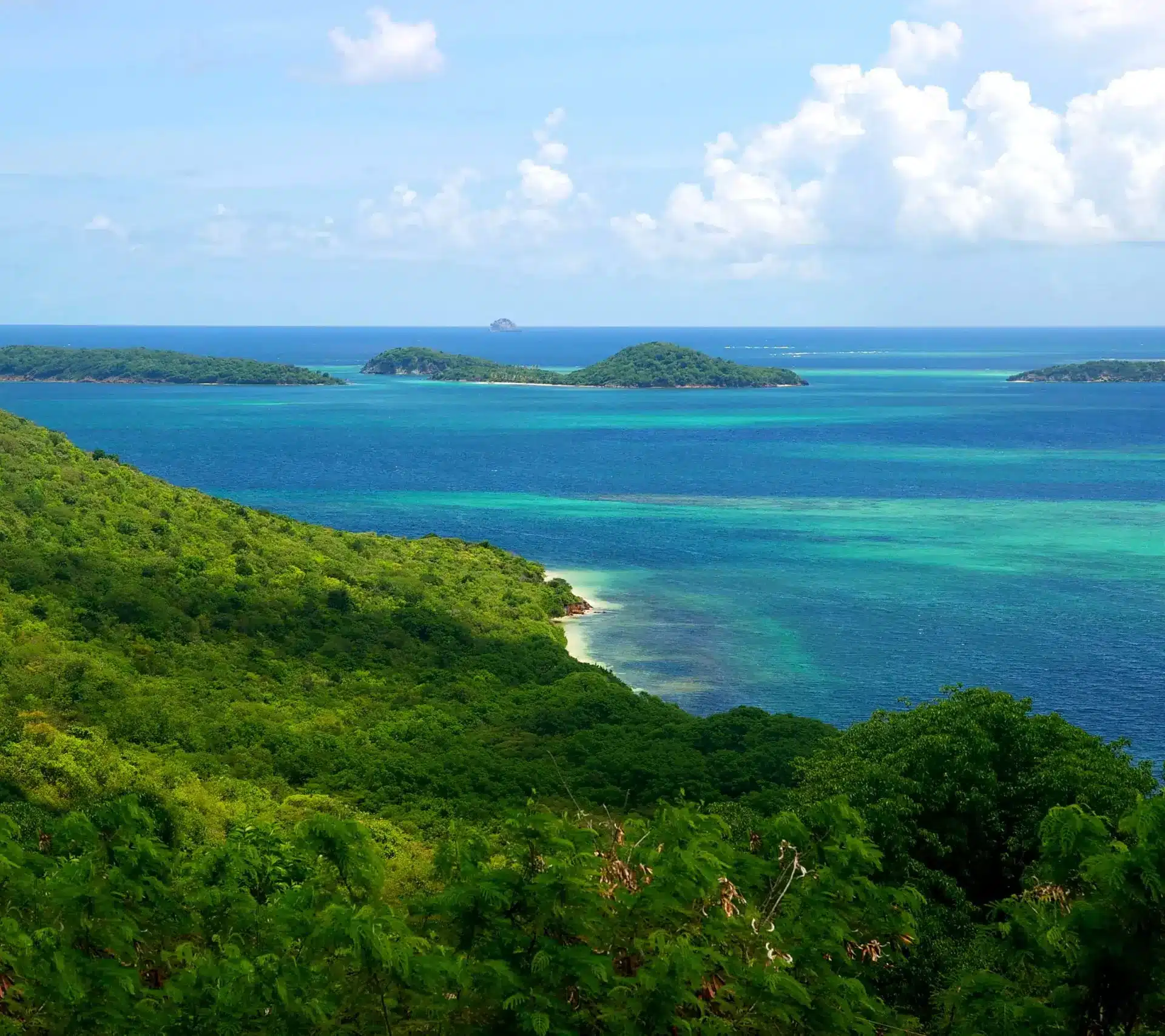
The southern Caribbean waters of St Vincent and the Grenadines are home to lush seagrass meadows, coral reefs bursting with colour, and tangled mangrove forests that shelter young fish. It is a rich marine realm of 36,000 sq km that supports queen conch, sharks, lobsters, and reef fish of exceptional variety.

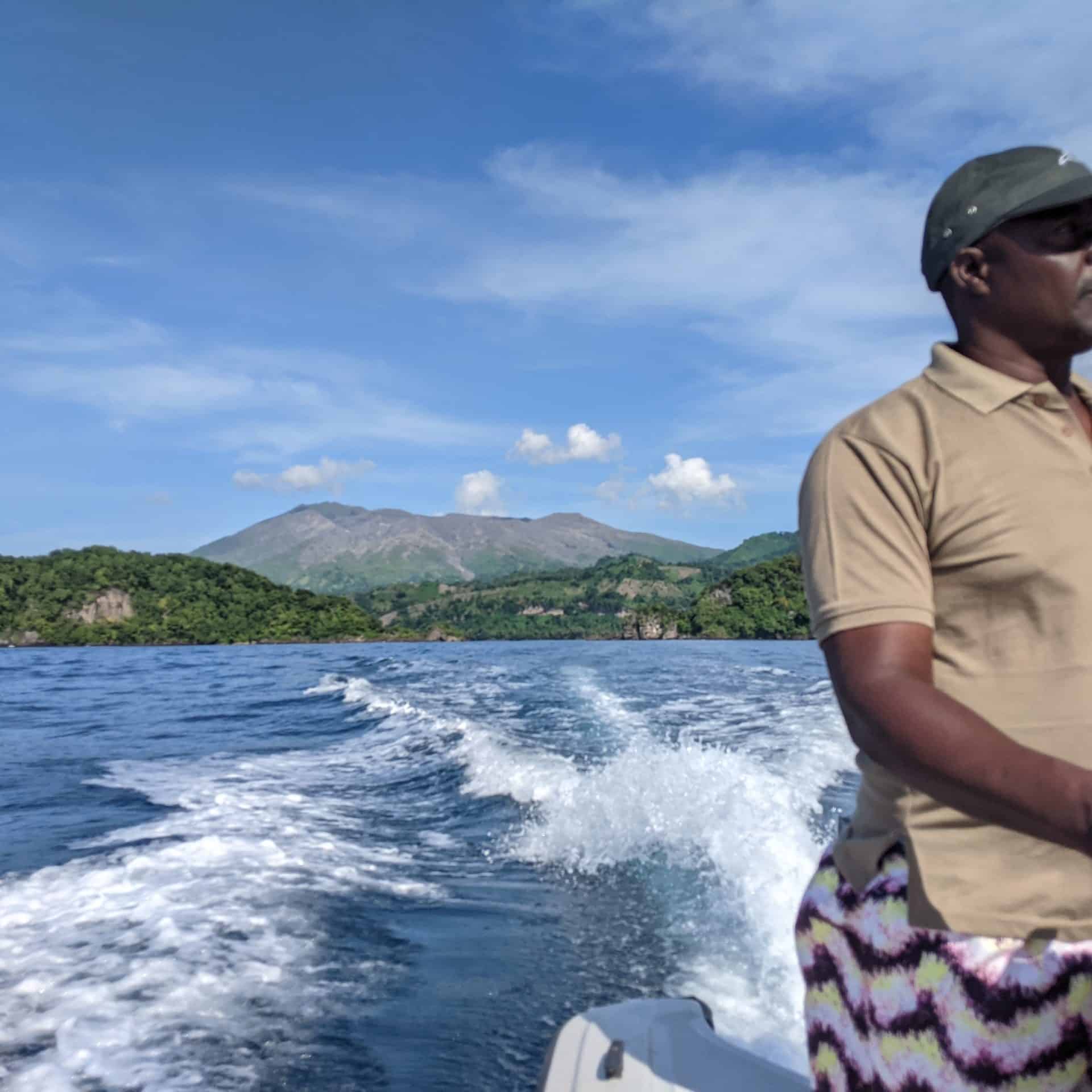
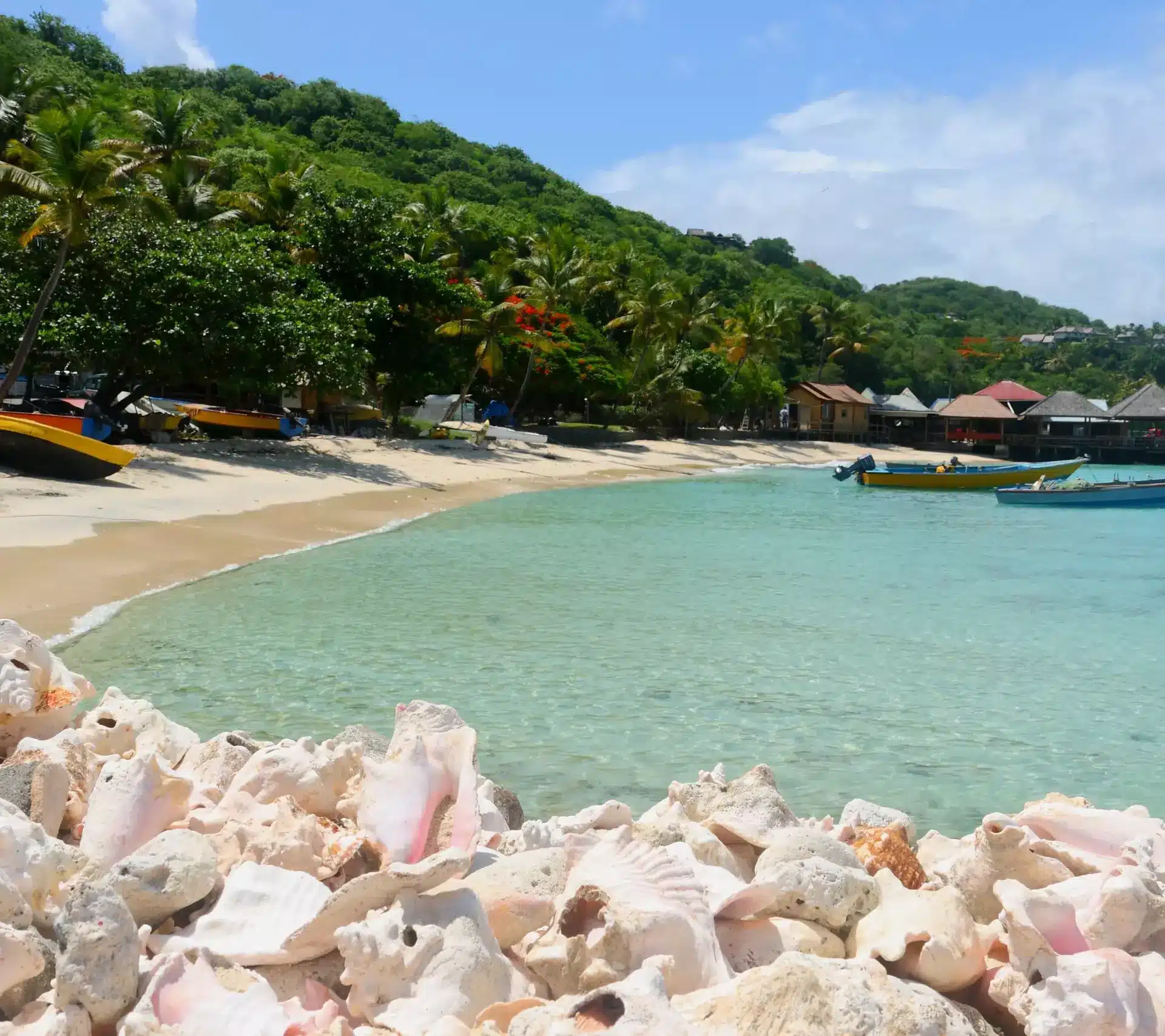
The ocean here provides a livelihood for fishers whose families have relied on the sea for generations. It’s a heritage woven into stories, festivals, and identity. The sea feeds, employs and defines the nation.  

Despite this strong sense of connection, the ocean is under strain. Only 0.23 per cent of SVG’s waters are strongly protected, and its designated marine protected areas (MPAs) lack enforcement. As a result, vital species are in danger. In particular, the overfishing of conch is leading to dwindling catches.
 

Our strategy

Working alongside the St Vincent and the Grenadines Environment Fund (SVGEF), Blue Marine has spent the past five years listening to fishers and collaborating with the government. In 2022, the Ministry of Agriculture invited our experts to conduct a comprehensive marine assessment, which found that species such as the queen conch are being overfished to critical levels. Fishers who depend on the ocean may soon find nothing left to catch. 

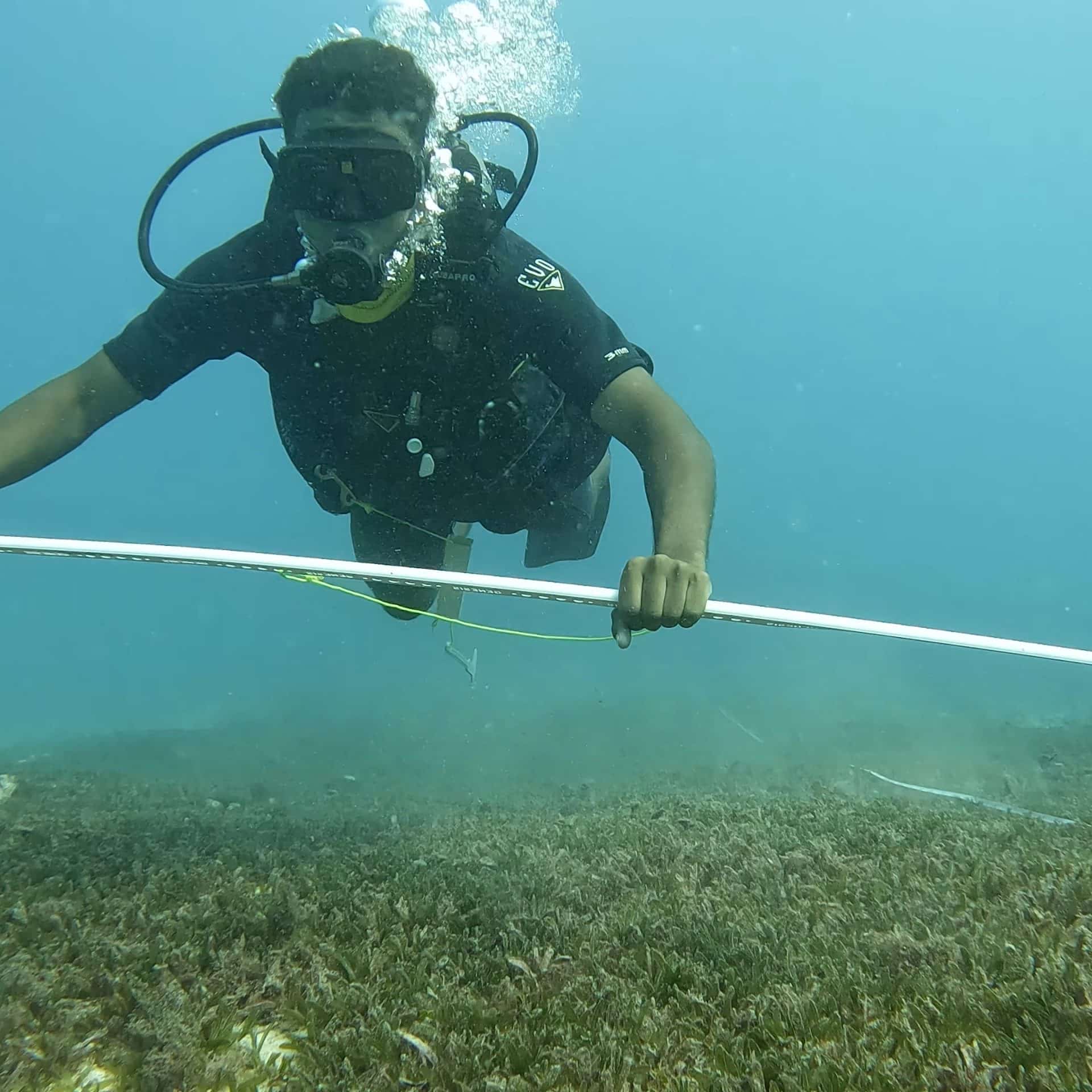
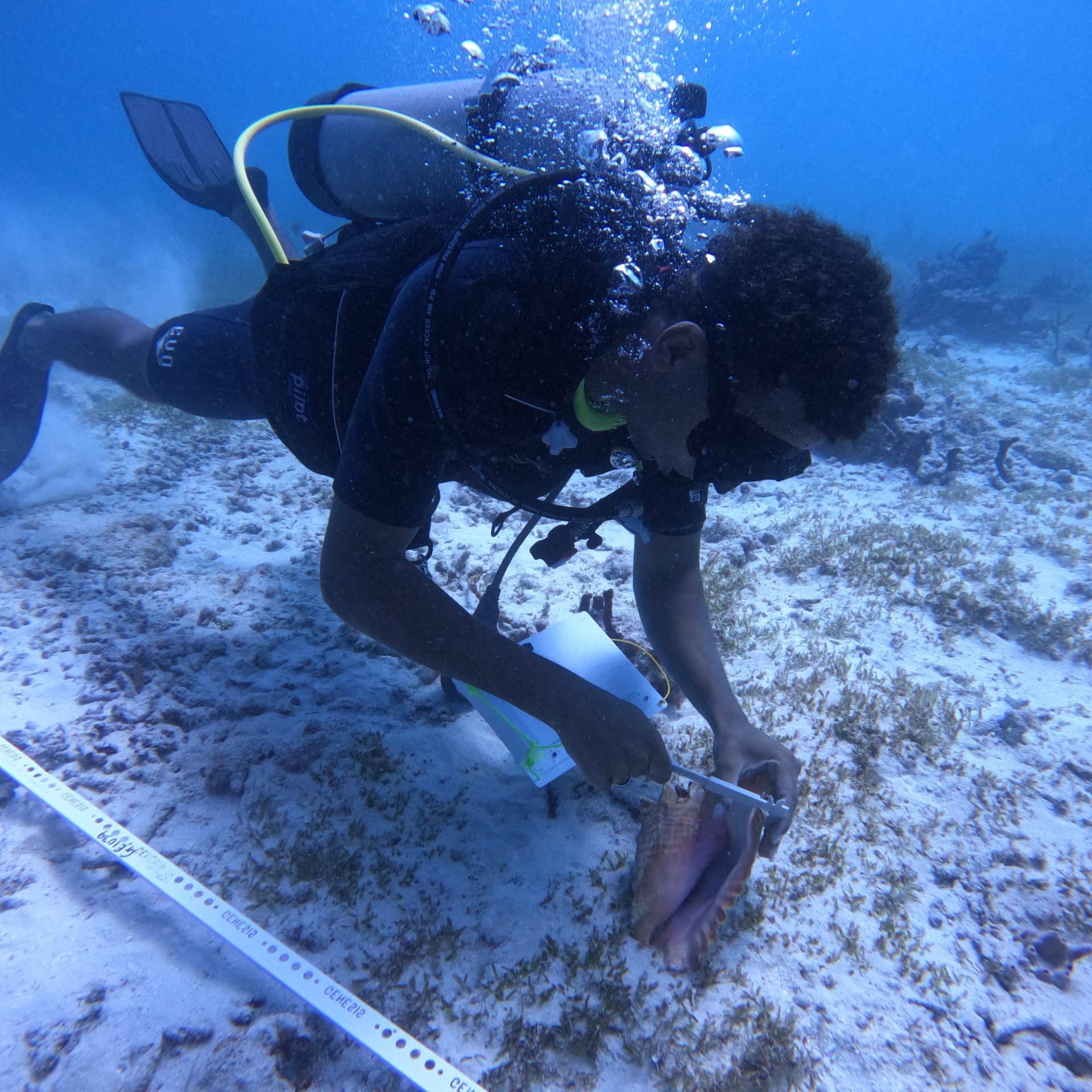
Blue Marine and SVGEF are now turning assessment into action. In 2024, fishers themselves proposed and approved a ‘closed season’ during conch spawning, and conch nursery areas to be closed to fishing. Young Vincentians are being trained as survey divers to monitor stocks, building careers that protect the resources on which their families rely. 


Our Impact

  • Conducted dive surveys of conch and reef fish to understand stock health
  • Government declares three-month closed season during spawning season
  • Four nursery rest areas proposed in seagrass beds

Work in the field

Community ownership is more than strategy  it’s transformation. In 2025, local whalers not only proposed but agreed to an immediate ban on hunting orcas. Days later, a pod of eight orcas swam safely past their boats, spared by their collective decision. Soon after, legal protection was officially gazetted for orcas and bottlenose dolphins, safeguarding them for future generations.  

Meetings with the Fisheries Minister, the Leader of the Opposition, national parks officials, fishers, and whalers have led to tangible commitments  including the creation of conch nursery zones and new management measures to protect SVG’s most vulnerable species. A movement is growing here: powered by science, shaped by community, and driven by the belief that the ocean’s future belongs to those who depend on it most. 

Stay connected

We respect your privacy. By subscribing to our email list, you agree to our Terms & Conditions.

This field is for validation purposes and should be left unchanged.

Stay connected

We respect your privacy. By subscribing to our email list, you agree to our Terms & Conditions.

This field is for validation purposes and should be left unchanged.