The challenge
To support a remote community that is hosting a remarkable protected zone, but lacks the opportunity to create revenue streams, such as tourism, that an marine protected area would usually afford.
To support a remote community that is hosting a remarkable protected zone, but lacks the opportunity to create revenue streams, such as tourism, that an marine protected area would usually afford.
As part of an innovative approach led by Royal Society for the Protection of Birds and National Geographic Society, Blue Marine is delighted to work with the Becht Family Charitable Trust to provide key long-term support for the community of Tristan da Cunha.
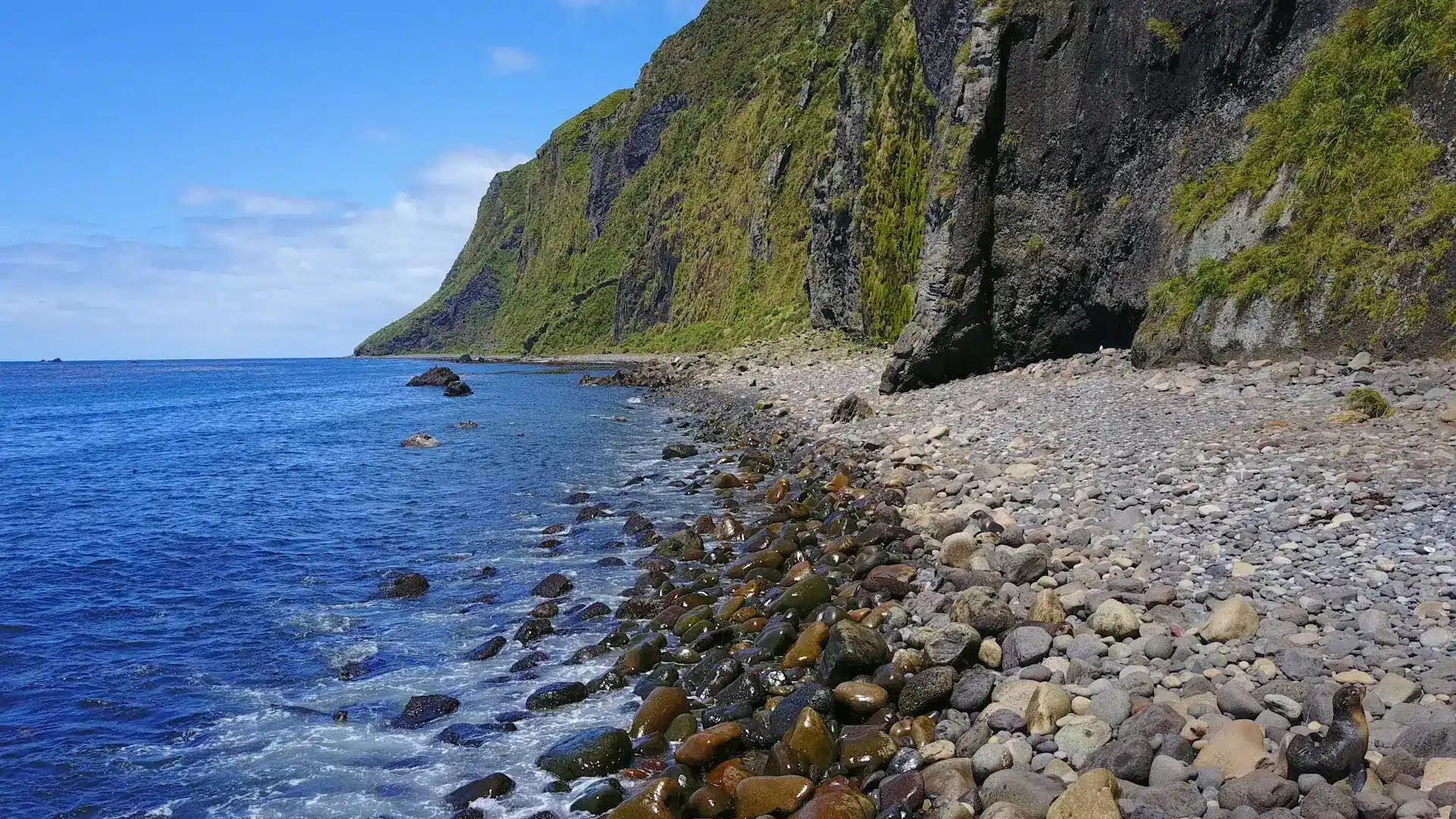
In 2020, the 250 people that comprise the population of the South Atlantic island committed to fully protecting an immense 687,000 sq km of their territorial waters from fishing and all extractive activities. It is the largest marine protected area in the Atlantic Ocean, covering an expanse nearly three times the size of the UK.
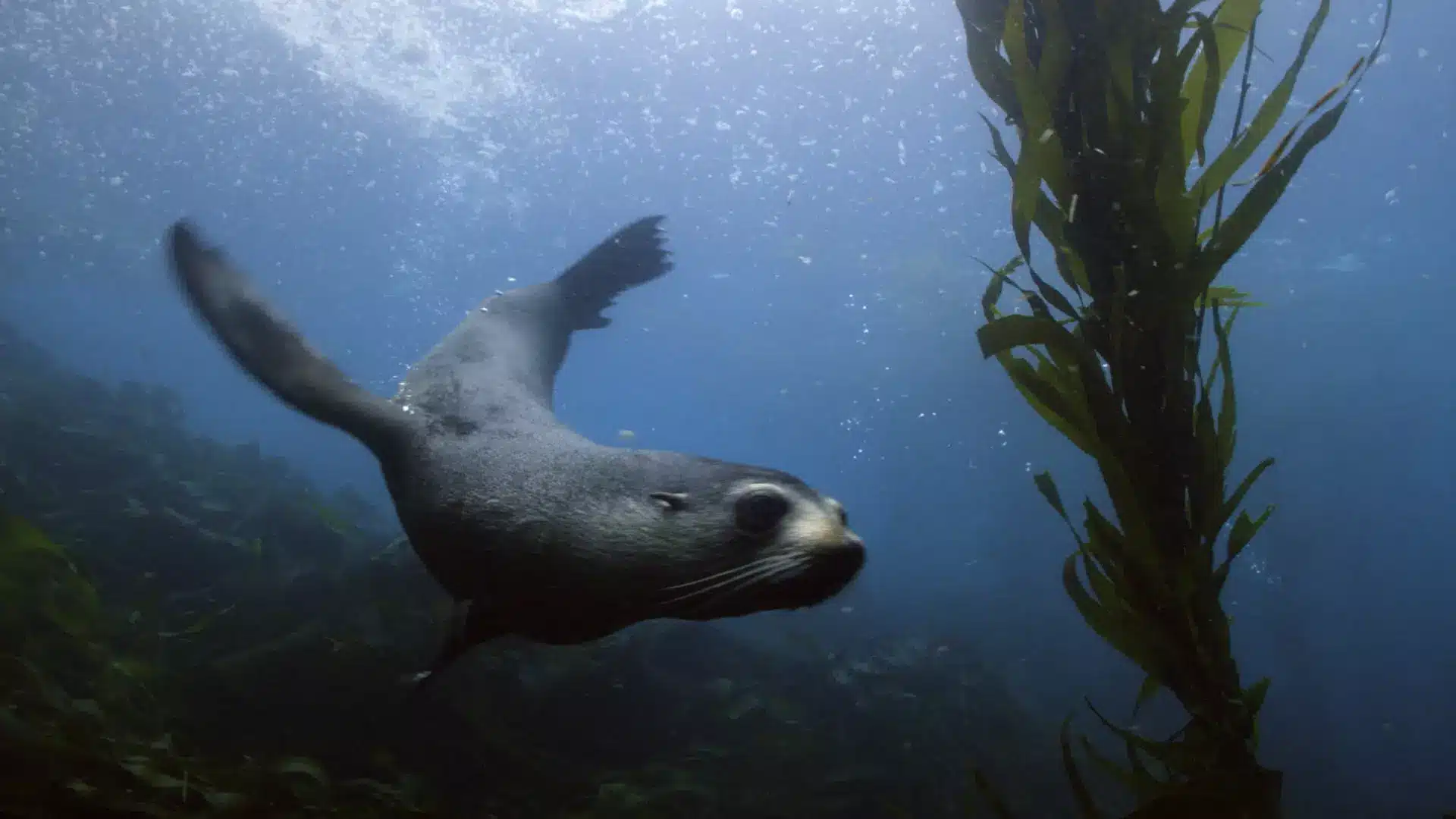
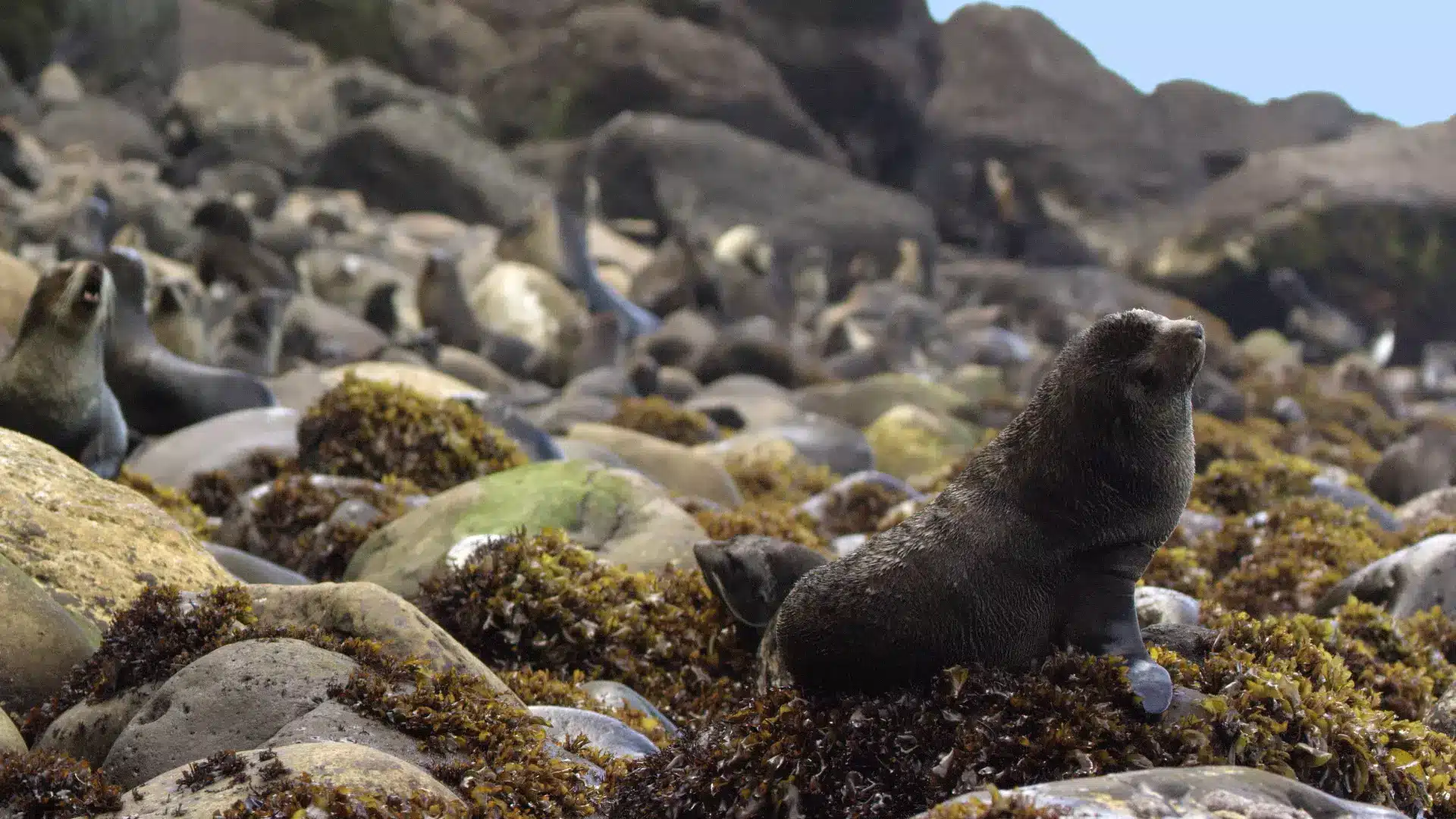
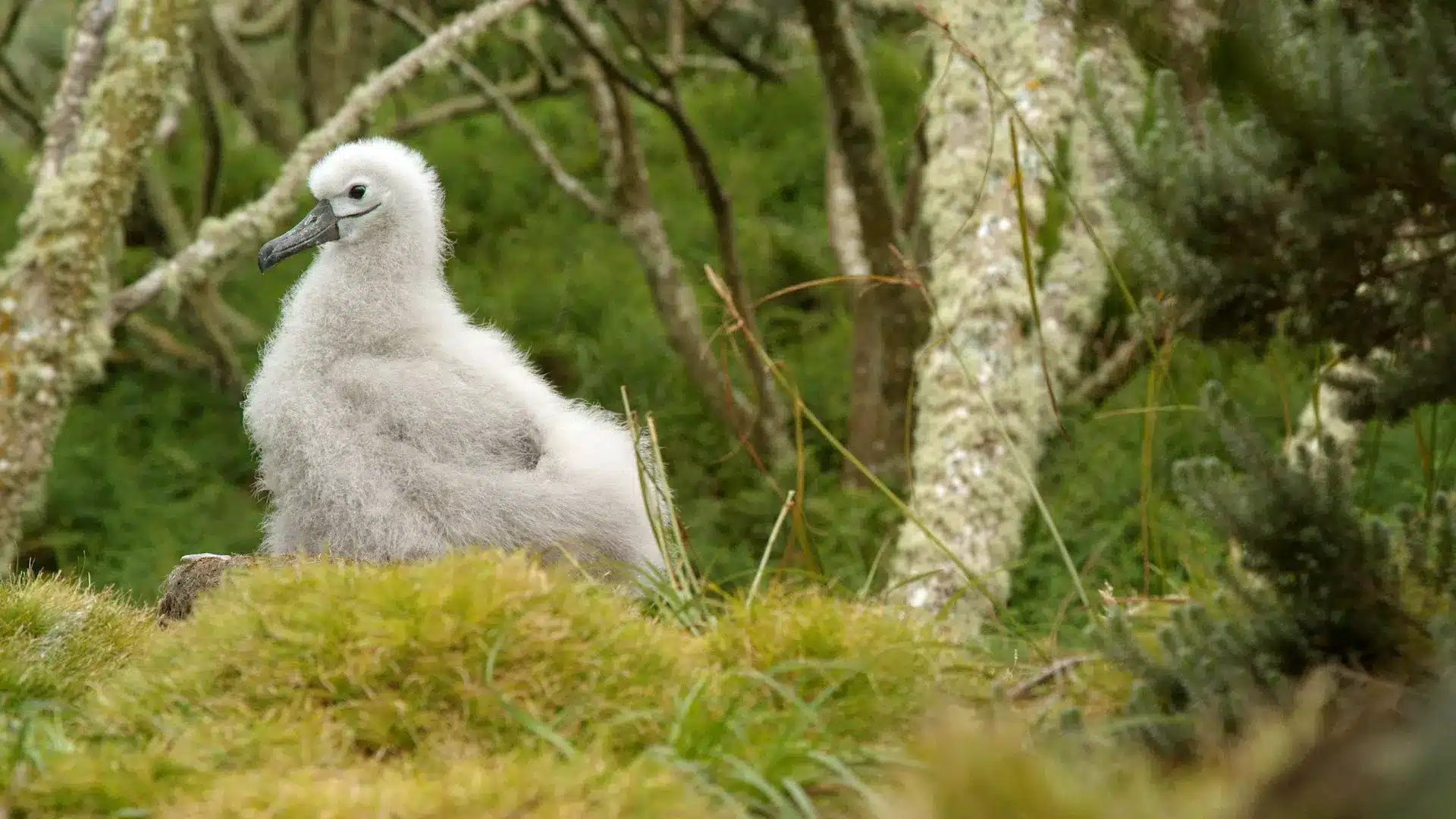
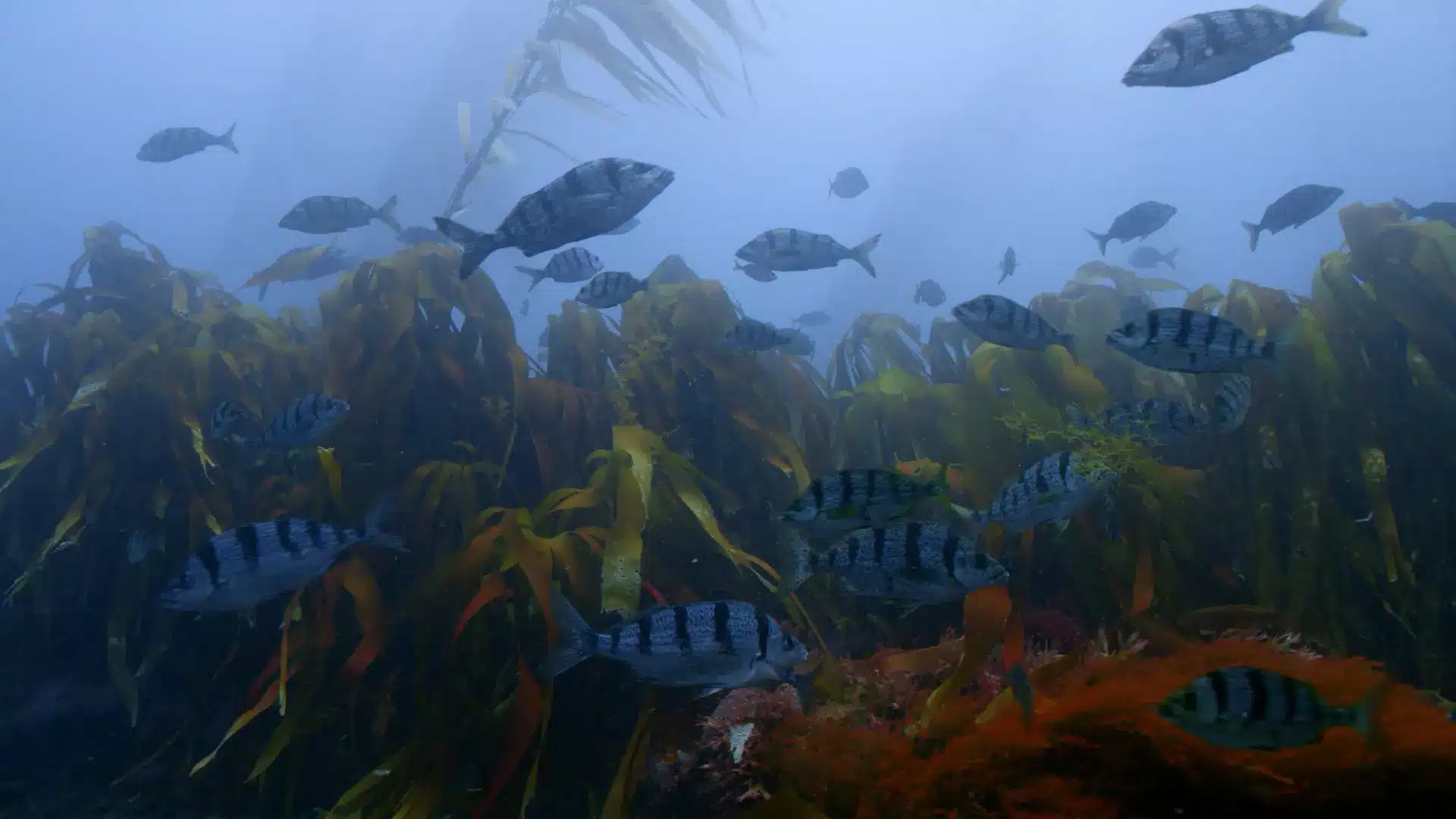
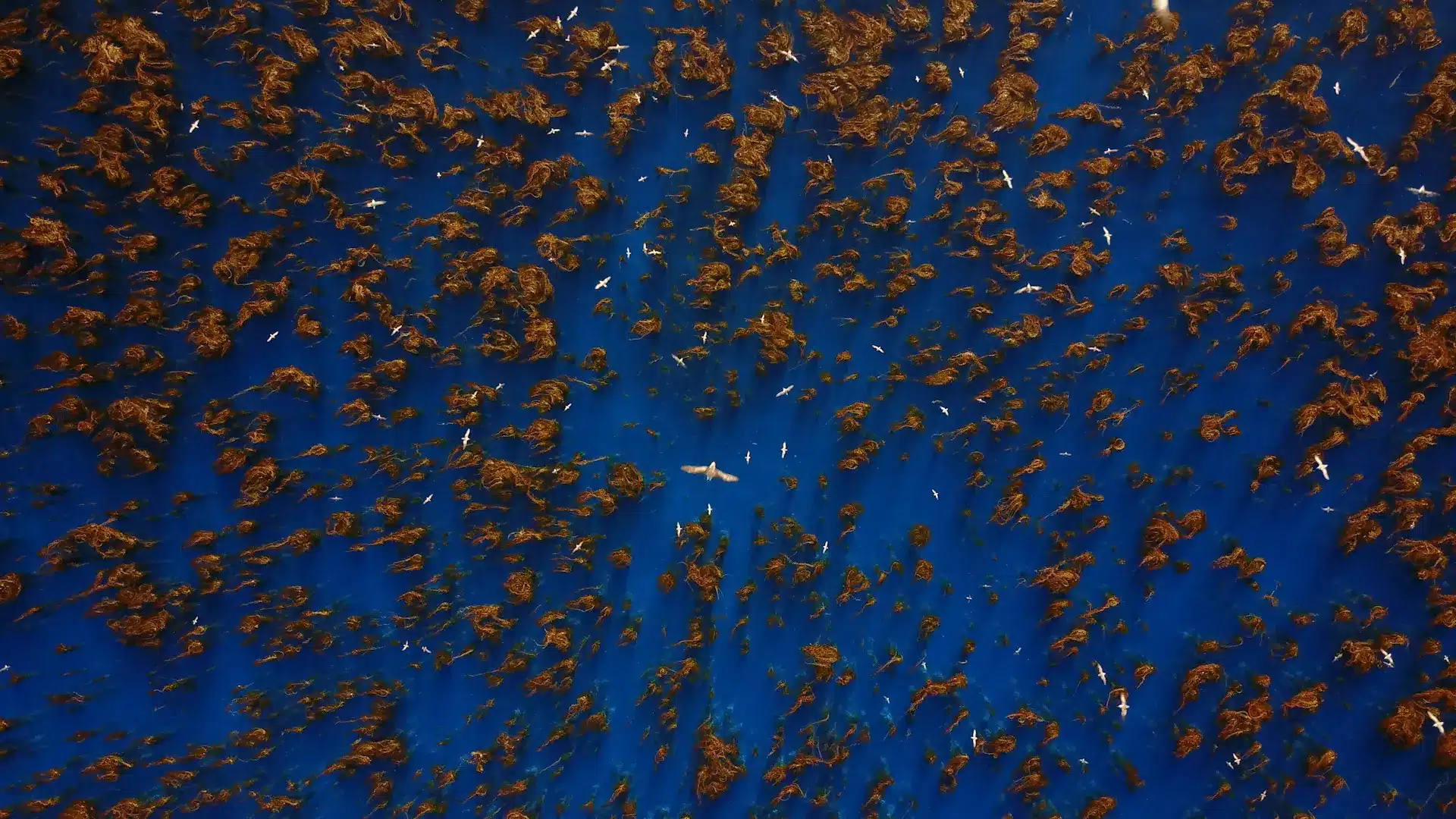
The exceptional commitment by the islanders is protecting some of the world’s most important breeding sites for seabirds, including the endemic Tristan Albatross, a critically endangered species. It also safeguards penguin colonies, as well as populations of seals, bluefin tuna and blue sharks.

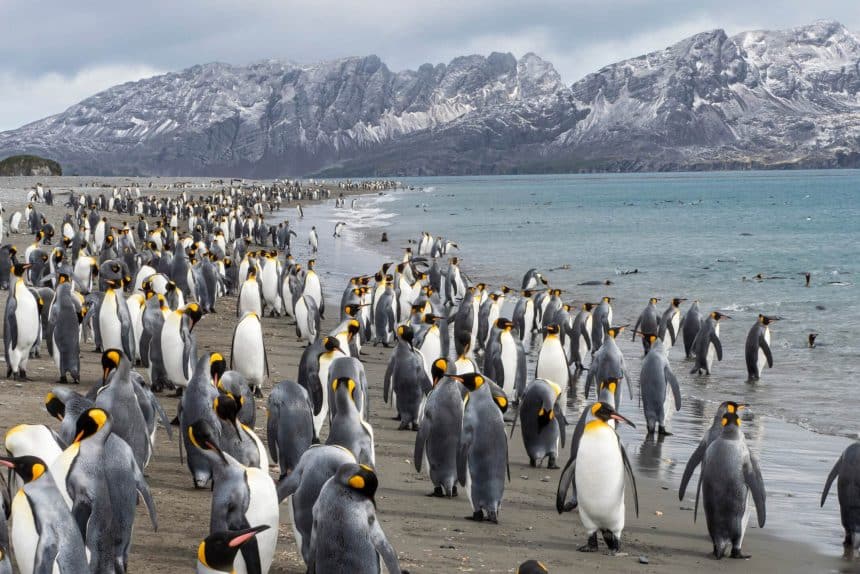
Whales migrate from South America along a ‘humpback highway’ to feed in the Southern Ocean. Blue Marine has helped protect a huge part of it, around the UK territory of South Georgia and the South Sandwich Islands (SGSSI).
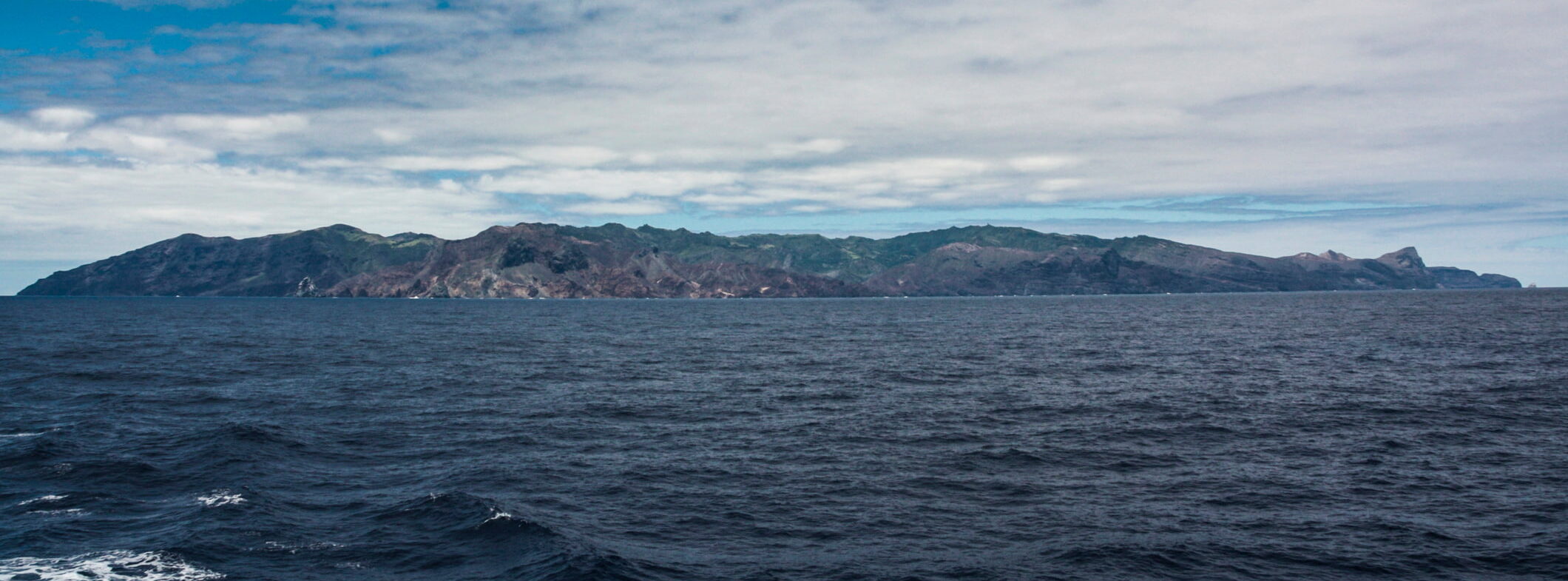
The marine protected area (MPA) of 445,000 sq km around the South Atlantic island is part of a UK conservation programme that safeguards 4.4 million sq km of ocean – the largest and most diverse in the world.
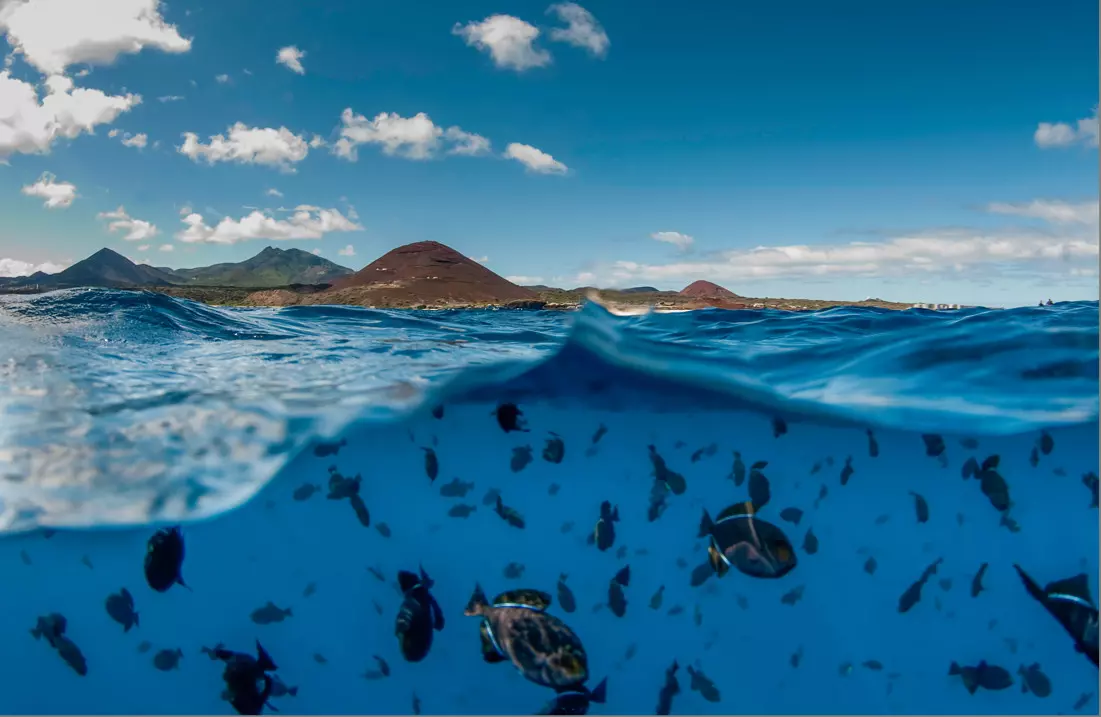
Blue Marine Foundation has helped transform the isolated UK Overseas Territory of Ascension Island into a vast no-take zone where marine life proliferates.
We respect your privacy. By subscribing to our email list, you agree to our Terms & Conditions.
We respect your privacy. By subscribing to our email list, you agree to our Terms & Conditions.