Project

Caribbean

Marine protection in the Dutch Caribbean

This cluster of six islands hosts a huge variety of species, many of them unique. Its governments and conservation groups have made major marine protection commitments — and Blue Marine is supporting their delivery.

Blue Economics

Blue Climate

Marine protection

Marine Life

The challenge

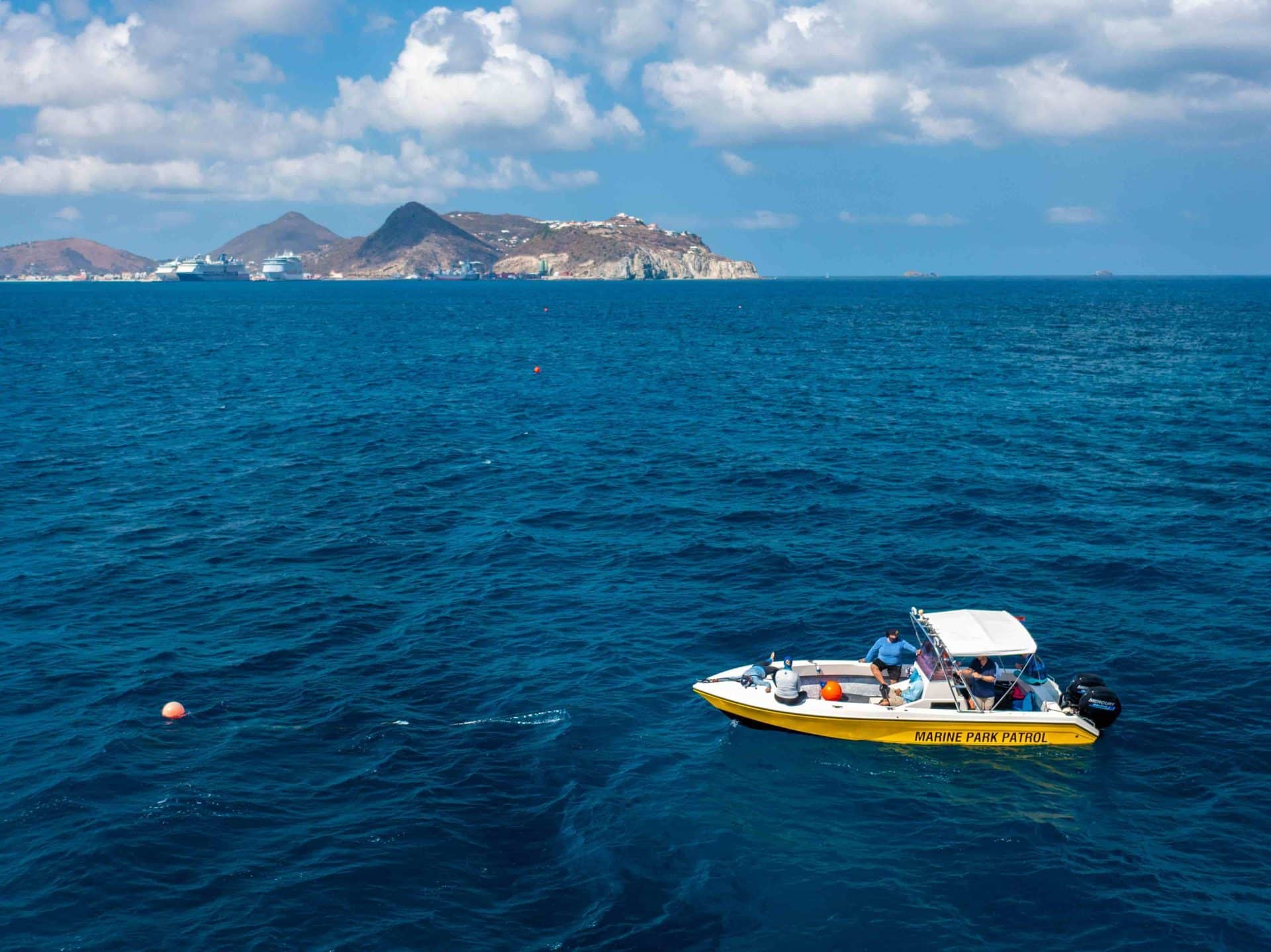
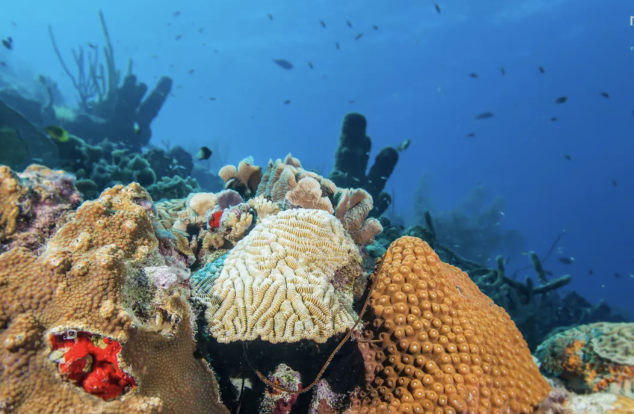
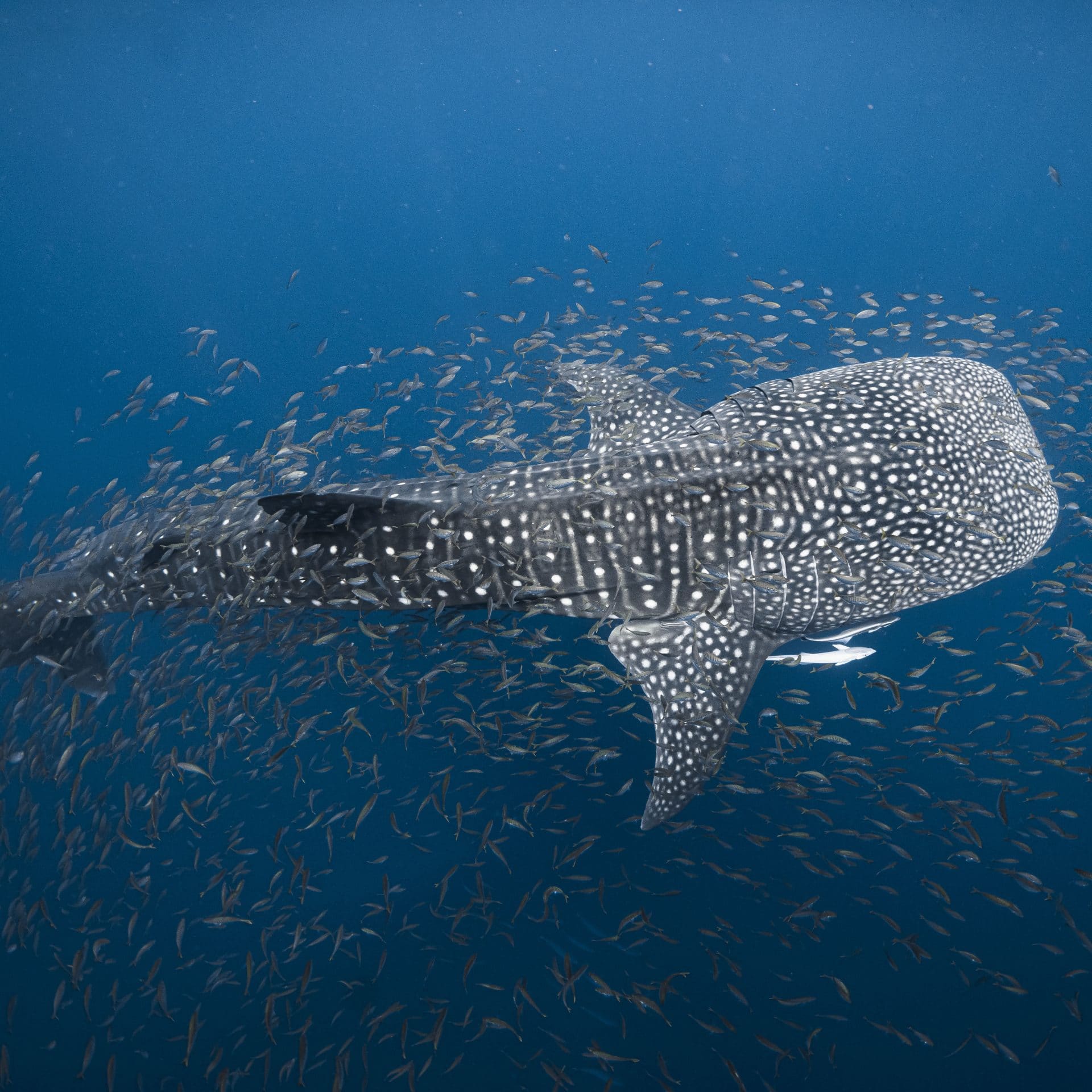
The six islands of the Dutch Caribbean are home to globally threatened biodiversity, and a migratory stopover point that is home to hundreds of species of fish, 25 species of sharks, and many species of whales, dolphins, and seabirds. The combined exclusive economic zones (EEZs) of Aruba, Curaçao, Sint Maarten, Bonaire, Sint Eustatius, and Saba cover 81,000 sq km, and their coral reefs make up some of the only healthy, living reefs left in the Caribbean. Climate change has resulted in ocean warming, acidification, and an increase in storms here, all of which threaten reef survival.
 

Our strategy

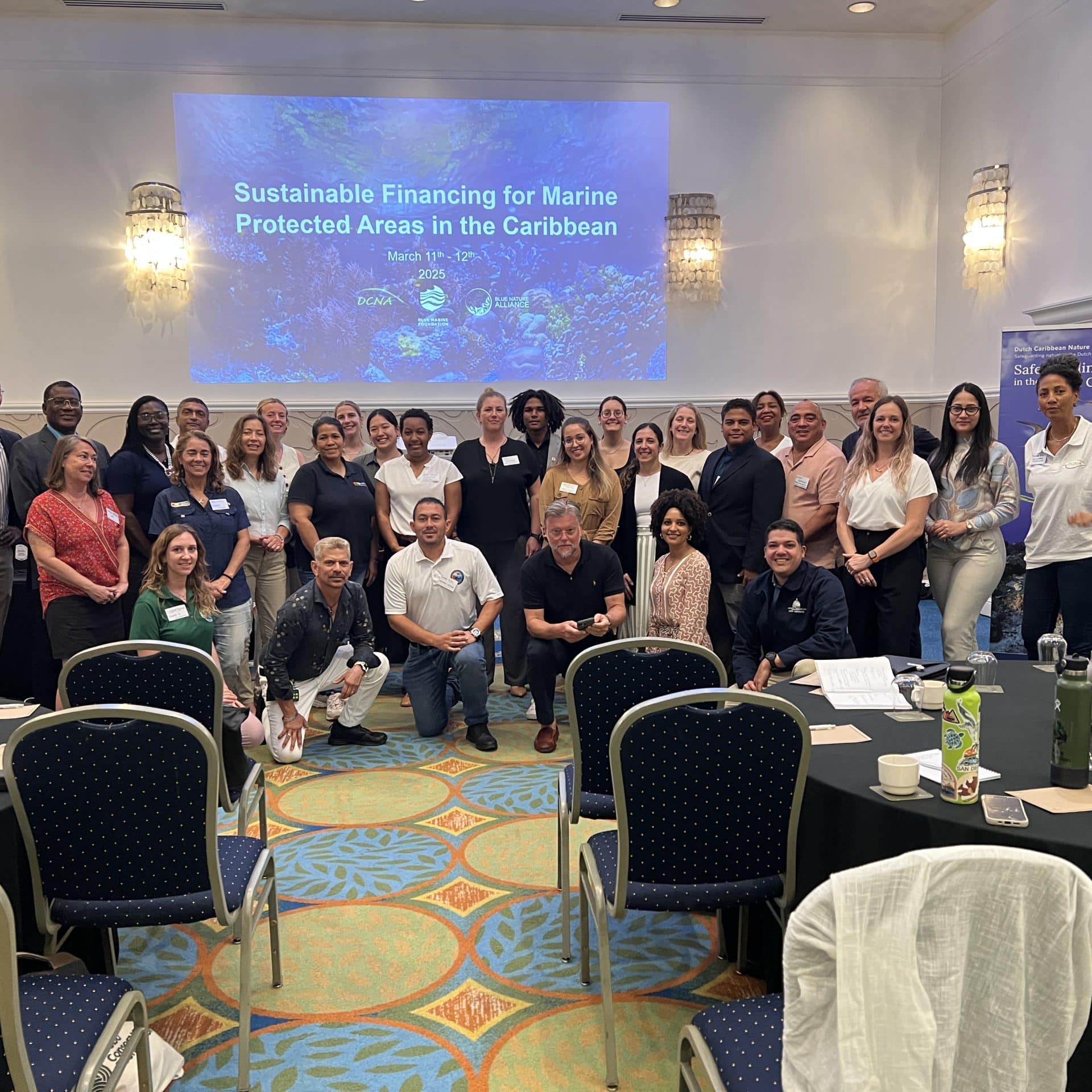
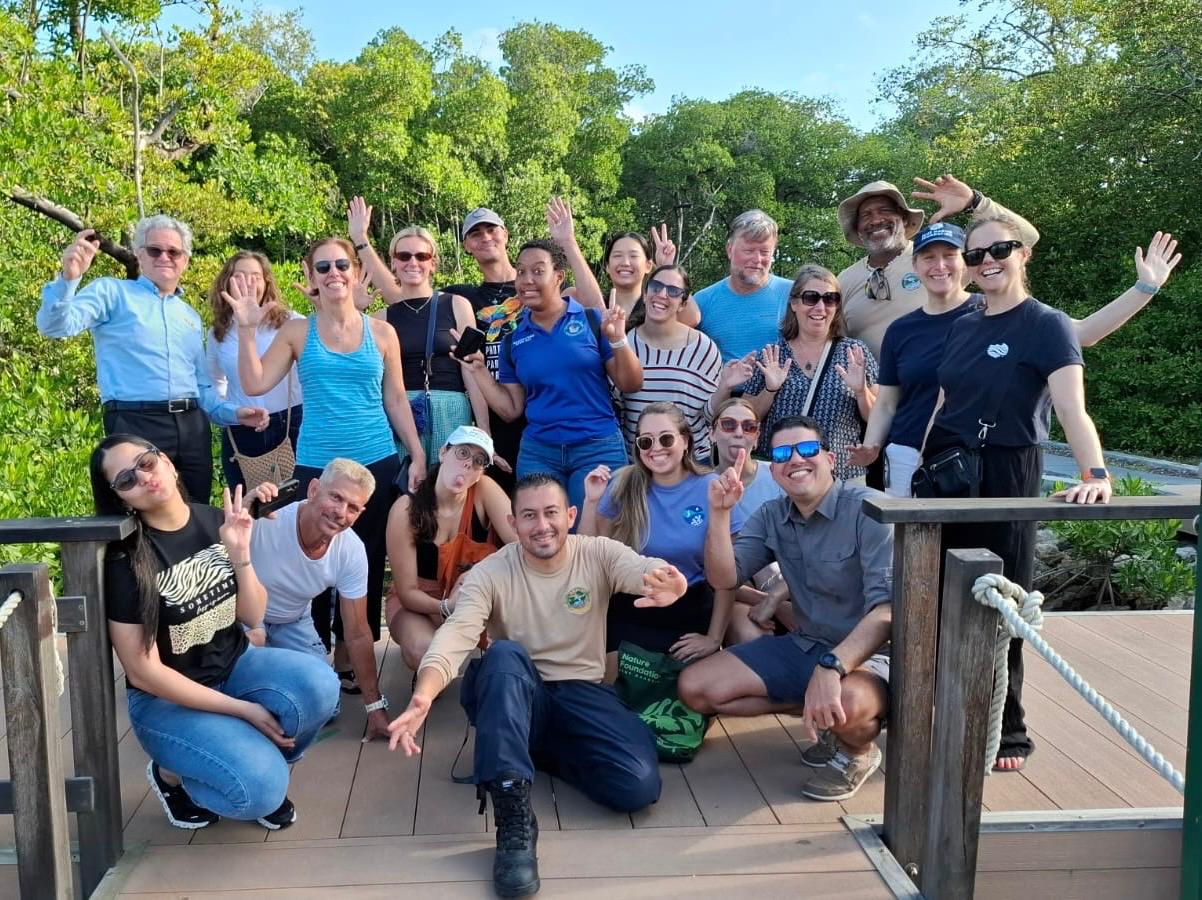
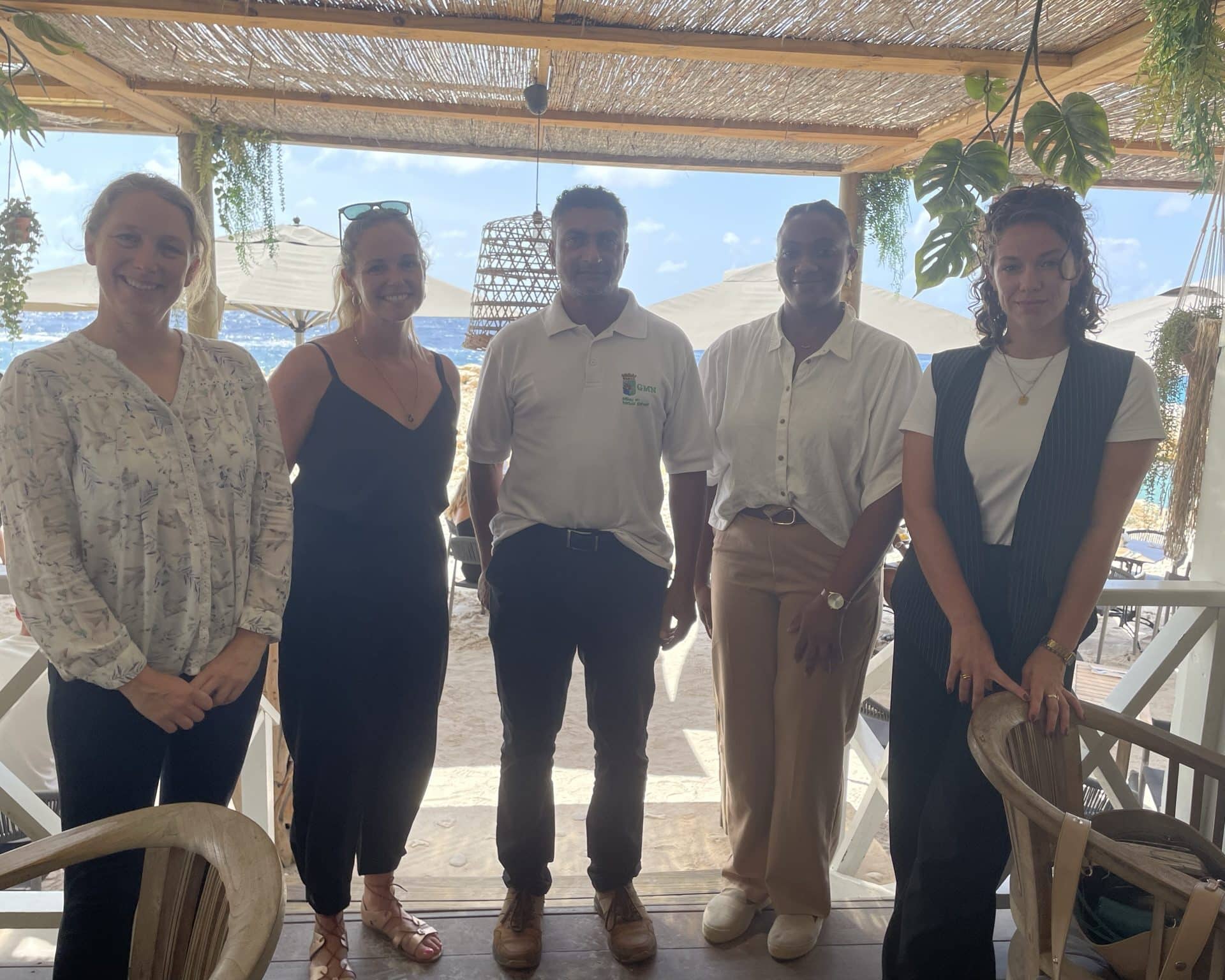
Blue Marine is working with the Curaçao government and local NGO partners to protect 30 per cent of its waters. To build momentum among other islands towards the 30 per cent target, in 2025 a Blue Marine workshop brought together governments from all six Dutch Caribbean territories, Barbados, St Vincent and the Grenadines, St Kitts and Nevis, and the Dominican Republic to discuss sustainable long-term financing options for MPAs. 

Our Impact

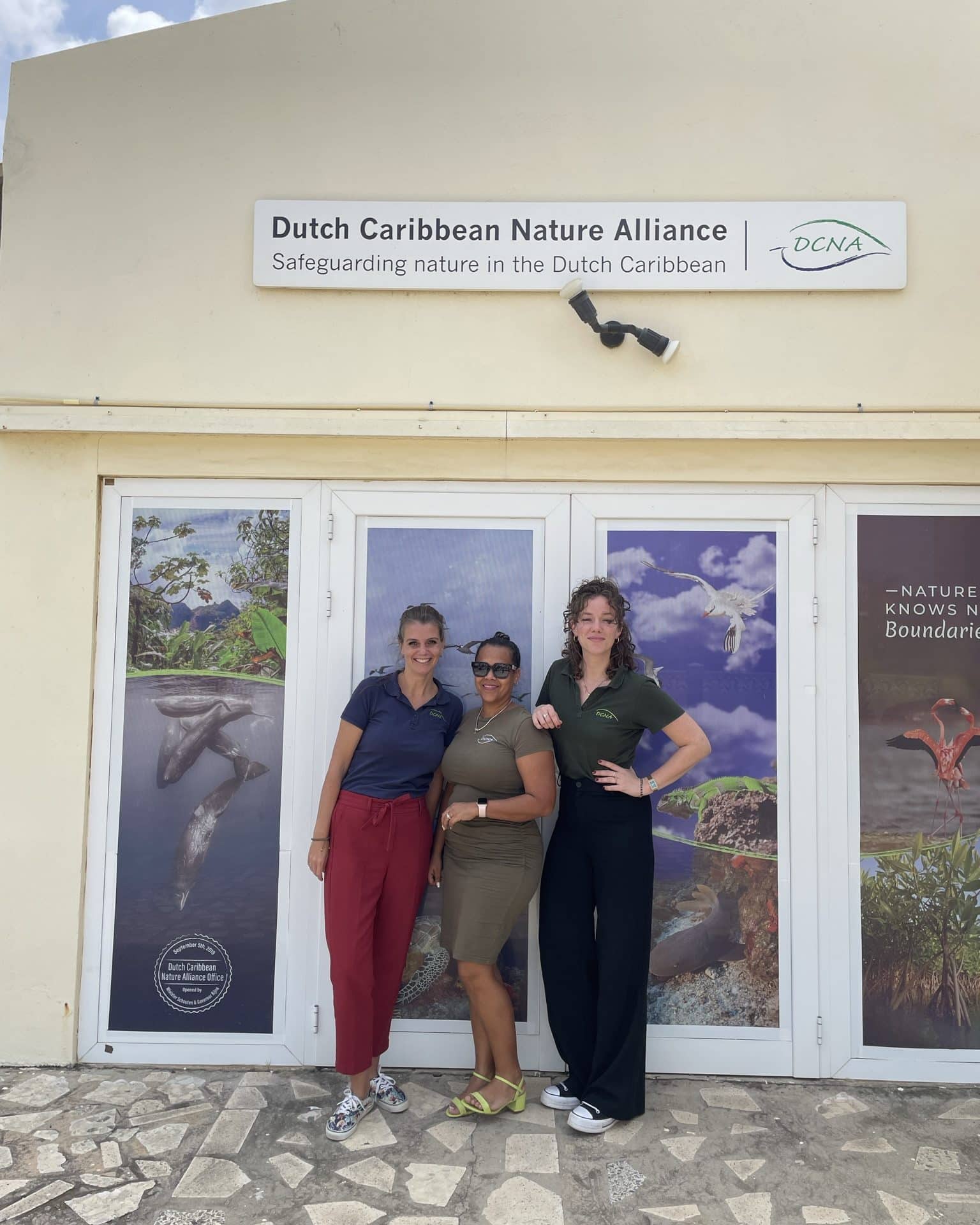
  • In 2023,with partners DCNA and Blue Nature Alliance, we helped to catalyse major government commitments at the Our Ocean Conference in Panama.   
  • Aruba committed to creating a large MPA spanning their entire ocean area of 25,199 sq km.  
  • Curaçao said it will designate 30 per cent of its waters as a no-take MPA, covering 9,128 sq km.  

Work in the field

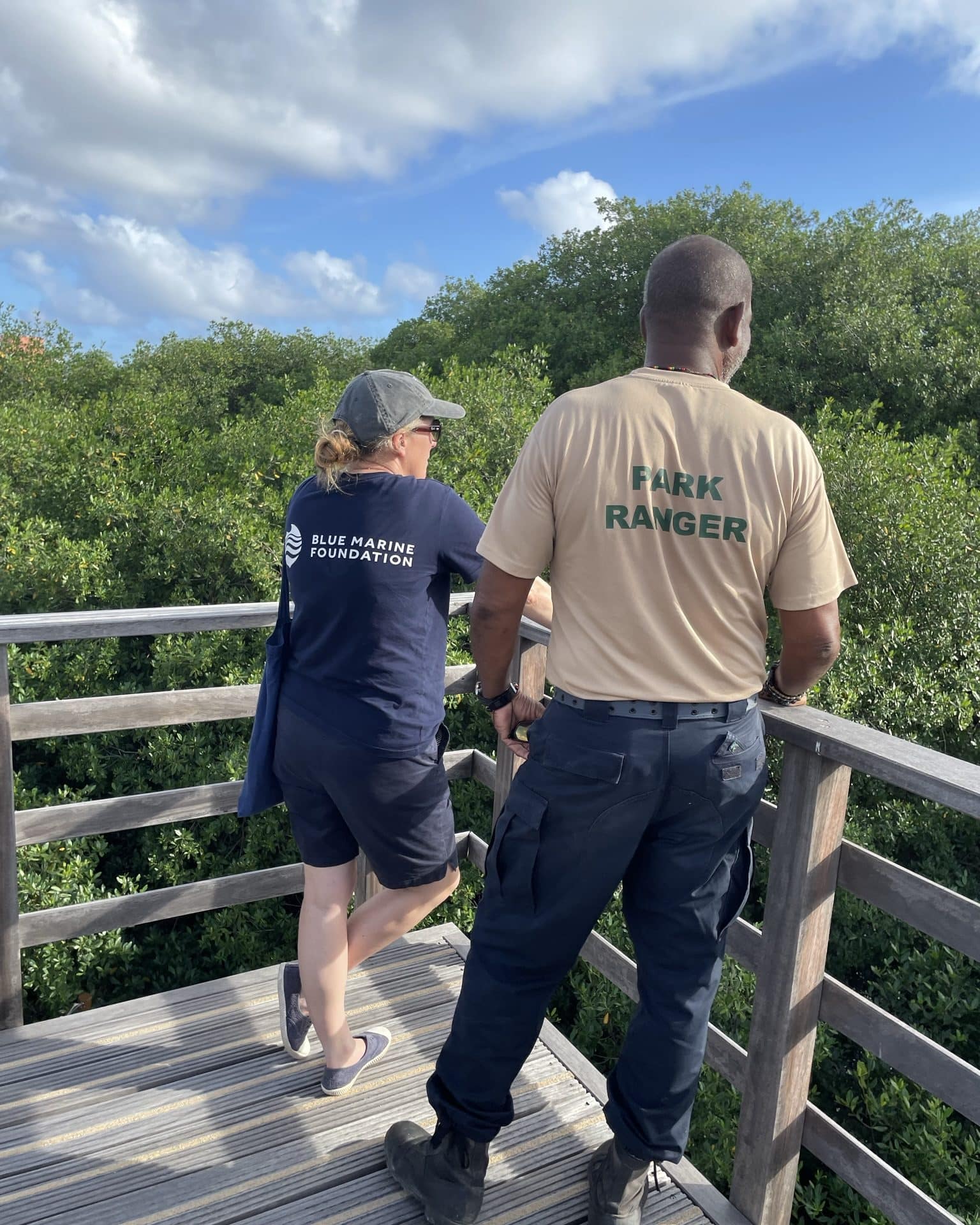
Across the region, from bans on catching parrotfish in Curaçao, to new seagrass and mangrove protections in St Maarten, the story of ocean conservation is being written by the communities that depend on the sea. In 2025, Blue Marine co-authored Curaçao’s National Biodiversity Strategy and Action Plan. Priority actions include: a 30 per cent offshore no-take MPA, reproductive zones for fisheries, habitat restoration, and a strong governance framework. At the 2025 UN Ocean Conference conservation-minded Prime Minister Gilmar Pisas reaffirmed his support, pledging not just paper parks, but enforced, meaningful protection. 

Stay connected

We respect your privacy. By subscribing to our email list, you agree to our Terms & Conditions.

This field is for validation purposes and should be left unchanged.

Stay connected

We respect your privacy. By subscribing to our email list, you agree to our Terms & Conditions.

This field is for validation purposes and should be left unchanged.