Learn more
The ocean as a climate ally
Covering 71 per cent of the world’s surface, the ocean is one of the biggest carbon stores on our planet. It helps reduce the impact of human-caused climate change – absorbing a quarter of carbon dioxide emissions and 90 per cent of the excess heat produced by human activities. Without it, the world would be 36 degrees Celsius hotter.
Carbon enters the ocean and moves around in various forms. Some of this carbon makes its way to the deep sea and seafloor, where if left undisturbed it will stay for hundreds or thousands of years. The Convex Seascape Survey is quantifying the role the seafloor plays in ocean carbon storage.
The role of thriving ocean life
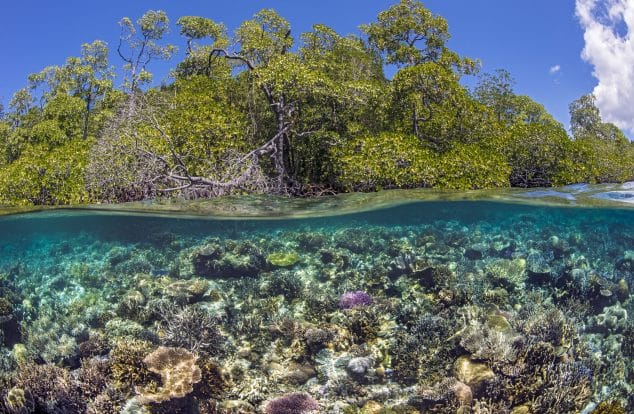
All living organisms in the ocean play a role in carbon storage. Coastal ecosystems such as saltmarsh, seagrass and mangroves can store carbon at rates many times more rapid than terrestrial forests.
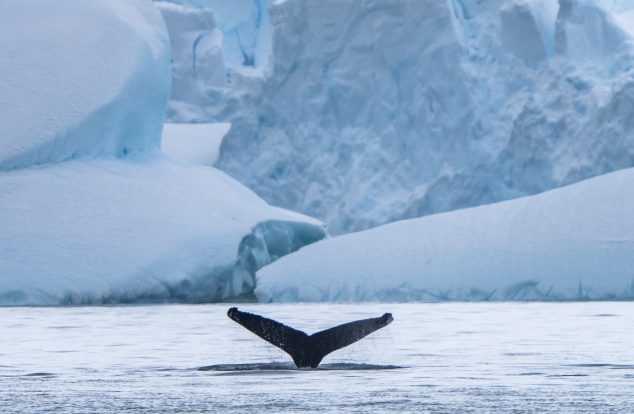
But fish and mammals are also vital: Whales swim vast distances around the globe and travel from the depths of the ocean to the surface. They act like vast ocean carbon conveyor belts, transporting carbon around the globe. Their faeces and urine feeds tiny plants called phytoplankton which absorb large quantities of carbon dioxide. When whales die, their bodies, along with other material, fall to the seafloor – locking away carbon in the deep ocean. The Convex Seascape Survey is investigating how marine life in healthy seascapes helps to trap carbon on the seafloor.
Protecting the ocean
Despite the importance of the ocean for all life on our planet, less than 10 per cent of the ocean is protected. Many species, like whales, travel great distances across the ocean. Protecting as much of the ocean as we can is fundamental to mitigating the impacts of climate change. Governments and NGOs need to work together to provide protection across borders, connecting areas and protecting ocean life as it moves throughout the vast ocean.
At Blue Marine, we want to see at least 30 per cent of the ocean protected by 2030, with the other 70 per cent sustainably managed. A healthy, thriving ocean will absorb more carbon, and is the ultimate nature-based solution.
Do more for the ocean
Want to do more to protect our ocean? Discover more actions you can take at home, at work or in your community to help protect and restore the ocean.
The Convex Seascape Survey
This humpback whale AR filter has been designed for the Convex Seascape Survey – a pioneering collaboration of world leading scientists working to quantify and understand blue carbon stored in the coastal ocean floor.
In partnership with Convex Group Limited and the University of Exeter, this is Blue Marine’s biggest project to date, delivering reliable, open-source data, which will educate, inspire and enable informed decisions on ocean use, to harness the power of the sea in the fight against climate change.
The Convex Seascape Survey will soon be launching a new immersive website to bring you the secrets of the seascape, and how our activities influence its carbon storage potential.
Discover the Convex Seascape Survey