Science
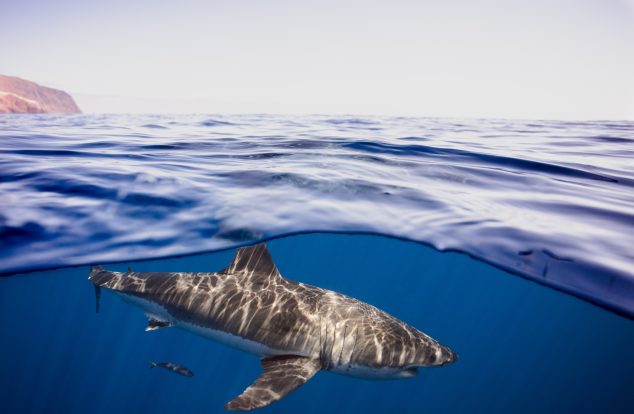
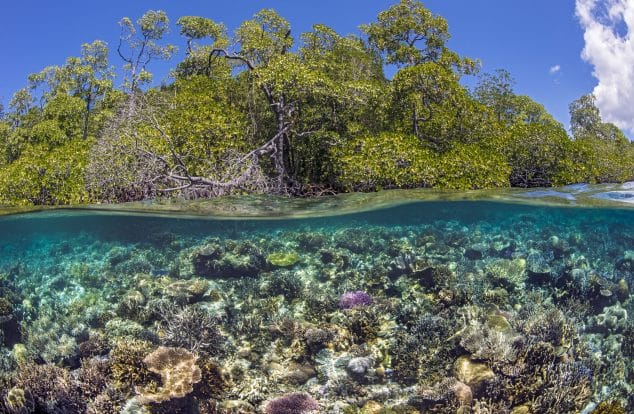
New research shows that the combined effects of ocean warming and acidification could lead to a catastrophic decrease in shark hatching success, dropping from 82% to 11% by 2100. Ocean acidification has also been found to simplify coral structure, making the crucial habitat less appealing to certain fish species.
New research shows artificial light shining from coastlines acts as “a midnight fridge” full of tasty snacks for predators, threatening young fish populations.
More whale falls have been found off the coast of Los Angeles than anywhere else in the rest of the world.
Fisheries
There is even more talk about the UK’s mackerel deal with Norway and the Faroe Islands. This week, it’s called ‘unprecedented and undemocratic’, criticism is made about the Tories for continuously favouring the pelagic fleet.
The scientific advice was released for some of the UK’s major fish stocks this week.
In French Polynesia, fishing is of paramount importance. Many residents depend on fishing to feed their families and make a living. Confronted with a decline in fish stocks, communities across the country are reviving a traditional method of managing natural resources called rāhui.
For the first time in history, FAO find we now farm more seafood than we catch from the wild.
California temporarily close the white sturgeon fishery while it goes under conservation review to determine if the species should be listed as endangered or threatened.
British Overseas Territories
Hurricane Beryl skirted the Cayman Islands on Thursday, bringing heavy rain and storm surge that caused pockets of serious damage but left the bulk of the territory largely unscathed. A potentially devastating Category 3 hurricane had slipped south of the islands, sparing Cayman the kind of battering endured by its neighbours in the eastern Caribbean. The World Meteorological Organization, which is tracking Hurricane Beryl’s deadly course through the Caribbean say that more similar storms could be expected in the future. Hurricane Beryl’s rapid intensification of Category 5 winds so early in the season are the signs of a warming world.
ASEAN & UNDP in collaboration with the governments of Indonesia, the Philippines, and Thailand, have launched a joint GEF-Funded marine conservation project: Effectively Managing Networks of Marine Protected Areas in Large Marine Ecosystems in the ASEAN Region.
The Global Environment Facility has approved the first funding related to the Biodiversity Beyond National Jurisdiction (BBNJ) Agreement, an important milestone for ensuring the health and resilience of more than two-thirds of the world’s ocean ecosystems.
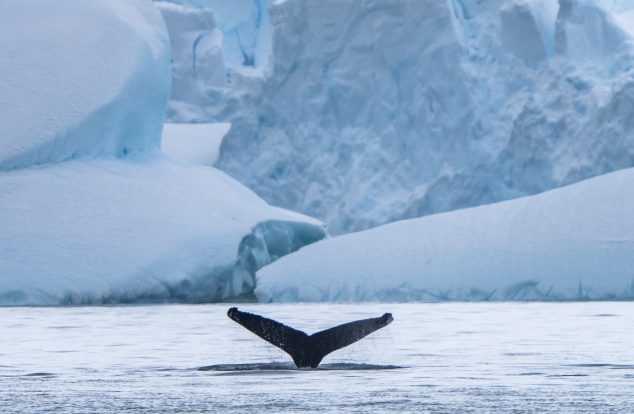
A fight is brewing over proposed speed restrictions for vessels along the US East Coast that aim to protect endangered North Atlantic right whales.
Scientists suggest that Atlantic Hurricanes, like the current storm Beryl, have developed faster and with greater strength over the past 50 years and that extreme wildfires have doubled in just 20 years. Extreme heatwaves highlight climate injustice while western countries fail to act. As the climate warms, many species are on the move, raising new challenges for policy-makers around the world. Some birds will win and some will lose with sea level rise.
The world’s most polluting fuel has been banned from the Arctic…but it’s still being used.
A scientist from UNSW explains how the climate crisis is affecting the mental health of young people worldwide.
With Labour’s victory, alongside strong Green performance, it gives Kier Starmer mandate to act boldly on net zero, say campaigners.
Misc
David Beckham is caught up in salmon storm as Norwegians claim the star was given special treatment for a fly fishing trip to the fjords, despite it usually being banned.
Dubai rowers are to brave the Arctic to highlight the plastic pollution crisis.
A fight over Seabed Agency leadership is turning nasty.
Book Suggestion: The Parrot & the Igloo, Exposing the History of Climate Change Denial. David Lipsky embarks on an ambitious initiative to untangle the complex history of climate change denial. With a deft hand, he weaves together a narrative that is both informative and captivating, exposing missed opportunities, deliberate misinformation, and the intricate dance between science and politics.