Science
As World Oceans Day approaches, scientists continue to make important discoveries about ocean life, including Caribbean researchers racing to understand a deadly coral disease, and a promising new treatment using probiotic paste that halts the disease in great star corals, bringing fresh hope for coral conservation.
Fisheries
France is under growing pressure ahead of the UN Ocean Conference in Nice, as environmental groups criticise the country for permitting bottom trawling in 98% of its Marine Protected Areas (MPAs).
MPs have called for a ban on bottom trawling in UK MPAs due to the destructive impact these practices have on the seabed and marine ecosystems.
There’s a growing fight over sprat fishing off Ireland’s south coast. Conservationists blame overfishing for the decline in whales and dolphins, while fishing groups say climate change is the main cause. Meanwhile, an Irish whale-watching company has stopped tours after 25 years, stating that “a small number of greedy fishermen with huge trawlers have overfished the sprats to the point of near extinction. There is nothing left for the whales to prey upon so they have moved on in search of prey elsewhere.”
UK Overseas Territories
Rachel Reeves may risk rare wildlife in the UK’s Overseas Territories by suspending the crucial £10 million Darwin Plus fund, sparking serious concern. Andrew Rosindell MP described the fund as “essential in protecting the unique environments and wildlife of the Territories, which hold the majority of the UK’s biodiversity.”
Following the signing of the Chagos deal, tensions persist with Tories and Farage opposing the agreement, while new concerns arise as microplastics are found in the remote manta ray feeding areas of the Chagos MPA, highlighting ongoing environmental challenges, even in isolated regions.
The Marine Conservation Society are hosting a virtual event on 12th June, titled “Amplifying Best Practice in the Caribbean UK Overseas Territories”, which will explore how community engagement enhances ocean restoration and supports a sustainable blue economy in the UK Overseas Territories
Marine Protection
A new report reveals that only $1.2 billion a year is currently spent on ocean protection, far less than the $15.8 billion needed annually to meet the goal of protecting 30% of the ocean by 2030.
In positive developments, Samoa has launched a plan to protect 30% of its ocean by establishing nine new MPAs to better manage its marine resources, and Norway has ratified the High Seas Treaty becoming the 31st country to do so, pledging to safeguard biodiversity in international waters. Meanwhile, the EU’s new Ocean Pact faces criticism for lacking strong enough measures to effectively protect marine ecosystems, falling short of the urgent conservation actions required.
Conservation
Less than 0.001% of the deep seafloor has ever been visually observed! A rare three-metre oarfish has washed up on a Tasmanian beach, offering a rare glimpse of the deep-sea species that usually lives hundreds of metres below the surface.
Studies show that most coral reefs depend more on nutrient-rich surroundings than previously believed, as shown by new research revealing that while the Great Barrier Reef can withstand rapid sea-level rise, it remains vulnerable to threats like poor water quality and warming temperatures. To better protect these ecosystems, scientists in Japan have developed a fast and accurate DNA test that can identify nearly all reef-building corals, improving monitoring efforts.
Climate Crisis
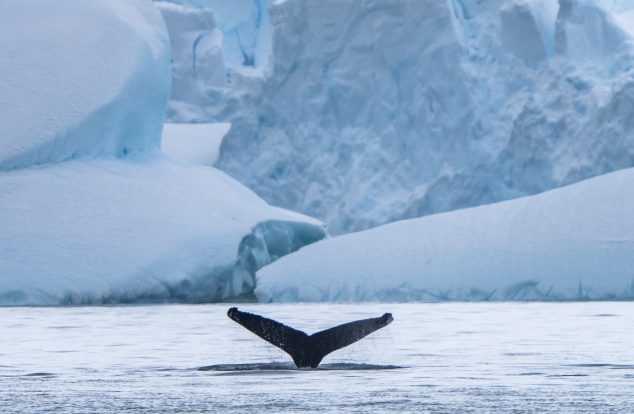
A new study has warned that even slight increases in ocean temperatures could trigger the collapse of the West Antarctic Ice Sheet, raising global sea levels by around four metres over time. As melting ice caps drive sea levels higher, coastal communities face displacement, yet governments remain insufficiently prepared for this challenge. Climate change and shrinking Arctic sea ice also threatens bowhead whale populations, as they could lose up to 90% of their habitat by 2100 if high emissions continue.
The Australian government is facing accusations of “gaslighting” the public on climate change by approving major fossil fuel projects, while the UK Labour government is being criticised for using Brexit-related changes to weaken nature protection laws, with a new planning bill threatening over 5,000 of England’s most protected natural habitats.
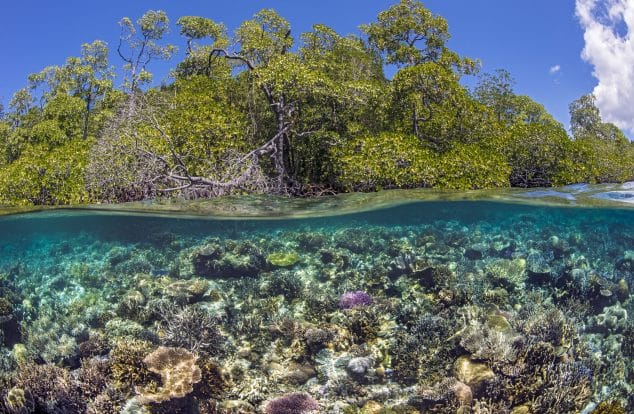
Hope remains as vital carbon-storing mangroves show remarkable resilience to climate change, fully recovering lost carbon from hurricanes within just four years and demonstrating their ability to withstand climate-driven disturbances.
Misc
See this week’s wildlife photos.
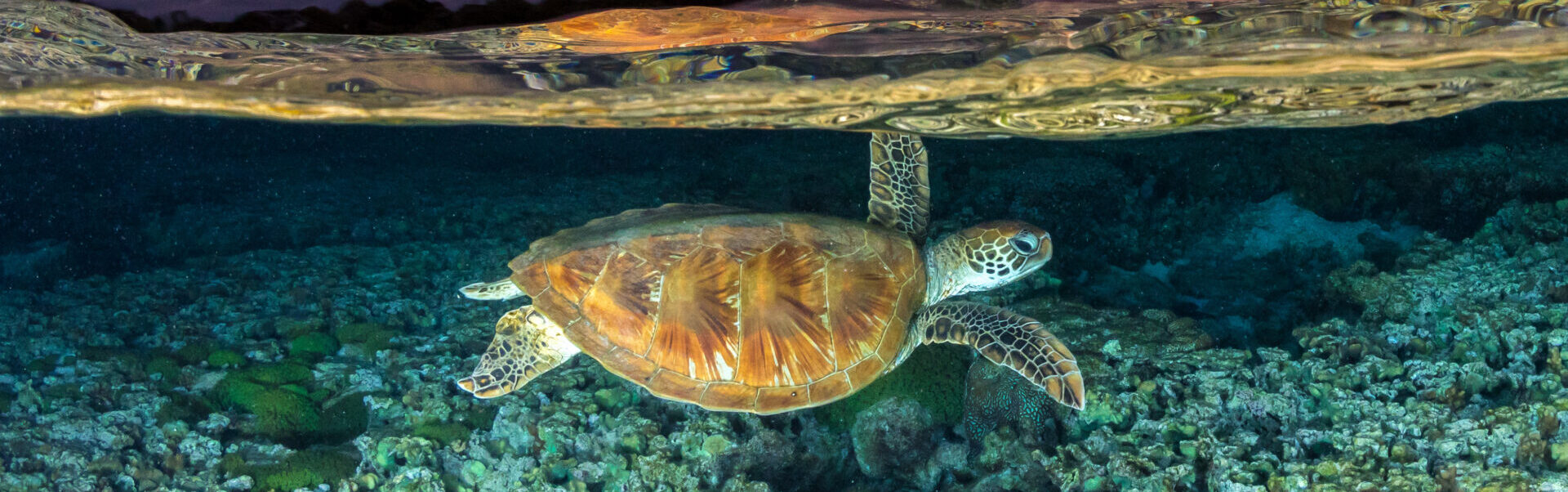
Credit: Jordan Robins / Ocean Image Bank