Science
Three new deep-sea snailfish species have been discovered living off the coast of California.
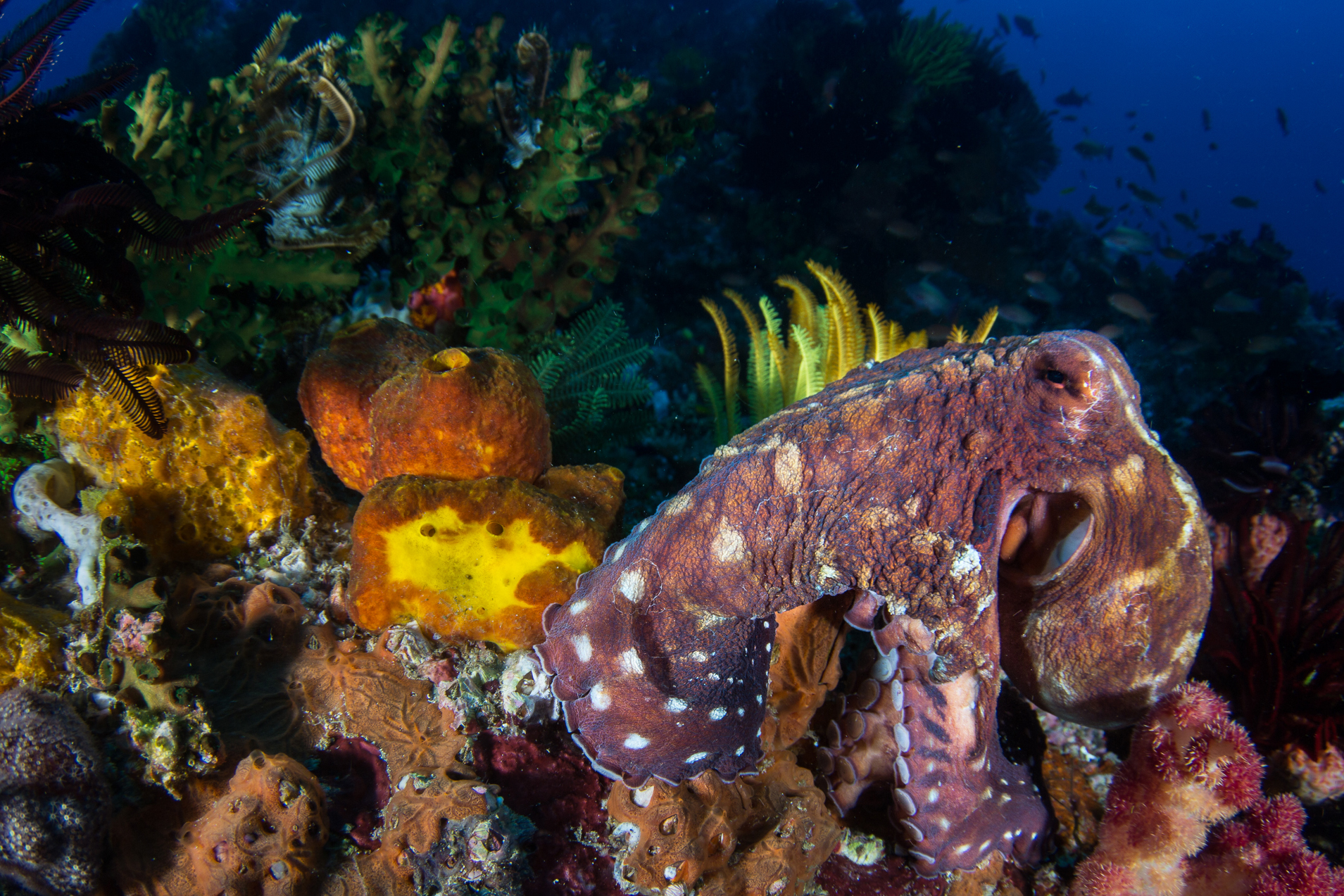
Octopuses use their front arms mostly for tasks like reaching and their back arms mainly for moving around.
An invasive sea anemone is spreading through Chilean Patagonia’s waters, pushing out native marine life.
Fisheries
A South-West MP has called for immediate intervention to address unregulated foreign fishing within the UK’s 12-mile limit, expressing concern over the impact on local fisheries.
EU Commissioner, Costas Kadis has responded to the UK’s plan to ban bottom trawling in 41 marine protected areas. Meanwhile, the Spanish fishing industry has called for its own dedicated EU fund for 2028–2034, arguing that the proposed €2 billion is insufficient.
UK Overseas Territories
A UK-funded marine survey has revealed delicate mesophotic ecosystems at Akrotiri and Dhekelia, two areas of British Overseas Territory on the island of Cyprus, documenting over 200 species, including previously unrecorded corals and sponges, while also highlighting human pressures such as ghost fishing gear and bottom trawling.
The UK Government has confirmed increased funding for the Blue Belt Programme, the world’s largest marine conservation programme, rising from £8 million to £8.5 million for 2025/26. There are calls for funding to be extended through 2029, ensuring the continuation and expansion of this vital work.
Marine Protection
Today marks World Dolphin Day, highlighting the persistent threats facing dolphin populations across the globe.
A newly mapped seamount in the western Pacific rises 4,200 m from the seafloor, almost reaching the surface, and is as tall as some Rocky Mountains.
For the first time in more than 40 years, Panama’s Pacific coast missed a crucial upwelling event, likely linked to weakened trade winds from climate disruption, threatening both fisheries and coral reefs. Meanwhile, a massive bloom of sargassum seaweed is spreading from West Africa to the Gulf of Mexico, impacting ecosystems and coastlines along the way.
Conservation
Researchers around the world continue to highlight both the challenges and conservation successes facing marine life. In Florida, an endangered smalltooth sawfish was successfully rescued highlighting ongoing efforts to protect this vulnerable species. Meanwhile in Alaska, Chinook salmon face pressures from habitat loss, human activity, and climate change, though restoration efforts offer a glimmer of hope. In Wuhan, China, scientists are breeding endangered species such as the Yangtze finless porpoise and Chinese sturgeon to help restore populations in the heavily impacted Yangtze River. Between 2019 and 2022, a study around Frégate Island in the Seychelles recorded 18 elasmobranch species, including the critically endangered white spotted guitarfish, reinforcing the urgent need for stronger conservation measures.
Drones have also revealed the world’s largest river turtle nesting site in the Amazon, with roughly 41,000 female turtles on a sandbank along the Guaporé River.
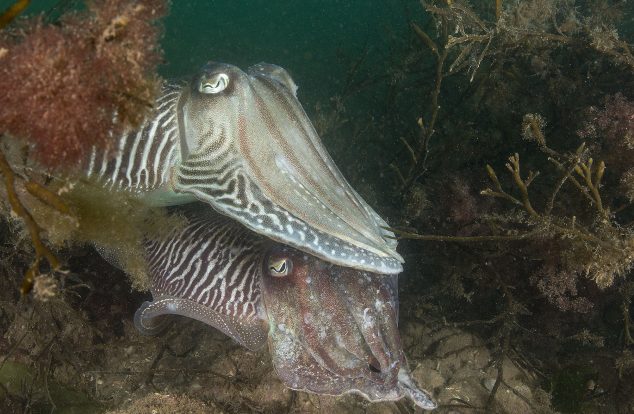
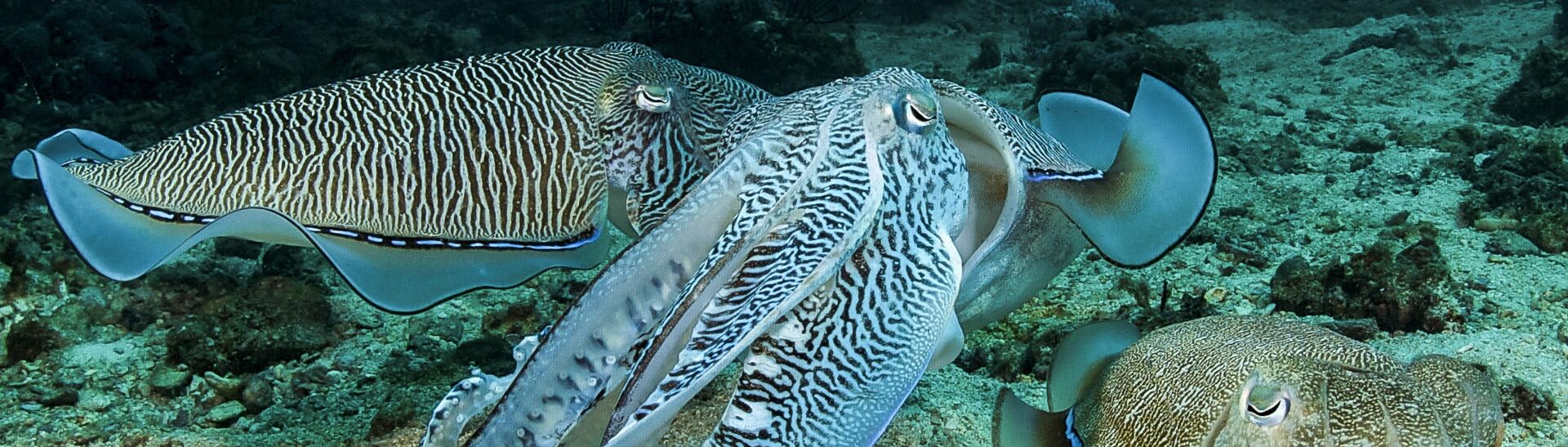
In South Australia’s Spencer Gulf, researchers are trailing an experimental “bubble curtain” to protect endangered giant cuttlefish from a toxic algal bloom threatening their breeding grounds.
Climate Crisis
Human activities like warming waters and overfishing could double by 2050, threatening key species such as Prochlorococcus, a vital microbe that may lose up to half its tropical populations as temperatures rise. Even the most heat-tolerant corals, like those in the Red Sea, are shrinking and weakening under prolonged warming. However, the International Court of Justice ruled that island nations can keep their maritime boundaries and ocean rights despite rising seas.
On land, over 281,000 kilometres of canals have been dug across Indonesia’s peatlands, primarily for industrial activities such as palm oil cultivation, disrupting natural water retention and exacerbating flooding. At the same time, Indonesia is increasingly relying on natural gas to meet growing power demand, raising concerns over costs and fossil fuel dependence. Forests are also under threat, with more than half of the world’s forests becoming fragmented between 2000 and 2020.
Pollution adds another layer of environmental pressure. Decades-old barrels dumped off Southern California, containing toxic alkaline waste, have created harmful vents on the seafloor, described as ‘ghostly halos’ and posing ongoing ecological risks.
Misc
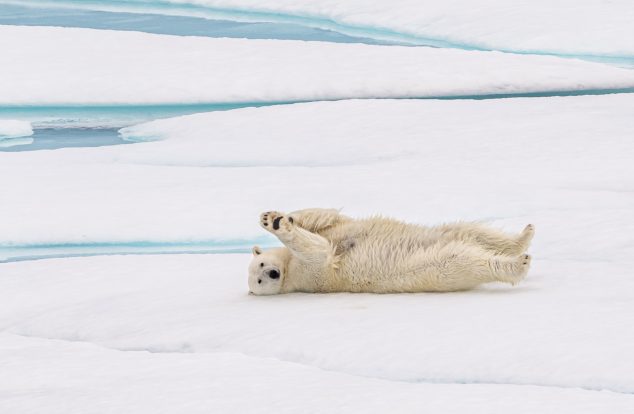
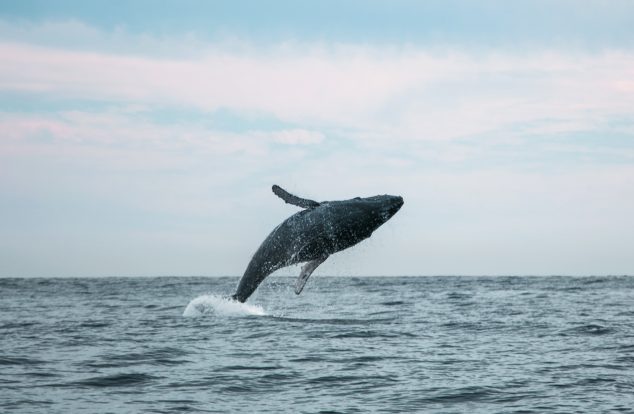
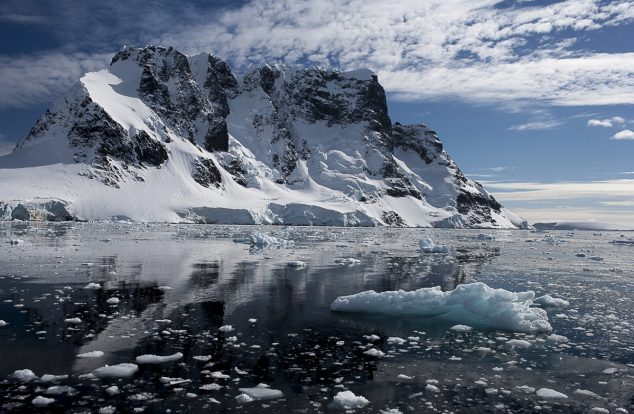
This week’s wildlife photos.
“Some days it can feel as if climate catastrophe is inevitable. But history is full of cases – such as the banning of whaling and CFCs – that show humanity can come together to avert disaster.”
“Real-world recoveries – mountain gorillas, revived marshes, and leopard shark reintroductions – show how disciplined optimism, sound policy, and community leadership turn concern into measurable results.”