Science
A 240-million-year-old reptile fossil, recently discovered with preserved skin and partially webbed feet, shows that it swam by rowing its limbs like a seal rather than using its tail for propulsion.
Scientists are considering deploying a huge underwater curtain to stop warm water from melting Antarctica’s “Doomsday Glacier” and raising sea levels. Researchers have also developed a method to detect fish species migrating due to climate change by analysing environmental DNA (eDNA) in seawater, uncovering species that traditional visual surveys often miss.
Female crabs have been shown to react more strongly than males to electromagnetic fields from underwater power cables, affecting their movement patterns and spatial behaviour.
Fisheries
Northern shelf cod has officially collapsed after years of warnings. Scientists now advise a complete halt to cod fishing for this vital North Sea population, citing decades of overfishing above sustainable limits. “This is a direct result of decisions in previous years to prioritise short-term economic profit for a handful of largely wealthy fishing companies, at the expense of the environment and the long-term future of fishing communities. This collapse was not unforeseen – in fact, it was predictable and inevitable.” Mackerel stocks are also expected to be in decline, with scientific advice set to be released next week. The Seafood Ireland Alliance warns that Europe’s mackerel population is nearing collapse after Coastal States, including the UK, Norway, and the Faroes, failed to agree on urgent quota reductions.
The UK’s Marine Management Organisation (MMO) will close the crawfish fishery in English waters from 17 November 2025 to 31 May 2026, applying to all UK and EU vessels and gear types to help protect stocks.
A nearly 40-year study of the Elbe estuary, one of the major rivers of Central Europe, reveals a significant decline in fish populations since 2010.
UK Overseas Territories
Emily Thornberry MP has urged the UK government to protect the Chagos Islands’ pristine ocean environment, emphasising the importance of maintaining its ecological integrity.
Record-breaking tourism in the Caribbean, particularly from cruise ships, is overwhelming the islands’ already under-resourced waste management systems, which are struggling to cope with the surge in rubbish.
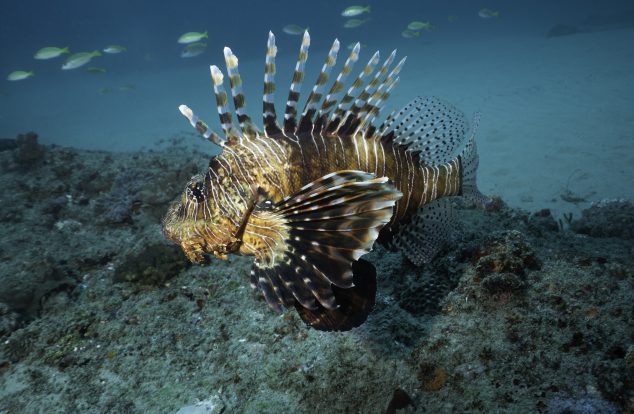
Invasive lionfish are now firmly established in Bermuda, prompting efforts to control their population through diver culls, specialised mini-submarines, and the creation of protected areas for native fish.
Lobster fishing has sustained Tristan da Cunha’s remote community, with strict regulations and careful monitoring in place to ensure the practice remains sustainable.
Marine Protection
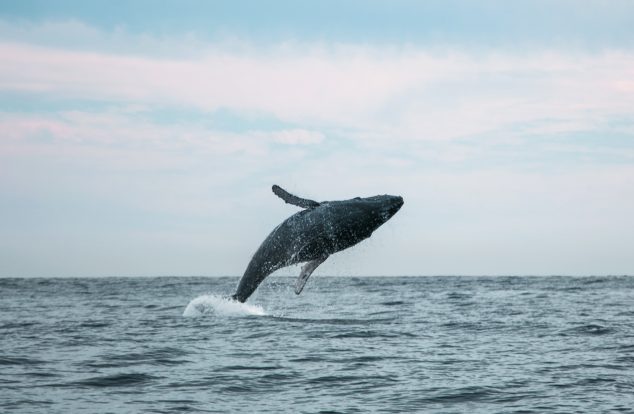
By analysing data from over 100,000 rorqual whales, including humpbacks and blue whales, researchers have found that longer and presumably fitter mothers are more likely to give birth to female calves. Meanwhile, whales feeding in New York Bight are increasingly at risk from busy shipping lanes, resulting in more collisions and strandings. In 2024, the U.S. recorded 95 confirmed large whale entanglements, up from 64 in 2023, with 46 incidents linked to specific commercial or recreational fisheries.
European cisco fish in Sweden have genetically adapted to different salinity levels and spawning times.
The High Seas Treaty, formally known as the Agreement on the Conservation and Sustainable Use of Marine Biological Diversity of Areas Beyond National Jurisdiction (BBNJ), has secured the 60 ratifications required to become international law.
Conservation
Abandoned fish farm equipment, also described as ghost gear, is polluting waters from Chile to Greece, harming marine life and releasing microplastics. In Sri Lanka, young volunteers are tackling the problem by removing these nets and transforming them into fashion items to both protect marine species and raise public awareness.
Indigenous fishers in Colombia’s Estrella Fluvial del Inírida wetlands are spearheading science-based conservation efforts, while on a larger scale, scientists are creating a “Noah’s Ark” for coral reefs to preserve genetic diversity and support reef restoration worldwide.
The shy albatross, Australia’s only native species, faces threats from fishing, climate change, and low reproduction, and remains near-threatened despite conservation efforts that have increased its population to about 30,000.
For the first time, leopard sharks have been filmed mating in the wild off New Caledonia, while in other news, studies have shown that shortfin mako sharks heat their bodies much faster than they cool, allowing them to stay longer in deep, prey-rich waters and recover quickly.
Climate Crisis
Endangered Indus River dolphins have high levels of microplastic contamination in their guts, with an average of 286 microplastic pieces per individual.
China, the world’s largest carbon emitter, has set a new target to cut emissions by 7–10 per cent by 2035. Meanwhile, in Ecuador, Indigenous groups are opposing a $47 billion oil expansion, citing threats to their lands and lack of consultation. In the North Sea, most of the remaining oil and gas reserves are difficult to access, making full extraction unlikely despite political backing.
As permafrost thaws in Alaska’s Brooks Range, 75 streams have turned orange due to the release of toxic metals, threatening fish populations and communities dependent on fishing. Ocean acidification has surpassed safe limits, threatening both marine life and human well-being.
A recent study shows that average tree size in the Amazon has increased by 3.2 per cent each decade over the past 30 years, likely due to higher carbon dioxide levels. Yet deforestation and climate change continue to threaten the long-term health of these forests.
Misc
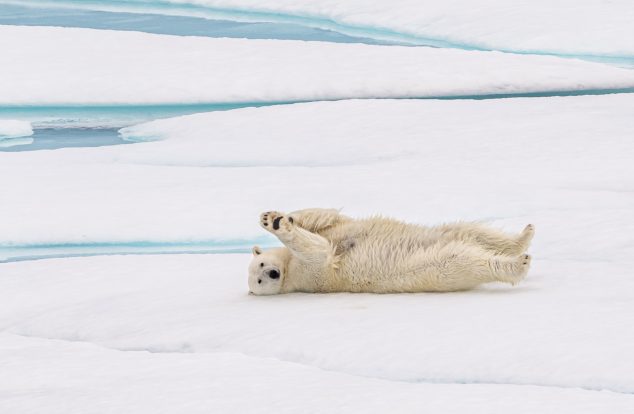
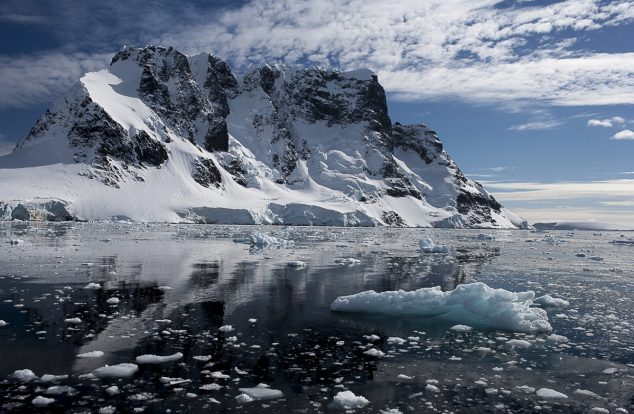
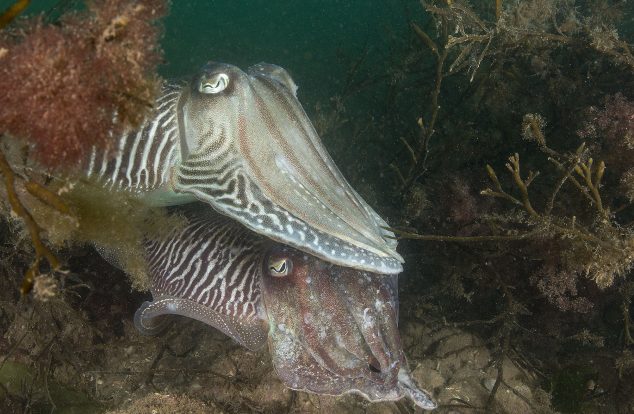
This week’s wildlife photos.
The winners of the Ocean Photographer of the Year 2025 have been revealed.
“Our legal system is good at separating us from nature. The idea that we have regulations as to how much poison we can put in the water or in the soil is just regulating the harm rather than prohibiting it. It’s time we realize the rights of nature that align with and safeguard the community’s rights because we are connected, and what we do to nature, we do to ourselves.”