Science
Scientists have discovered that salmon can detect changes in daylight through their pituitary gland, helping them time their migrations.
Red cusk-eels in central Chile have been observed inhabiting areas where methane naturally escapes from the seabed for the first time, habitats that support rich ecosystems and are crucial for various fish species.
A Scottish scientist is leading efforts to protect seaweed ecosystems, which play a vital role in combating climate change by sequestering carbon and supporting marine biodiversity.
Fisheries
Continued overfishing of mackerel in the North-East Atlantic may drive the total allowable catch (TAC) to zero by 2027 unless drastic cuts are implemented. Concerns have been raised that Scotland is losing control of its fishing waters, with foreign fleets taking over while local fishermen struggle.
Colin Faulkner, formerly Head of International Fisheries and Seafood Trade Policy at Defra, has been appointed CEO of Seafish
Scientists have reported that brown crab populations are declining across Northern Europe due to overfishing and weak management, with catches and crab sizes dropping in many areas.
Over 99 per cent of the freshwater eels eaten worldwide come from three threatened species, highlighting an urgent need for conservation. The illegal trade of European eels, a critically endangered species, remains Europe’s most lucrative wildlife crime, with traffickers exploiting legal loopholes and smuggling routes to meet high demand in Asia, despite a 15-year EU export ban.
UK Overseas Territories
The Chagos Islands deal debate continued in the House of Commons this week, with Nigel Farage facing strong criticism over his concerns about the deal.
Marine Protection
UK campaigners have introduced a bill to give nature legal rights, aiming to make governments and businesses responsible for protecting the environment.
A rare dugong calf sighting in Alor, Indonesia, highlights the need to protect seagrass habitats that are crucial for these marine mammals.
Fiji’s coral reefs have made a remarkable recovery following a Category 5 cyclone, regaining most of their lost coral and ecosystem structure within just four years. However, not all reefs share this success, as Florida’s elkhorn corals have suffered devastating losses from extreme heatwaves.
A study found that fish in Brazil’s Negro River suffered DNA damage and neurotoxicity from a 2013 oil spill, with effects persisting even as contaminant levels fell, indicating lasting ecological harm.
Conservation
Shark populations in South African waters are under severe threat from longline fisheries that target endangered species. Abandoned and active fishing nets are threatening marine life worldwide, entangling species of sea turtles, dolphins, rays, whales, and seabirds, while also harming coastal ecosystems. Solutions like Sri Lanka’s “manta sorting grid” are reducing bycatch of endangered rays, while rising whale entanglements in Australia highlight the need for better monitoring. In the U.S., researchers are mapping areas where sea turtles face the highest risk from boat strikes to support conservation efforts.
The resurgence of sea otters in Alaska has led to a decline in shellfish populations, creating tensions between conservationists, commercial fishers, and Indigenous communities over resource management.
A rare glossy ibis was spotted in Scotland for the first time, possibly due to milder winters, suggesting the species may become a more regular visitor.
Climate Crisis
The North Pacific experienced its hottest summer on record in 2025, with sea temperatures far exceeding previous highs. Rising temperatures are also driving unexpected changes, such as mosquitoes appearing in Iceland for the first time.
No 10 has confirmed that UK Prime Minister Keir Starmer will attend the COP30 climate summit in Brazil. The Scottish and UK governments are providing £18 million to help oil and gas workers move into renewable energy roles, with £1.39 million already assisting 300 workers in Aberdeen and Aberdeenshire.
Environmental groups have criticised Brazil’s approval of offshore oil drilling near the Amazon, warning it threatens marine life and undermines the country’s climate leadership, particularly as it prepares to host the COP30 climate summit.
The United States and China are competing for access to deep-sea mineral resources in the Cook Islands, conducting exploration and forming partnerships despite serious environmental concerns. Deep-sea mining is expected to damage marine ecosystems, threatening many species, including over 30 species of sharks, rays, and chimaeras by destroying habitats and releasing harmful sediments and metal pollutants.
Misc
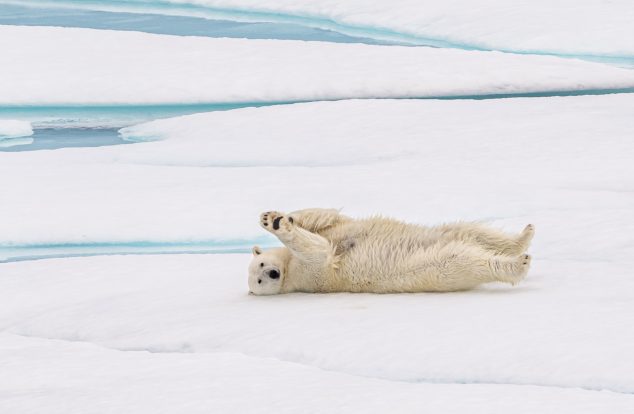
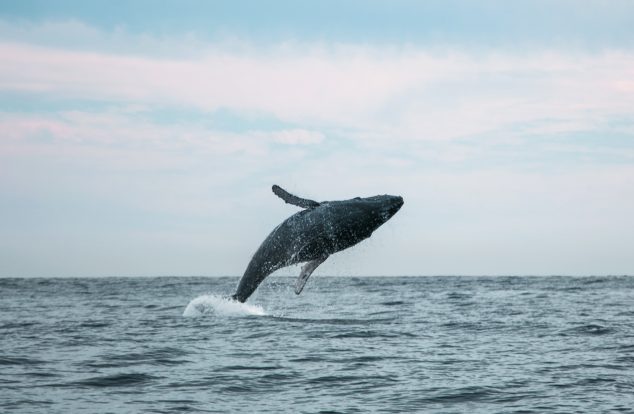
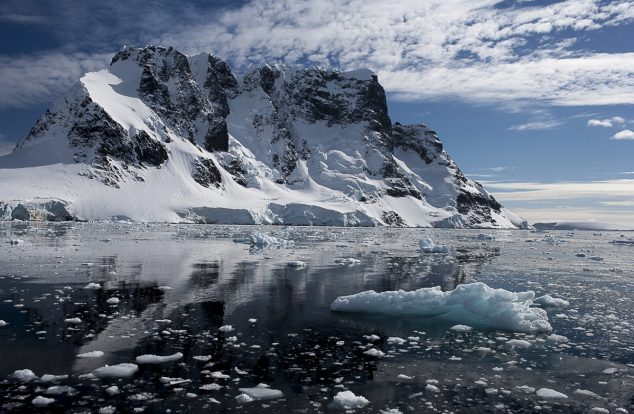
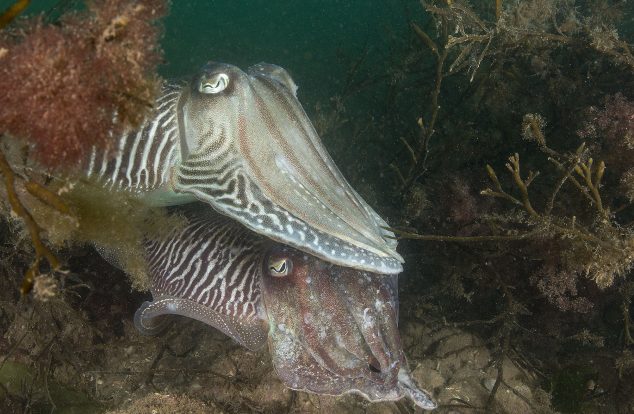
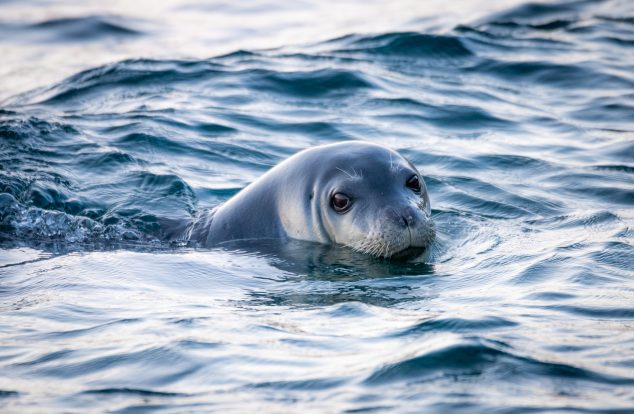
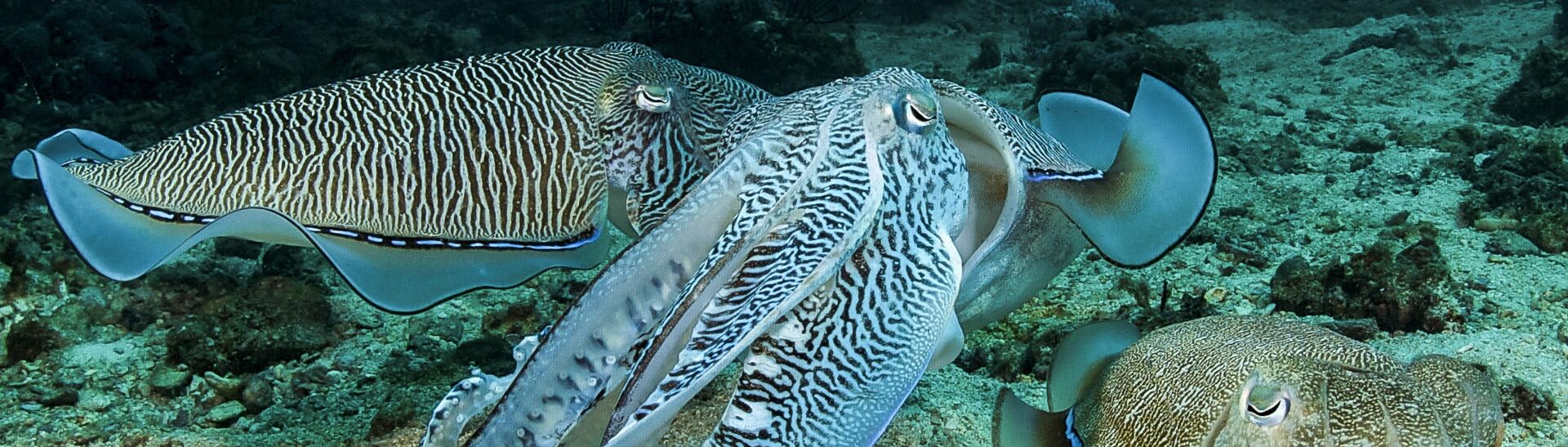
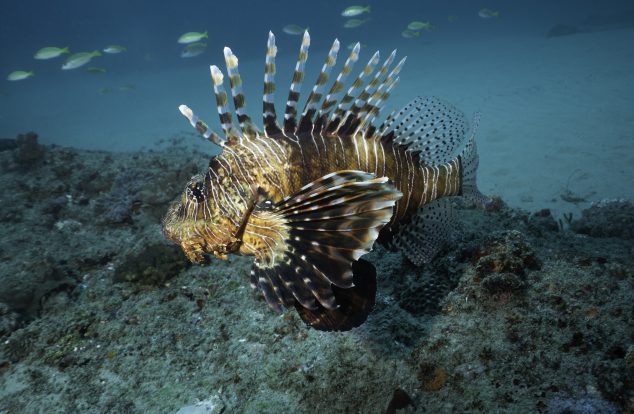
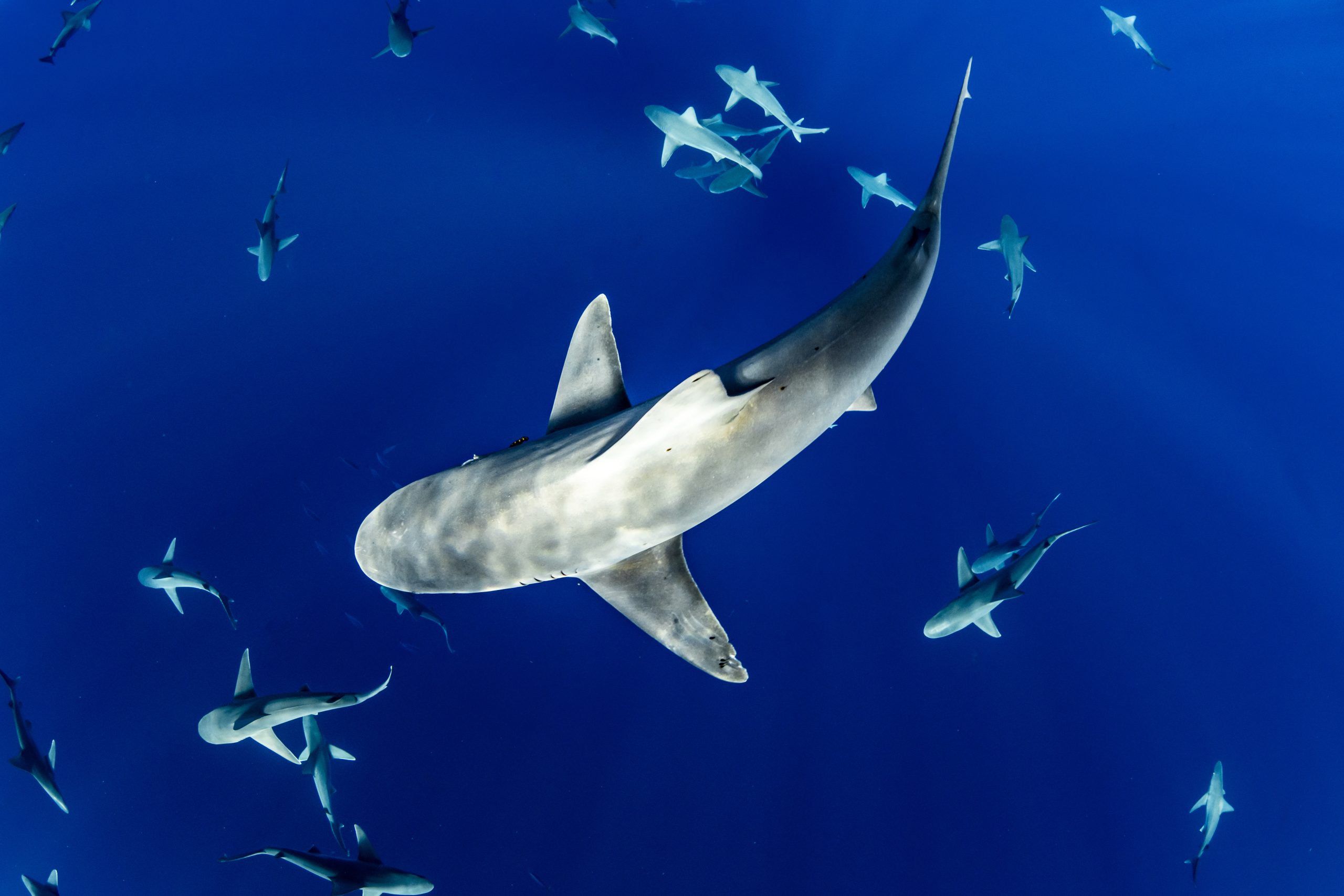
This week’s wildlife photos.
“I think the act of remembering the sea cow is powerful. I hope that by inviting people to experience the loss of this fascinating animal, which deserves to be remembered, it will help us to gain perspective.”
“Plastic’s rise was no accident. It delivered lightness, durability, malleability and, above all, cheapness. It made supply chains global and habits disposable. Our throwaway culture rests on the idea that what we already have isn’t good enough. What’s needed is a reckoning with convenience, profit and the culture of disposability.”