Fisheries
New research finds that hand-dived scallops generate about four times the economic value per tonne compared to scallops dredged from the sea floor, while also causing far less damage.
The UK has revised its North Sea Cod Avoidance Plan, introducing new measures including extended spawning area closures, real-time fishing restrictions and enhanced reporting to aid cod stock recovery.
UK Overseas Territories
A UK led science expedition, part of the UK Government’s Blue Belt Programme, which supports UK Overseas Territories (UKOTs) in protecting 4.4 million square kilometres of ocean, will map vast areas of the Caribbean’s deep sea. This will include waters around Anguilla, the Turks and Caicos Islands, and the Cayman Islands, potentially uncovering new species and providing vital data to support sustainable management of these largely unexplored areas.
New research reveals that recurring sargassum seaweed blooms are causing multi‑million‑ dollar losses to coastal economies in Puerto Rico, the US Virgin Islands and Florida.
Marine Protection
The landmark UN High Seas Treaty is set to take effect tomorrow, and to mark the occasion, Greenpeace UK will unveil a beachfront mural in St Leonards‑on‑Sea.
The Irish Government has been criticised for delaying marine protection legislation, with warnings that progress on establishing effective Marine Protected Areas (MPAs) has stalled despite earlier commitments.
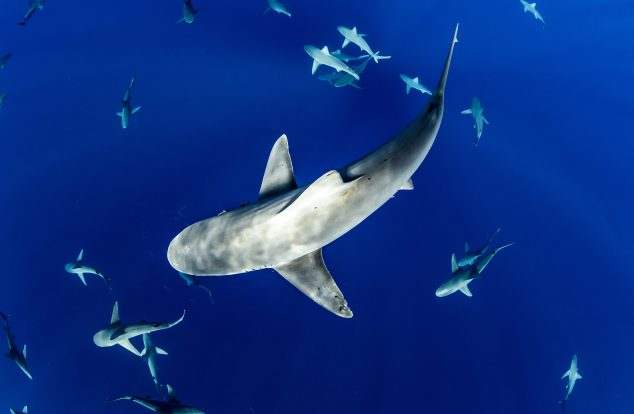
A new satellite‑tagging study reveals that silky sharks spend much of their time outside existing MPAs, revealing important gaps in their conservation and the need for better protection.
Canada is said to be “losing track” of Pacific salmon health as monitoring has declined sharply, leaving nearly half of populations unassessed amid growing climate and industrial threats.
Conservation
Studies show that Greenland sharks can retain functional vision despite their extraordinary longevity, while dolphins off Perth have been found to remain loyal to their social groups.
Researchers exploring the depths of Fiordland, New Zealand, have been astonished to discover an exceptionally large black coral, measuring approximately four metres tall and wide, and likely centuries old.
Critically endangered leatherback turtles have returned to nest in Nicaragua for the first time in years. Meanwhile, researchers warn that South Africa’s great white shark population is shrinking sharply.
Closer to home, four dolphins were successfully refloated and released back into the sea after a mass stranding in Orkney and new studies suggest flapper skates are beginning to recover in Scottish waters.
Climate Crisis
As oceans hit “alarming” new temperature records in 2025, the economic damage from ocean-related climate impacts is now projected to almost double the overall cost of climate change. While public consensus on climate change has been shown to do little to motivate support for action, in Scotland, the majority of people oppose new oil and gas drilling in the North Sea. The UK has committed to build a record amount of offshore wind as part of its push to expand clean electricity.
In the United States, Donald Trump’s anti-climate agenda has been shown to not only “harm the planet, but American incomes too.” At the same time, the world’s richest one per cent have already “blown through” their carbon budget for 2026, intensifying calls for urgent intervention.
Seagrass meadows, vital carbon sinks with recognised health benefits, are vanishing due to inadequate protection. Meanwhile, pesticides have been found to sharply shorten fish lifespans, and a sanctuary in Antarctica is racing to preserve ice cores from glaciers melting at unprecedented speed.
Misc
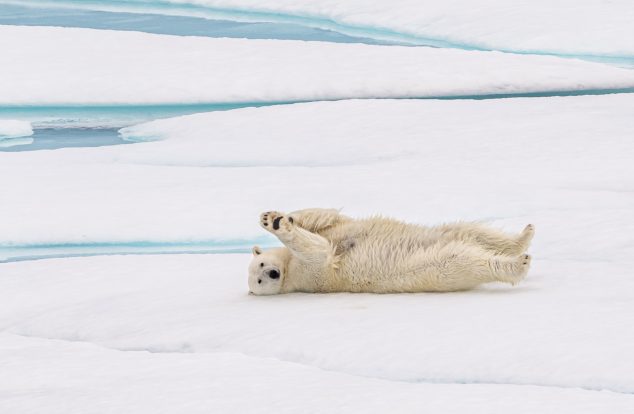
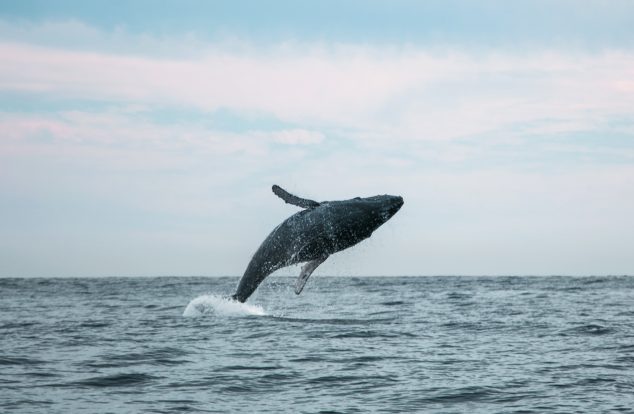
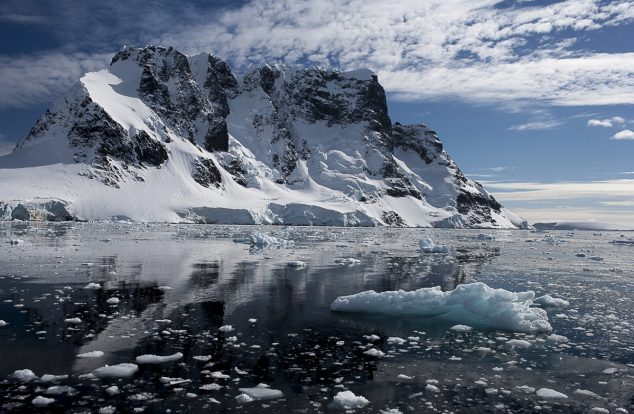
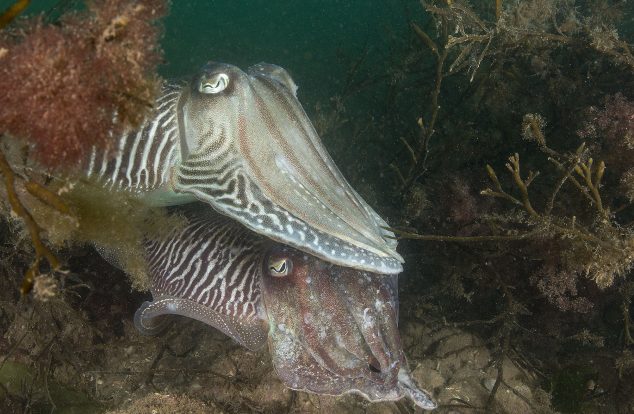
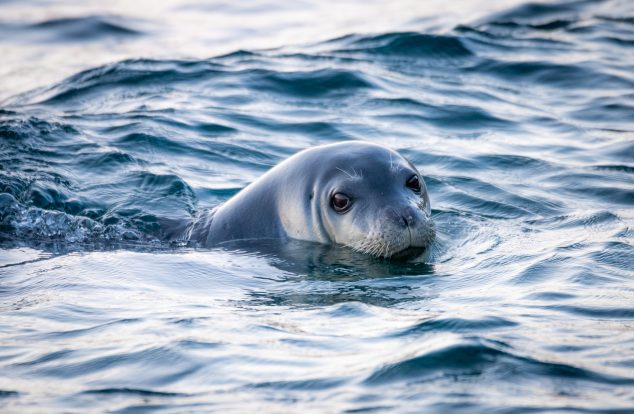
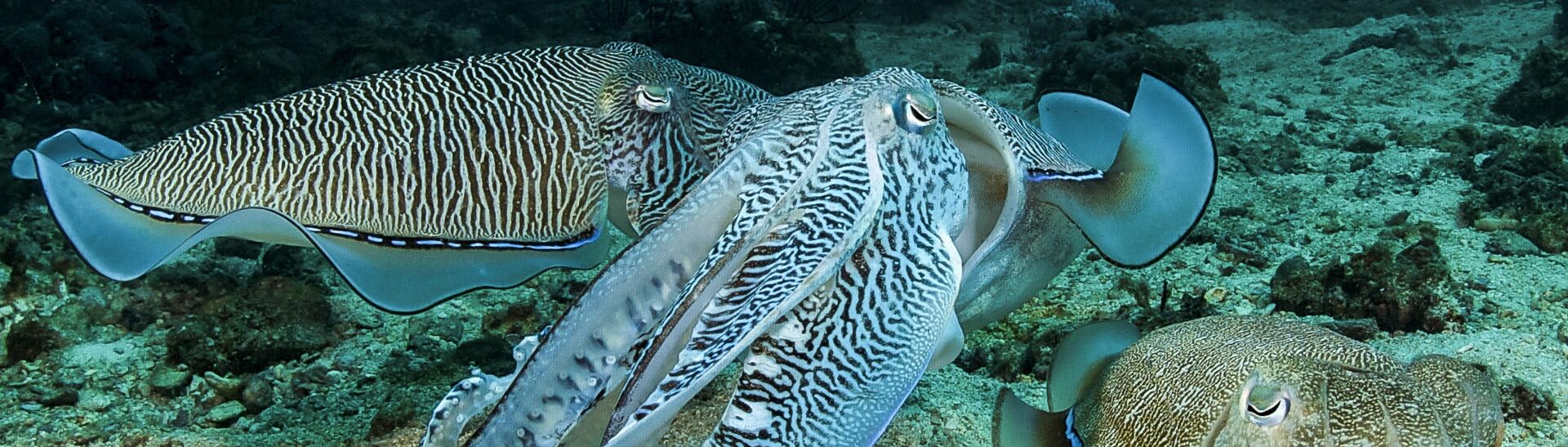
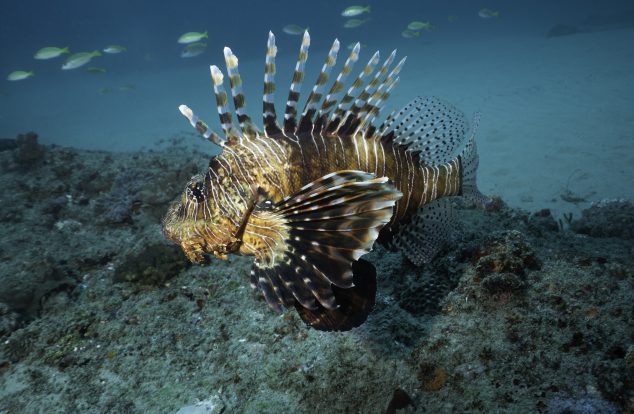
This week’s wildlife photos.
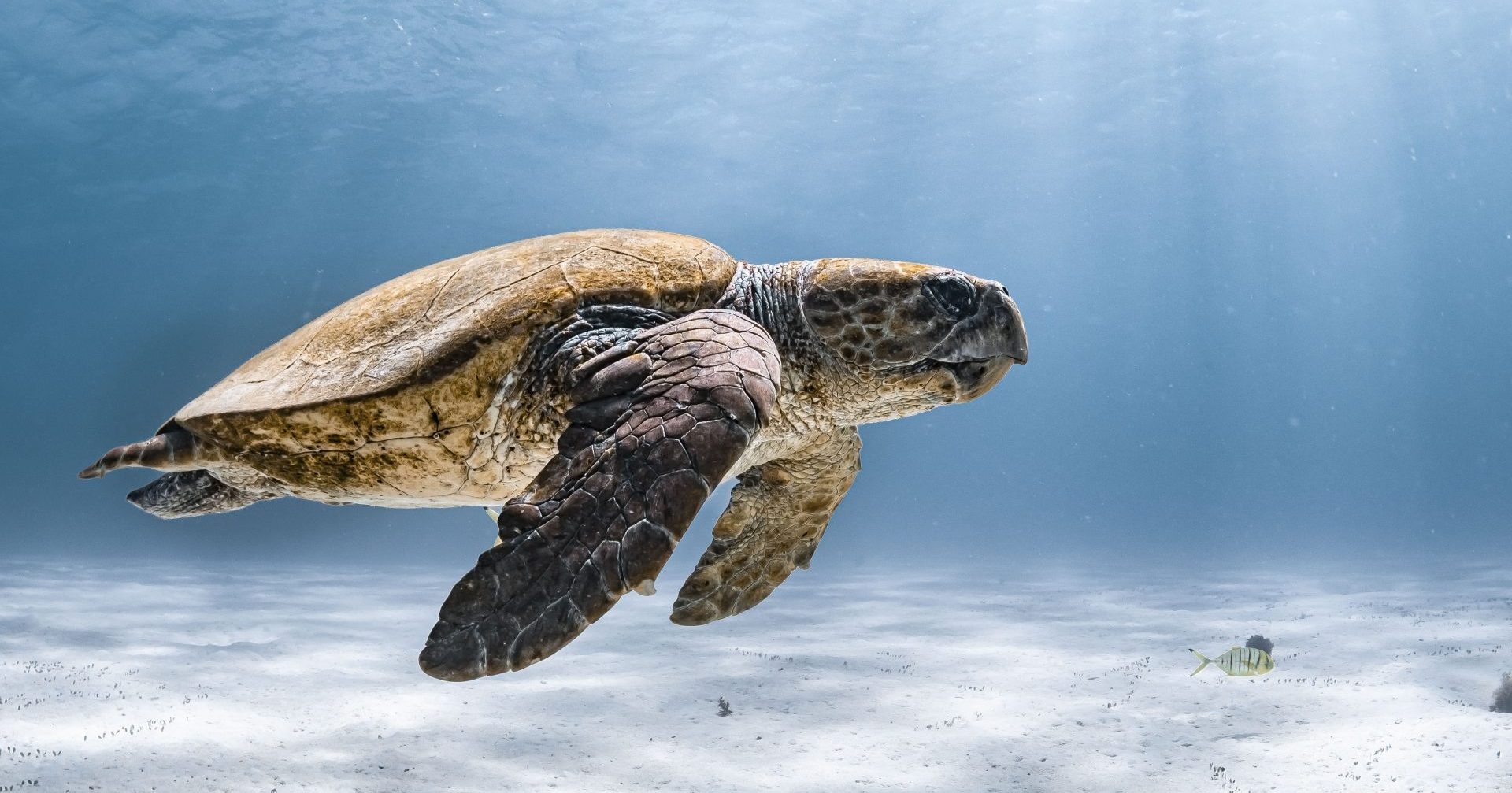
“If you look at their life cycle, sea turtles occupy the entire oceanic realm, they’re in bays and estuaries, on beaches, near shore, and out in the high seas. And threats exist in all those areas.”