Science
Scientists suggest that Atlantic bluefin tuna are shifting north into cooler waters due to rising ocean temperatures, while the discovery of severely deformed wild pink salmon in Arctic waters has raised serious concerns.
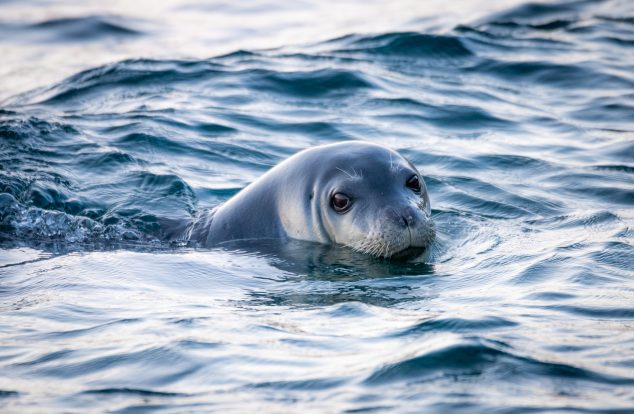
Seal pups have been found to take turns and mimic each other’s calls when communicating, showing unexpectedly human-like communication abilities.
Fisheries
The Pelagic Advisory Council has called on the EU to take urgent action in negotiations with Northeast Atlantic coastal states to secure a sustainable and fair quota sharing deal for the mackerel fishery, warning that ongoing deadlock and unilateral overfishing by some countries threaten both the health of the stock and the economic viability of EU fishers.
Discarded fishing nets are trapping and killing marine life in Nigerian waters, threatening biodiversity and coastal livelihoods as local groups work to address the crisis.
Just as overfishing is often concealed from consumers, an animal welfare charity has warned that incomplete reporting of salmon farm deaths masks the true scale of mortality from the public. The approval of the UK’s largest salmon farm at Fish Holm in Shetland has been branded a “betrayal” by local scallop fishers and environmentalists.
UK Overseas Territories
The Gulf and Caribbean Fisheries Institute’s Women in Ocean Science initiative highlights the contributions of women in marine science and fisheries, sharing their stories and raising visibility to support gender diversity and inclusion across ocean research and conservation.
Marine Protection
The Orkney Islands Regional Marine Plan has been published.
A new study has found that Indonesia’s legal trade in turtles and tortoises barely supports local livelihoods, challenging claims that the trade provides significant economic benefits.
More than 600 juvenile green sea turtles have become stranded on Florida’s beaches this month after cold air and chilling water temperatures left them unable to regulate their body heat, prompting rescue and rehabilitation efforts to warm and return them to the sea.
NatureScot has urged much stronger and faster action to protect Scotland’s declining wildlife and habitats.
Conservation
Scientists using a drone-tagged pygmy blue whale have identified a previously unknown migratory route.
Southern elephant seal populations are rebounding in parts of southern Africa, yet their global status remains mixed, with declines in other regions. Climate change is intensifying the effects of long-lasting environmental pollutants in the Arctic, leaving seals more malnourished and vulnerable to toxins. Retreating glaciers in Greenland are eroding nutrient-rich feeding hotspots near tidewater glaciers, also threatening seal foraging success.
Researchers have warned that apparent increases in sea turtle numbers in areas like Cape Verde may conceal a skewed male-female ratio, potentially signalling a hidden risk of future population collapse. Studies also show that turtle brains can detect significant visual changes in their environment without head or eye movement, demonstrating sophisticated neural processing once thought unique to mammals.
Climate Crisis
As Arctic temperatures have risen by about 4°C over the past four decades, peatlands across the region have been expanding laterally, while in the Antarctic, surface warming has been weakening lower-atmosphere stability.
Warming oceans are driving widespread coral bleaching, inflicting severe damage on reef ecosystems globally. Interestingly, new research shows that corals in coastal bays with extreme conditions are better able to cope with heat and stress than those on more stable reefs.
Even though global warming is speeding up, a study has shown that species turnover in local ecosystems has slowed by about a third since the 1970s, possibly because biodiversity loss is reducing nature’s ability to reshuffle itself.
Misc
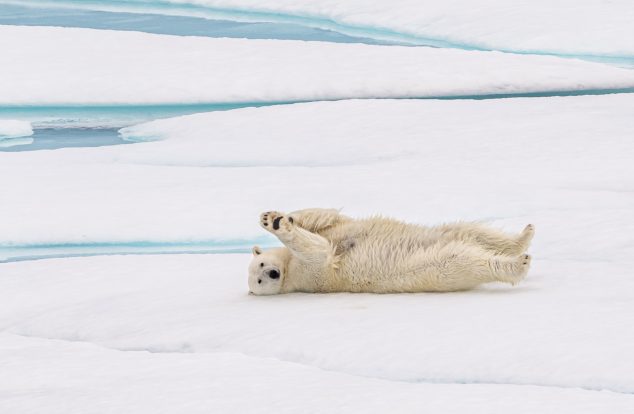
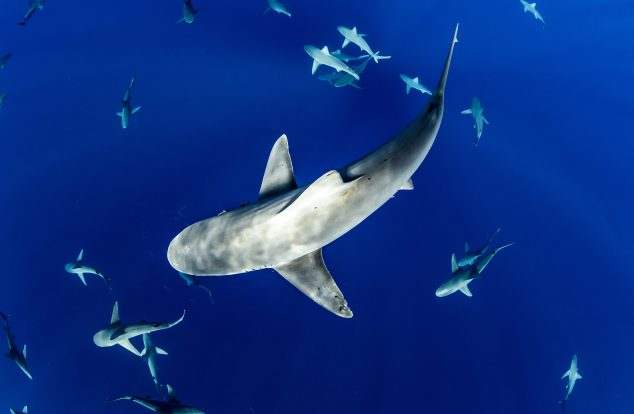
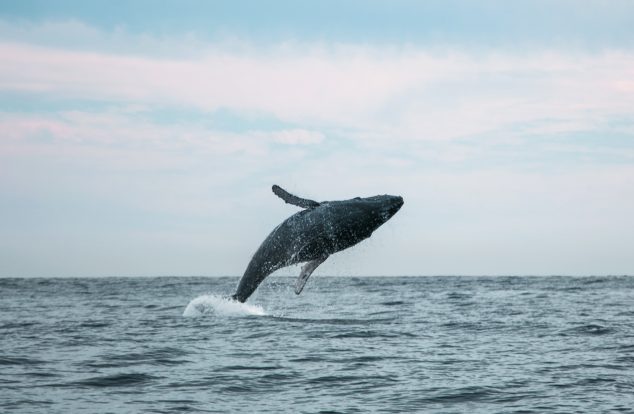
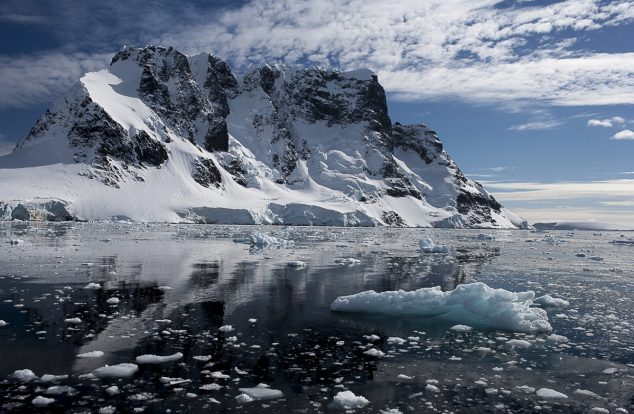
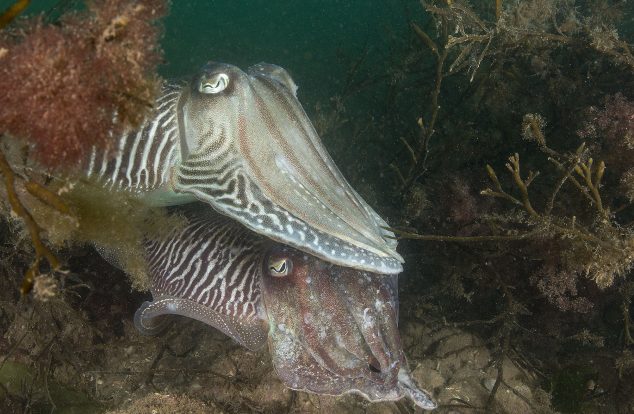
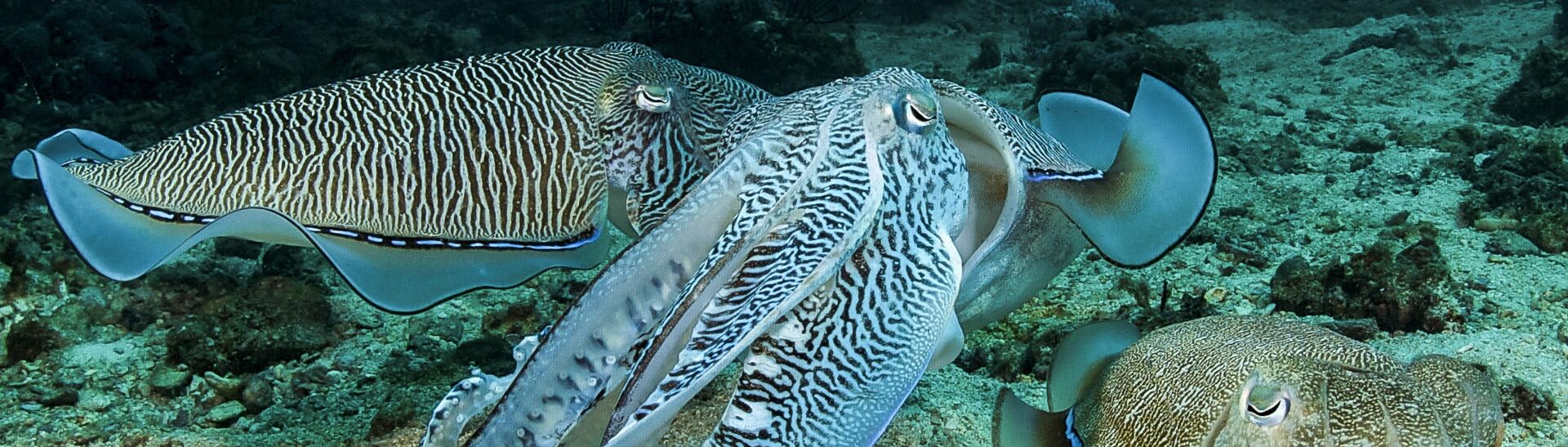
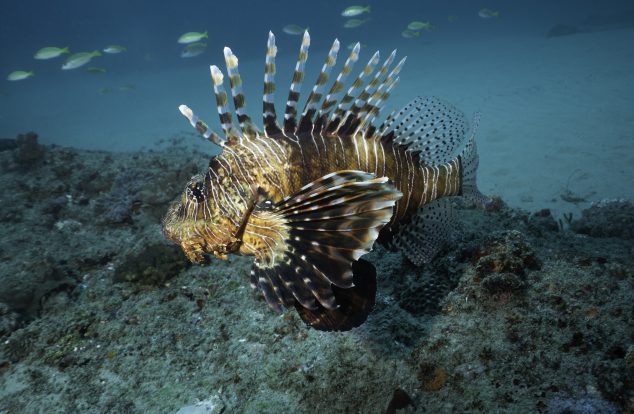
This week’s wildlife photos.
“Halting irreversible changes to Antarctica depends on choices made today.”
“The responses of future food webs to global change remain highly uncertain.”
“Carole’s warmth was matched by her resolve. She was fearless. She did not back down in the face of intimidation from powerful politicians or threats from angry fishermen. When Kemp’s ridley turtles were being killed, Carole stood her ground.”