Science
A deep‑sea expedition off Argentina has uncovered 28 potentially new species and extensive cold-water coral reefs spanning waters from Buenos Aires to Tierra del Fuego.
Researchers using drones off the coast of Shetland have recorded unusually large gatherings of harbour porpoises, including their mating behaviour, while other studies show how they adjust their hearing to cope with ship noise.
A seagrass-planting robot has successfully completed its first trial on the Great Barrier Reef!
Fisheries
Conservation groups have challenged a draft decision to renew the Marine Stewardship Council’s sustainability certification for an Antarctic krill fishery, warning that climate change, concentrated fishing and weaker protections threaten the very species that underpins the Southern Ocean food web and whose biomass has declined by 70 to 80 per cent in some areas since the 1970s.
Following last week’s announcement from Waitrose that it would suspend sourcing and sales of Northeast Atlantic mackerel due to overfishing concerns, M&S has followed suit. Morrisons and Sainsbury’s have also confirmed they are reviewing mackerel sourcing and sales.
ICES has issued new scientific advice for North Sea sandeel stocks, advising zero catches in two of three key areas due to low biomass, highlighting ongoing vulnerability of this vital forage species, which, like krill and mackerel, forms a crucial part of the marine food web.
A new FAO report has stated that “up to 20 percent of fishery and aquaculture products globally are mislabelled.”
The U.S. West Coast groundfish fishery was declared a “disaster” in 2000 due to 10 key species being overfished, but swift and effective fisheries management has since restored the stocks to healthy levels.
UK Overseas Territories
Mauritius may be considering legal action over the Chagos delay.
Bermuda has introduced a new Marine Resources Enforcement Strategy in parliament aimed at transforming how its ocean waters are protected, shifting to coordinated data-led enforcement, tougher penalties and better tools to tackle illegal fishing and safeguard marine resources.
NGOs have criticised the UK government’s proposal to cut climate funding, including the £500million Blue Planet Fund, arguing the move threatens international efforts to protect our ocean, biodiversity, and vulnerable communities, noting: “These programmes are not just saving wildlife, they’re helping bring people out of poverty. It’s like a triple win: good for people, good for the climate, good for nature.”
Marine Protection
RSPB has urged that Northern Ireland’s new Marine Protected Area strategy must go beyond simply designating sites and instead take real action. “They must be properly managed, monitored and enforced if we’re to secure a future for our sealife and seabirds.”
The EU’s Court of Justice has fined Portugal £8.7 million for “for failing to comply with environmental laws that require it to protect biodiversity.”
Plans to put shark nets near South Africa’s new Club Med resort have sparked concern, as conservationists warn they could threaten dolphins and other marine life, while authorities say they are needed to protect swimmers.
The Persian Gulf’s diverse marine life, including coral reefs, the second-largest dugong population in the world, and hundreds of fish species, is facing growing risks from oil spills and tanker attacks linked to regional conflict.
Brazilian police in Rodelas, Bahia, seized more than 1.5 metric tons of shark fins in a major last month, highlighting ongoing illegal trade issues.
Conservation
A new Scottish government report finds that a 2023 mass stranding of 55 long‑finned pilot whales on the Isle of Lewis was likely caused by their loyalty to the pod, as they followed “a single compromised female” into shallow water, where they became trapped.
The Western Pacific Blue Corridors Forum met in Fiji last month bringing together governments, Indigenous leaders, and scientists from ten nations to promote regional cooperation for protecting migratory whales and dolphins.
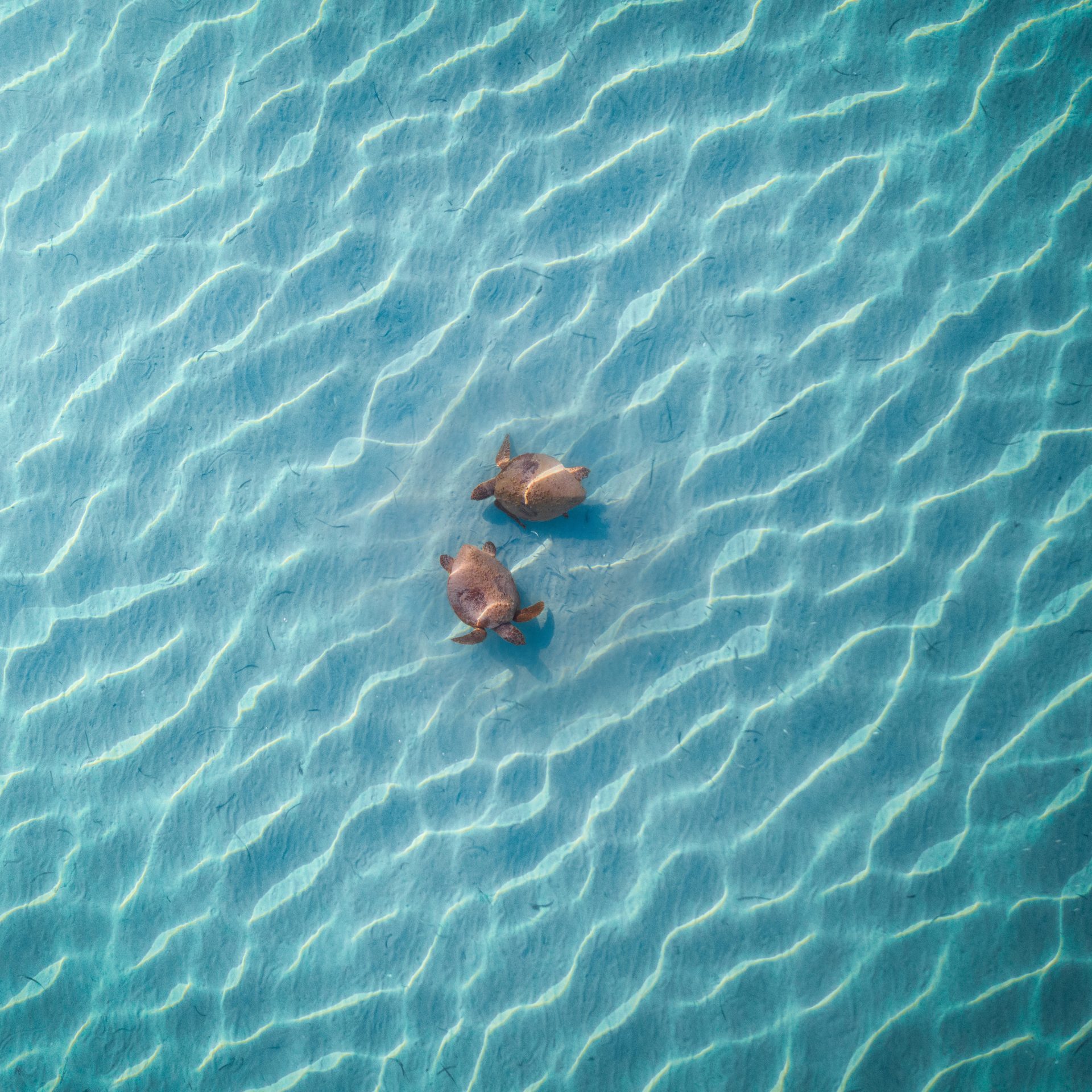
A satellite-tagged juvenile loggerhead turtle has shed light on how warming seas are pushing marine species into new regions.
Thousands of seabirds such as puffins, guillemots, razorbills and terns have been washing up dead along European coasts, likely from starvation, marking the largest seabird die-off in a decade.
Climate Crisis
Research indicates that global sea levels have been underestimated because of flawed modelling.
A recent paper shows that reducing ship speeds and optimising shipping routes can save fuel, cut greenhouse gas emissions, lessen underwater noise, and greatly reduce whale collisions, offering a more nature-friendly approach to maritime shipping.
Freshwater fish have been found to cope more effectively with increasing water temperatures than marine species.
New research shows that 77 per cent of US national parks are extremely exposed to climate change, facing threats such as wildfires, droughts, pests and rising sea levels.
Chilean diplomat Julio Cordano has been appointed to lead global talks on the plastics treaty, giving new momentum to efforts to tackle plastic pollution.
Misc
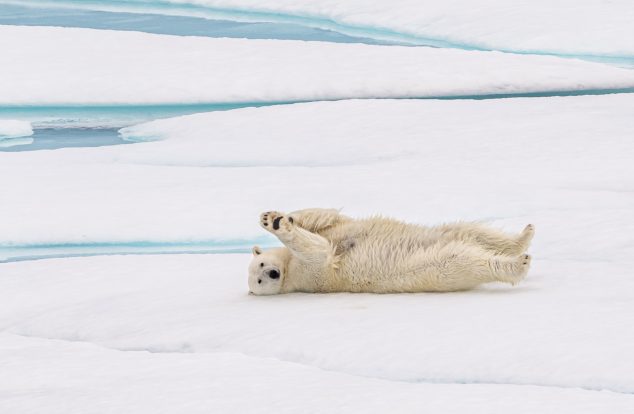
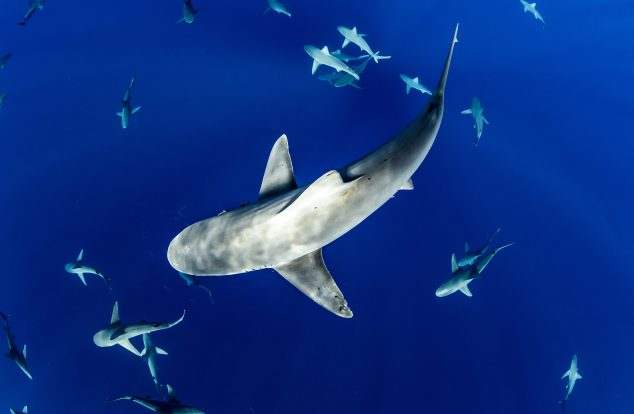
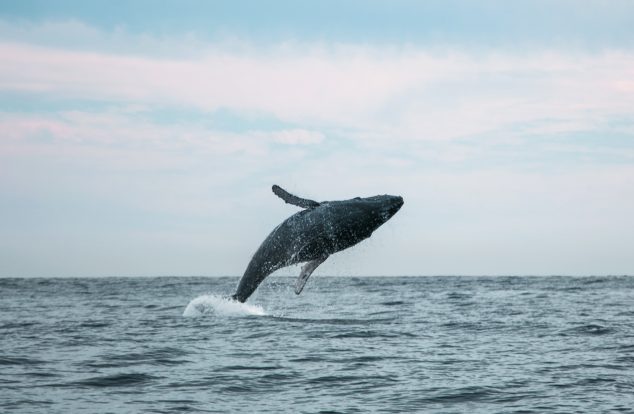
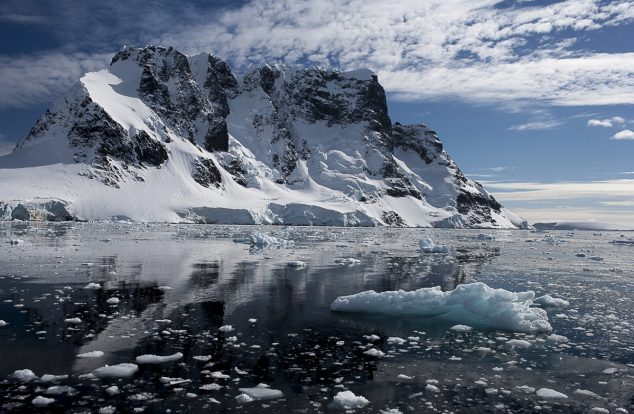
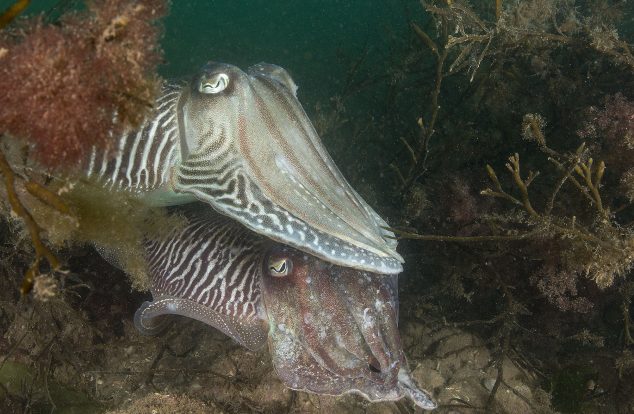
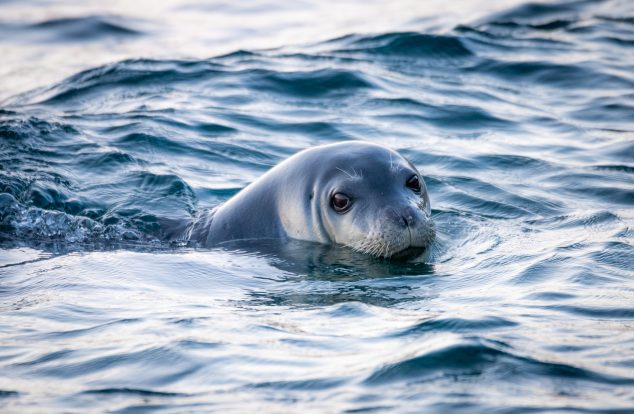
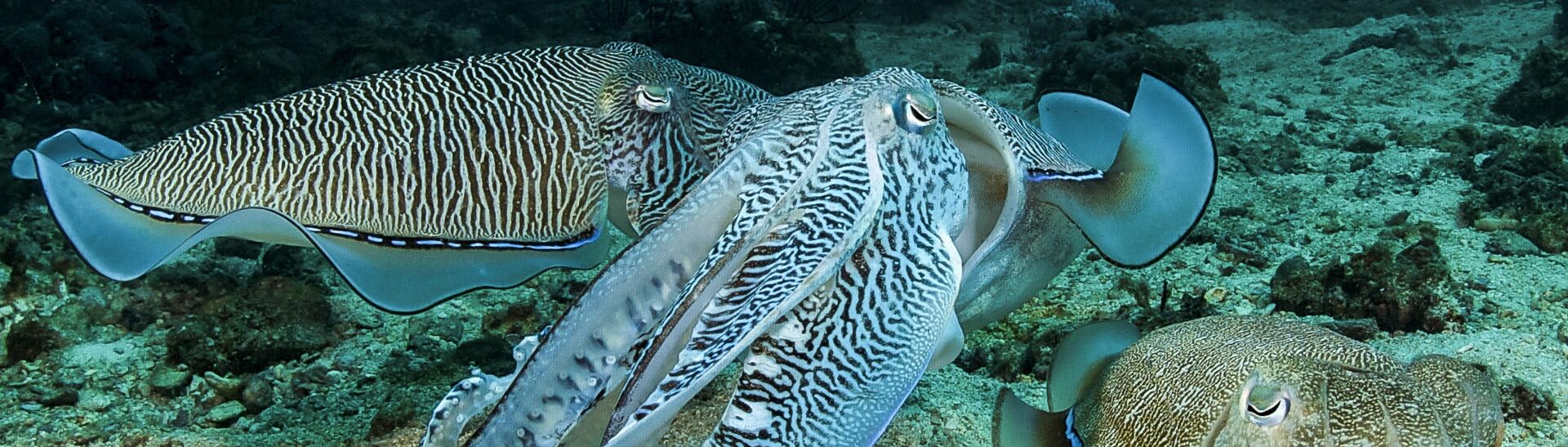
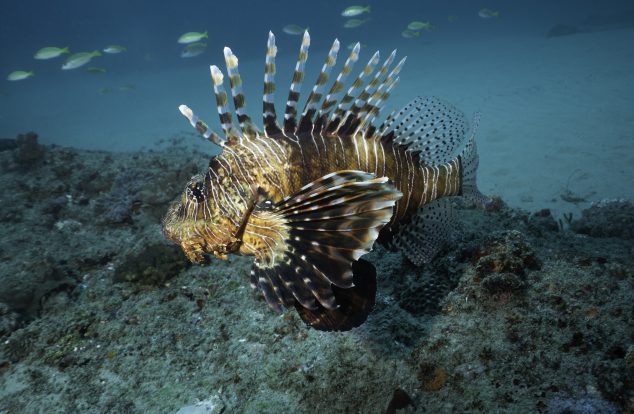
This week’s wildlife photos.
A new poll has revealed a stark regional divide in Scotland, with 41 per cent of Highlands and Islands residents (where most salmon farms operate) viewing salmon farming as environmentally harmful.
The UK’s Marine Management Organisation has appointed Elysia McCaffrey as its next Chief Executive Officer.
Photo credit: Lewis Burnett/Ocean Image Bank