Science
Researchers have begun a large-scale effort to chart coral habitats across the Atlantic, using new technologies to improve understanding of these fragile deep-sea environments and guide conservation efforts.
Penguins and crabs shows how evolution can refine movement in distinct ways, with penguins’ leg muscles evolving to optimise both swimming efficiency and their land-based waddle, while crabs’ sideways movement emerging from a single ancestral change that proved highly successful over time.
Fossil evidence suggests that giant octopus-like creatures in the age of dinosaurs grew to exceptional sizes and were likely dominant ocean predators.
Fisheries
Waitrose will become the first major UK supermarket to stop selling mackerel due to overfishing concerns, with sales ending next week.
A global study estimates that bottom trawling catches around 3,000 marine fish species, including many that are threatened, highlighting the extensive bycatch associated with the practice.
Intense fishing pressure in Southeast Asia, fuelled by commercial demand and limited enforcement, is rapidly reducing marine populations and harming both ecosystems and local livelihoods.
Research indicates that declining fish sizes are being driven by human pressures such as overfishing and environmental change, which are reshaping marine ecosystems and growth patterns.
UK Overseas Territories
Observations from Little Cayman suggest that reefs affected by the 2023 bleaching event are gradually recovering, with researchers reporting a small but encouraging increase in coral growth.
Marine Protection
A new protection measure has come into force off Beachy Head, prohibiting bottom trawling within a large marine conservation zone and strengthening safeguards for sensitive seabed habitats in Sussex.
Over 6,000 people have objected to proposals to dispose of dredged material in a protected marine area near Brighton, with conservation groups warning it could harm important coastal wildlife.
Chile’s proposal to significantly expand its marine protected areas has been paused following a change in government.
NOAA has outlined a range of measures such as slower ship speeds, designated routes and improved monitoring to lower the risk of vessels striking endangered North Atlantic right whales, which continue to face significant threats.
Research shows that seagrass habitats may remain degraded and exposed to pollution even in protected areas, as land-based runoff and other human impacts continue to affect their condition.
Conservation
Coral reefs are far more connected across the oceans than previously thought, with currents linking distant reef systems in ways that help support their recovery and long-term stability.
Hawaiian green sea turtles have been feeding on invasive algae, helping to restore reef balance.
An AI-based listening system has been able to track endangered orcas by identifying their underwater vocalisations in real time, allowing measures to be taken to minimise human activity when the whales are nearby.
A conservation initiative is underway to protect one of the world’s rare expanding kelp forests along South Africa’s coast, with efforts focused on strengthening research and securing formal protection for this unusual ecosystem.
Research indicates that salmon living in chalk streams across the UK and northern France may form a distinct genetic group.
Sperm whales have been spotted in the Stronsay area, a rare occurrence for Scottish waters that highlights the occasional presence of this deep-diving species far from its typical range.
Climate Crisis
Researchers warn that worsening climate conditions is likely to drive more frequent and widespread wildfires, increasing the threat to many species’ survival.
Around 60 countries are gathering in Colombia to accelerate the shift away from fossil fuels, amid growing frustration with slow UN climate negotiations and mounting scientific warnings that the window to limit global warming is rapidly narrowing.
A continuing oil leak in the Gulf of Mexico has spread through fragile coastal and marine environments.
Across mainland Europe, electric car demand has risen by about 51 per cent, as higher petrol prices linked to tensions from the Iran conflict encourage more drivers to switch away from combustion engines.
Misc
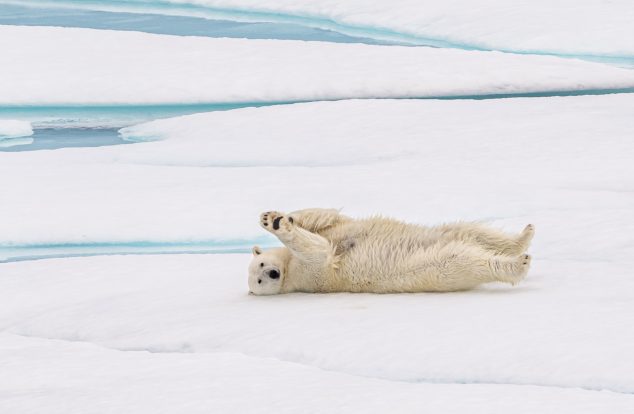
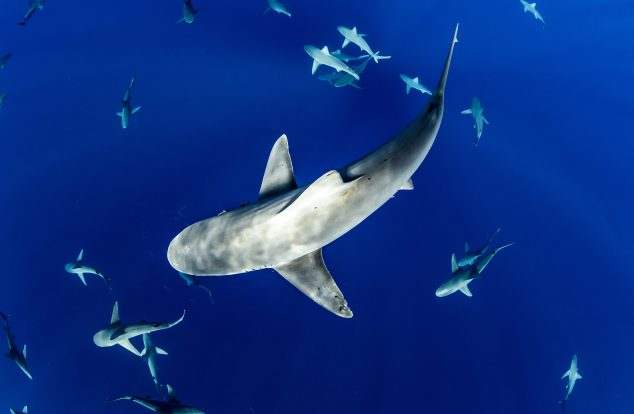
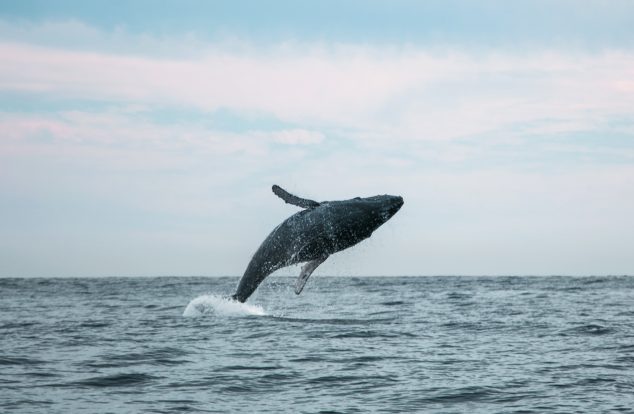
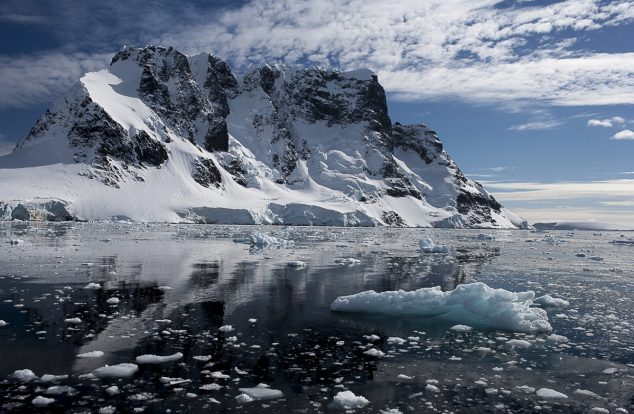
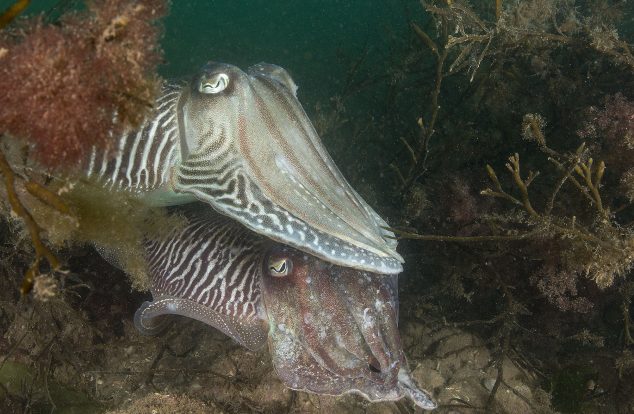
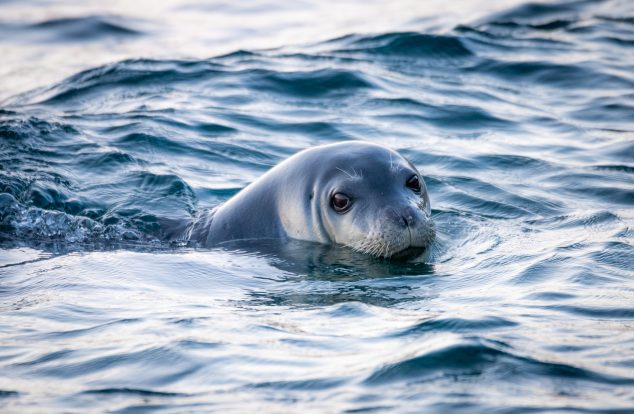
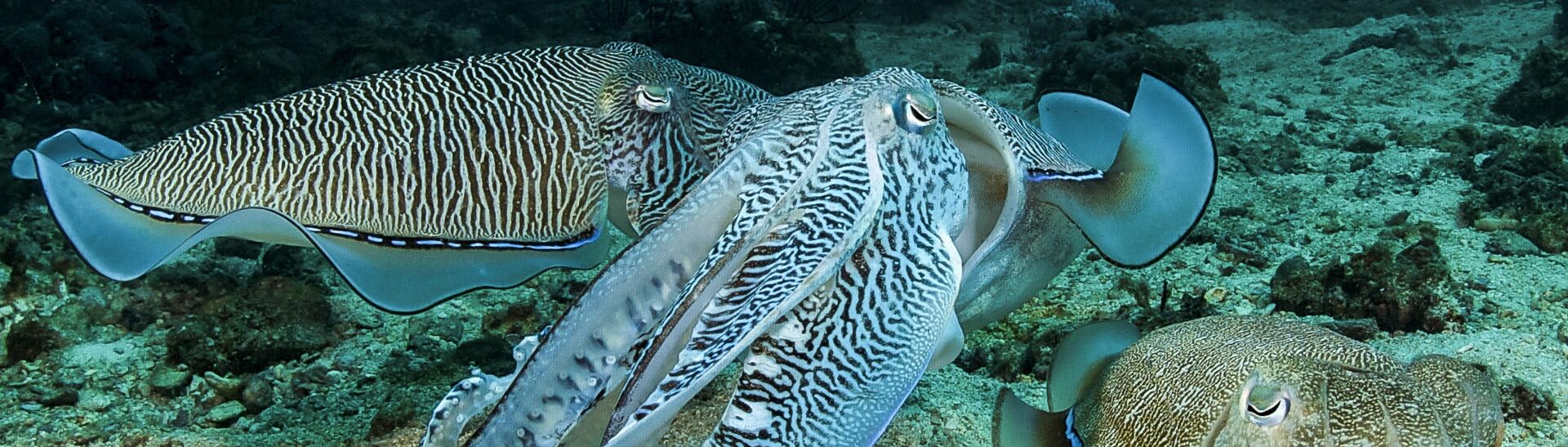
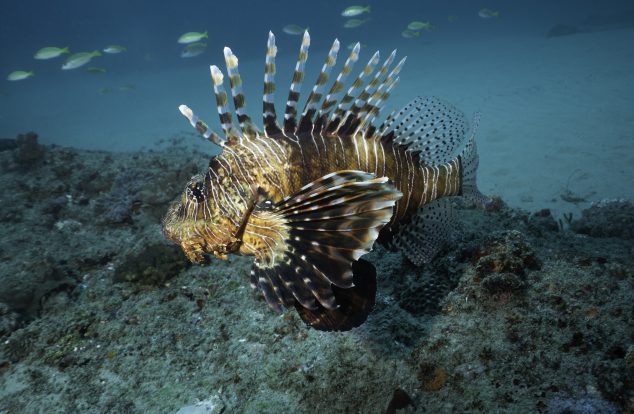
This week’s wildlife photos.
“I refuse to let coral reefs be a lost cause. In Hawai’i, we talk about kuleana – a responsibility passed down through generations. Different languages have different terms for it, but this sense of duty and care is not a new concept. It’s been central, especially to island nations and coastal societies, for centuries. Now, for our environment and especially our reefs, this responsibility extends to every single person on Earth. We all need to remember that we’re part of nature, and taking care of it means taking care of ourselves.”
The European Commission has launched a consultation on a proposed European Ocean Act, inviting views on how to improve coordination and policy for Europe’s seas, with the consultation open until 16 July 2026.
Singapore has announced it will end the sourcing of wild dolphins and suspend captive breeding at Resorts World Sentosa.