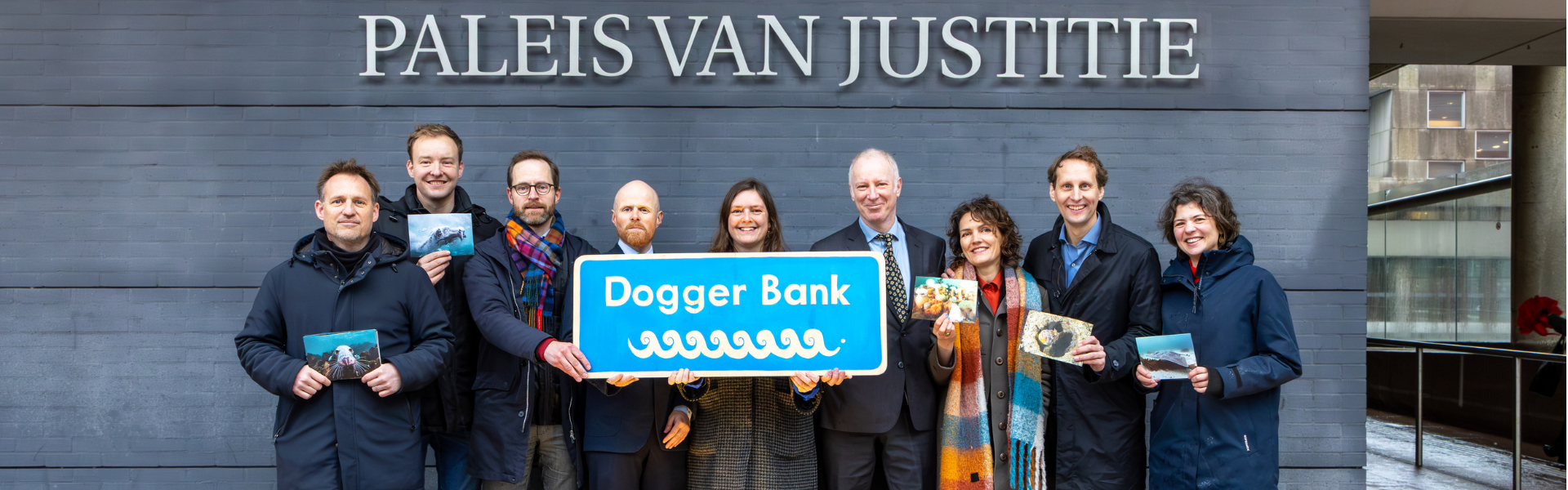
NEWS, UK, 11th May 26: In a major win for ocean protection, the District Court of The Hague today ruled that Dutch bottom trawlers are no longer allowed to fish without a permit and environmental assessment in the Dutch Dogger Bank protected area – the Netherlands’ largest nature area, also known as ‘the nursery of the North Sea’. The Ministry of Agriculture, Fisheries, Food Security and Nature had allowed destructive trawl fishing in this protected Natura 2000 area by Dutch fishers without permits. According to the court, however, such a blanket exemption is contrary to nature protection legislation.
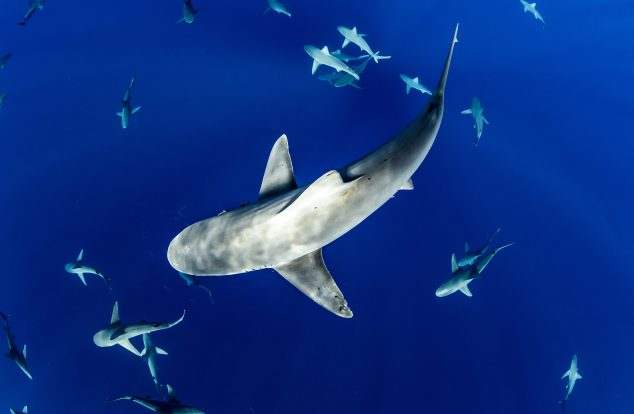
Bottom trawling involves dragging large, weighted nets across the seabed to catch species that live near the seafloor, such as cod, hake, shrimp and octopus. It causes habitat destruction and is a disaster for the ocean’s crucial role in storing carbon. It also captures unintended ‘by-catch’ – unwanted, non-target fish. This method has severely damaged the Dogger Bank, destroying vast swathes of life, including sharks, rays, long-lived shellfish, sea pens, anemones and corals.
This is the first known ruling in Europe where a court has confirmed that governments have a responsibility to regulate the impact of bottom trawling on offshore marine protected areas. It puts further pressure on the European Commission and EU countries to phase out mobile bottom fishing in such protected areas.
The case forms part of a stream of litigation from across Europe over bottom trawling in protected zones, including France, Spain, the Netherlands, Italy, Sweden and Germany, as well as two complaints to the European Commission.
The ruling is welcomed by environmental organisations Doggerland Foundation, ARK Rewilding Nederland, ClientEarth and Blue Marine Foundation, which brought the case before the court.
They now call on European and UK governments to:
- Acknowledge this ruling that their fishing fleets are subject to a Habitat Directive permit obligation and an appropriate assessment requirement.
- Close all Natura 2000 marine protected areas to destructive bottom trawling.
Dr Tom Appleby, Head of Governance and Legal Affairs, Blue Marine Foundation: “This case is important in the UK too, which is why we, a UK Charity, were one of the litigants. After pressure from Blue Marine, the UK closed its part of the Dogger Bank to destructive bottom towed gears in 2022 and we would expect EU members to be doing the same. We have all signed up to the same international obligations, and protecting the North Sea benefits the environment of the entire region; seabirds, salmon, cetaceans and seals do not recognise national boundaries. Restoring the North Sea ecosystem is vital for us all. We are now calling on governments from across the North Sea to respect the Dutch court’s decision.”
Emilie Reuchlin, director of Doggerland: “This is fantastic news for the North Sea. Bottom trawling poses a huge threat to the Dogger Bank because it destroys life in and on the seabed, such as sharks, rays, long-lived shellfish, sea pens, anemones and corals. This ruling puts the burden of proof back in place with the Dutch Government: they are legally bound to subject Dutch fisheries to a permit obligation. To receive a permit, an appropriate assessment must prove that fishing activities will not harm marine life within the marine protected area.
It is a good thing that, after 20 years of campaigning for a ban on trawl fishing, there is finally clarity about the use of the Dogger Bank. The Dutch government is responsible for protecting this nursery and will have to discuss the future with the fishers: if they cannot demonstrate that their activities cause no harm, they will no longer be allowed to fish with trawls in this area.”
John Condon, a senior lawyer at ClientEarth said: “This is a landmark legal ruling for ocean protection, which is set to make waves across Europe. The Dutch court has unequivocally confirmed that bottom trawling in protected areas cannot be ignored – ‘protected’ means protected. European decision-makers are on notice that they have a legal responsibility to act now in order to address this serious threat to our ocean’s wellbeing.”
Karel van den Wijngaard, programme leader for the North Sea at ARK Rewilding Nederland: “A fundamental point is that nature can recover, but only if we genuinely give it the peace and space to do so. The Dogger Bank is protected on paper, but protection only has meaning if the seabed is actually left undisturbed. This ruling increases the chance for nature to show how resilient it is – a chance for the Dogger Bank to become a rich area for marine life once again.”