Science
A new study shows how Atlantic herring have adapted to the Baltic Sea’s low-salinity waters, enabling them to thrive in conditions very different from the open Atlantic.
Environmental DNA (eDNA) analysis has revealed a surprisingly rich deep-sea ecosystem off Ningaloo Reef, uncovering elusive species including giant squid alongside hundreds of other marine animals living in the region. eDNA is also being used to infer whale presence, offering a new way to map where whales are likely to occur.
Researchers have discovered a previously unknown ghost pipefish on the Great Barrier Reef, recognised for its fuzzy-looking body and striking camouflage.
Fisheries
Following the ban on bottom trawling in a marine protected area off Scotland’s west coast near the Isle of Arran, new research highlights that protecting soft seabed sediments can enhance biodiversity and may also aid climate mitigation efforts.
China and Norway are advocating for expanded krill fishing in Antarctic waters, raising concerns that increased harvests could further strain the key species in the Southern Ocean food web.
UK Overseas Territories
British paratroopers and medics were flown in and parachuted onto Tristan da Cunha to deliver emergency medical support after a resident developed a suspected hantavirus infection.
Marine Protection
A new report suggests the High Seas Treaty could strengthen protection for migratory sharks and rays by better coordinating international conservation and filling gaps in fragmented rules that leave wide-ranging species exposed outside protected zones, noting that “once these animals swim away
from protected areas, they immediately become vulnerable again, so the BBNJ is a very important first step in protecting these highly migratory species.”
Conservation
Levels of persistent PFAS “forever chemicals” in northern gannet eggs in Canada have declined by up to 74 per cent over a 55-year study period.
Sawfish in Sri Lanka are feared to be “functionally extinct” with only scattered remnant populations possibly persisting in isolated refuges, underscoring concerns about the species’ near disappearance.
Research indicates that a freshwater jellyfish is spreading widely across Europe, often going unnoticed even as its distribution continues to expand.
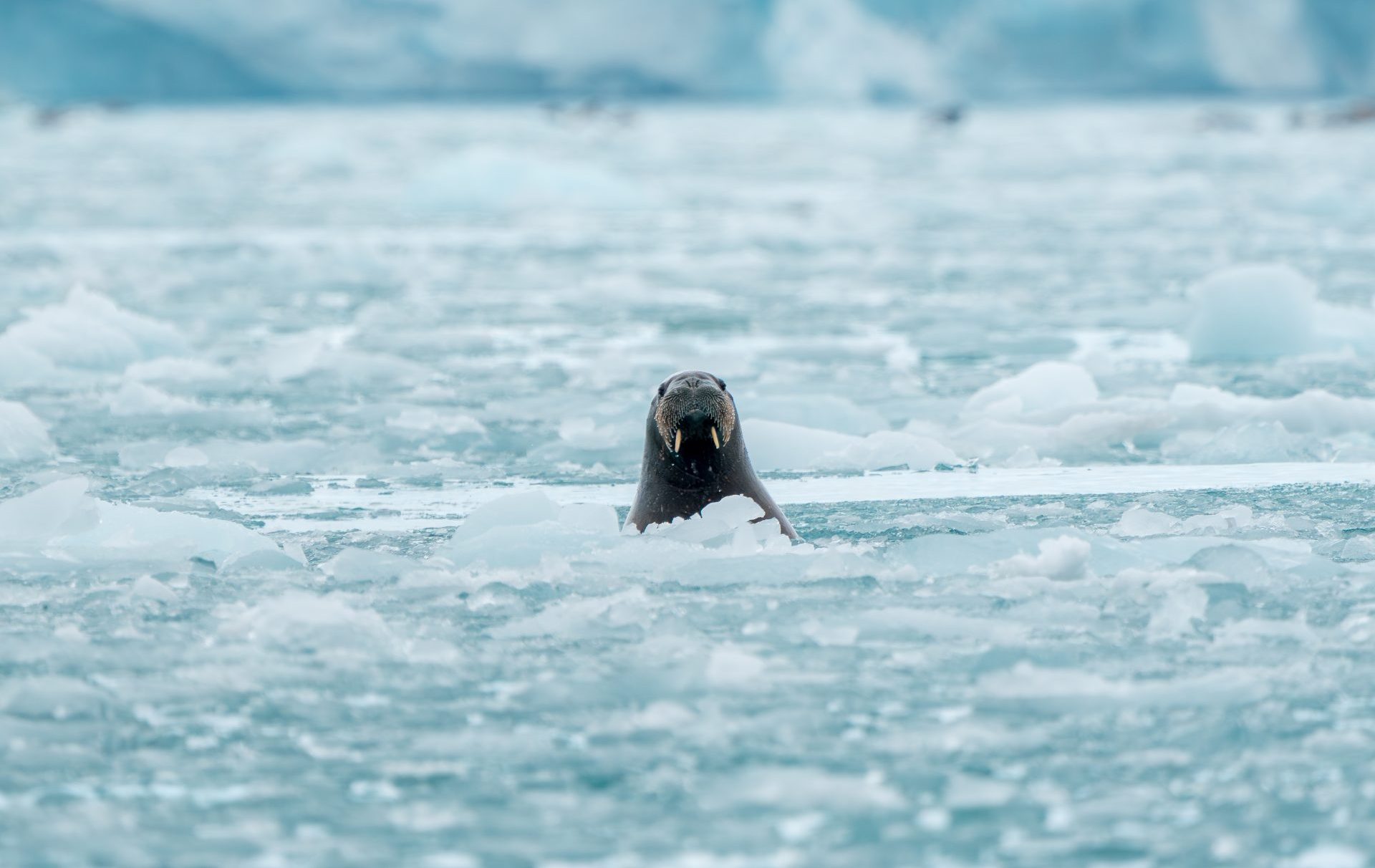
A juvenile walrus known as Magnus, which previously attracted attention along Scotland’s northeast coast, has recently been observed in Norway after crossing the North Sea.
A study suggests that restoring saltmarshes may not fully offset the environmental damage caused by the destruction of older wetland ecosystems, which provide greater long-term carbon storage and ecological stability.
Climate Crisis
Nutrient pollution has fuelled mass seaweed decay along France’s Brittany coast, releasing toxic gases that have caused serious health risks and been linked to several deaths.
Norway’s review of funding to the UN Environment Programme has raised concerns that it could affect progress on talks for a global treaty to curb plastic pollution.
Almost all of England’s designated inland river bathing sites are currently rated unsafe for swimming due to high levels of faecal bacteria from sewage and agricultural runoff
Misc
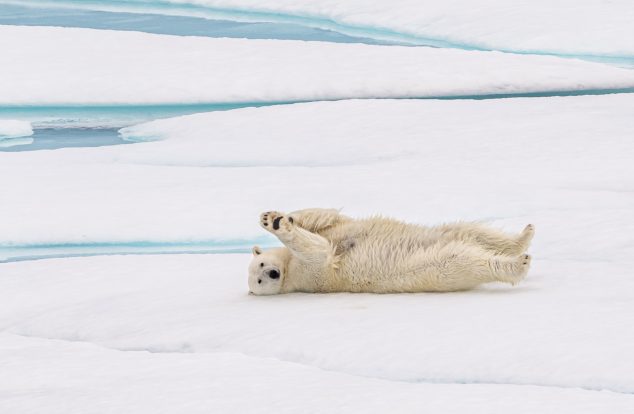
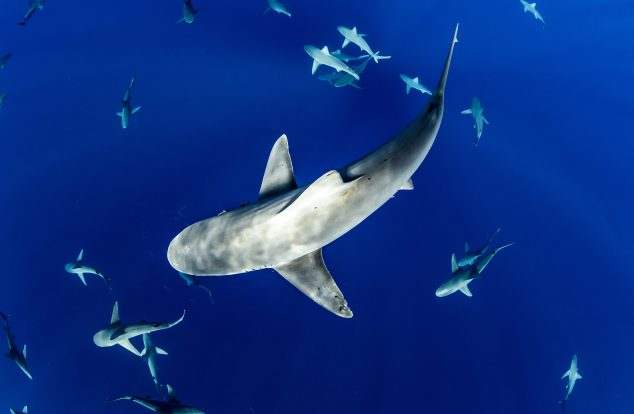
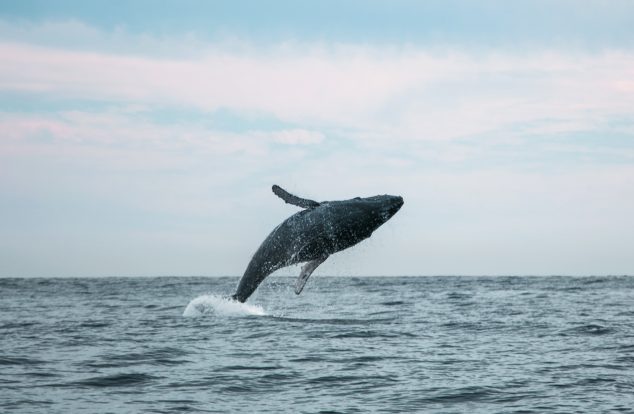
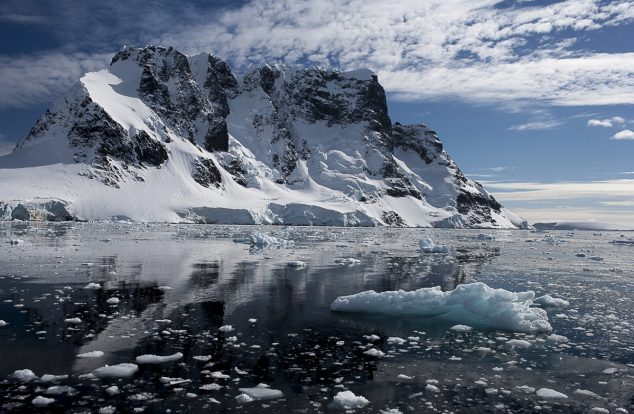
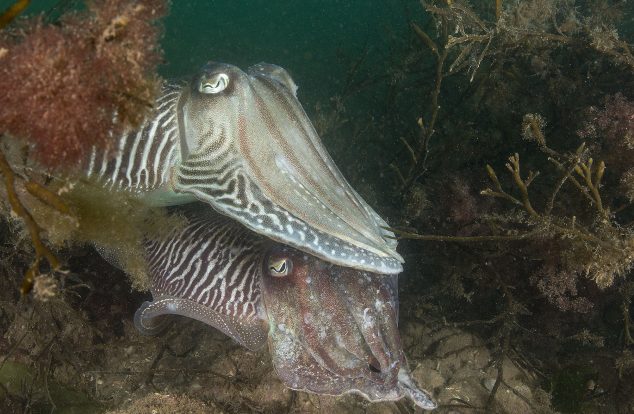
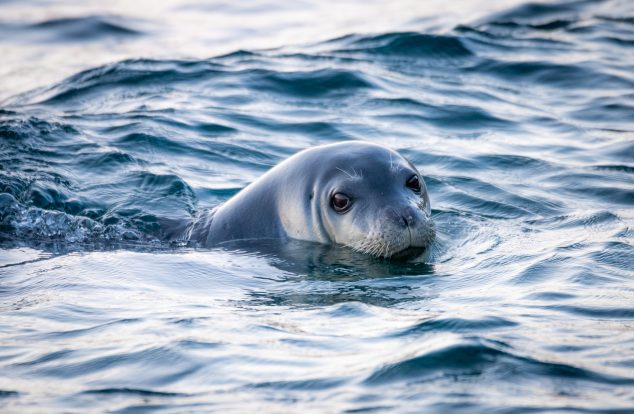
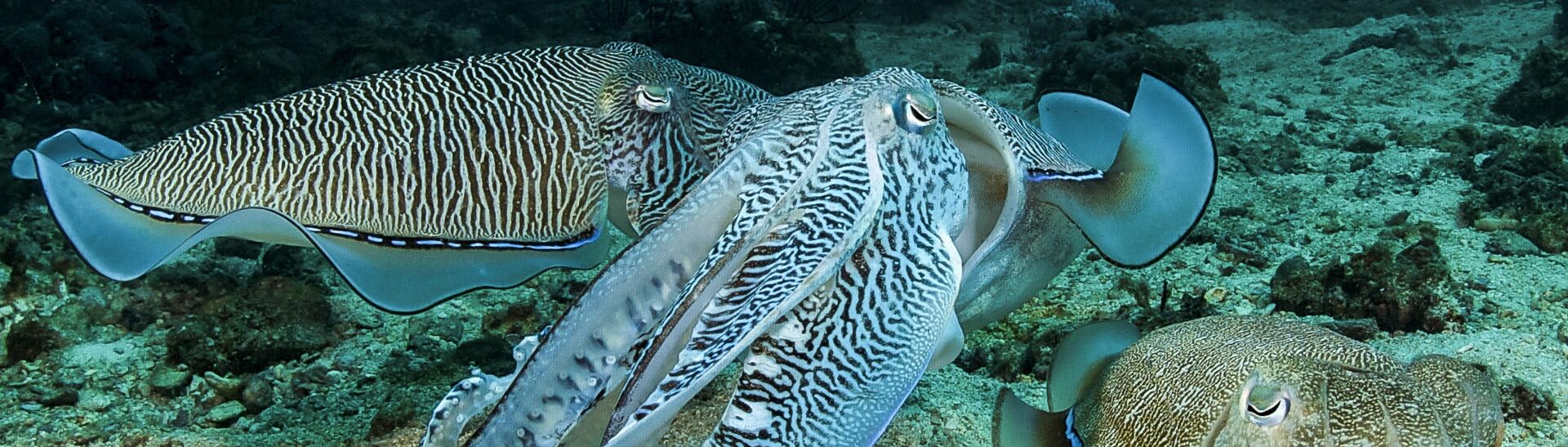
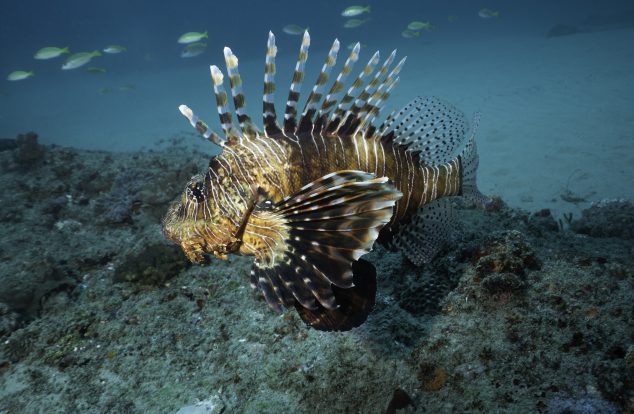
This week’s wildlife photos.
“Sir David Attenborough’s lifework obliges us to act without delay for safe, legal, and sustainable fishing.”
“The 620,000-tonne trigger level sounds reassuring. Krill fishing takes just 11 per cent of what the science says the ocean can sustain. But that number describes the whole ocean. Penguins, seals and whales cannot follow the fleet wherever the catch is easiest. They feed where they breed, in the coastal waters of the Antarctic Peninsula, and if the krill disappear from those waters, it makes no difference to them that plenty remains elsewhere.”