SCIENCE
Scientists exploring deep waters off the coast of Brazil have discovered 31 new species.
Researchers are tracking whether soft coral communities around Jeju Island, a volcanic island off the southern coast of South Korea, can recover after a widespread collapse linked to environmental stressors in 2024.
FISHERIES
New research has revealed that bycatch in commercial fisheries is responsible for the deaths of thousands of marine animals in UK waters each year.
Analysis of two decades of satellite observations suggests that ocean productivity is declining across UK waters and parts of the Northeast Atlantic. As if mounting pressure on key fish stocks from overfishing were not enough, new research indicates that climate change is also reshaping the distribution and life cycle of blue whiting in the North Atlantic. If there was ever a time to set precautionary, sustainable catch limits, it is now. Even the Japanese seafood giant, Nissui agrees, having joined an industry coalition calling for urgent, science-based management of Northeast Atlantic fish stocks. Japan remains the largest single market for Norwegian mackerel, accounting for about 40 per cent of exports, while much of the fish is increasingly processed in Vietnam before reaching Japanese consumers.
Octopus numbers have surged along much of the UK coastline, extending into Scotland and Wales, with warmer ocean conditions likely supporting their expansion and creating knock-on effects for local marine ecosystems and fisheries.
UK OVERSEAS TERRITORIES
As we mark the 10-year anniversary of the Blue Belt Programme, the world’s largest and most ambitious marine conservation initiative, Montserrat becomes the 11th UK Overseas Territory to join the programme.
A webinar will take place at 4pm on Tuesday 29 September, focusing on The Community Voice Method and how it can amplify the role of community perspectives in decision-making processes. Sign up here.
MARINE PROTECTION
Global marine protection has reached a key milestone with over one-tenth of ocean waters now designated as protected areas.
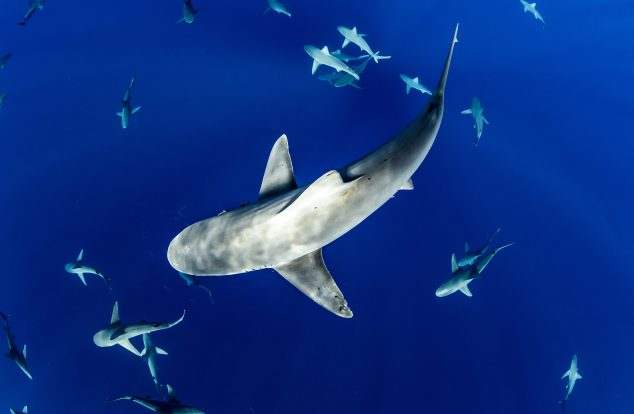
Fishing activity near the Galápagos Islands is putting growing pressure on scalloped hammerhead shark populations. In Ghana, growing pressure on threatened guitarfish and other elasmobranchs from the fin trade is driving initiatives to reduce their capture and encourage alternative income sources like snail farming to support coastal communities.
A study in Australia highlights growing risks to multiple spiny crayfish species, with environmental change and human impacts shrinking their habitats.
CONSERVATION
In Lombok, Indonesia, coastal communities are finding that restoring mangrove forests is helping rebuild crab populations and strengthen both local livelihoods and long-term food security through healthier, more reliable fisheries.
The platypus is increasingly seen as an example of how protecting little-understood species requires more flexible, evidence-driven conservation approaches that can adapt to limited data and complex ecosystems.
A newly released video shows an extremely uncommon sighting of a great white shark in the Mediterranean.
A new UN report warns that “the ocean is the foundation of life on Earth. But its health is at grave risk as ecosystems and habitats approach or surpass critical tipping points,” as climate change, pollution, overfishing and biodiversity loss place marine systems under increasing strain.
CLIMATE CRISIS
More than a year on, Australia is still dealing with the effects of its largest harmful algal bloom, which continues to disrupt marine ecosystems, degrade water conditions and affect fisheries along the coast.
Records suggest that oil extraction activities in Nigeria’s mangrove areas carried on even after multiple spill events.
Airline industry leaders have expressed scepticism that the industry will meet its 2050 net-zero goal.
US solar energy is continuing to grow strongly and reach record output levels, despite federal policy shifts favouring coal.
Sri Lanka is tightening controls on plastic pollution by removing disposable bottles from official events and introducing fees on plastic bags, aiming to reduce single-use plastic consumption and environmental waste.
MISC
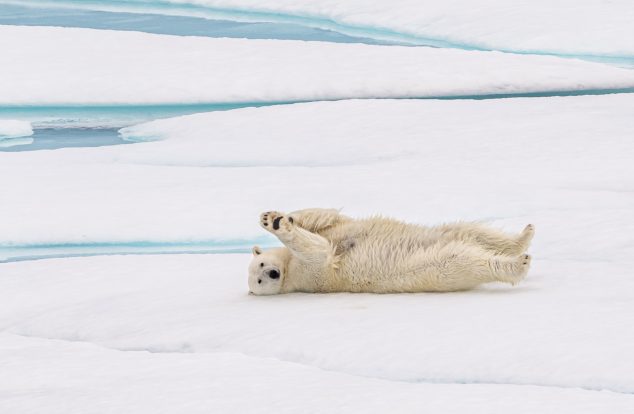
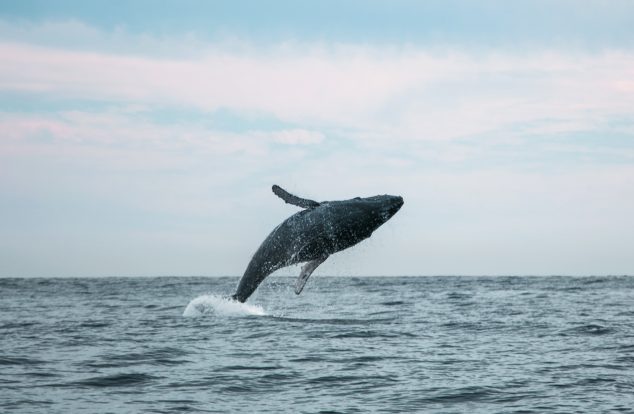
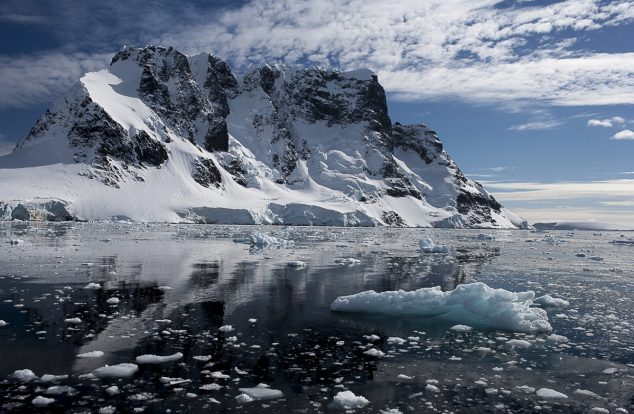
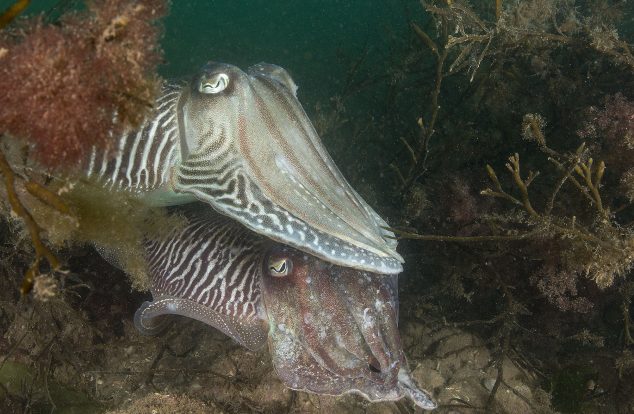
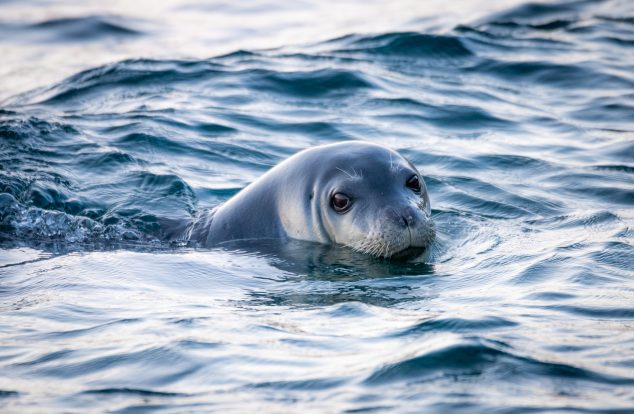
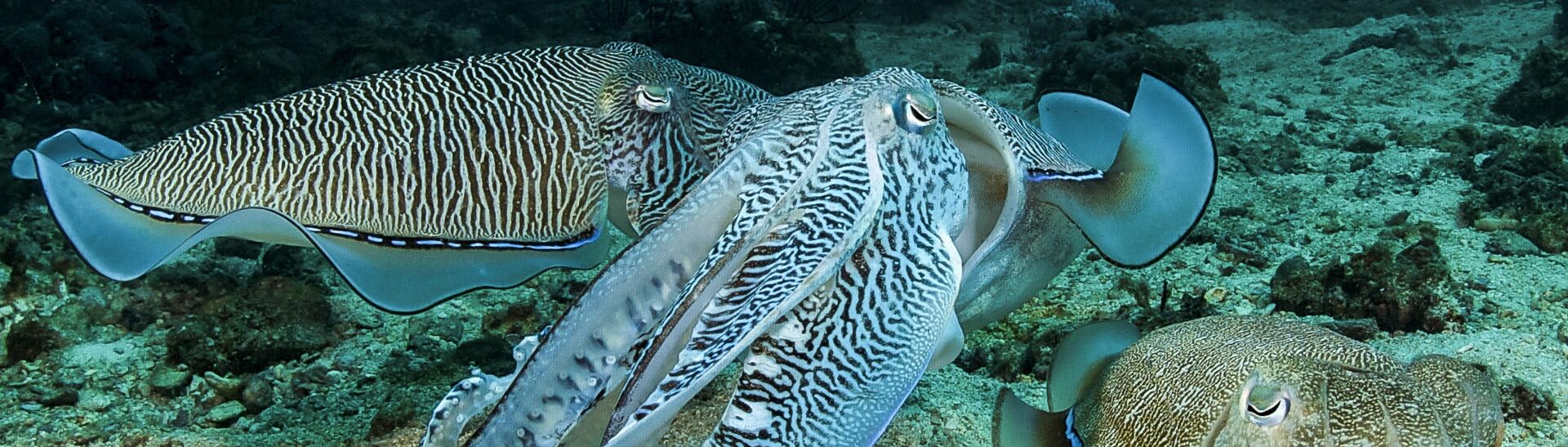
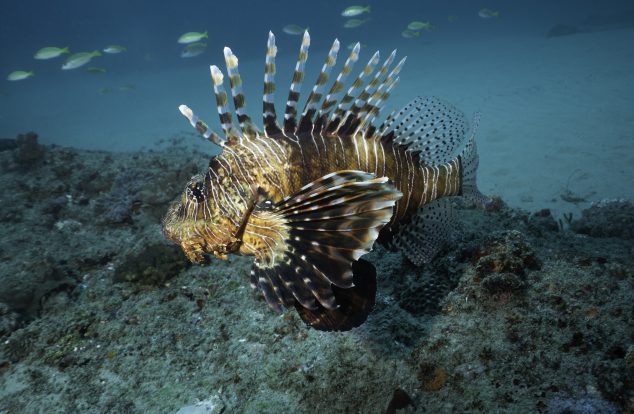
This week’s wildlife photos.
A new Natural History GCSE has been introduced, with hands-on learning focused on biodiversity and ecological restoration, encouraging students to examine human impacts on the natural world and explore practical ways to support and enhance biodiversity in everyday life.
“You may have read that El Niño is likely returning this year, with far-reaching repercussions for global temperatures and rainfall patterns. The Galápagos will be at its heart. Cold, upwelling currents that normally bring vital nutrients will diminish as warmer water sweeps in. Forecasts suggest it will be another big one – the fourth since the 1980s – and could kill off swathes of ocean life.”