Science
Satellite monitoring is being used to improve the tracking and management of fish stocks by providing more accurate, real-time information on marine conditions and fishing activity.
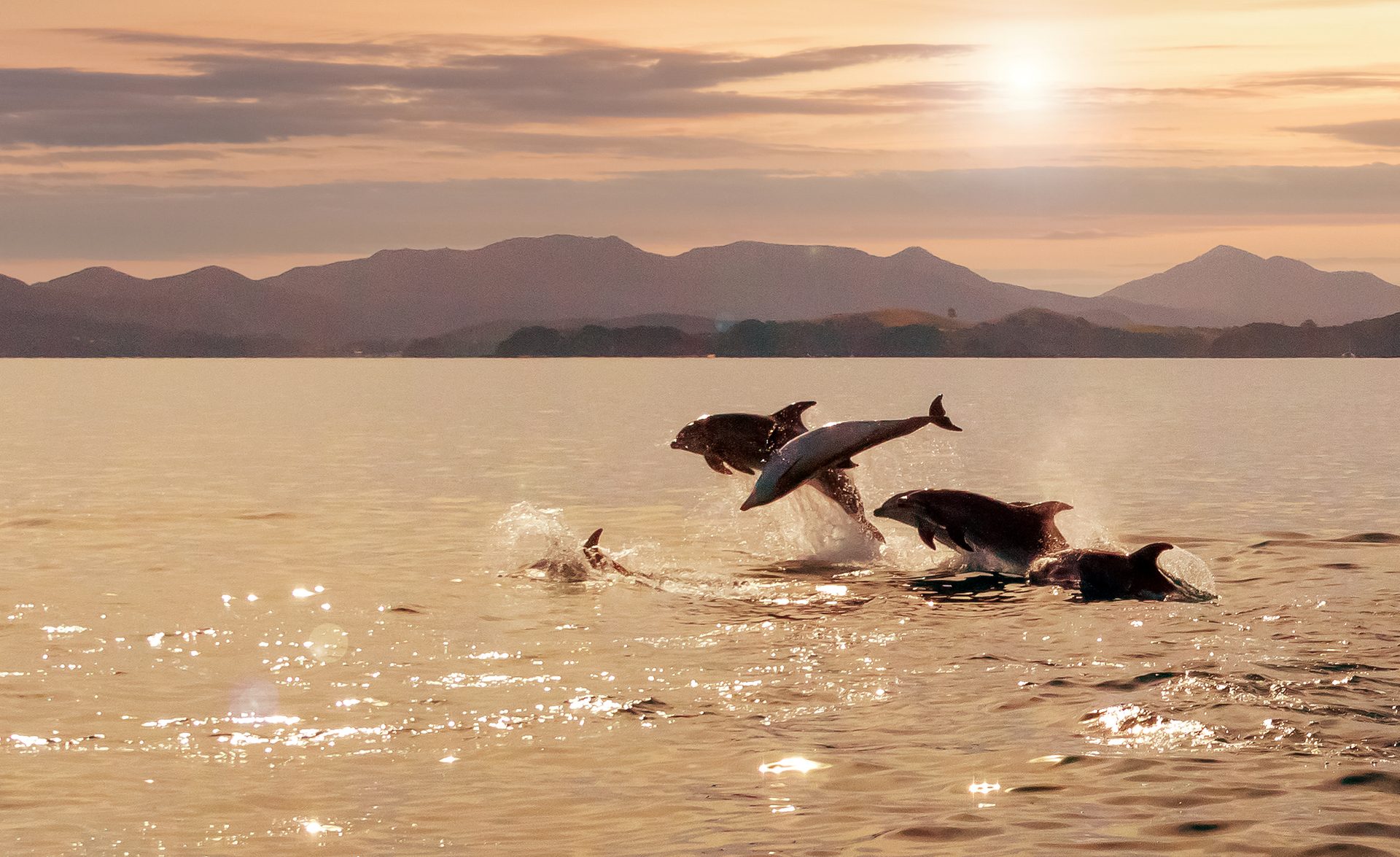
A new study suggests that bottlenose dolphins in the Adriatic Sea have become increasingly dependent on fishing vessels for feeding, highlighting how changes in marine ecosystems are altering their natural foraging behaviour.
Studies show that some freshwater crustaceans are increasingly feeding on more vegetation.
Expanded research partnerships and greater funding are bolstering fisheries science in the Philippines, supporting more effective and sustainable management of marine resources.
Fisheries
Stephen Morgan MP has been appointed as the UK’s new Fisheries Minister.
Rising cod prices in Britain, linked to overfishing and reduced stock levels, are pushing fish and chip shops to switch to cheaper alternative species to maintain affordability. This week, scientists have recommended zero commercial catches for cod in several key fishing areas after assessments found stocks to have declined further.
The European Commission has welcomed new Northeast Atlantic Fisheries Commission (NEAFC) measures for mackerel, while criticising Russia for increasing its unilateral quota, which worsens pressure on the already overexploited stock.
India’s coastal communities are facing increasing environmental damage from lost and discarded fishing gear.
UK Overseas Territories
Community-led conservation and collaborative management efforts across Caribbean UK Overseas Territories, including fisheries reforms in the Turks and Caicos Islands, are helping improve sea turtle protection and support signs of population recovery.
A Spanish-led investigation finds that rapidly expanding Asian squid fleets, particularly from China, are reshaping global markets and increasing pressure on South Atlantic fisheries, including those around the Falkland Islands.
Marine Protection
Research indicates that large areas critical to the survival of sharks and rays across Asia lack adequate protection.
Protected seabed areas in Scotland are showing signs of ecological recovery after damage linked to illegal fishing activities, suggesting that reduced disturbance is allowing marine habitats to begin regenerating.
Conservation
An increase in humpback whale sightings off Rio de Janeiro is driving growth in marine ecotourism.
A new report highlights that conservation projects led by young people are often underfunded, constraining their ability to expand efforts to protect biodiversity.
A UK restoration initiative has reintroduced and bred large sturgeon for release into rivers, with the goal of rebuilding a species that has long been missing from British waterways.
Studies have found that sperm whales in the Mediterranean use regionally distinct patterns of communication, suggesting their social vocalisations vary between groups.
A global mapping effort has provided a clearer picture of where seagrass habitats are found, highlighting both their ecological importance and the need for focused protection and recovery measures due to widespread decline.
Climate Crisis
Sea surface temperatures in June reached record highs, while England also experienced its warmest June on record.
A prolonged marine heatwave off California have disrupted food availability for seabirds, contributing to significant mortality.
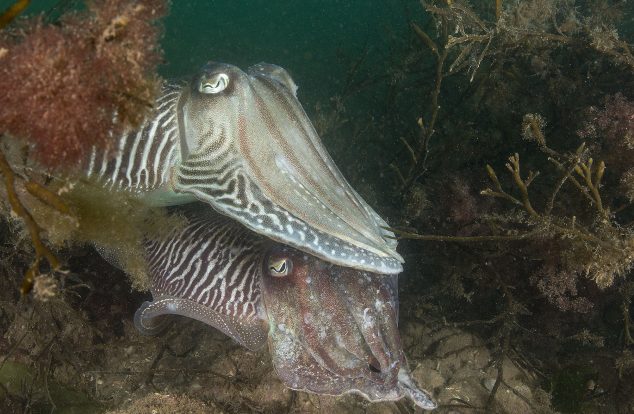
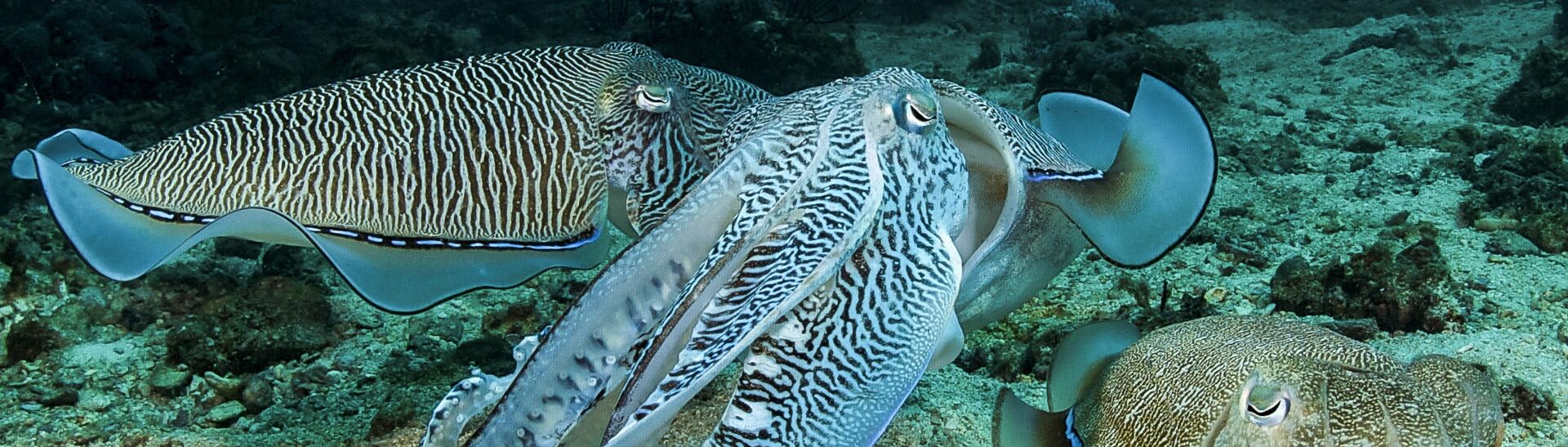
An extensive algal bloom in South Australian waters near Whyalla is disrupting marine ecosystems, with concerns that it could negatively affect local species such as cuttlefish.
A UN report shows that seafood trade has expanded to nearly match the scale of land-based meat markets, reflecting the rising global reliance on aquatic foods and the pressures this places on marine and freshwater resources.
The UK’s independent climate advisers warn that weakening net-zero commitments will likely increase long-term economic costs and slow progress in reducing emissions needed to address climate change.
Misc
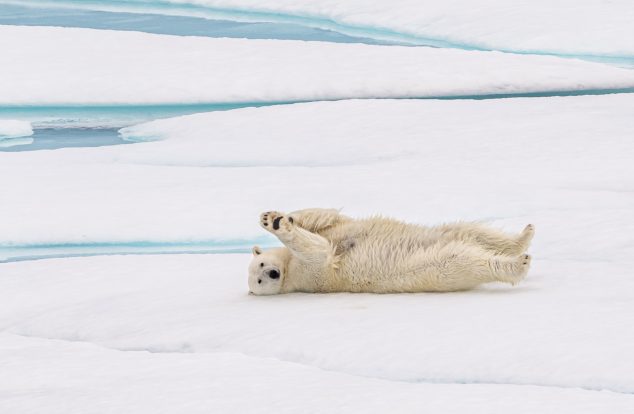
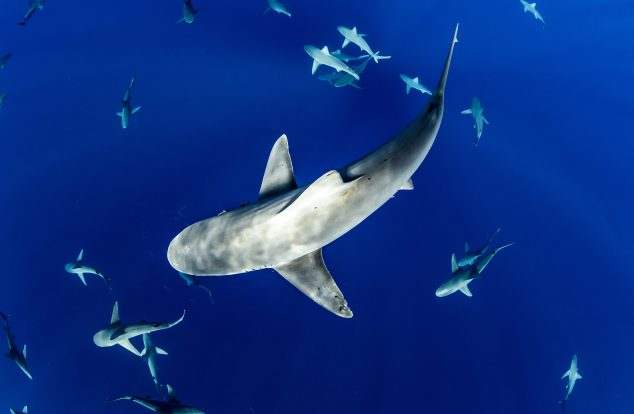
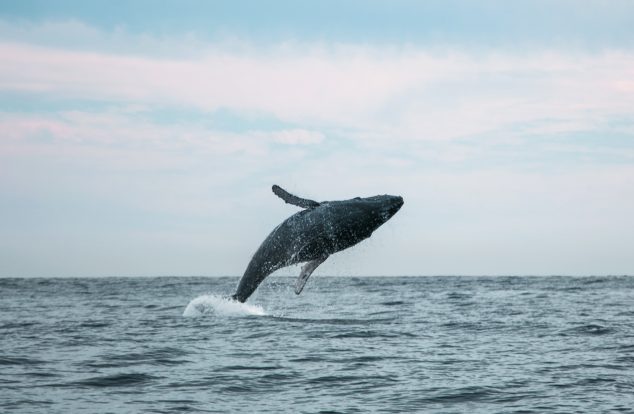
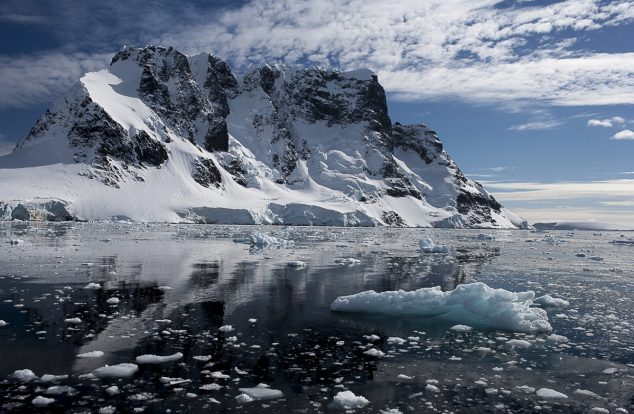
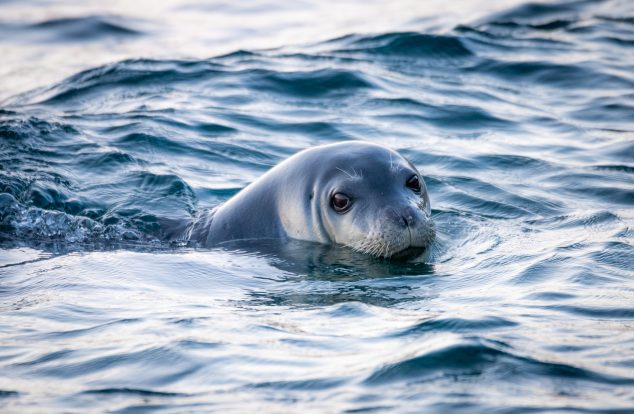
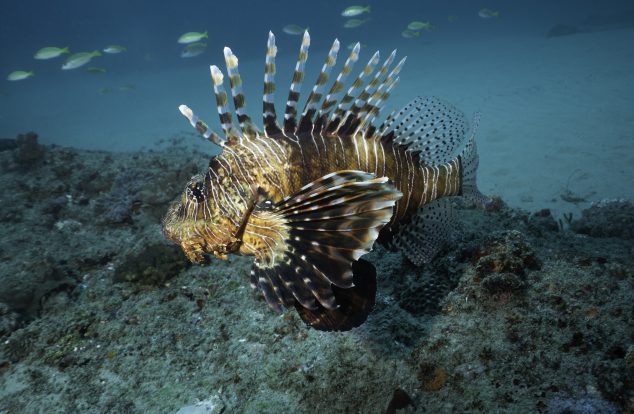
This week’s wildlife photos.
A large elephant seal known as Neil has become a local attraction in Tasmania, drawing attention for his disruptive visits ashore where he blocks roads and damages property while behaving like a territorial wild animal.
“It is indefensible that we continue to repeat the same mistakes despite decades of warnings from scientists. Time and time again, ministers have prioritised short-term political trade offs over scientific evidence, pushing fish populations closer to collapse. This is precisely why it is vital that the Government changes course and follows scientific advice when setting fishing limits. Short-term economic gain can no longer justify ignoring scientific advice. Instead, ensuring long-term sustainability of our seas must be the government’s priority this year.”