Science
Scientists surveying previously unexplored seamounts in the Indian Ocean have discovered 149 new species.
Fisheries
Research suggests that illegal, unreported and unregulated fishing could account for between 8 per cent and 15 per cent of the world’s marine wild catch, showing the significant scale of fishing activity outside official controls.
Iceland’s fishing quota system remains heavily concentrated, with its five largest companies controlling more than a third of the country’s allocated catch for 2026/27.
The Scottish Government has admitted that it does not have a full picture of the organisations involved in overseeing commercial fishing, highlighting gaps in its records and monitoring.
Sardines are gaining popularity and becoming more expensive as social media drives demand while shrinking fish stocks and climate pressures create shortages, raising questions about who benefits and whether the industry can remain sustainable.
UK Overseas Territories
SpaceX has expanded its satellite internet network to the Turks and Caicos Islands, giving residents access to a new high-speed connectivity option.
Marine Protection
More than 1,000 little penguins on Phillip Island have begun receiving H5N1 vaccinations as Australian authorities try to protect the vulnerable colony from the growing threat of bird flu.
Sark is considering tighter controls across a significant part of its marine area to preserve biodiversity, protect vulnerable ecosystems and help maintain sustainable fisheries.
Conservation
Researchers are using AI and other technology to analyse whale communication, helping uncover complex social behaviours while providing new ways to protect these animals from threats such as underwater noise. Sensor-equipped narwhals are also helping to gather hard-to-reach ocean measurements, revealing that warmer Atlantic water is penetrating deep into East Greenland’s fjords and potentially speeding up glacier loss.
Tracking data shows that some yellow-patterned green turtles in the Galápagos spend most of their time near one island, suggesting they travel far less than scientists had expected.
Researchers are testing underwater sound-monitoring technology as a way to detect explosive fishing and help authorities protect coral reefs from further destruction.
A freshwater fish in Papua New Guinea’s Sepik River has been found alive after more than 40 years without a scientific record, thanks to help from local communities and fishers.
Climate Crisis
A strengthening El Niño is reducing nutrient supplies in the Pacific, limiting plankton growth and potentially disrupting food chains for fish, seabirds and marine mammals. With the 2026–27 event expected to be unusually severe, countries are being urged to draw on lessons from previous El Niño episodes to prepare for its potential impacts.
This summer’s heat, drought and wildfires show that the UK needs to strengthen its natural landscapes and prepare more effectively for increasingly severe weather linked to climate change.
The Scottish Government is forming a new advisory group to help the country better withstand the effects of a changing climate and increasingly extreme weather. Scotland’s energy specialists say increasing oil and gas production is unlikely to reduce energy bills, while expanding renewable generation could offer a more affordable long-term solution.
A glacier collapse in the Himalayas triggered devastating floods along the Nepal-Tibet border, leaving hundreds dead and more than 1,400 people missing while rescue teams continue searching for survivors.
South Africa’s timber sector is shifting towards cleaner electricity to lower its carbon footprint, while experts say broader environmental responsibility must also include careful plantation and resource management.
Misc
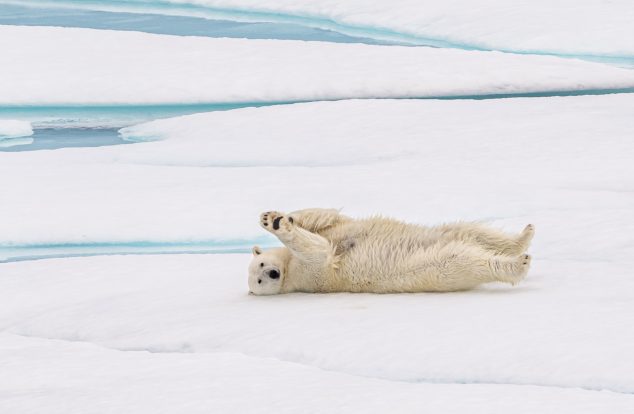
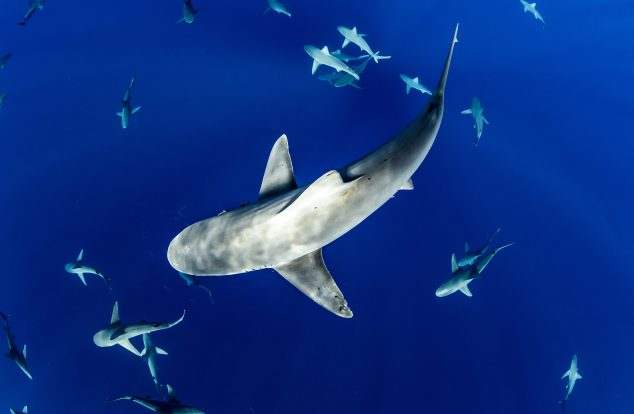
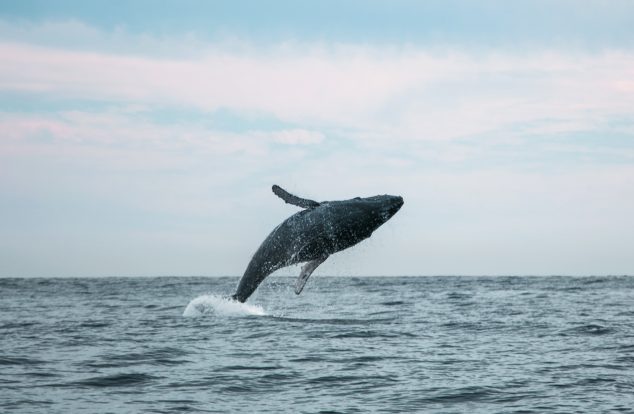
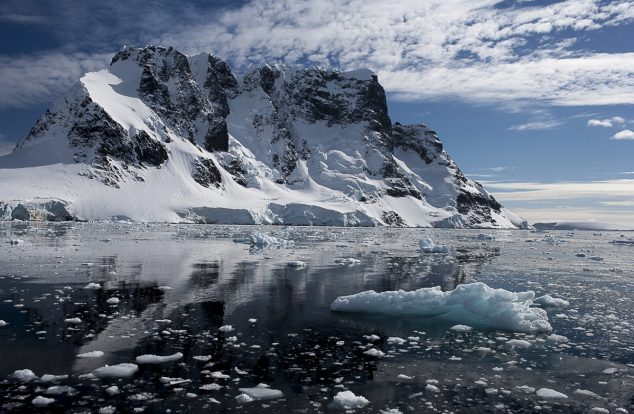
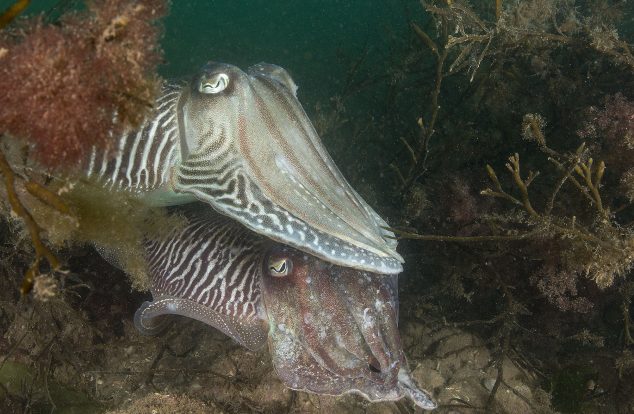
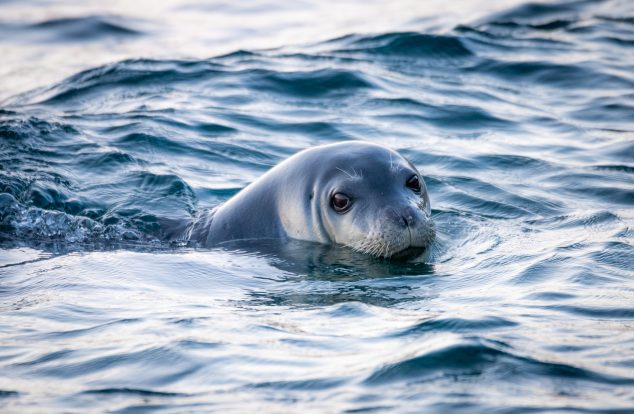
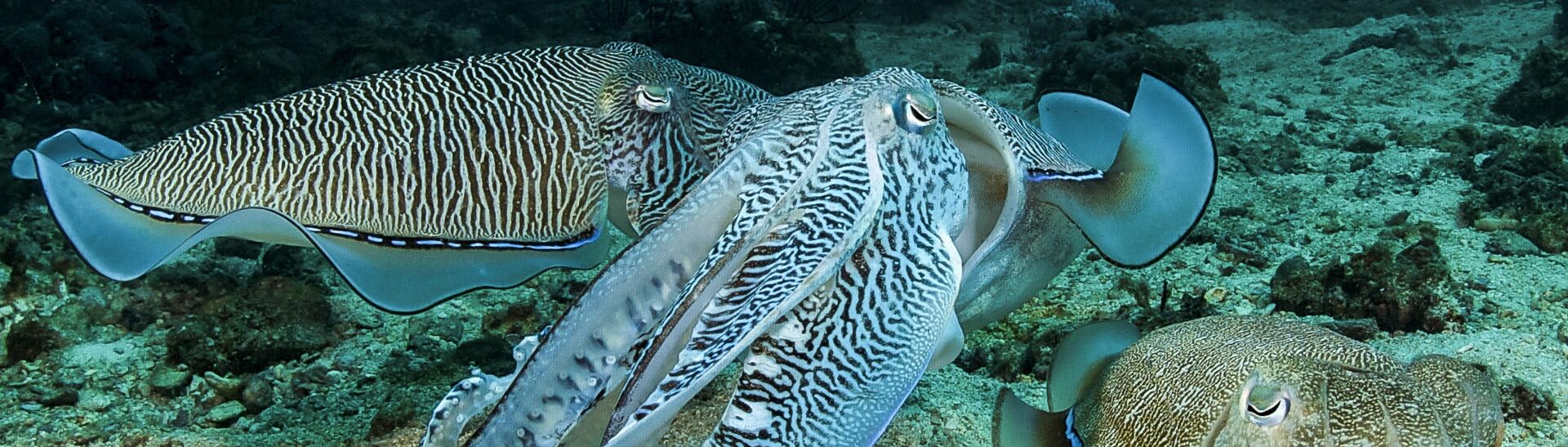
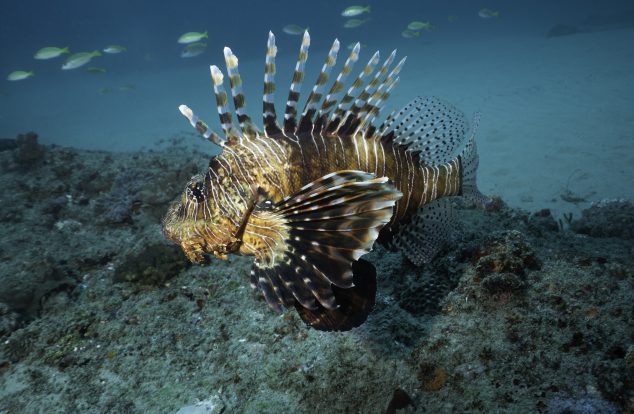
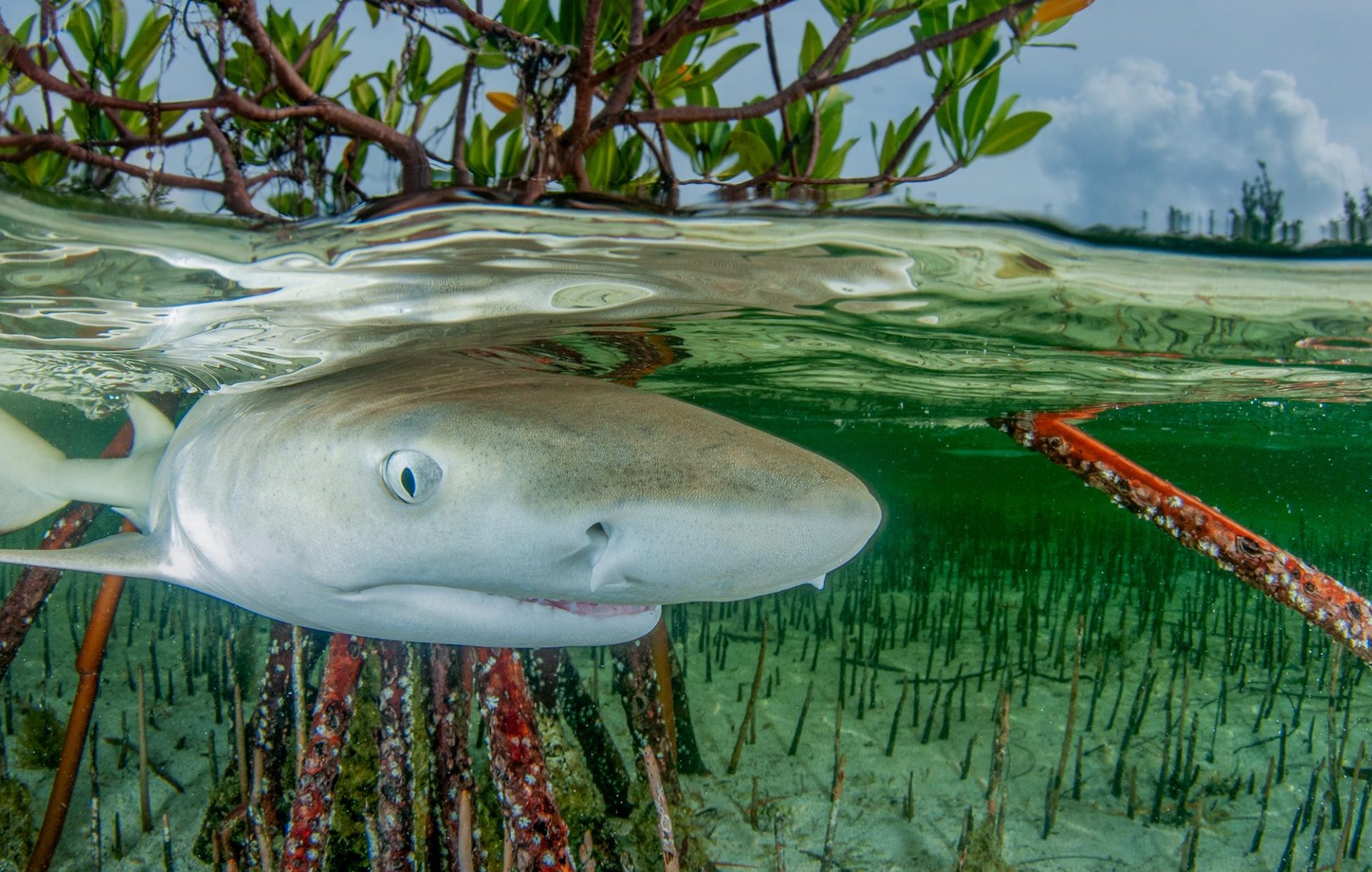
This week’s wildlife photos.
A global beach-cleaning effort found more than 1.3 million plastic bottles in 2025, highlighting the scale of plastic waste reaching coastlines and the need for better ways to reduce and manage it.
“Artistic interventions can render the largely unseen underwater world into something visible and accessible. When paired with scientific data, interactive design, and clear calls to action, coral-inspired art installations in cities worldwide can amplify public understanding and galvanize support.”