Science
Five previously unknown freshwater mussel species have been identified in the southern United States, while a new species of orange killifish has been discovered in the Brazilian Amazon.
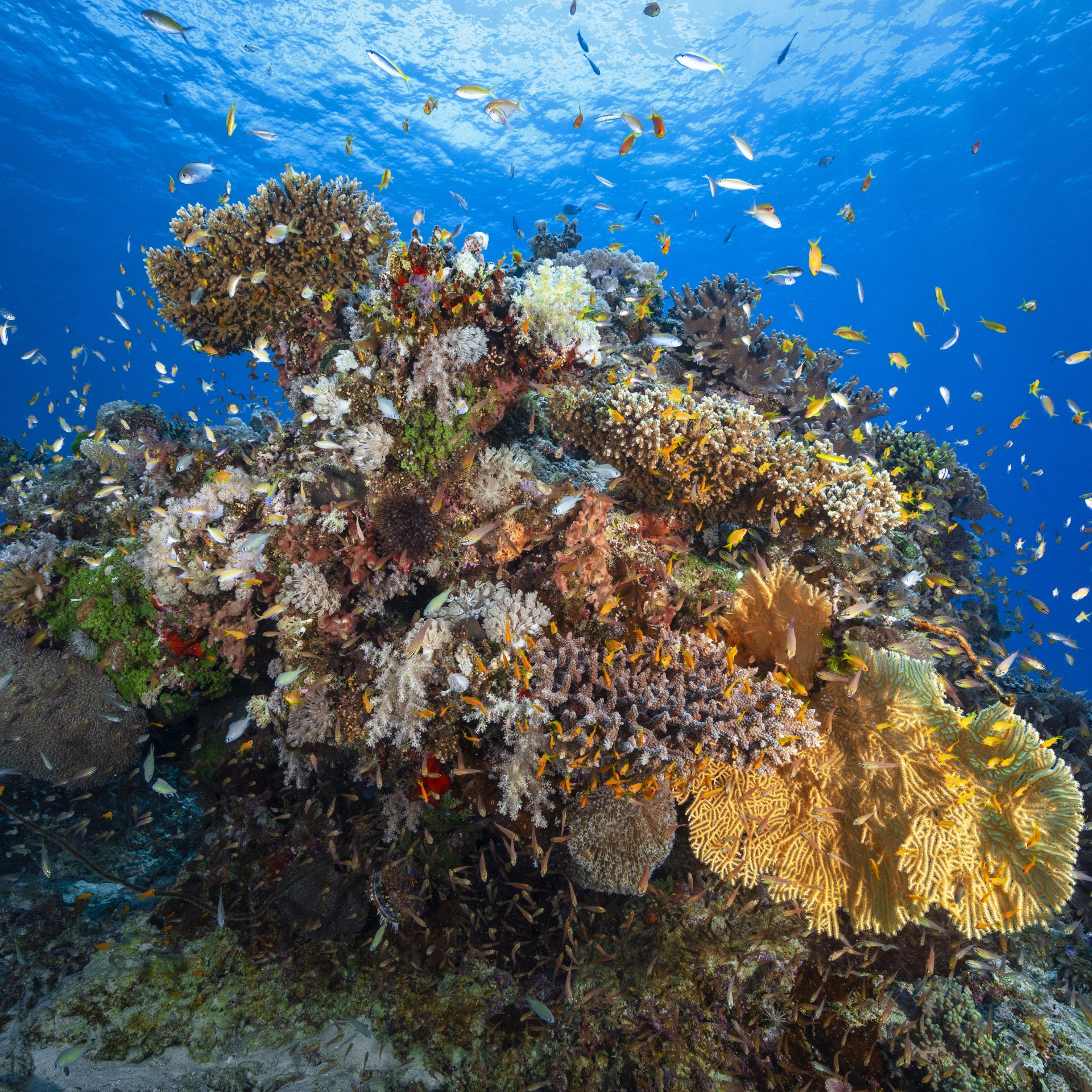
Scientists have found that temporary shading structures, described as underwater “umbrellas”, could help shield coral reefs from extreme heat.
Underwater surveys and environmental DNA analysis have highlighted the importance of shellfish reefs as biodiversity hotspots.
Researchers have found that dolphins appear to use different parts of the ocean for feeding and social interactions, while a separate study suggests sperm whales may release bubbles to help maintain their position in the water while resting.
Fisheries
Despite a slight rebound in biomass, Northeast Atlantic mackerel remains under significant pressure from years of overfishing, while NAPA has warned that international negotiations to address the issue are progressing at an “excruciatingly slow” pace.
A YouGov poll found strong support among UK consumers for fishing catch limits to follow scientific advice, with 71 per cent of UK adults supporting a legal requirement for limits to remain within scientific recommendations, while 75 per cent believe scientific advice should play a significant role in setting catch limits. You can show your support here.
ICES has called for existing limits on deep-sea bottom fishing to remain, helping safeguard fragile seafloor habitats and the species that depend on them.
A large decline in sardine numbers off South Africa is putting pressure on penguin populations while creating challenges for people who depend on fishing for their livelihoods.
Underwater drones are being trialled in Orkney to find and retrieve abandoned fishing equipment, helping to reduce marine pollution and protect wildlife.
UK Overseas Territories
The Falkland Islands Government is recruiting a Fisheries Protection Officer.
Argentina has threatened international legal action against the UK unless plans to develop the Sea Lion oilfield near the Falkland Islands are halted
The Marine Conservation Society has highlighted its Community Voice Method, an approach that uses storytelling and community engagement to ensure local people play a more meaningful role in marine conservation.
The Blue Belt Programme has released three short films showcasing recent scientific expeditions to the Cayman Islands, Anguilla and the Turks and Caicos Islands, highlighting efforts to map marine habitats, study ocean wildlife and improve understanding of offshore ecosystems.
Marine Protection
A global assessment has revealed that rising sea temperatures are leaving coral reefs with less time to recover from periods of extreme heat.
More than 330,000 olive ridley turtles have arrived on Mexico’s coast to nest but rising temperatures and changing environmental conditions are putting their annual migration under increasing pressure. Meanwhile, California has recorded its first confirmed sea turtle nesting activity, suggesting that sea turtles may be extending their breeding range along the U.S. West Coast.
El Niño-related ocean warming is pushing fish into cooler waters, creating difficulties for Latin American fishing communities as catches decline and operating costs increase.
New Zealand’s yellow-eyed penguin numbers are falling, with accidental deaths caused by fishing gear adding to the challenges the species faces. In Peru, Humboldt penguins are also being affected by warmer seas, disease and reduced access to prey linked to fishing activity.
Around 20 endangered Ganges river dolphins remain in Bangladesh’s severely polluted Buriganga River, despite water conditions considered too poor to support most fish.
Conservation
Trials in Cornwall suggest that using floating devices and bird-shaped kites around fishing nets could cut seabird deaths by around two-thirds.
A new agreement aims to restore salmon access to British Columbia’s upper Skagit River, with plans to improve fish passage around dams in the U.S.
New research offers a way to estimate how well mangrove forests can absorb wave energy, helping assess their role in protecting coastal areas from storms.
Climate Crisis
Global oceans absorbed a record 23 zettajoules of heat in 2025, accelerating ocean warming and placing increasing pressure on marine ecosystems.
Australia could face up to $855 billion in losses by the end of the century as rising sea levels threaten costal communities, infrastructure and ecosystems.
Vietnam’s small-scale fishing fleets lose an average of $3,421 per boat each year because of plastic pollution, while involving fishers in collecting marine waste could help tackle the issue.
Researchers have created a tool to assess the potential climate and environmental impacts of individual coal, oil and gas projects, including risks to people and wildlife.
“This war has completely gutted any sort of romantic notions of energy security and it’s compelled folks to think differently. It’s accelerating investments and clean energy and renewables. If Trump has been an accidental environmentalist, it’s been in the international sphere.”
Aquaculture
A report estimates that 45 per cent of wild-caught fish could be diverted to feed farmed fish and shrimp by 2040, as demand for aquaculture continues to grow.
Despite a rise in Scottish salmon production, new figures show that around 15 million farmed salmon died before reaching harvest, highlighting ongoing concerns about fish welfare and environmental impacts.
Misc
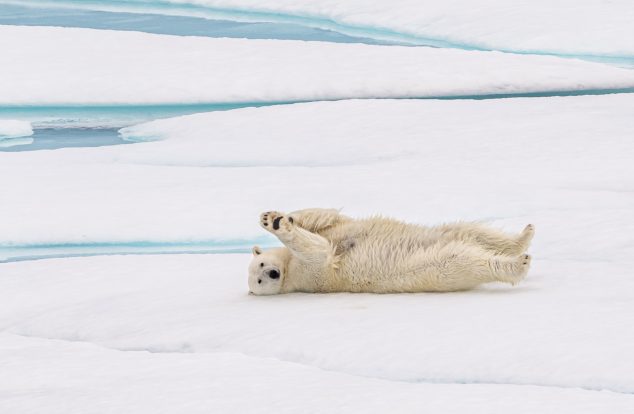
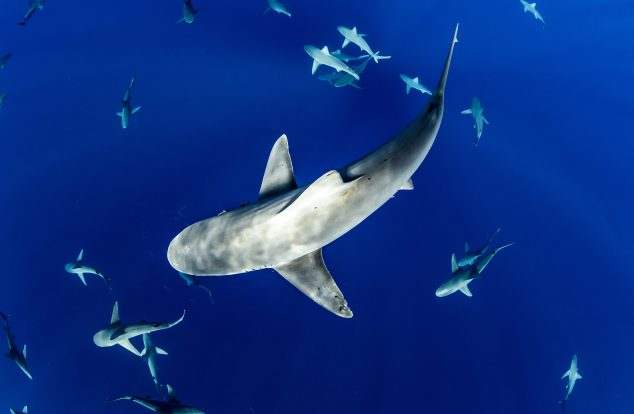
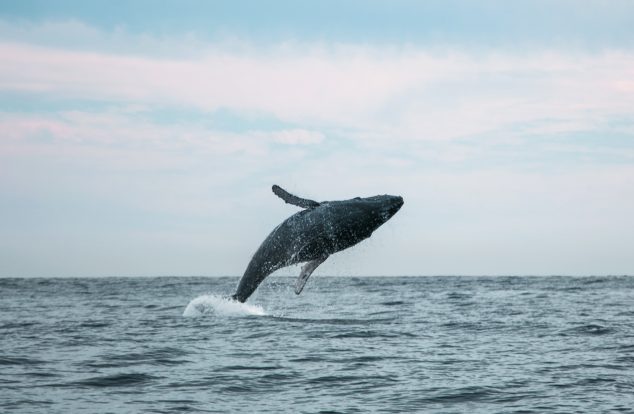
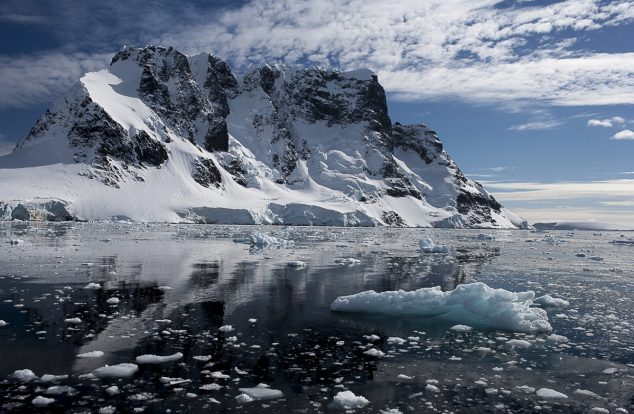
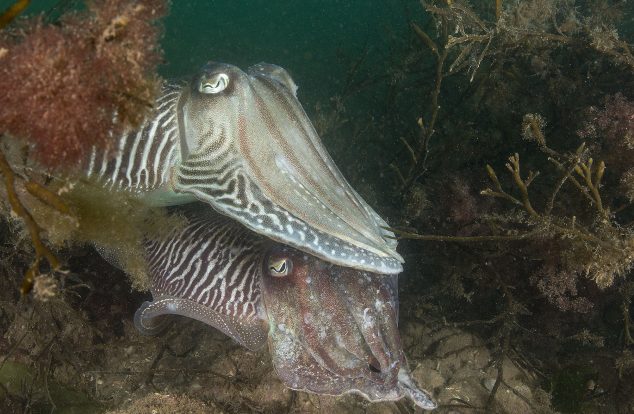
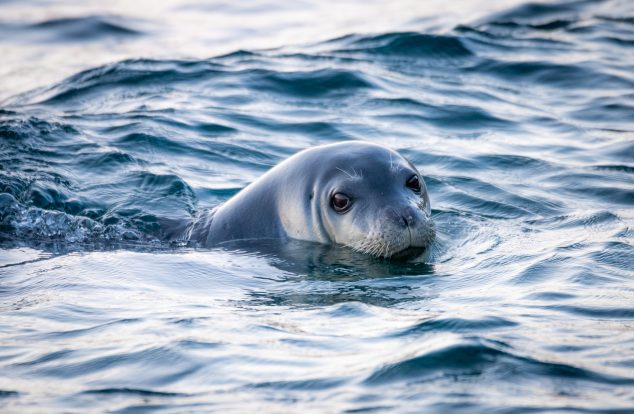
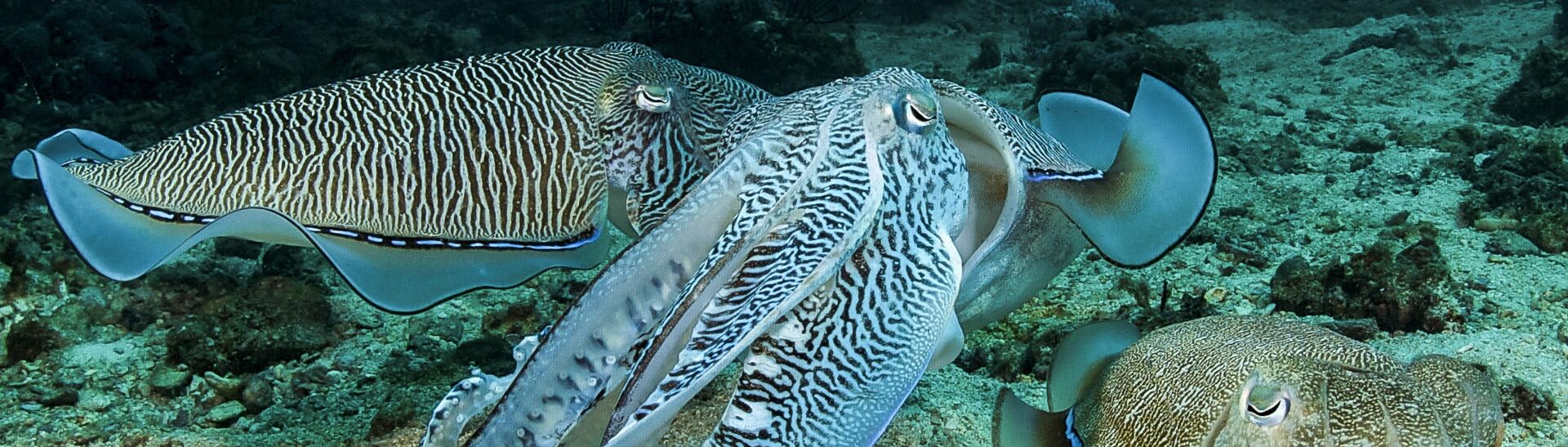
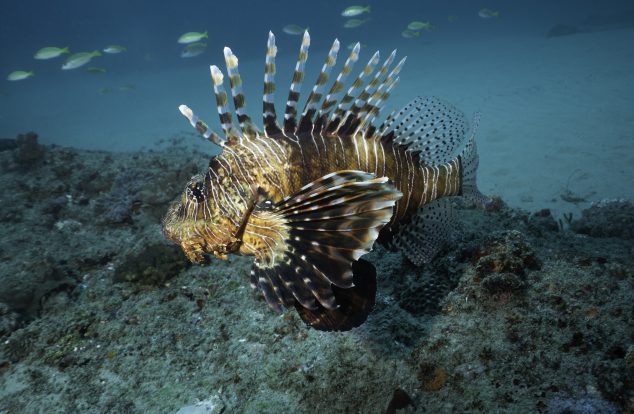
This week’s wildlife photos.
“Why is the UK’s suppressed climate national security report significant?”
How to Live on Earth, presented by Benedict Cumberbatch, showcases practical solutions for reversing nature loss and responding to the impacts of climate change.