
What is the public being consulted on?
The Scottish Government is currently consulting on fisheries management measures for 166 sites across Scotland’s inshore waters, creating a major opportunity to secure stronger protection for our seas. This includes management measures for 76 existing marine protected areas (MPAs) and for 90 newly proposed Priority Marine Feature (PMF) sites.
Take action and have your say on the future of Scotland’s seas through the Scotland’s Bottom Line campaign.
What is Blue Marine calling for in Scotland?
Scotland’s seas deserve real protection. Through Scotland’s Bottom Line, Blue Marine is calling for stronger protection of Scotland’s MPAs and vulnerable Priority Marine Features (PMFs), including restrictions on damaging bottom-towed fishing. Scotland now has an opportunity to properly protect these important areas, helping marine habitats and wildlife recover and securing healthier seas for the benefit of everyone.
Why are Scotland’s seas so important?
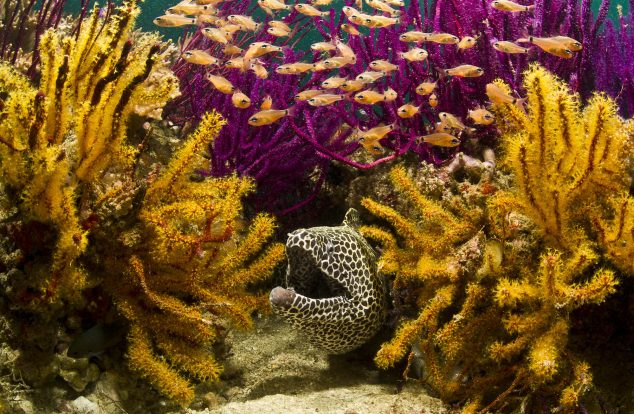
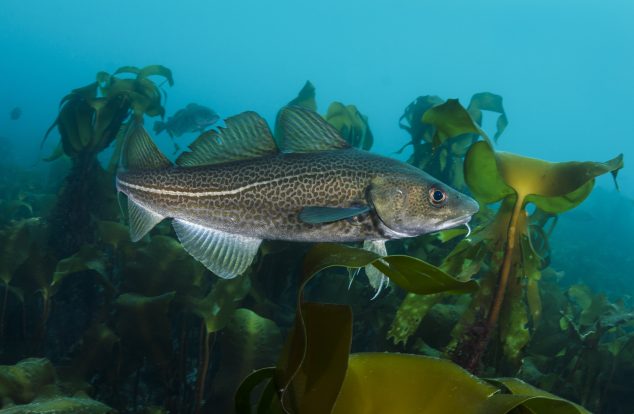
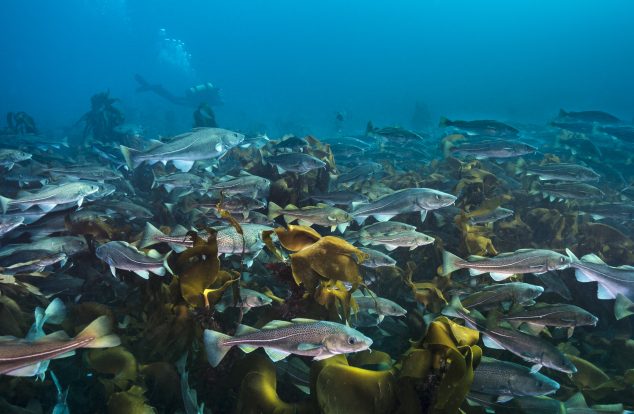
Scotland’s seas are six times larger than its land area and support extraordinary wildlife, from basking sharks and seabirds to kelp forests and coral gardens. They provide vital fish habitats, store carbon and sustain coastal communities and economies.
What are the greatest threats to Scotland’s seas?
Decades of government mismanagement have allowed overfishing and destructive fishing practices, including bottom trawling and dredging, to take their toll on Scotland’s seas. Pressure from bottom-contacting fishing gear is one of the most widespread and direct pressures across Scotland’s marine regions, as highlighted in Scotland’s Marine Assessment 2020.
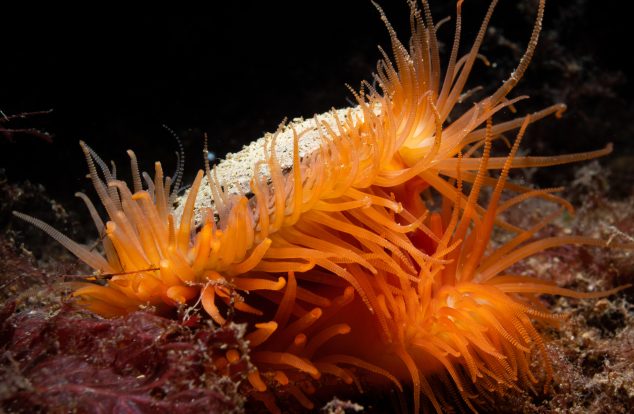
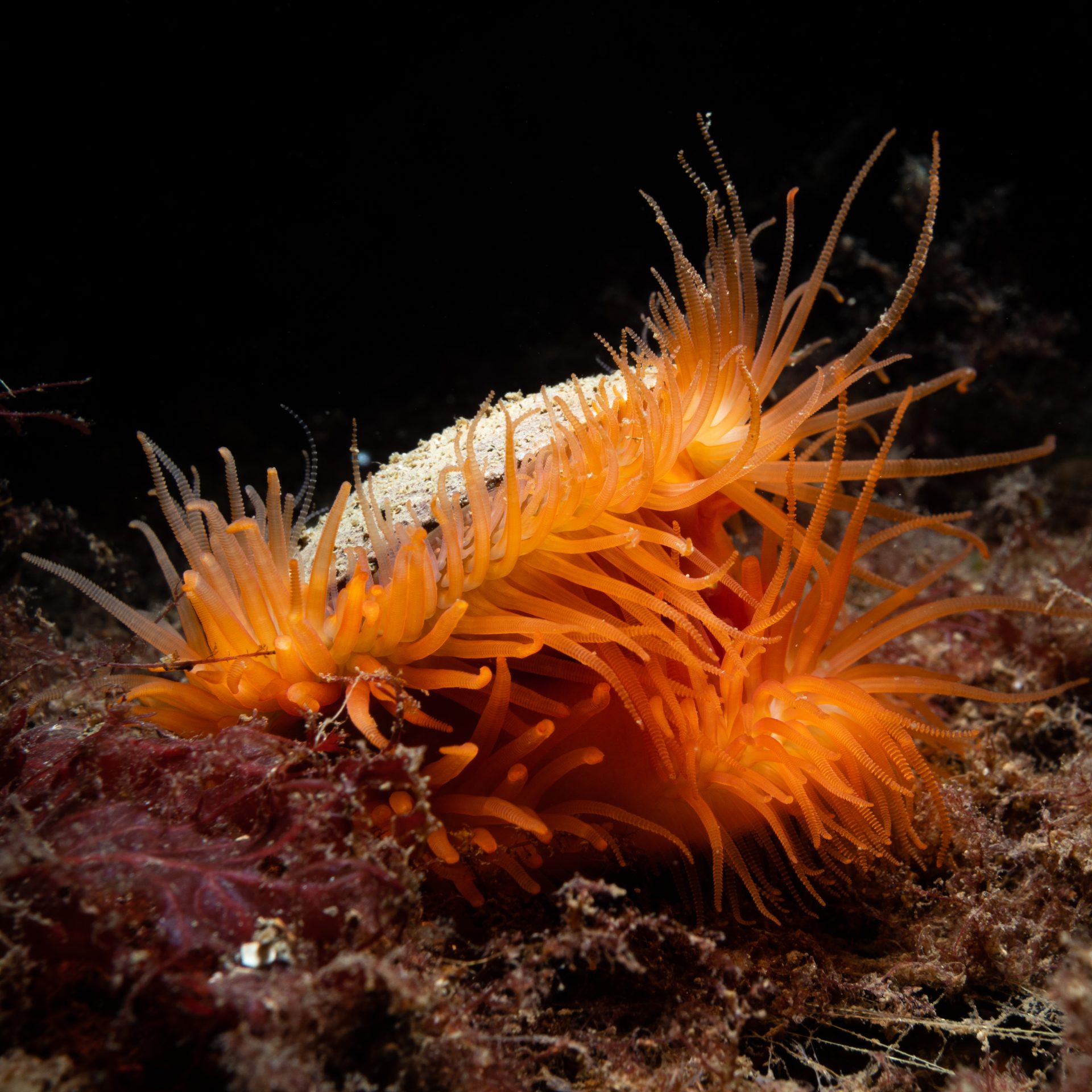
These fishing methods can damage sensitive habitats and species, including those within MPAs. More than 90 per cent of the area within Scottish inshore MPAs remains open to bottom trawling and dredging. Some fish populations have declined by more than 90 per cent, while over 95 per cent of blue mussel beds in the Moray Firth have been lost. In Argyll, more than half of precious flame shell reefs are gone.
What are bottom trawling and dredging?
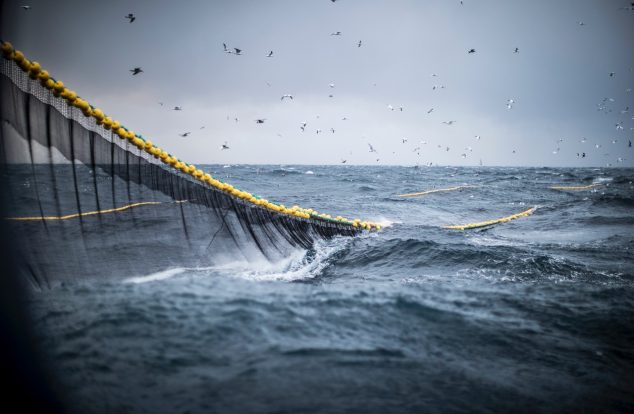
Bottom trawling involves towing a heavy fishing net across the seabed, while dredging uses equipment to rake through the sea floor. Both are identified as major causes of disturbance to Scotland’s seabed and can damage sensitive marine habitats and species. More than 95 per cent of Scotland’s inshore waters currently remain open to bottom trawling and dredging.
What are marine protected areas (MPAs)?
MPAs are areas of sea designated to protect important habitats, species and ecosystems. When properly protected and managed, they provide safe havens where habitats can recover and marine life can thrive.
Are Scotland’s MPAs properly protected?
The majority are not. Less than 10 per cent of the seabed within Scotland’s inshore MPAs is currently protected from bottom trawling and dredging. The Scottish Government is currently consulting on fisheries management measures for 76 inshore MPAs.
What are the benefits of well-managed, properly protected MPAs?
Properly protected MPAs can help:
- Protect and revive marine life and fish stocks
- Restore balanced, functioning marine ecosystems
- Increase resilience to climate change and storms
- Safeguard carbon storage and sequestration
- Provide resources and wider benefits for coastal communities
Who benefits from MPAs?
Effective MPAs benefit nature and the people and communities that depend on healthy seas. Protecting and restoring marine habitats can help rebuild fish stocks, strengthen Scotland’s inshore fishing fleet and support communities through wellbeing, tourism, and coastal resilience.
What are Priority Marine Features (PMFs)?
PMFs are nationally important marine habitats and species found in Scotland’s seas. The Scottish Government’s current consultation proposes 90 new management areas outside the MPA network to protect vulnerable PMFs from bottom trawling and dredging, including seagrass beds, flame shell beds, native oyster habitats and cold-water coral reefs. However, this consultation only considers 11 of a total 81 PMFs in Scotland.
Will stronger marine protection harm fishing livelihoods?
Healthy fish stocks and habitats are essential to the long-term future of fishing. Blue Marine supports sustainable fishing and recognises the importance of fishing to Scotland’s coastal communities and economy.
The campaign is calling for stronger protection of MPAs and PMFs to allow marine habitats and species to recover, thereby fostering healthier and more resilient seas for the future.
How can protecting Scotland’s seas benefit the economy?
Healthy seas and fish stocks underpin resilient fisheries and coastal communities. Research commissioned by Blue Marine found that protecting Scotland’s inshore waters out to three nautical miles from bottom-towed fishing could deliver a fivefold increase in net societal benefits over 20 years, resulting in an estimated £3.6 billion net gain.
Is Blue Marine an anti-fishing NGO?
No, one of Blue Marine’s main ambitions is to support low-impact, small-scale fishing and equitable use of the sea. We support many projects working directly with small-scale fisheries in the UK, Europe and further afield. We aim to tackle the inequitable distribution of marine resources, with fair access to fishing grounds and stocks for sustainable small-scale fisheries. We support a just transition away from destructive fishing methods.