Science
Scientists have discovered the smallest scale ever recorded, around 100 billion times smaller than an atom.
Researchers have discovered a new species of pygmy goby in the deeper, largely unexplored reefs of the Red Sea.
Researchers have captured a rare glimpse of a transparent-headed barreleye fish in its deep-sea habitat.
European flounder have been found living and reproducing entirely in freshwater for the first time.
Unexpected whale activity around Australia is raising questions about how changing ocean conditions may be affecting marine life.
Fisheries
The costs of overfishing are being felt in many ways, with EU fishing groups claiming that restrictions on sandeelfishing have cost the sector around €75 million, reinforcing the need to follow sustainable fishing limits to prevent depleted stocks and the economic consequences that follow.
Greenpeace has taken direct action in the Southern North Sea, using large rocks to prevent bottom trawlers from fishing across 116 km ² of an area designated to protect harbour porpoises.
Mediterranean countries have agreed new measures to help rebuild overfished hake and shrimp populations but efforts to curb fishing in vulnerable deep-sea ecosystems remain unresolved.
UK Overseas Territories
The future of the Chagos Islands is back under discussion.
Argentina is increasing economic pressure on the Falkland Islands, raising concerns that the islands’ economically important fishing sector could become a future target, while limited regional cooperation is leaving key squid and hake stocks increasingly exposed to intensive international fishing. Princess Anne’s forthcoming visit comes amid heightened tensions over the territories’ sovereignty and natural resources.
Scientists have discovered that nutrients from penguin droppings can indirectly speed up Antarctic snow loss by encouraging the growth of algae.
Marine Protection
Rising sea temperatures could significantly altar marine life, with plankton declines potentially affecting UK food webs and changing conditions reshaping where different tuna species can thrive in the Mediterranean.
Crown-of-thorns starfish may not always be bad news for coral reefs, with controlled populations potentially helping a greater range of corals coexist.
An exceptionally high number of southern right whale calves have been found dead along Argentina’s coast this year, with researchers investigating whether a bacterial infection could be responsible.
Conservation
A green sea turtle found stranded on North Uist is thought to be the first living member of the species ever documented in Scotland.
Human activity is shaping more than fish numbers, with pressures such as fishing and pollution also changing behaviours that can be important for survival and reproduction.
The close relationship between seagrass and mangroves in Biscayne Bay could be helping coastal forests withstand rising sea levels.
A suspected pollution event has caused widespread fish deaths in County Down, affecting both resident brown trout and migratory sea trout during an important time for spawning.
Climate Crisis
The planet is experiencing another year of exceptional heat with 2026 expected to become the second warmest on record. The effects of higher sea levels will not stop at the shoreline, with potential impacts on food production, transport, energy supplies and the cost of living across the UK.
As countries prepare for COP31, continued global reliance on coal and other fossil fuels is set to complicate efforts to secure stronger action on clean energy. Brazil has outlined practical steps countries can take to shift their economies towards cleaner energy.
Scientists have created a way to map where the Ganges is most at risk from pollution, giving authorities clearer evidence on where action is most urgently needed.
Plastics
A study of seabirds worldwide has found that their susceptibility to plastic may be linked more closely to inherited characteristics than to what or how they eat.
Tiny fragments of plastic have been found in 64 per cent of coral samples from a Malaysian marine reserve, with evidence suggesting higher levels of exposure in areas with intense tourism.
Researchers may have found a way to detect microplastics from space, after unusual changes in how Pacific waters reflect light were observed near the Great Pacific Garbage Patch.
Aquaculture
Concerns are growing over the risks sea lice from salmon farms pose to wild Atlantic salmon after planned new controls in Scotland were withdrawn following a legal challenge.
Misc
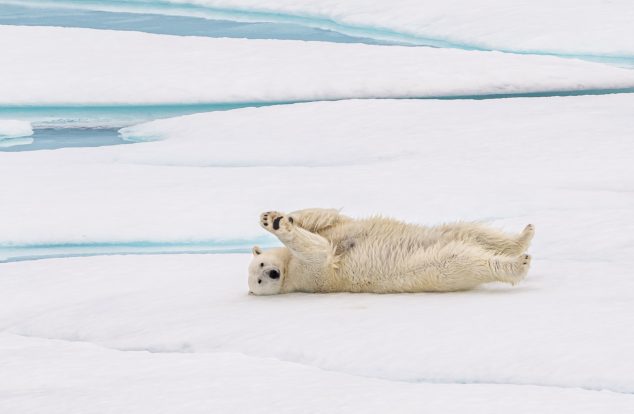
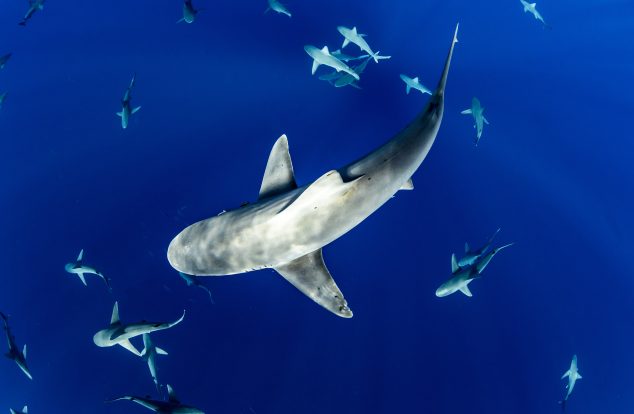
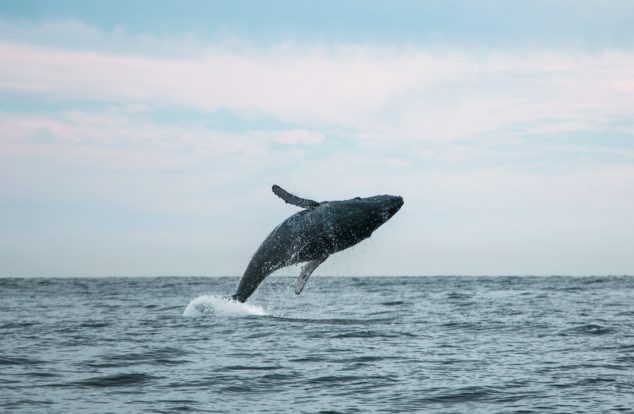
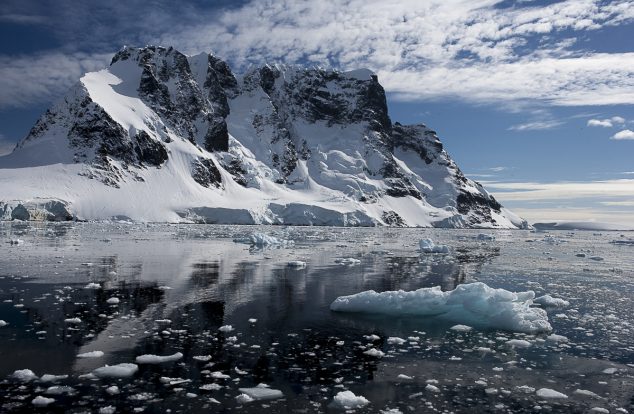
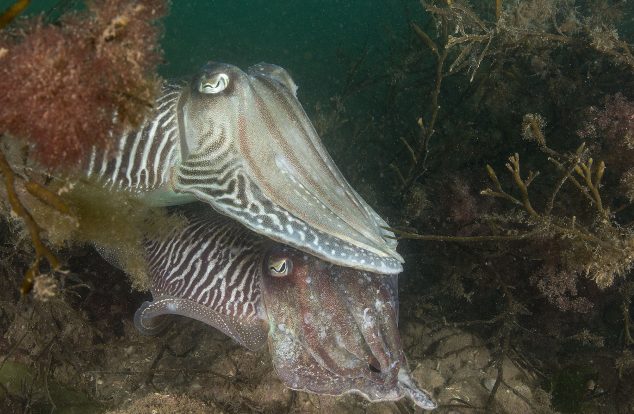
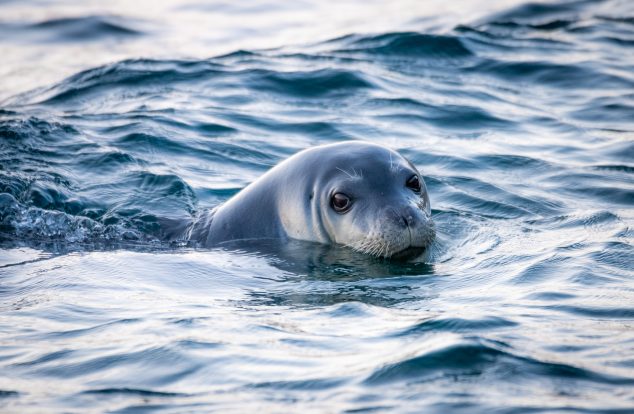
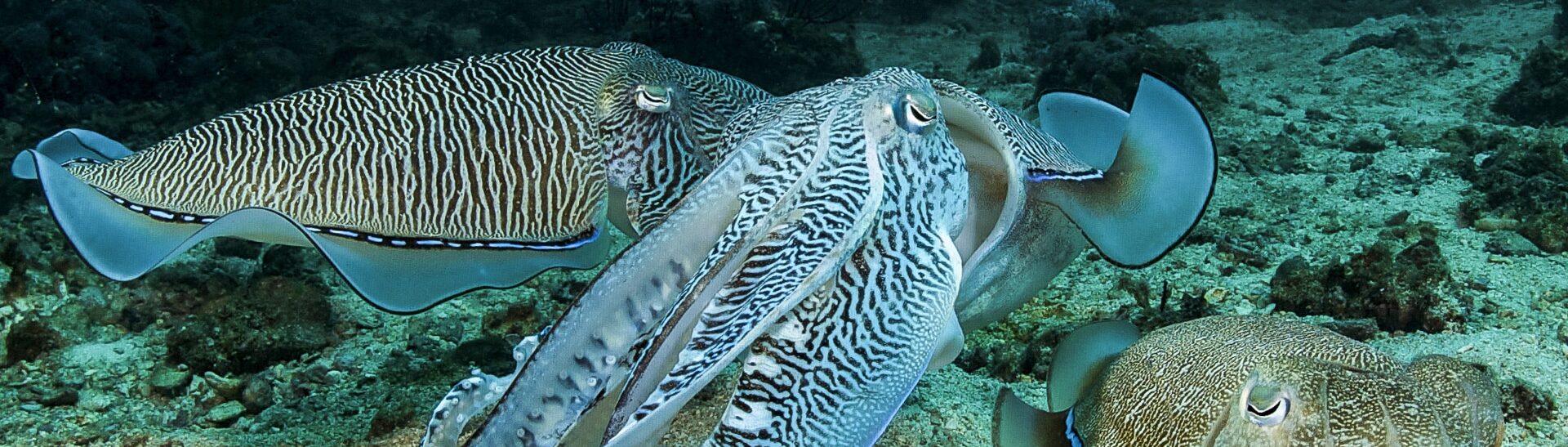
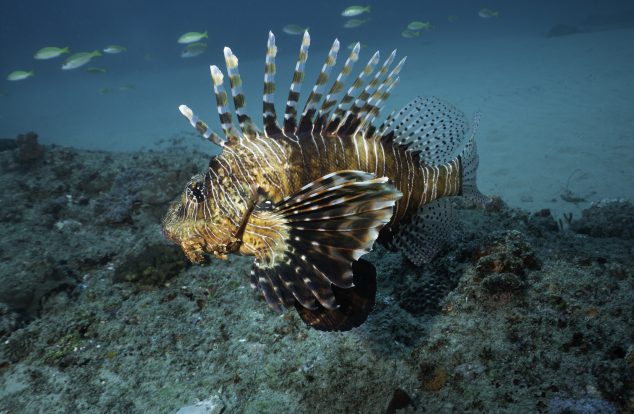
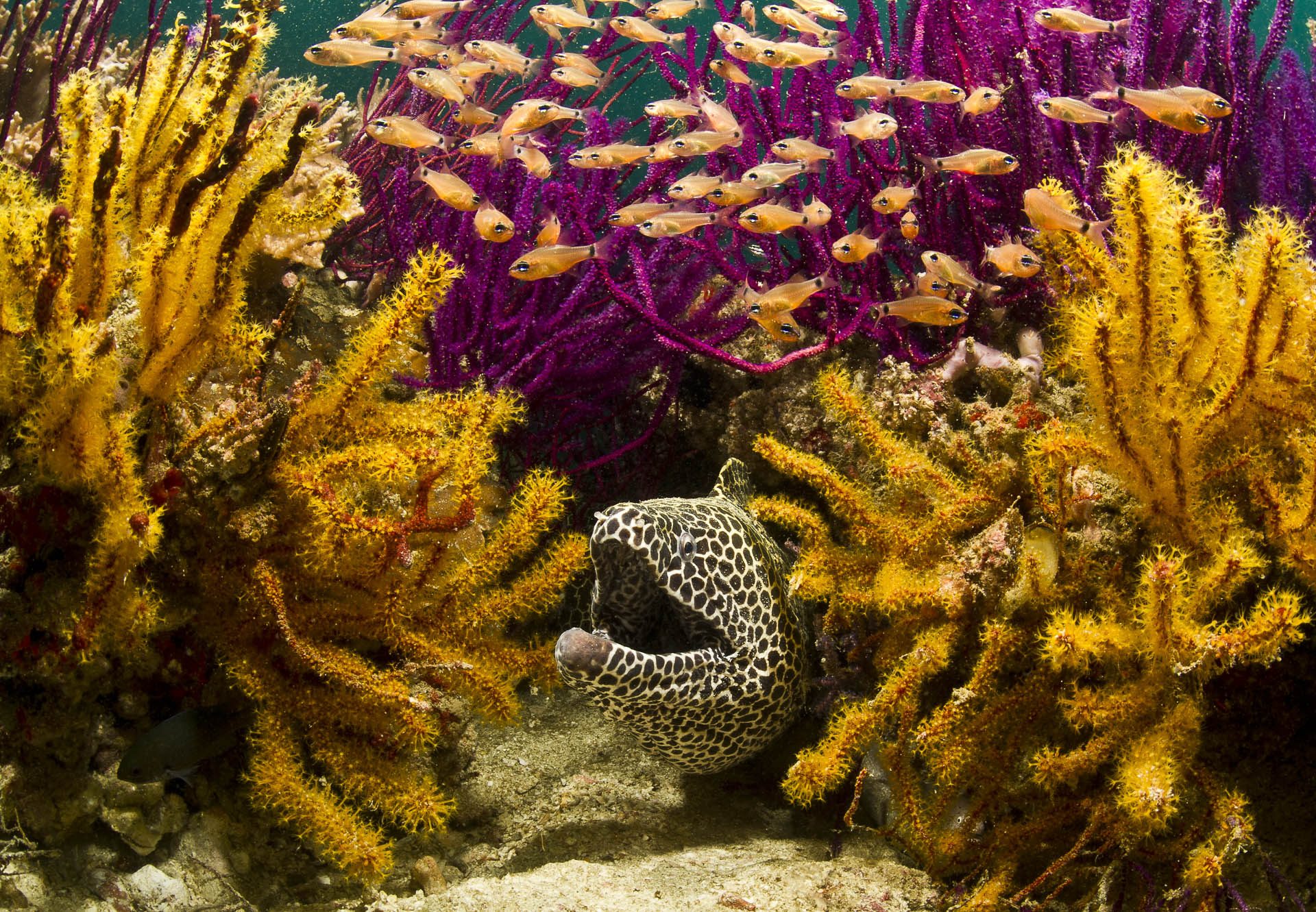
This week’s wildlife photos.
Sir David Attenborough is taking viewers beneath the waves once again in Blue Planet III, exploring ocean habitats and the efforts underway to protect them.
“The climate crisis will destroy our economies – we learned this 20 years ago. When will we act?”
“Europe Is Learning to See the Ocean. Now It Must Learn to Act”
“The environment is becoming quieter and, as someone who’s been looking at this day in, day out for the last 15 years, it’s becoming horribly noticeable.”
“Ecosystems depend on people: don’t abandon them.”
Credit: Warren Baverstock / Ocean Image Bank