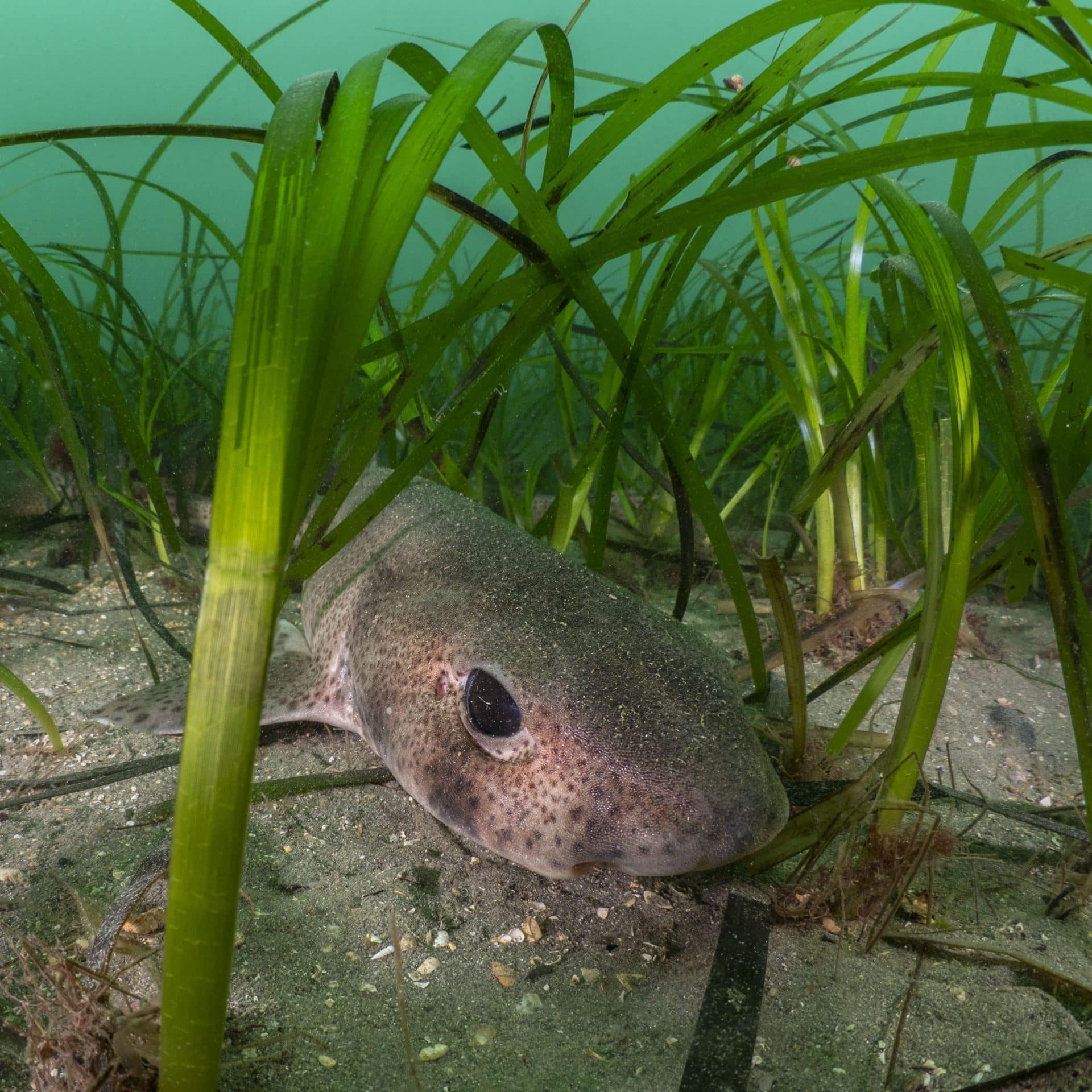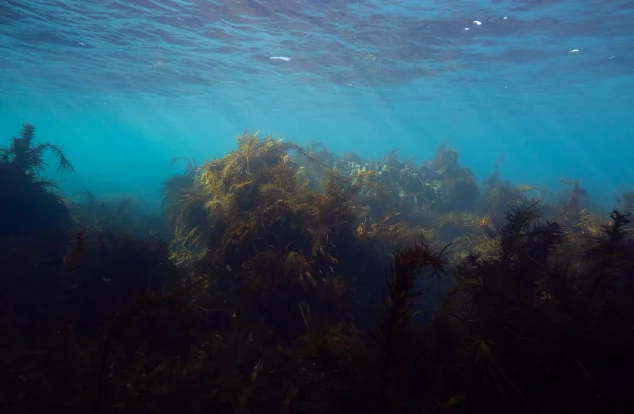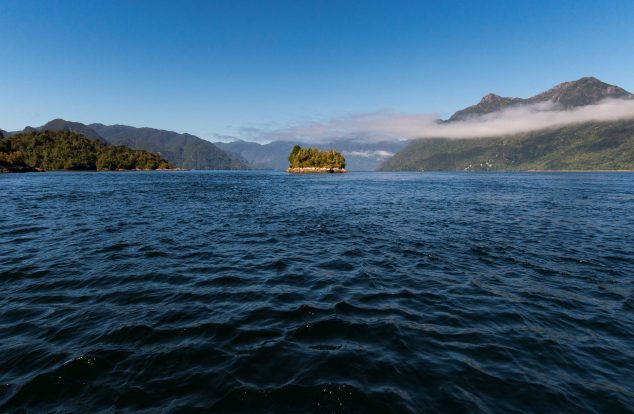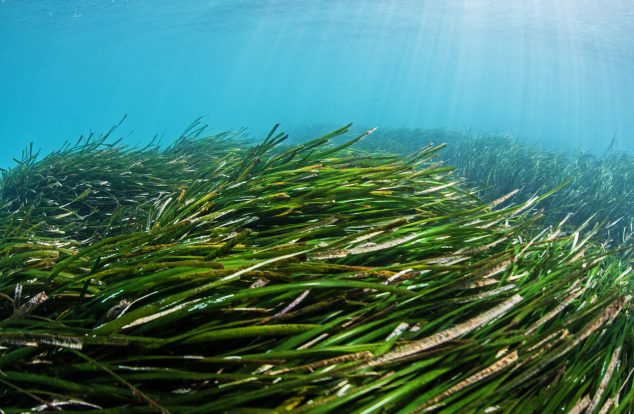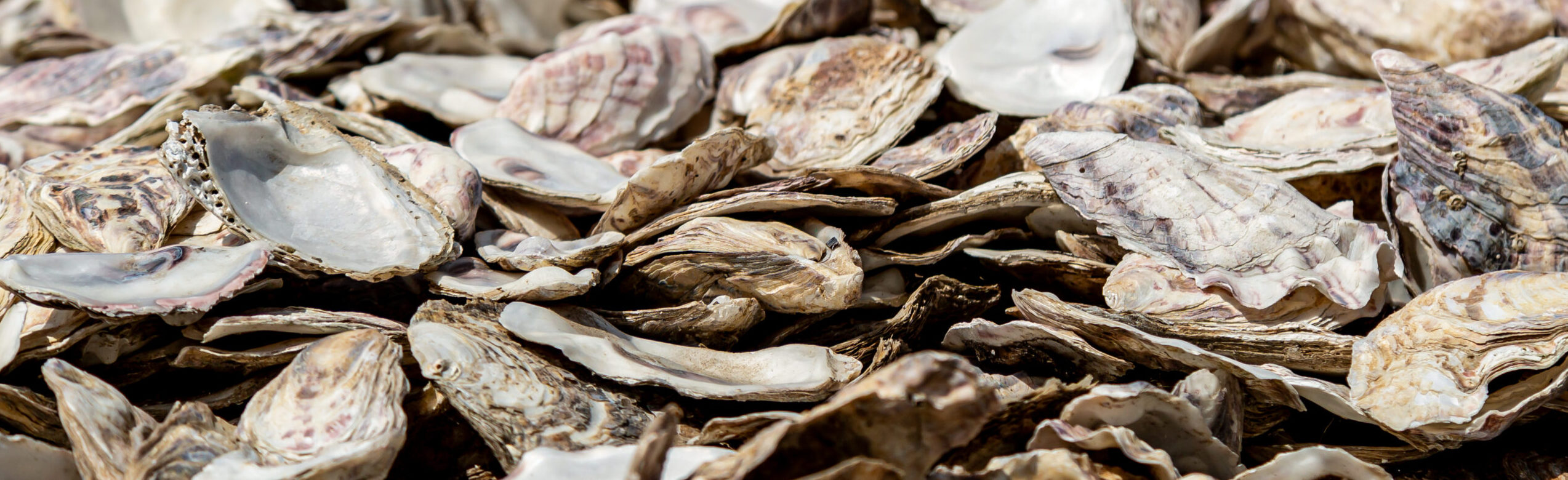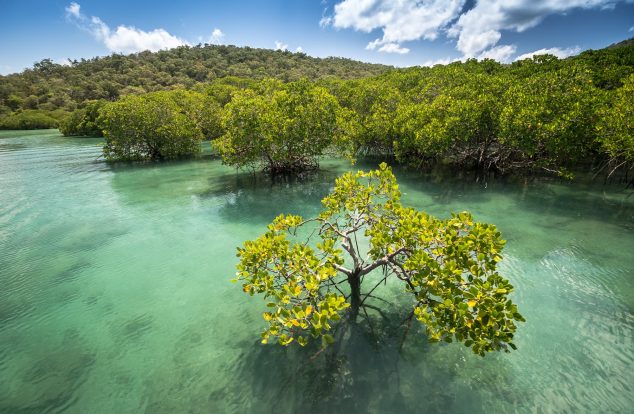
Marine restoration is vital to address biodiversity loss and climate change. Since 2015, Blue Marine has pioneered restoration initiatives to reverse the decline of marine and coastal habitats such as native oyster beds, seagrass, saltmarsh, kelp and seabird nesting sites.
Despite their critical roles in improving water quality, acting as nursery grounds and providing coastal protection, these habitats face persistent pressures from overexploitation, disease and sedimentation, which cause their decline – and in some cases complete disappearance.
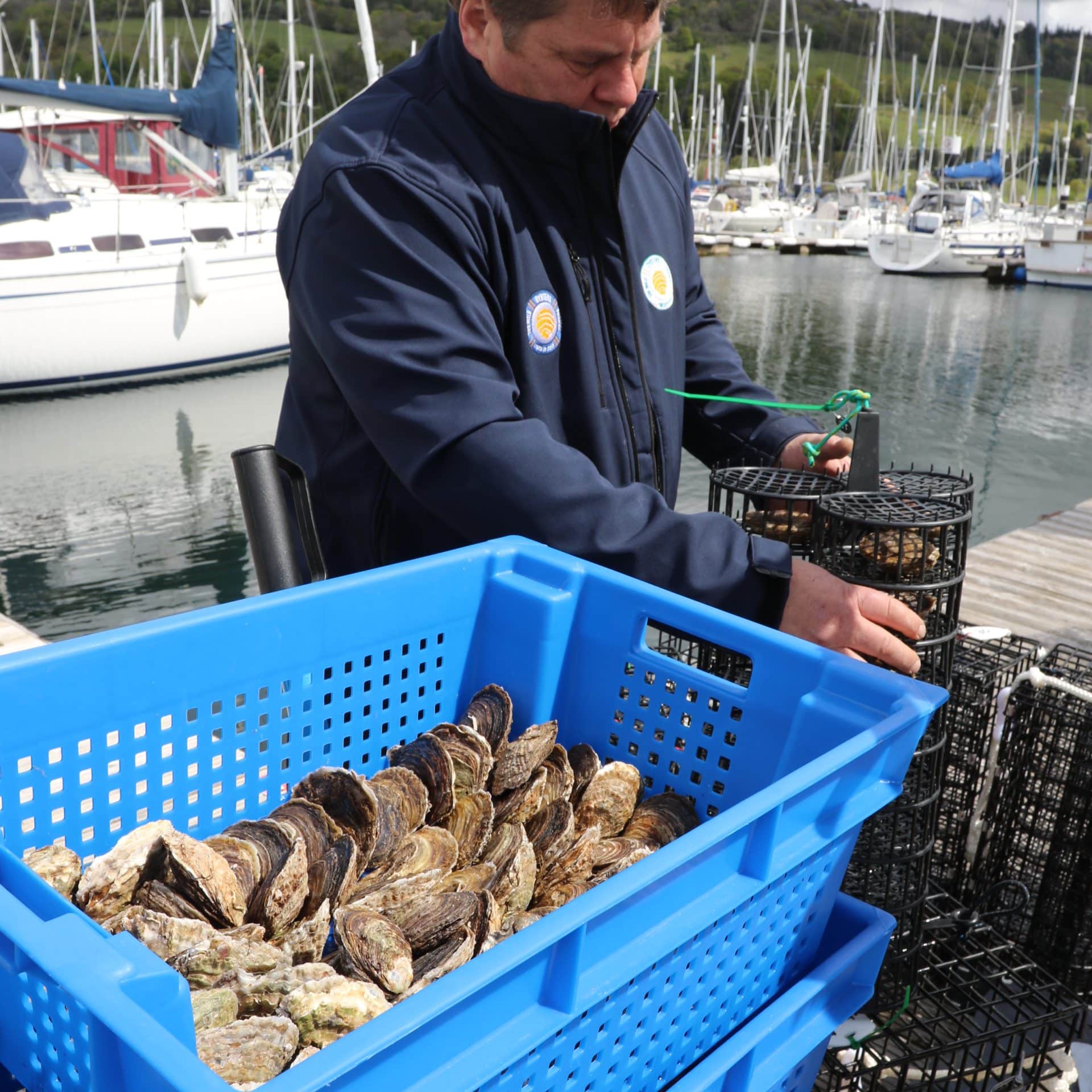
Our UK restoration efforts have helped revitalise native oyster populations across Conwy Bay, Tyne and Wear, Essex, and the Solent. We have established two new oyster reefs in Tyne and Wear as part of the Wild Oysters Project; with the Essex Native Oyster Restoration Initiative we have helped create a reef and deployed more than 24,000 native oysters in the Blackwater Estuary.
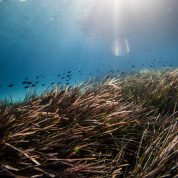
As part of the large-scale Solent Seascape Project (SSP) we have established a reef nurturing 20,000 native oysters in the River Hamble. SSP has also restored six hectares of seabird nesting habitat, including 10 new islands, 12 saltmarsh creeks and half a hectare of seagrass beds. The project is working with Plan Vivo to develop the world’s first marine biodiversity certificates, which have the potential to provide sustainable financing for its future.
Increasing restoration requires supportive policy frameworks, and Blue Marine has established relationships with government and regulators to overcome barriers, including a new restoration policy steering committee for representatives from all Devolved Administrations.
Blue Marine has won global recognition for its expertise in restoration, and the support of 500 active volunteers. The SSP was designated a UN Ocean Decade Action, while our films, talks, events, and reports have engaged more than 20,000 people locally and millions more around the world.