On Aug 29, 2024, President Mohamed Muizzu of the Maldives announced that longline fishing for tuna in the island nation would remain closed. The decision came after local fishers, conservation NGOs and scientists mounted a successful protest against plans by his administration to reopen longline fisheries for yellowfin and big-eye tuna. The destructive technique has been banned in the Maldives since 2019.
Blue Marine was a vital catalyst in this successful campaign, which demonstrated the power of a strong alliance of organisations and the right media pressure to achieve rapid change.
The tuna fishery of the Maldives uses a one-by-one catching method and is recognised as among the most sustainable in the world. Primarily targeting skipjack tuna, the pole-and-line technique used here has supported the livelihoods of Maldivian people for hundreds of years.
Although longlining is not considered a traditional technique, and is not practiced by Maldivian fishers, licenses for this kind of fishing have occasionally been granted, most recently between 2011 and 2019. Each was subsequently revoked due to non-compliance by vessels and irregularities in data reporting. In August 2024, the Maldivian government released a draft regulation to again issue longlining licences and permit the landing of dead shark bycatch.
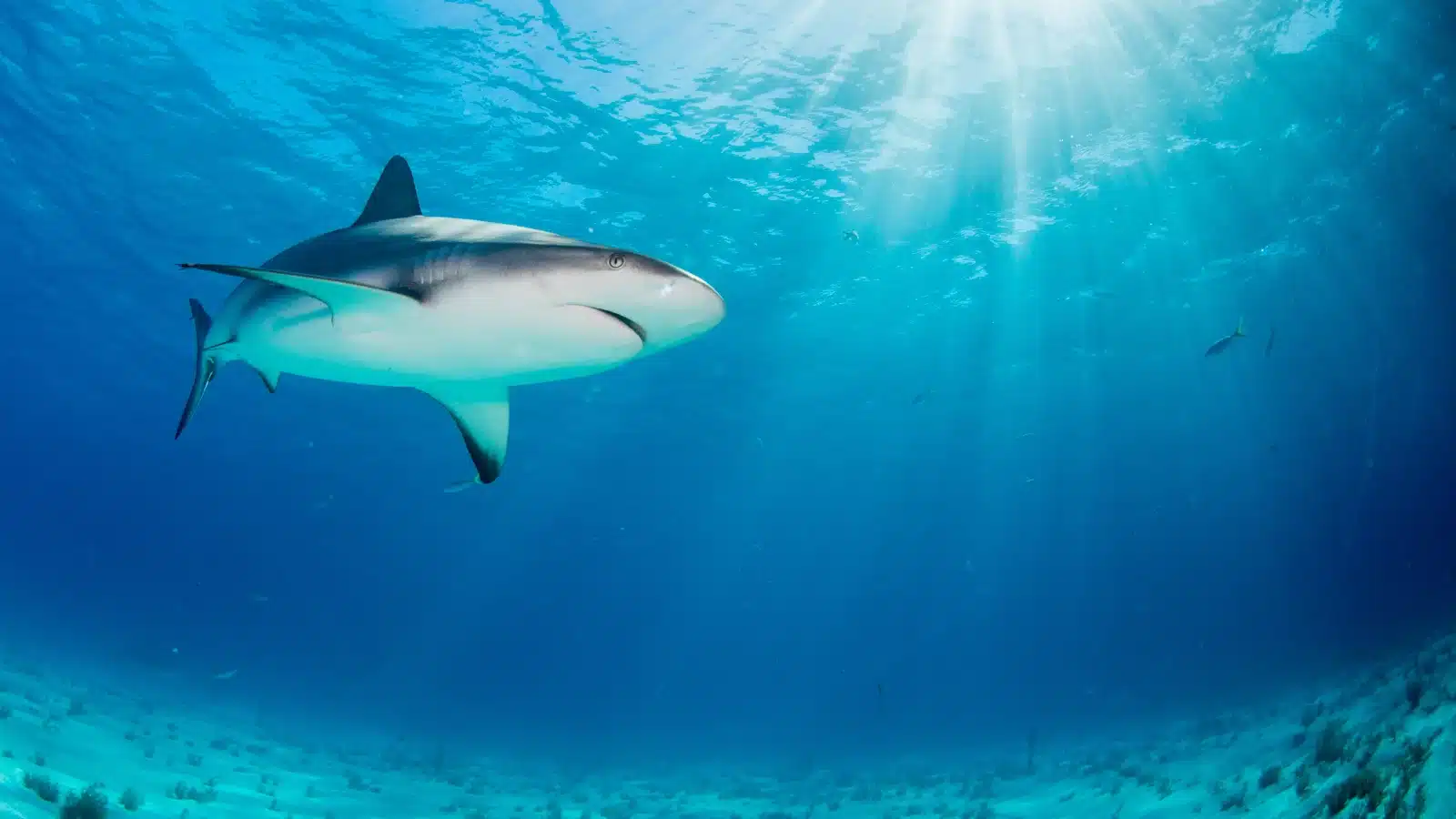
Longlining jeopardises the livelihoods of local fishing communities. One in five animals it catches is not the target species. The fishing lines – which can be up to 80 miles long – unintentionally trap seabirds, turtles, dolphins and other marine life, snaring more sharks than any other method on the high seas.
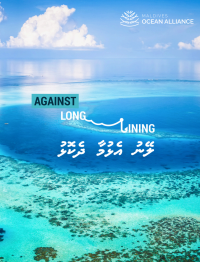
In response to these threats and the communities’ concerns the #AgainstLonglining campaign was launched by Blue Marine and local partners including Maldives Resilient Reefs, Maldives Ocean Alliance, Yellowfin Tuna Fishers Union and Miyaru.
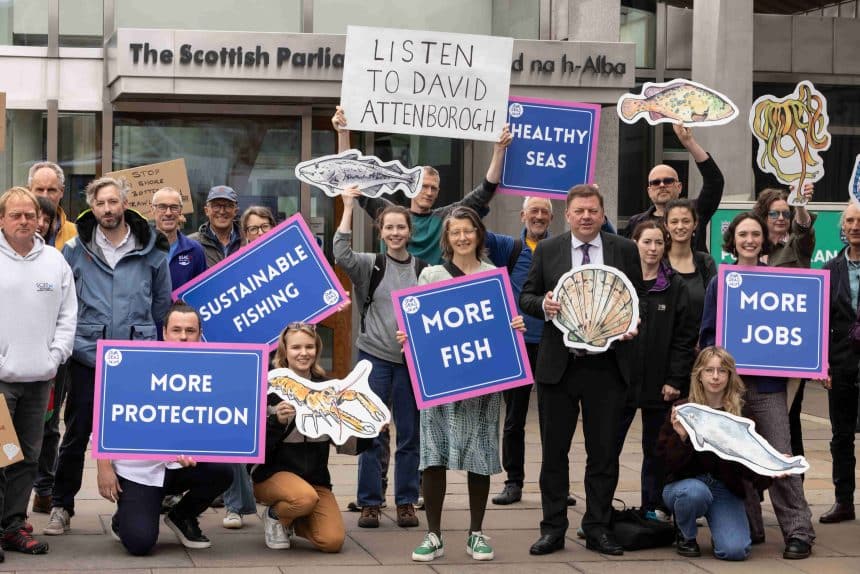
In less than three weeks an online petition collected more than 30,000 signatures. The social media campaign generated 8.2 million impressions and received backing from figures such as wildlife presenter Steve Backshall. Coordinated by the alliance, more than 170 scientists signed an open letter to the government, expressing their concern.
At the end of August, the government formally reversed its plans, a decision that reaffirmed the Maldives’ commitment to traditional one-by-one tuna fishing, and protecting vulnerable species. In less than a month, the campaign had been launched, publicised and supported – and delivered the change it set out to achieve.