Into the Blue: September 2021
We’re pleased to share with you BLUE’s latest newsletter: September 2021.
15 September 2021
To make the case for marine conservation initiatives, we research and publish reports on a wide variety of subjects, from scientific discoveries to financial policy.
Types
Topics
Places
We’re pleased to share with you BLUE’s latest newsletter: September 2021.
15 September 2021
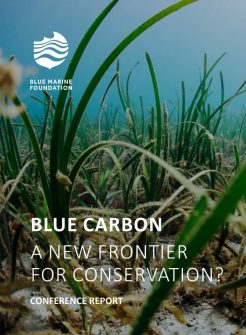

“While we know that bottom trawling has utterly devastated whole tracts of ocean floor, we do not yet know the full extent of its impacts in terms of carbon. The brilliant Enric Sala believes that trawling causes the same level of emissions as the aviation sector, and if that’s even nearly true, we need to step up our research, and fast.” Rt Hon Lord Zac Goldsmith Minister of state for the Pacific and the Environment
13 September 2021
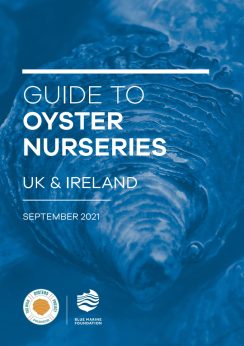
The lessons learned by the Solent Oyster Restoration Project has led to a growing network of oyster nurseries around the UK, helping to restore local oyster populations and allow communities to take part in conservation on their doorstep.
08 September 2021
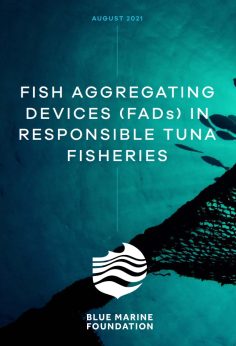
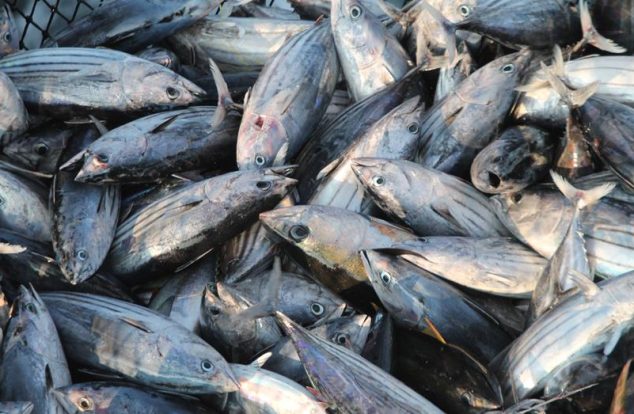
Fish Aggregating Devices, or FADs, are a fishing tool used primarily by purse seine tuna fisheries. A FAD constitutes a quantity of floating material that is set out at sea, around which marine species such as tuna congregate. Fish attracted to FADs can become easy targets for encircling purse seine nets. FADs can be drifting (dFADs) or anchored (aFADs).
02 August 2021
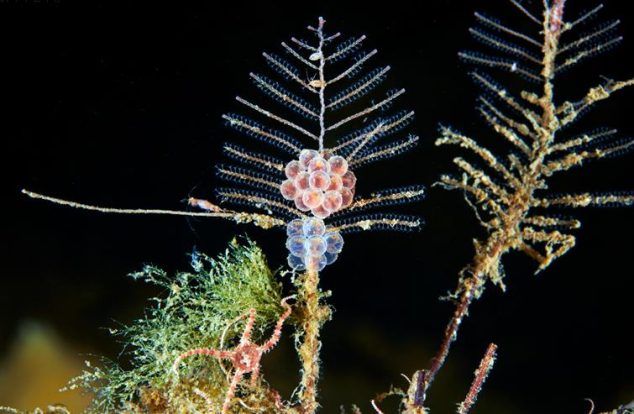
We’re pleased to share with you BLUE’s latest newsletter: June 2021.
25 June 2021
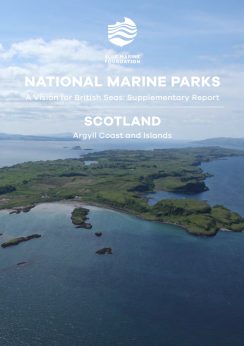
“A Marine Park could really tell the story about our marine life – it could mimic something that people recognise from National Parks on land” Annabel Lawrence, University of the Highlands and Islands
08 June 2021
We’re pleased to share with you BLUE’s latest newsletter: April 2021.
29 April 2021
The Trustees present their report and the audited Consolidated Financial Statements of Blue Marine Foundation for the year ended 31 March 2021.
21 April 2021
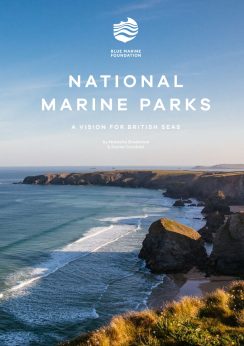
In the 1949 National Parks and Access to the Countryside Act, no-one thought about the sea being part of a National Park. “ Blue Marine Foundation has created this vision to start a conversation and invite you to join a new journey – to explore where and how this could work for Britain.”– Natasha Bradshaw, National Marine Parks Research Advisor. This is the start of a conversation about the purpose and benefits of National Marine Parks in Britain.
06 April 2021
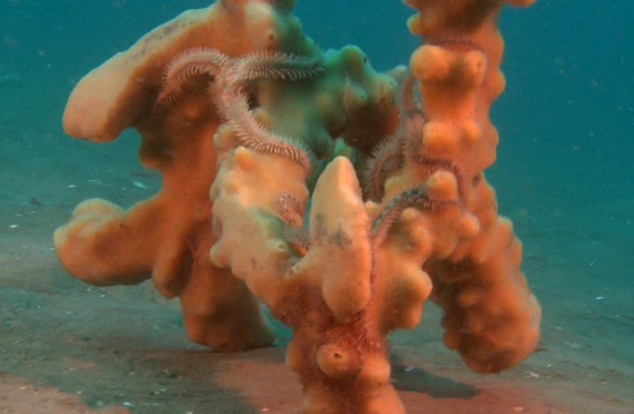
We’re pleased to share with you BLUE’s latest newsletter: March 2021.
25 March 2021
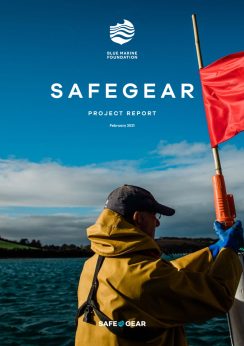
The loss of fishing gear is economically, socially and environmentally significant. It is also, almost always, unintentional. The amount of abandoned, lost or otherwise discarded gear (ALDFG) is a significant source for marine plastic pollution.
03 February 2021
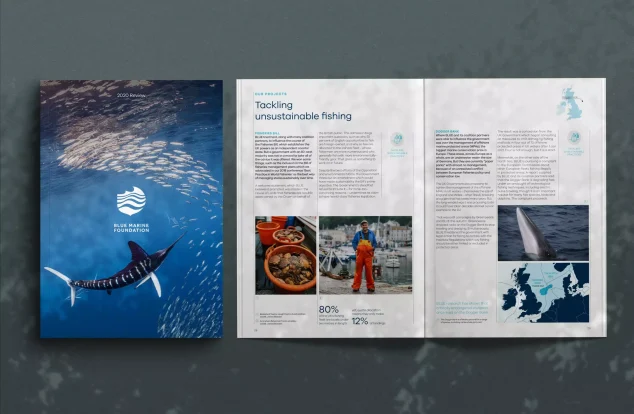
We’re pleased to share with you BLUE’s latest newsletter: January 2021.
22 January 2021
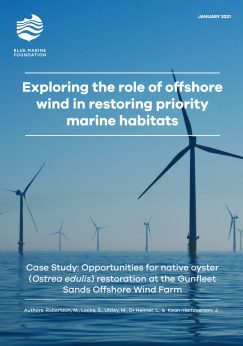
A Case Study accessing the opportunities for native oyster (Ostrea edulis) restoration at the Gunfleet Sands Offshore Wind Farm.
18 January 2021
31 December 2020
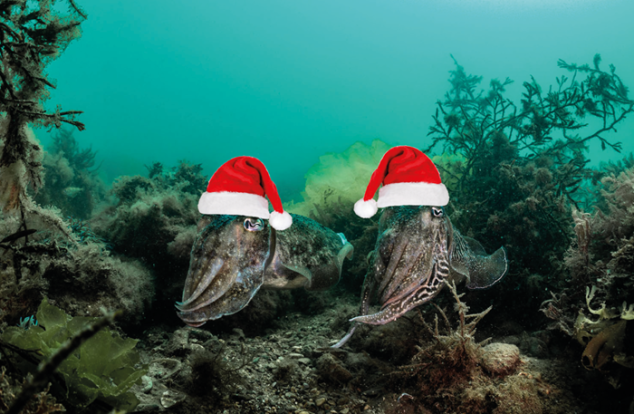
Thank you so much for your support in 2020. Thanks to you, BLUE was able to notch up some significant conservation achievements, in spite of all the challenges this year.
19 December 2020
Sorry no results.
We respect your privacy. By subscribing to our email list, you agree to our Terms & Conditions.
We respect your privacy. By subscribing to our email list, you agree to our Terms & Conditions.