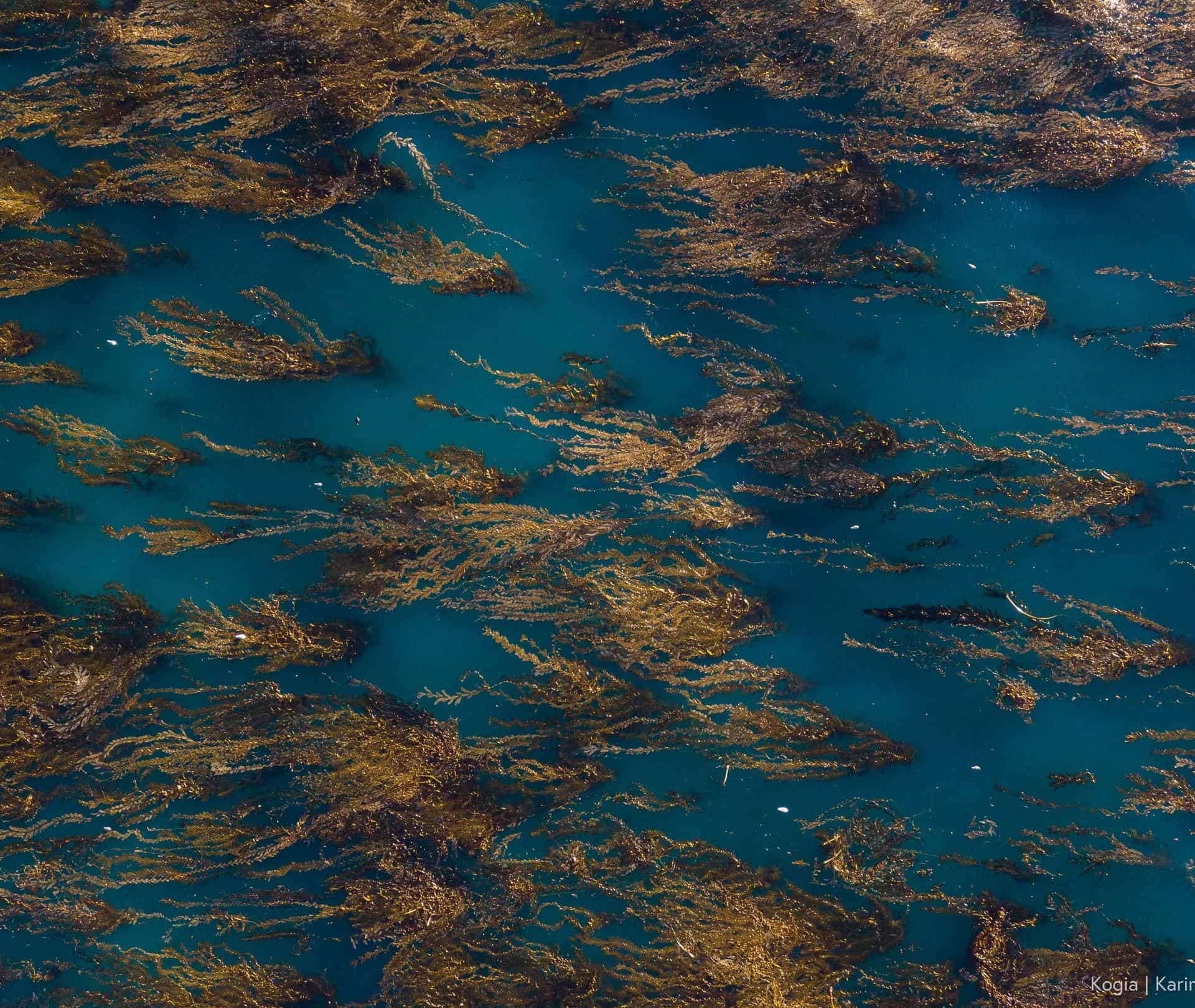

In the late 1970s, abundant kelp beds between Selsey and Shoreham-by-Sea teemed with life. This biodiverse environment played a key ecological role in providing shelter, feeding and nursery grounds for marine life, including commercially important crustaceans. However, by the end of the 1990s, 96 per cent of the kelp had disappeared. Among the factors that caused the kelp to disappear were the great storm of 1987 and intensive fishing activity in the area using heavy trawl nets (trawling), which, when dragged along the seafloor, can destroy seabed habitats.
In 2015, an inshore habitat map commissioned by Sussex Inshore Fisheries and Conservation Authority (IFCA) showed how habitats in the area had changed and initiated discussions about kelp’s role in the ecosystem. Over subsequent years, Sussex IFCA, who manage the area from the shoreline out to 6 nautical miles, created a compelling case for a new piece of legislation which aimed to protect essential fish and marine habitats and support sustainable inshore fisheries: the Sussex Nearshore Trawling Byelaw.