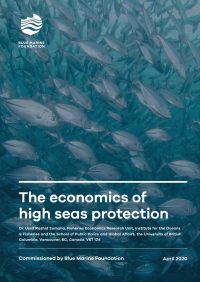
The increasing exploitation of the high seas has raised concerns due to the vulnerability of fish stocks, difficulty in fisheries management, and mixed performance of regional management organisations. While closing the high seas to fishing may result in minimal short-term losses in landed value and profits, it could offer substantial long-term benefits, such as securing fish stocks, protecting marine biodiversity, and reducing income inequality in fisheries. Closing the high seas could also create a “fish bank,” where stocks could regenerate and help replenish coastal waters. Despite challenges, including differing costs for nations and short-term losses, the long-term benefits of high seas protection—such as biodiversity conservation and sustainable fisheries—make it a crucial step for future generations.
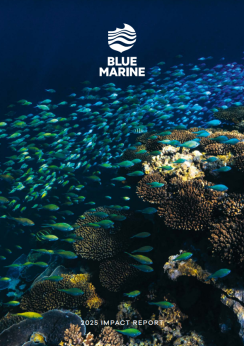

Impact Report 2025
Blue Marine drives global ocean recovery by advancing marine protection, restoring habitats, influencing policy, supporting communities and tackling overfishing, with measurable impact across 29 countries and 446,620 sq km of ocean.
27 February 2026