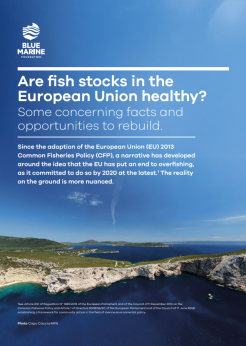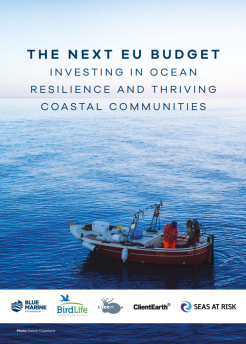
The Fisheries Bill is likely to be the only piece of legislation for some time to impact significantly on how we fish, where we fish, what we fish for and who benefits from those activities. So it is essential that we get this legislation right. Indeed, this is the first major change in UK fisheries legislation since the 1960s and even that was based on laws from the 1880s. Fish were traditionally an important part of the UK’s food production and opinions over the UK fishery played a huge role in Brexit. But, in reality, years of mismanagement since the Second World War, has left the seas empty, the seabed denuded and our stocks depleted. For example, the availability of bottom-dwelling fish for the fleet fell by 94 per cent between 1899 and 2007 and the European Common Fisheries Policy (CFP), while stopping the downward trend, has done little to reverse it. Whatever your political beliefs on Europe, when viewed objectively, the CFP has been a failure. A radical rethink is needed. This is likely to be the only chance in our generation of legislators that we will have that opportunity and we cannot let it slip by. The Bill navigates a difficult legislative path between escaping the rigidity of the EU’s CFP and ensuring that the devolution settlement is maintained. But even so, it lacks ambition, is poorly worded and stops well short of good precedent in other common law jurisdictions such as Australia.2 This has been amply demonstrated in the House of Lords, where peers highlighted fundamental weaknesses at the heart of the Bill with regards to: sustainability, ownership of the fishery, the distribution of fishing rights to fishing businesses and the adequacy of controls. We recommend, that whatever party you are from, these were sensible and informed amendments and should be carried through to the final form of the Bill. We may not see another Fisheries Bill for 50 years. The Fisheries Act needs to strike the right balance between empowering the government of the day to make decisions, but also providing appropriate duties to ensure it can be held to account. As it is drafted the Bill has many powers but few duties; some may call it a cheat’s charter.

Impact Report 2025
Blue Marine drives global ocean recovery by advancing marine protection, restoring habitats, influencing policy, supporting communities and tackling overfishing, with measurable impact across 29 countries and 446,620 sq km of ocean.
27 February 2026