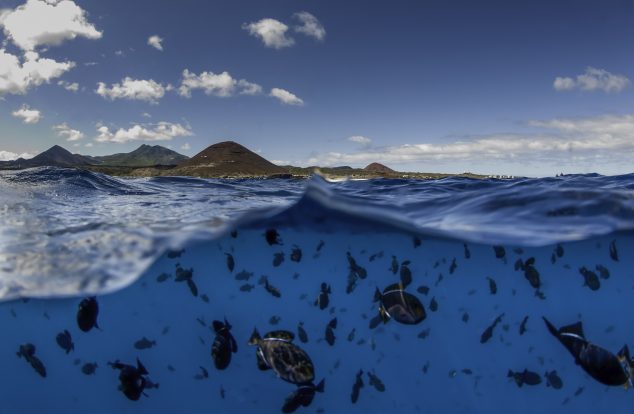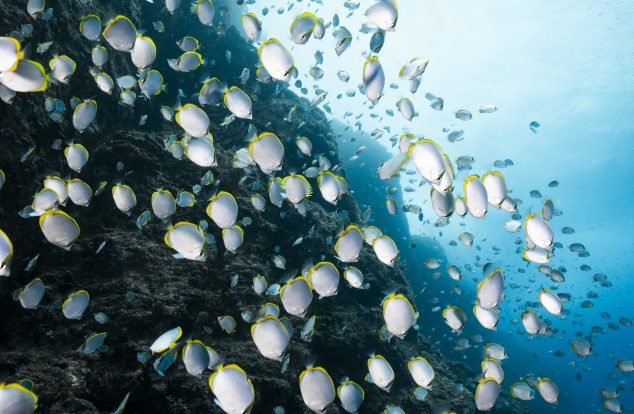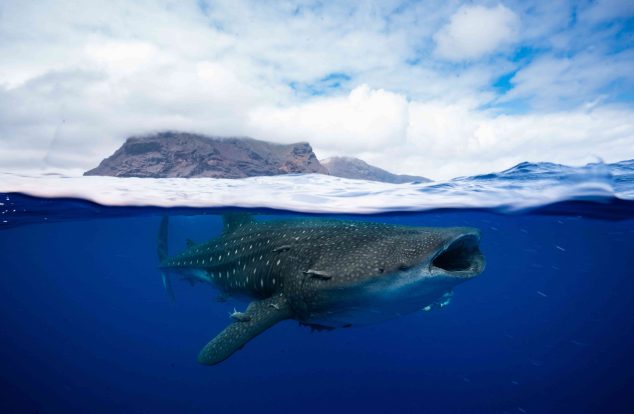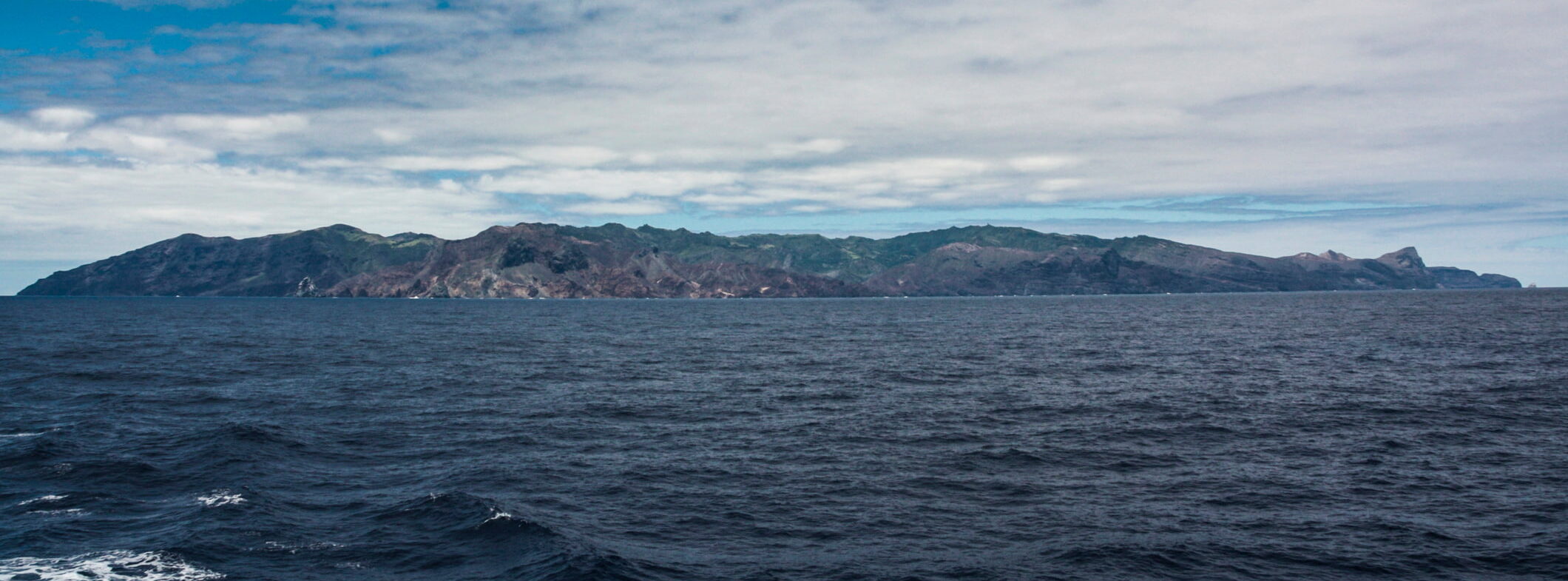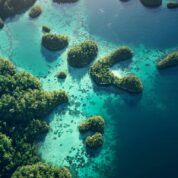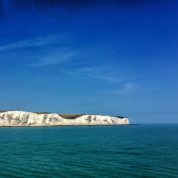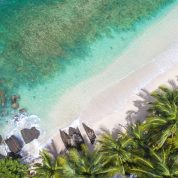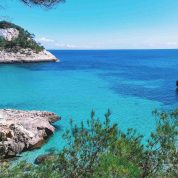
Only one tenth of waters under British jurisdiction is found around the UK mainland. The rest is spread across 14 UK Overseas Territories (UKOTs) in locations from the Mediterranean to the Pacific, and the Caribbean to the South Atlantic.
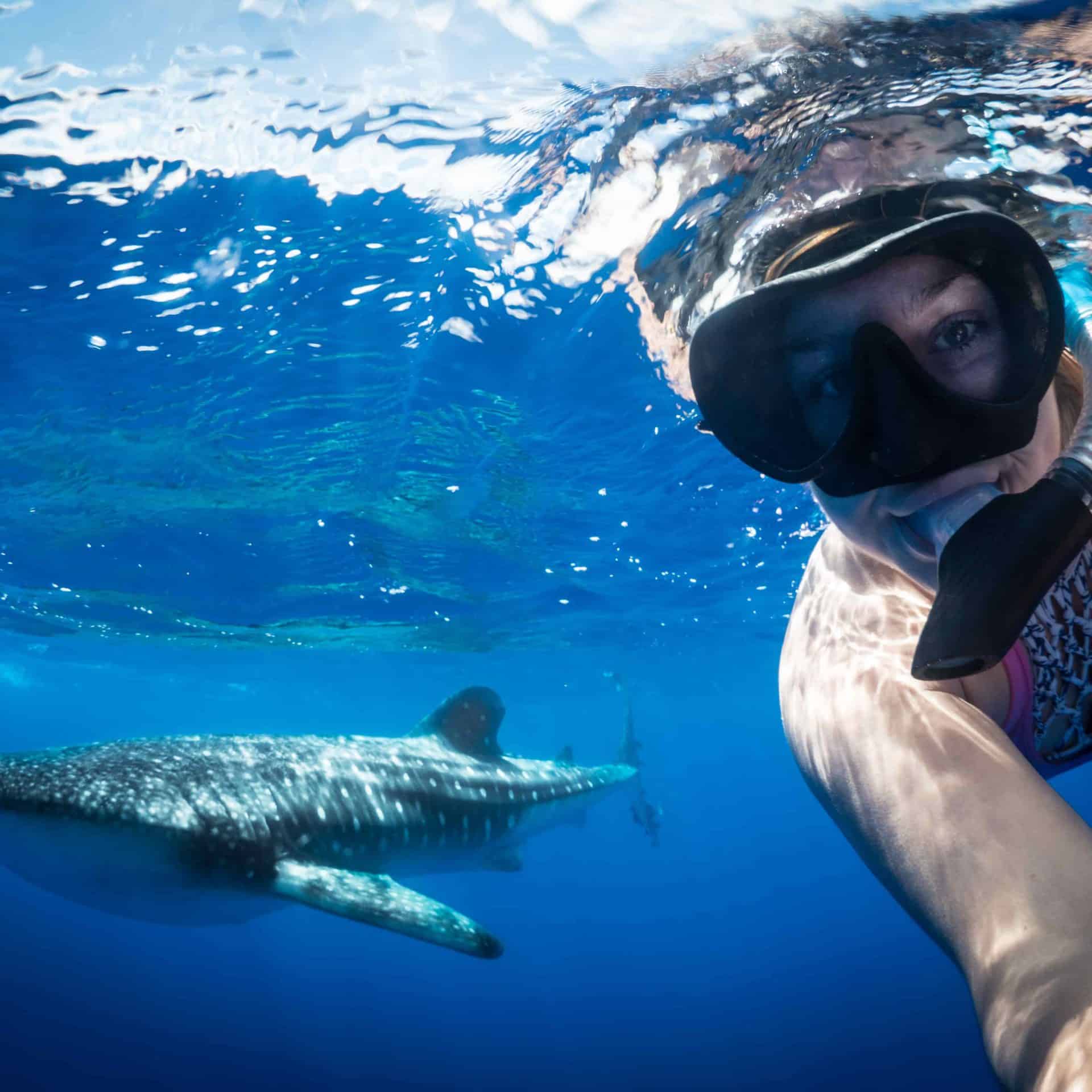
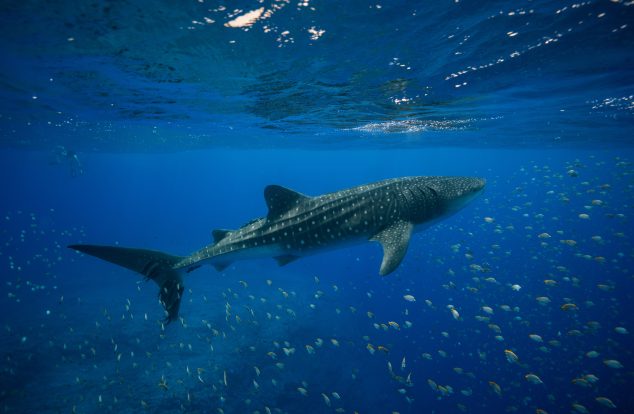
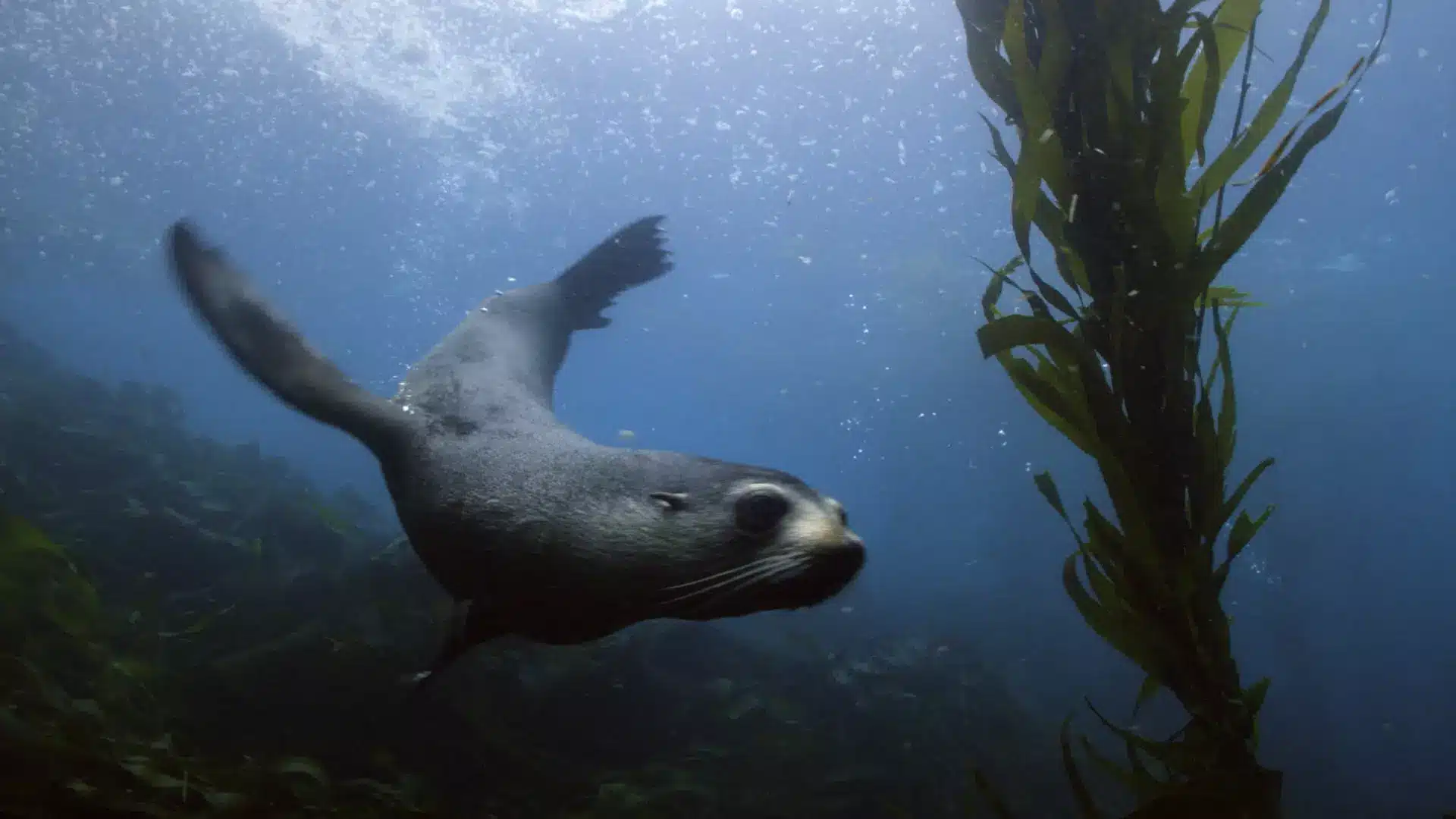
Thanks to these global territories, which boast some of the clearest seas and the largest fish in the world, Britain is custodian of 6.8 million sq km of ocean, often in regions of exceptional biological diversity.
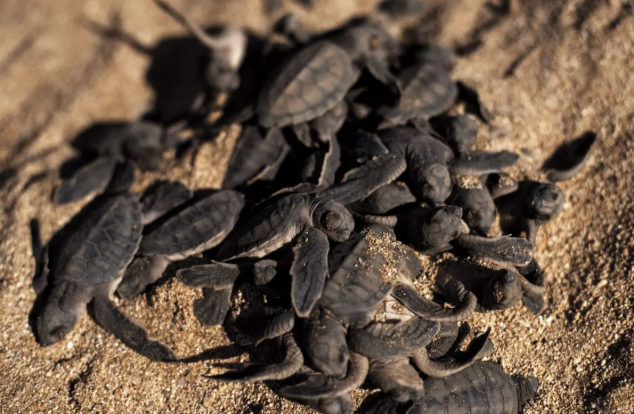
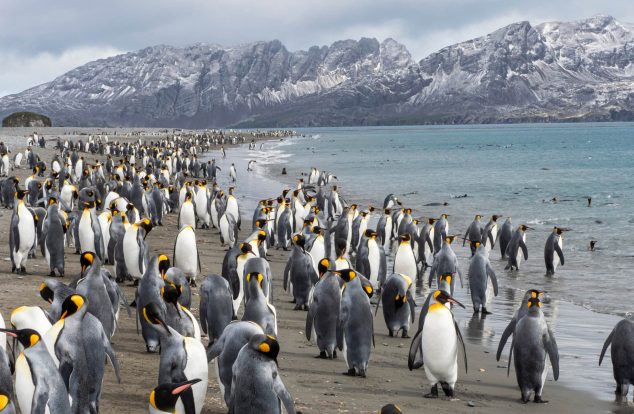
More than 90 per cent of the unique biodiversity for which Britain is responsible is found in the UKOTs, which contain breeding grounds for endangered turtles, a third of the world’s albatrosses, and a quarter of the world’s penguins.
Thanks to the Blue Belt conservation programme, 42 per cent of total British waters are fully protected, and the UK can claim to have led the world by attaining the goal of protecting at least 30 per cent of its waters long before 2030. In terms of square kilometres protected, this stunning achievement has been described as ‘the greatest conservation commitment by any government, ever’.
Blue Marine has worked with the UK government and our NGO partners in the GB Oceans coalition to ensure these territorial waters are as highly and effectively protected as possible: protected areas are either fully no-take or only allow local, sustainable fishing. We have also worked to secure continued government financial support for the Blue Belt, and to ensure that as much funding as possible reaches the territories themselves.
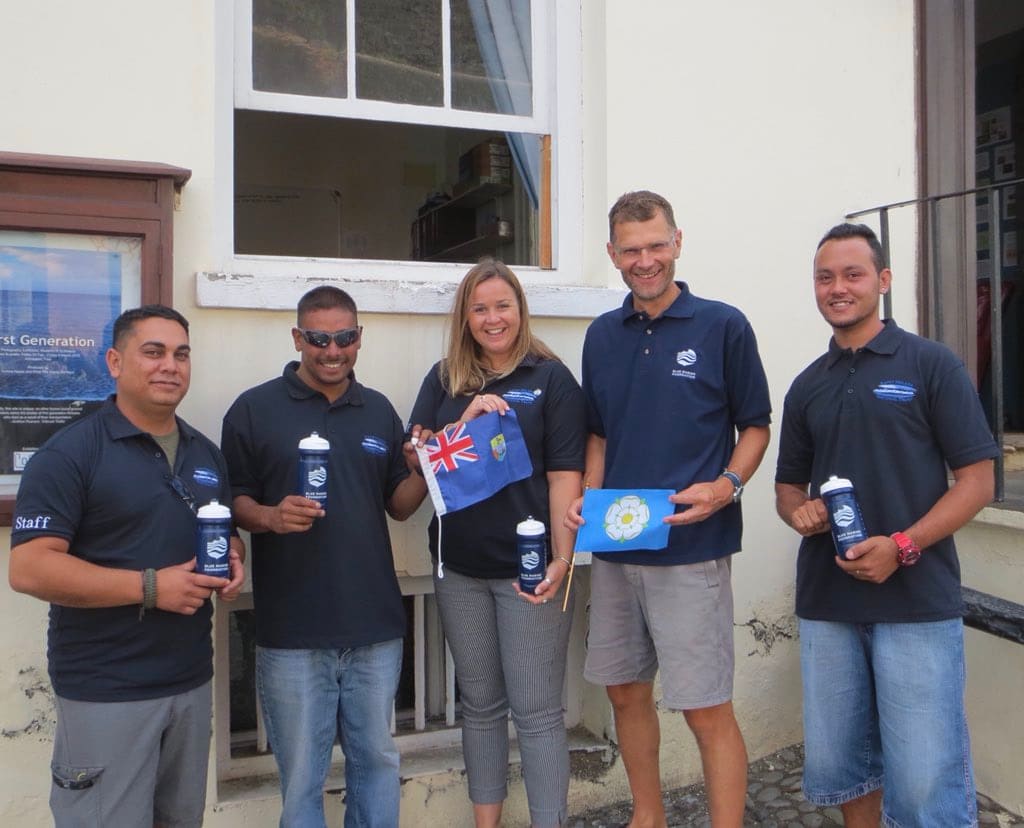
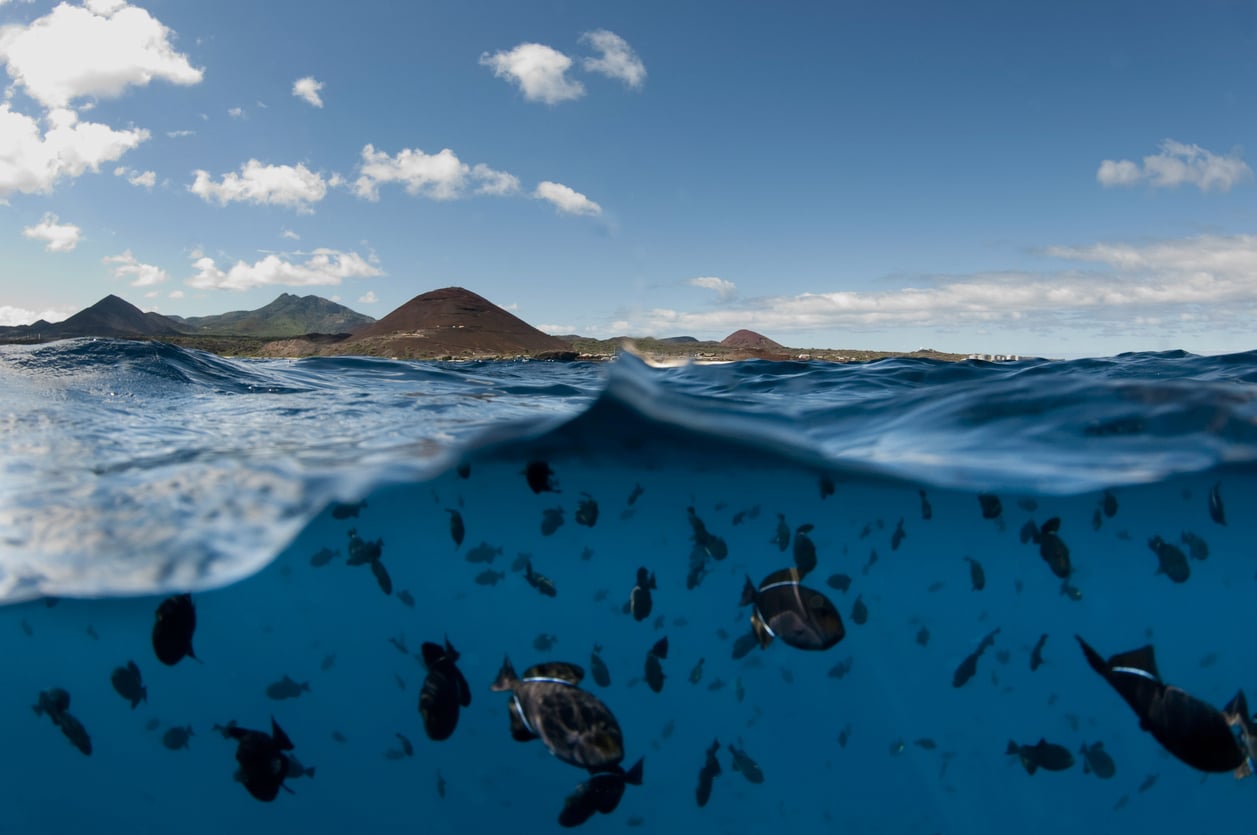
The focus of Blue Marine’s efforts has been with four UKOTs in the South Atlantic: Ascension Island; St Helena; Tristan da Cunha; and South Georgia and the South Sandwich Islands.
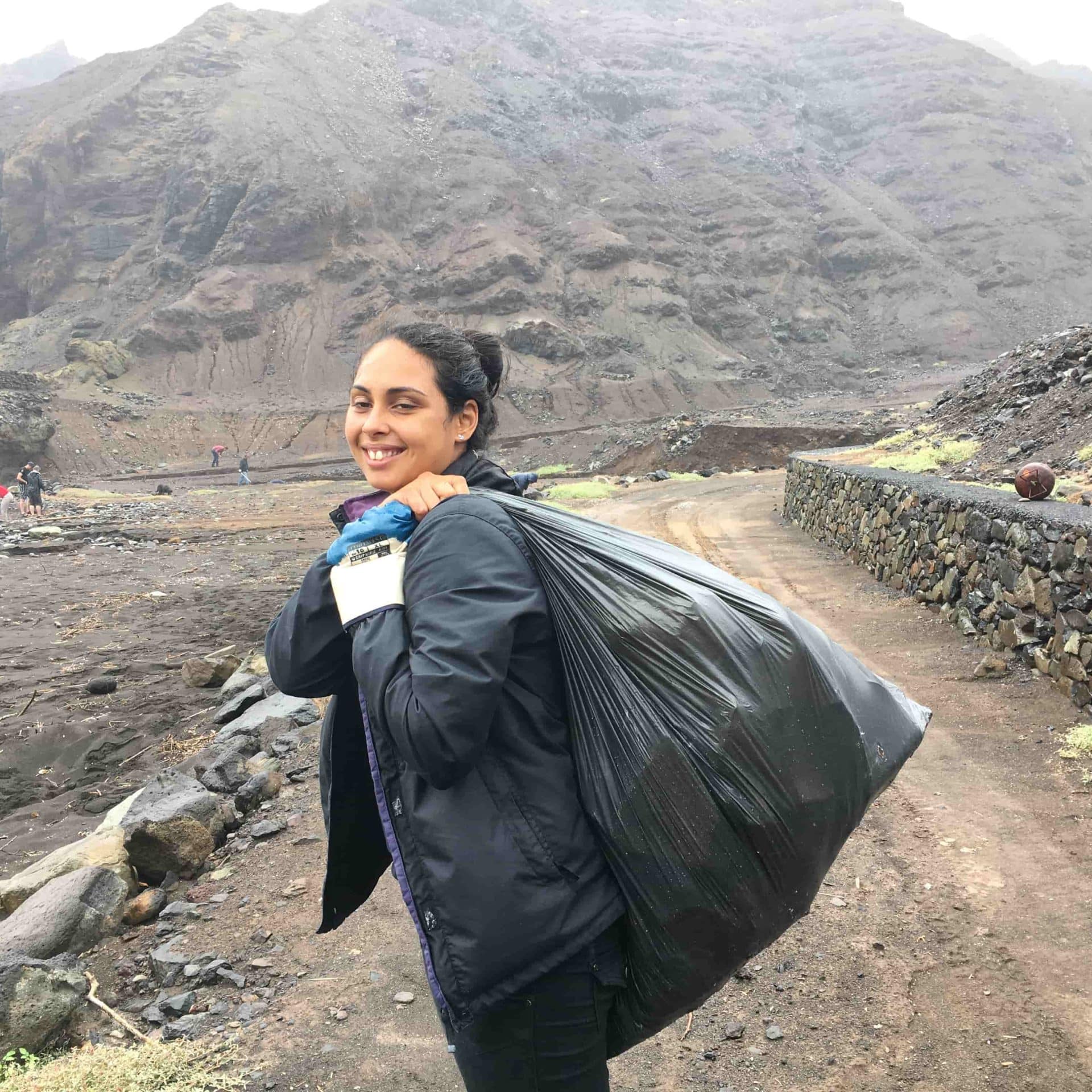
These remote islands, and the tiny populations that inhabit most of them, have been instrumental in protecting vast tracts of ocean. Find out more about their exceptional feats of conservation by reading the individual project reports compiled by the Blue Marine team.