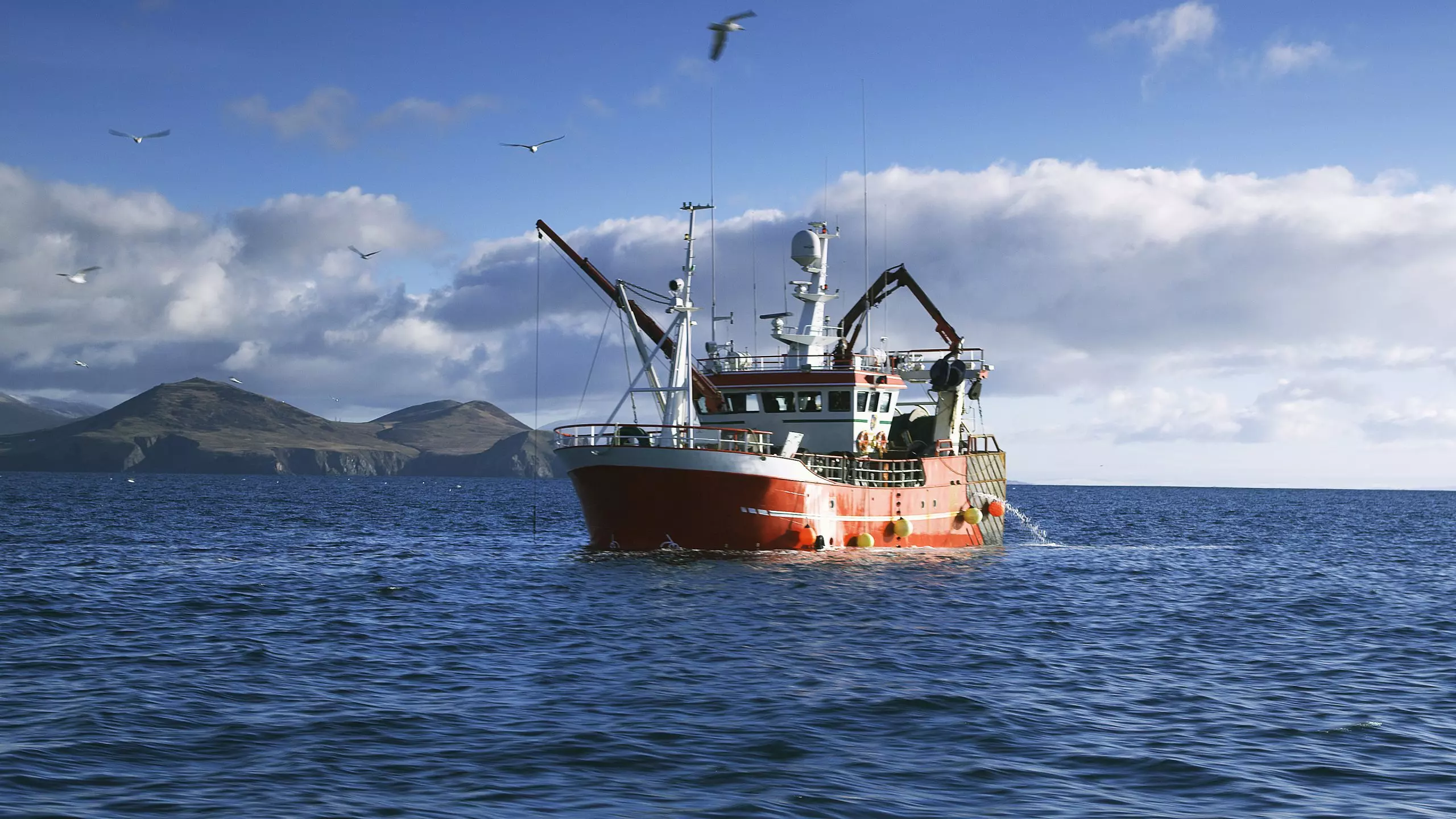
Protecting seas in the European Union
Blue Marine is working in Brussels and elsewhere in Europe to use marine protected areas, fisheries laws and experience from Blue Marine projects to help restore the ocean.
Discover the global projects we’re involved in, the focus of our conservation efforts, and the expert teams that inspire our strategies for change.
Blue Marine is working in Brussels and elsewhere in Europe to use marine protected areas, fisheries laws and experience from Blue Marine projects to help restore the ocean.
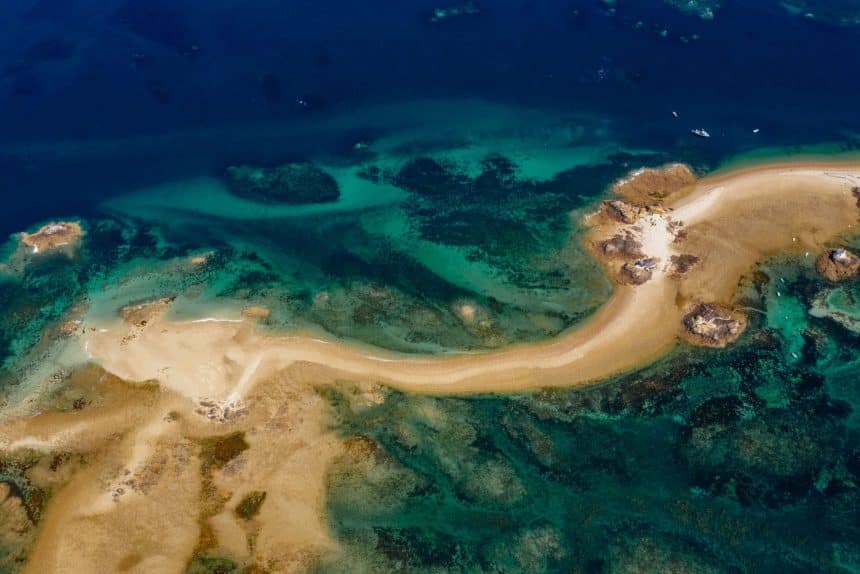
The island of Guernsey in the English Channel has striking coastal landscapes and is rich in biodiversity. To safeguard its waters for future generations, Blue Marine is proposing a comprehensive vision for protection and sustainable use.
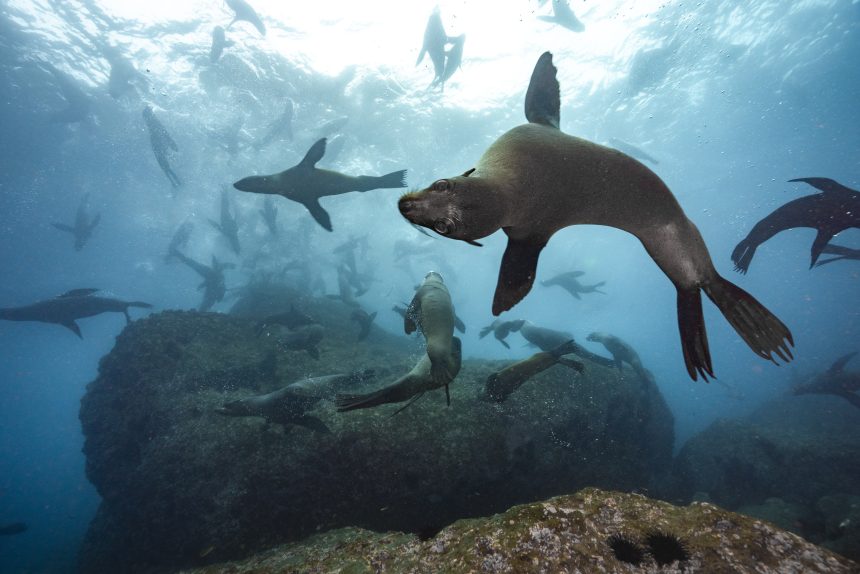
Endemic marine animals in Chile’s Juan Fernández islands are under threat from exploitative fishing. Blue Marine has helped secure new legislation to protect them.
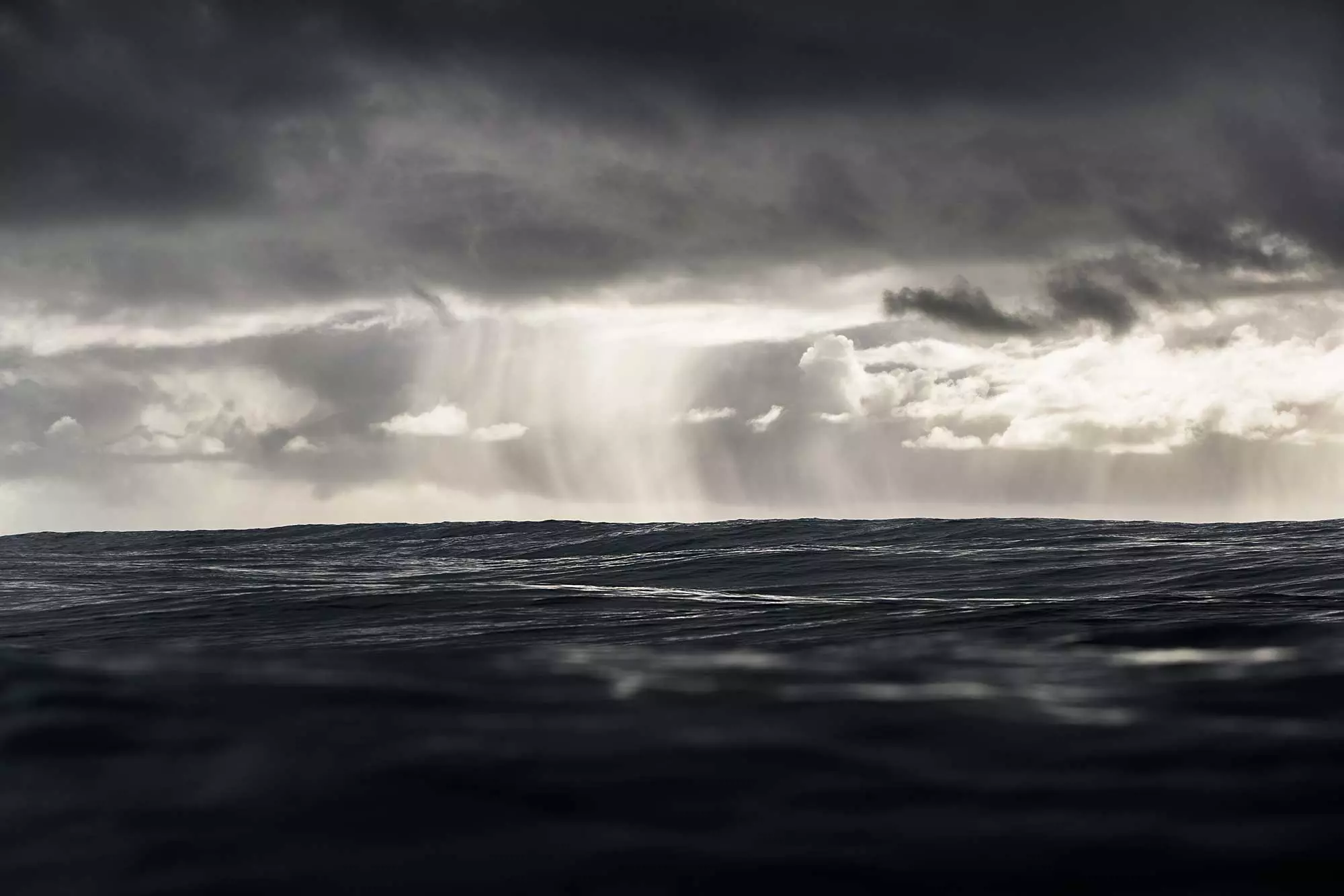
They make up two–thirds of the ocean, with a treaty to protect them soon entering into force. Blue Marine has the High Seas in its sights, with a plan to safeguard the Walvis Ridge off Namibia.
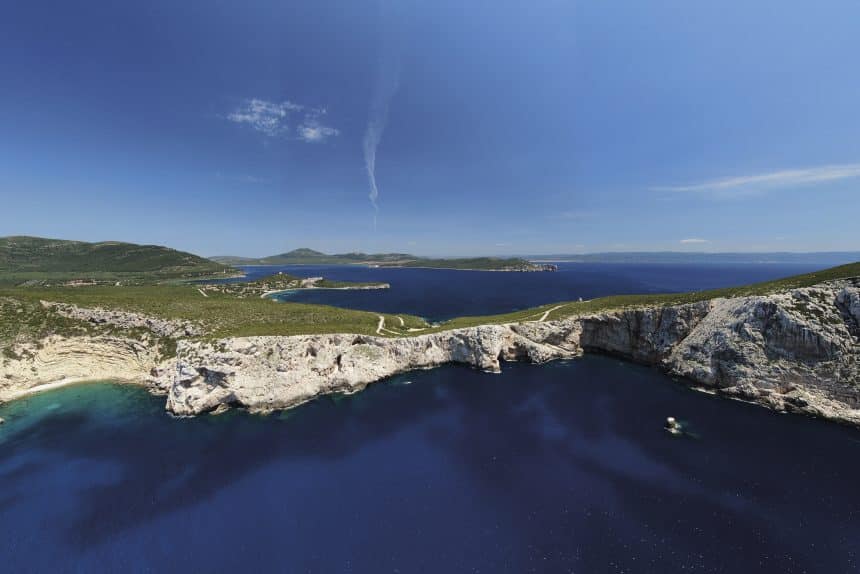
Italian waters are among the Mediterranean’s most biodiverse. Many of the 14,000 marine species found here are unique to Italy. Our work has linked together seven disparate marine protected areas (MPAs) to offer all of them a haven.
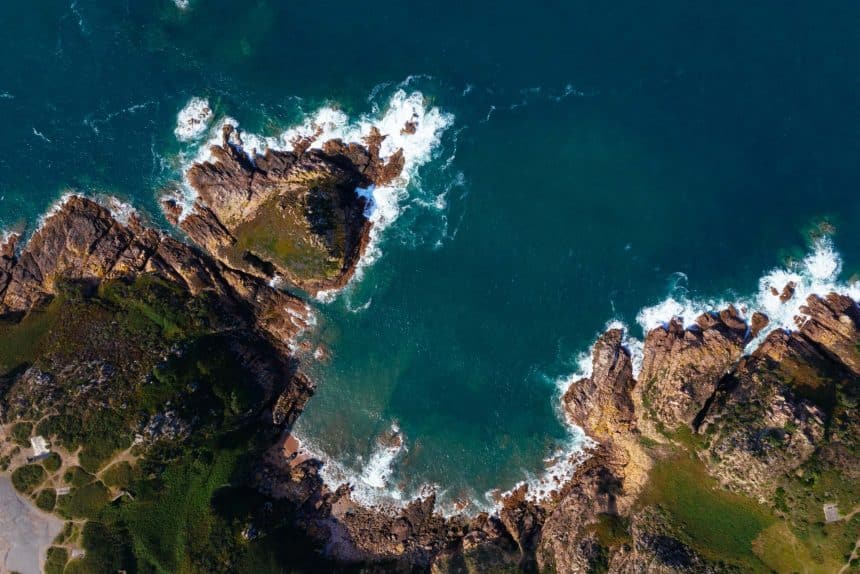
The Channel Island is home to some of the richest shallow marine habitats in the British Isles. Our work here has helped persuade the government to commit to protecting 30 per cent of its waters.
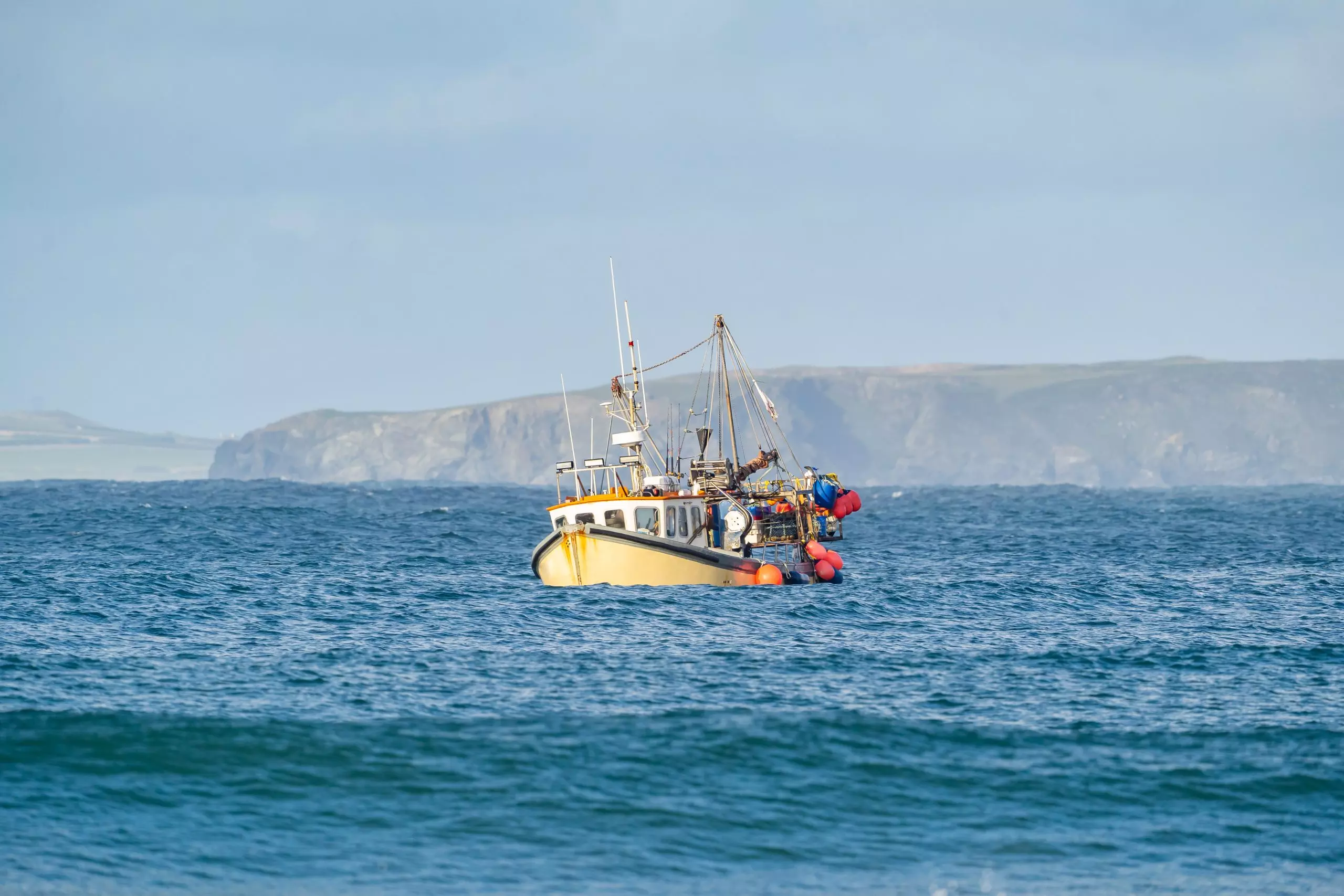
To achieve the equitable and sustainable use of marine resources, dredging and trawling must be stopped within our MPAs. We believe this should be done in a way that brings industry and sea users along in the process.
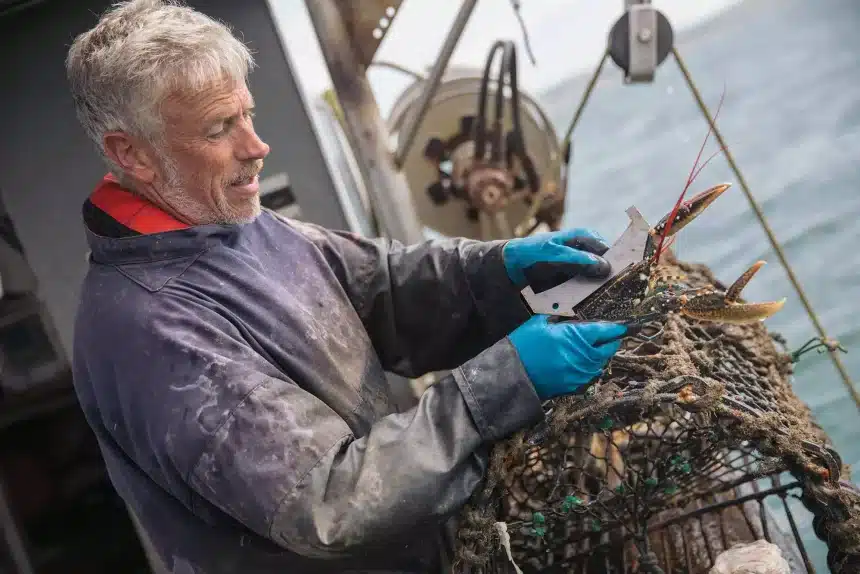
The model Blue Marine helped develop in Lyme Bay is now the gold standard for managing marine protected areas. A win-win that benefits both small-scale fishers and the environment, its positive effects continue to be felt around the world.
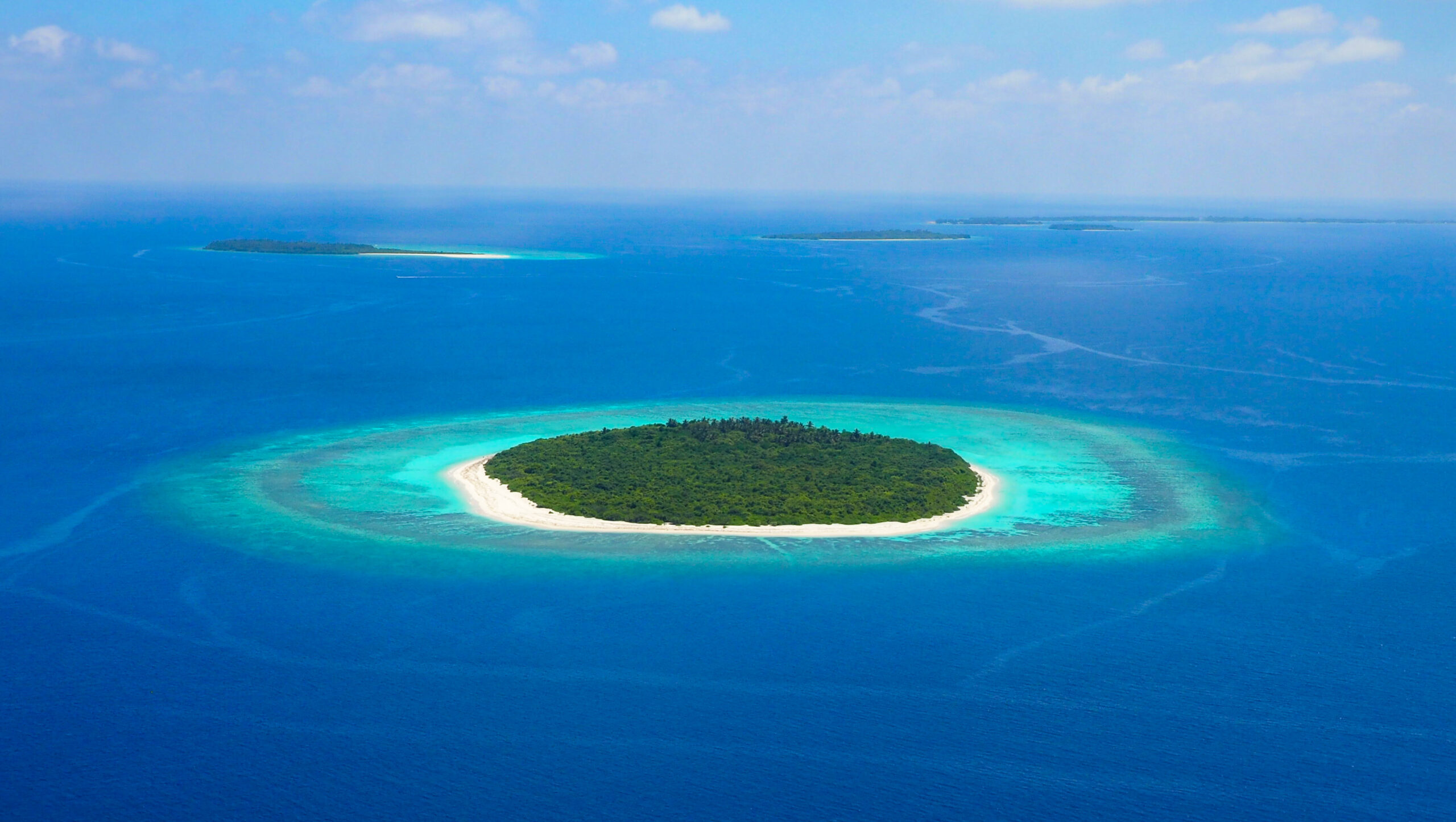
The reef ecosystem of the island nation is the seventh largest in the world and the most extensive in the Indian Ocean. Blue Marine is working with our locally affiliated NGO to make the reefs more resistant to climate change.

Industrial fishing is destroying the exceptional biodiversity of the seas along the Baja Peninsular in north-western Mexico. Our goal is to safeguard these waters with ‘Dos Mares’ – a marine protected area on a scale unprecedented in this region.
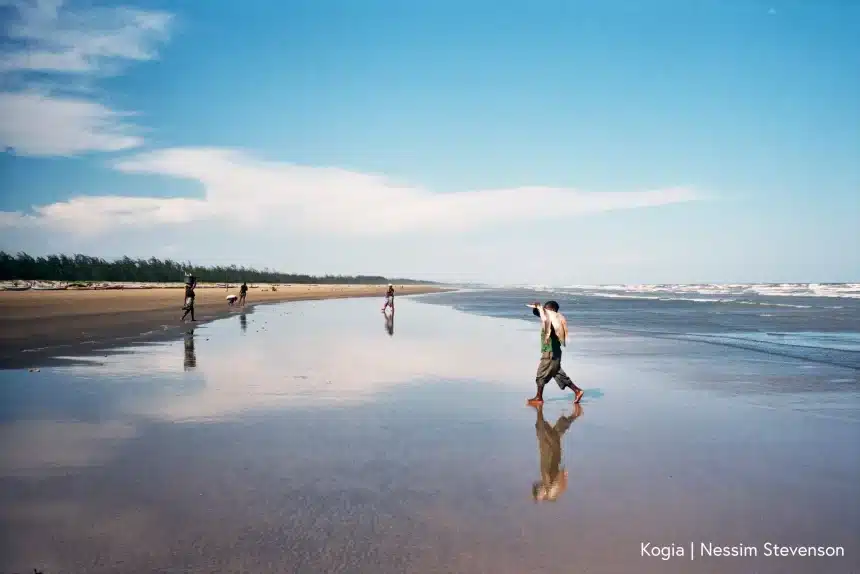
At Jangamo Bay on the wildlife-rich eastern coast of Africa, we are working with partners to help designate a marine protected area, to eliminate net fishing, and empower local women to cultivate mussels.
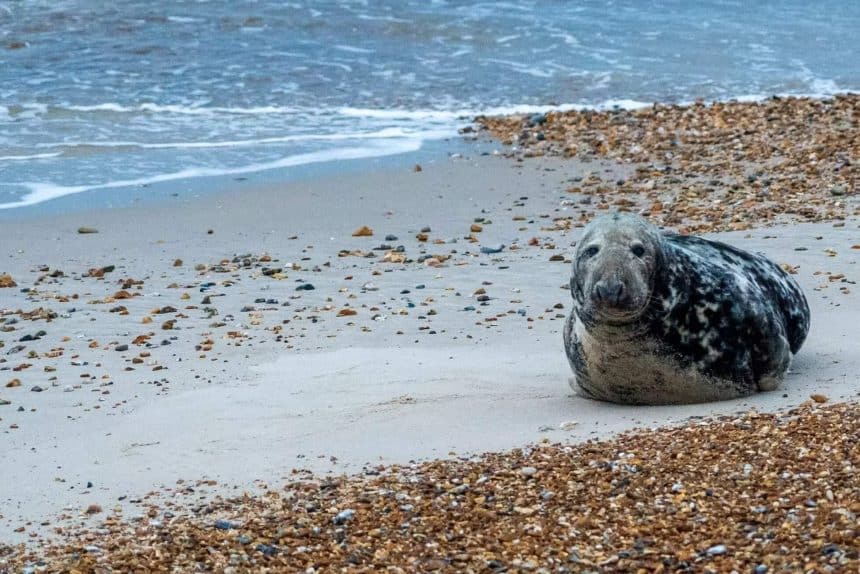
England’s existing National Parks protect nature and put £4 billion into the economy. With 30,000km of coastline to choose from, it’s time the UK brought the same benefits to its waters by declaring public parks at sea.
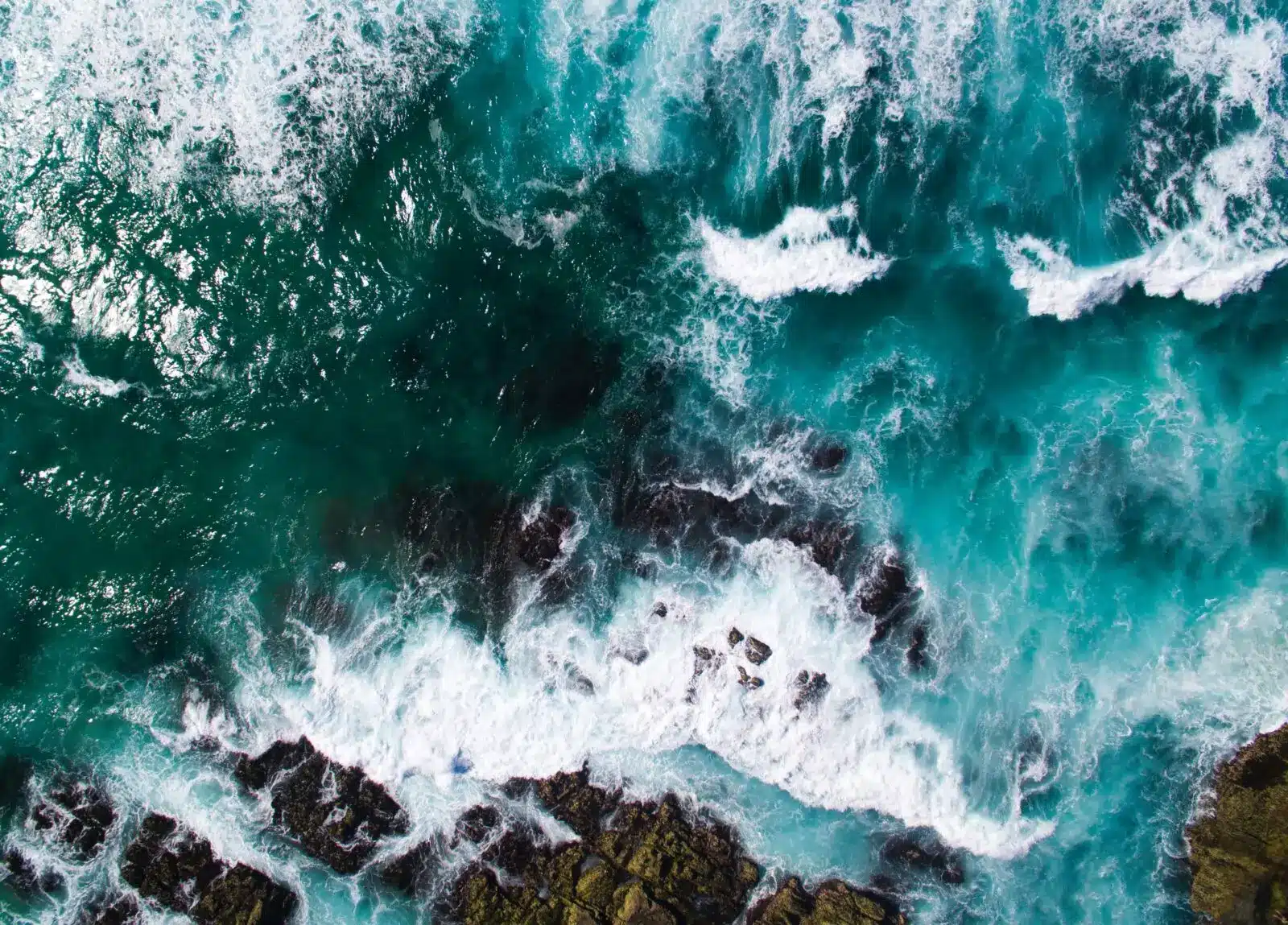
The Ocean Awards recognise individuals, community groups, organisations and businesses that have made significant contributions to the marine environment.
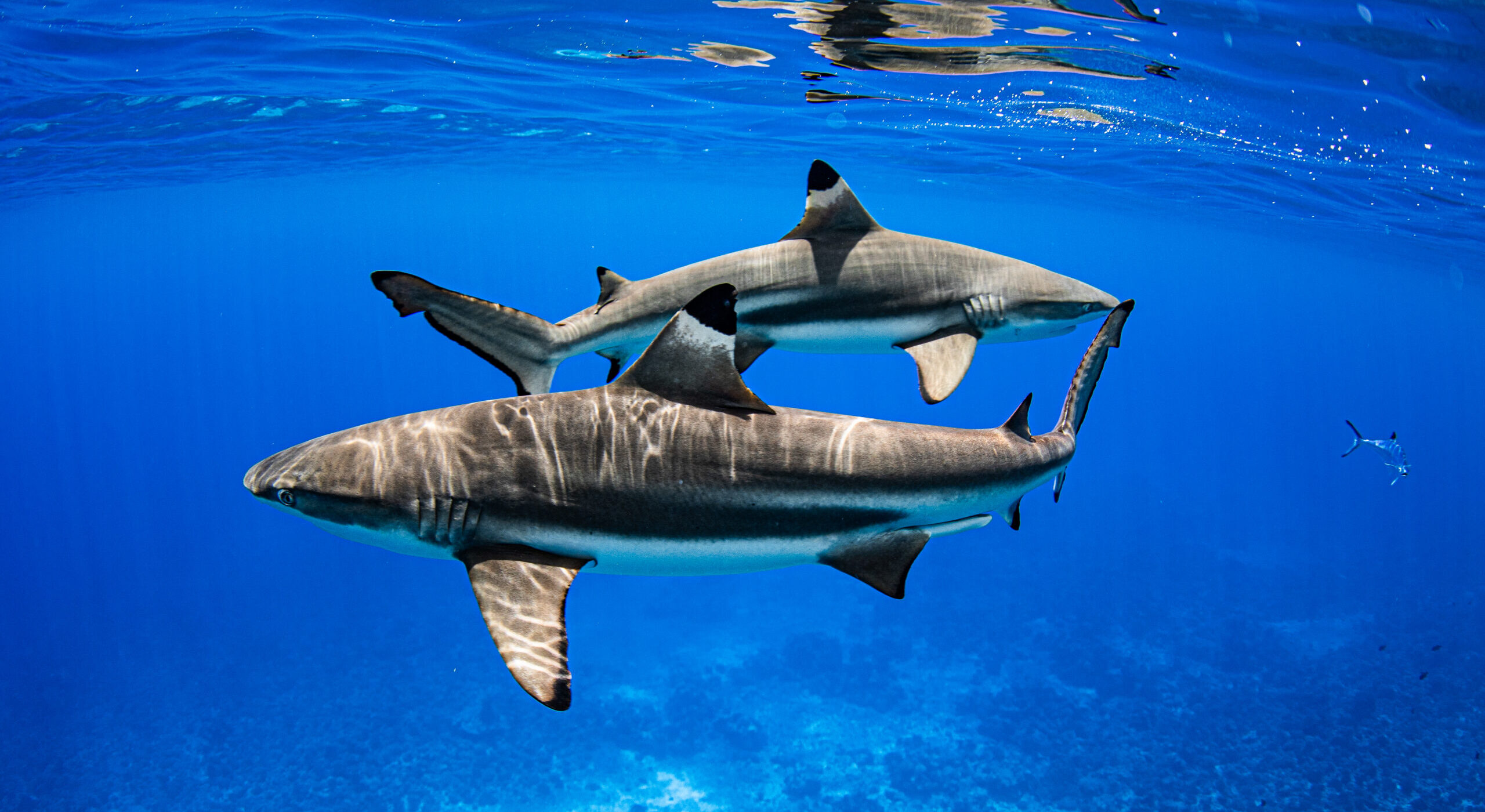
Despite being protected, sharks and rays are being drastically overfished through-out the Mediterranean. Blue Marine are working with partners to develop area-based elasmobranch protections in the Strait of Sicily and improve compliance with existing fisheries restrictions.
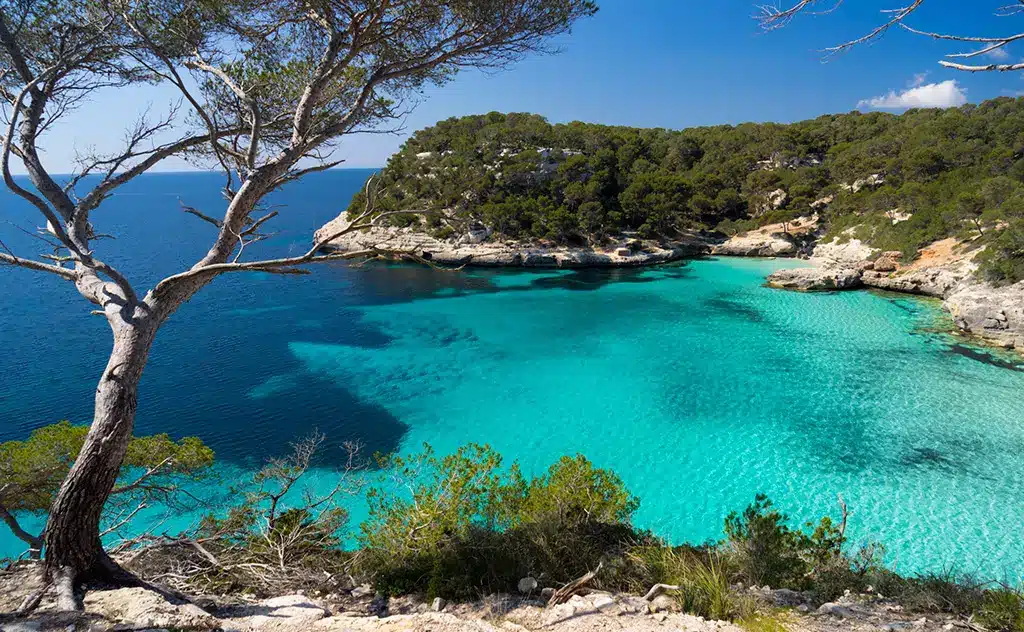
In the marine protected area designated by the Balearic Island, Blue Marine works with local partners to monitor illegal fishing and reduce pollution.
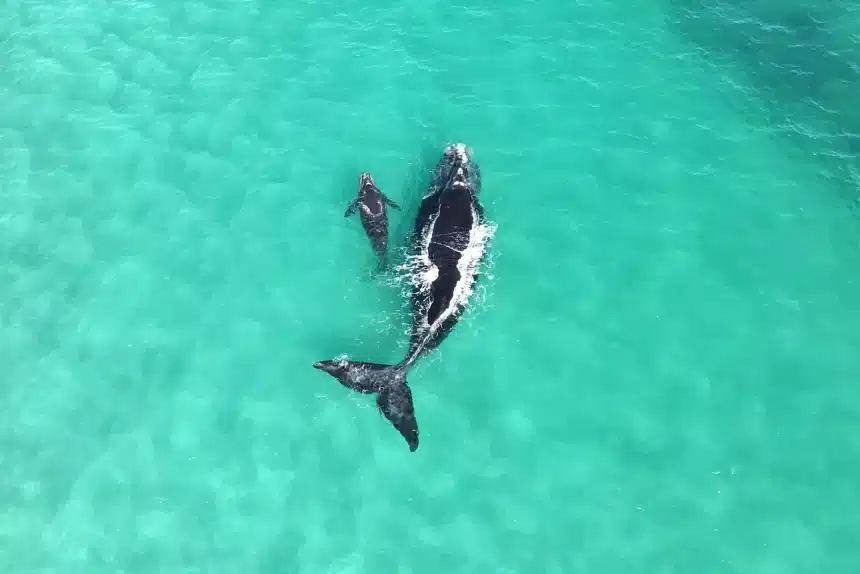
The migration and aggregation patterns of whales can often cross the path of international shipping – with disastrous results. Now a series of initiatives is promoting safer transport routes to avoid cetacean habitats.
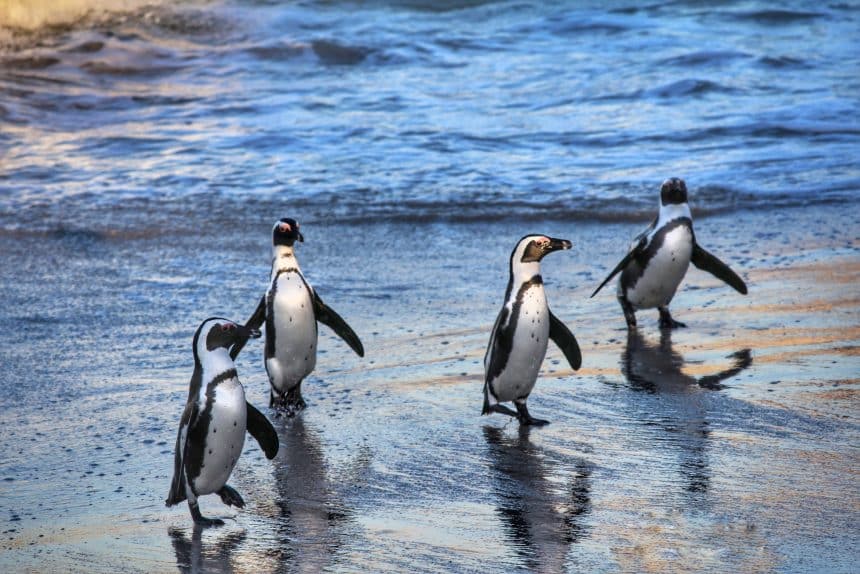
We are working with local partners to deliver lasting protection for whales, dolphins and African penguins across the 9,500 sq km of NIMPA – the Namibian Islands Marine Protected Area.
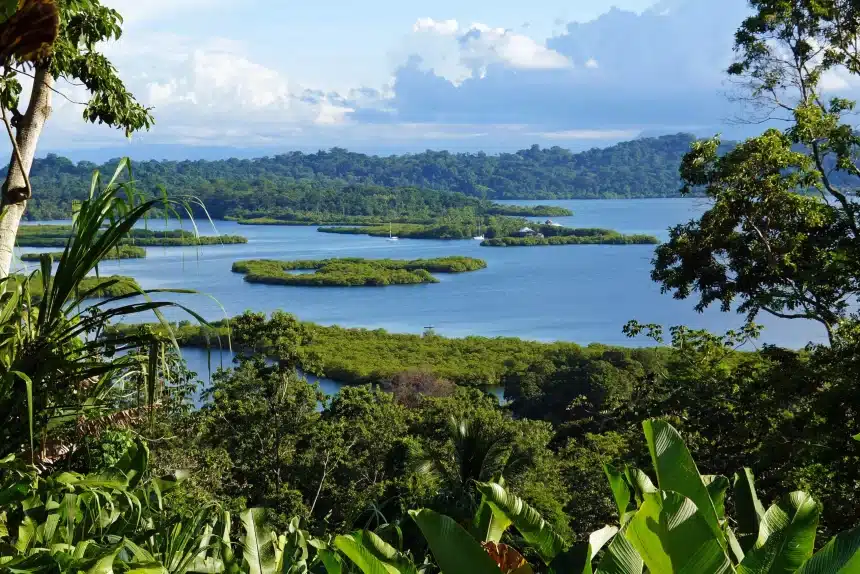
At Jangamo Bay on the wildlife-rich eastern coast of Africa, we are working with partners to help designate a marine protected area, to eliminate net fishing, and empower local women to cultivate mussels.
We respect your privacy. By subscribing to our email list, you agree to our Terms & Conditions.
We respect your privacy. By subscribing to our email list, you agree to our Terms & Conditions.